Masala Zone
In Residence
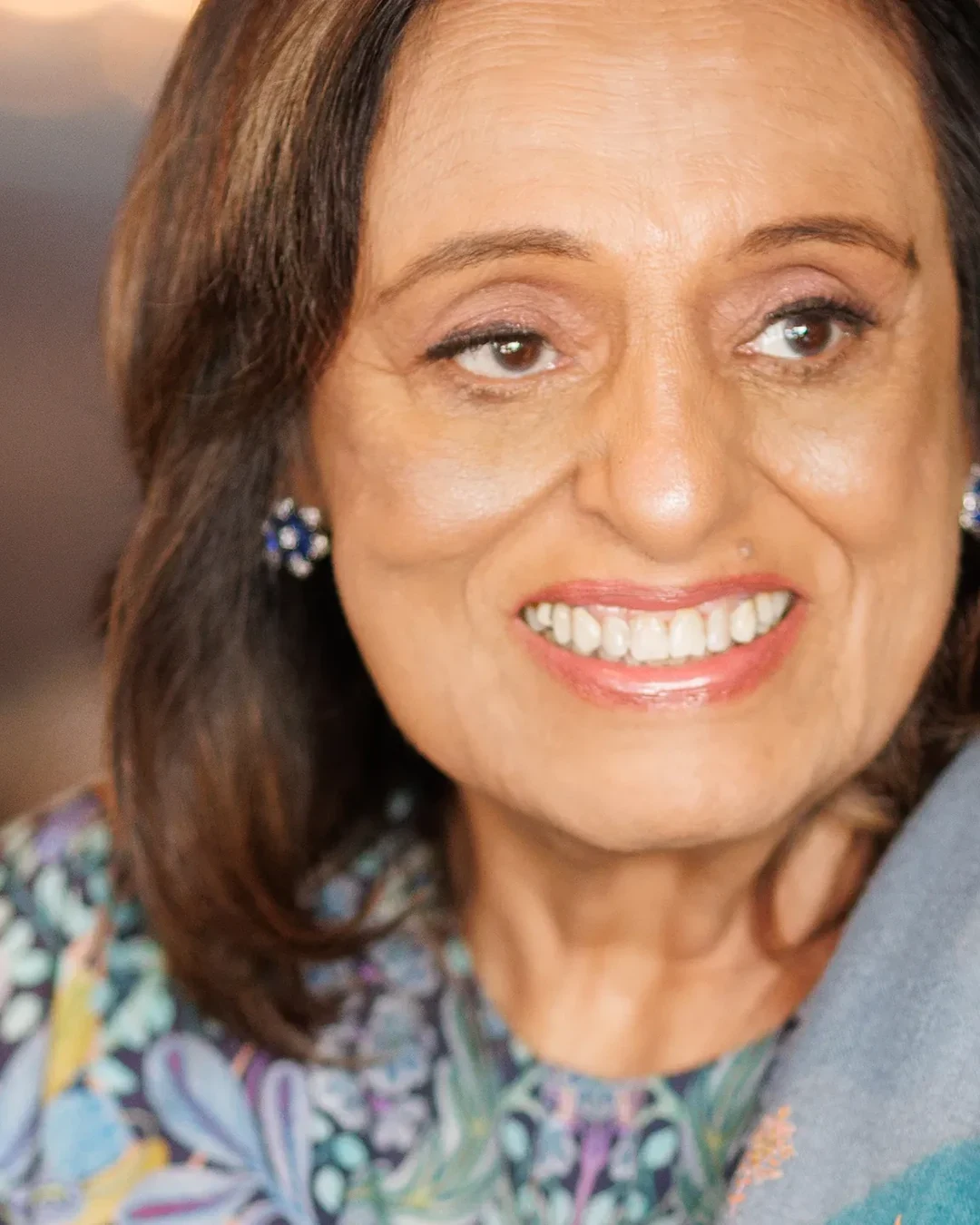
Camellia Panjabi
Chef
- 01CuisineAuthentic Regional Indian
- 02CityLondon, United Kingdom
- The Good Food Guide GFG Good · 2025
A Pan-Indian Progression in SW11
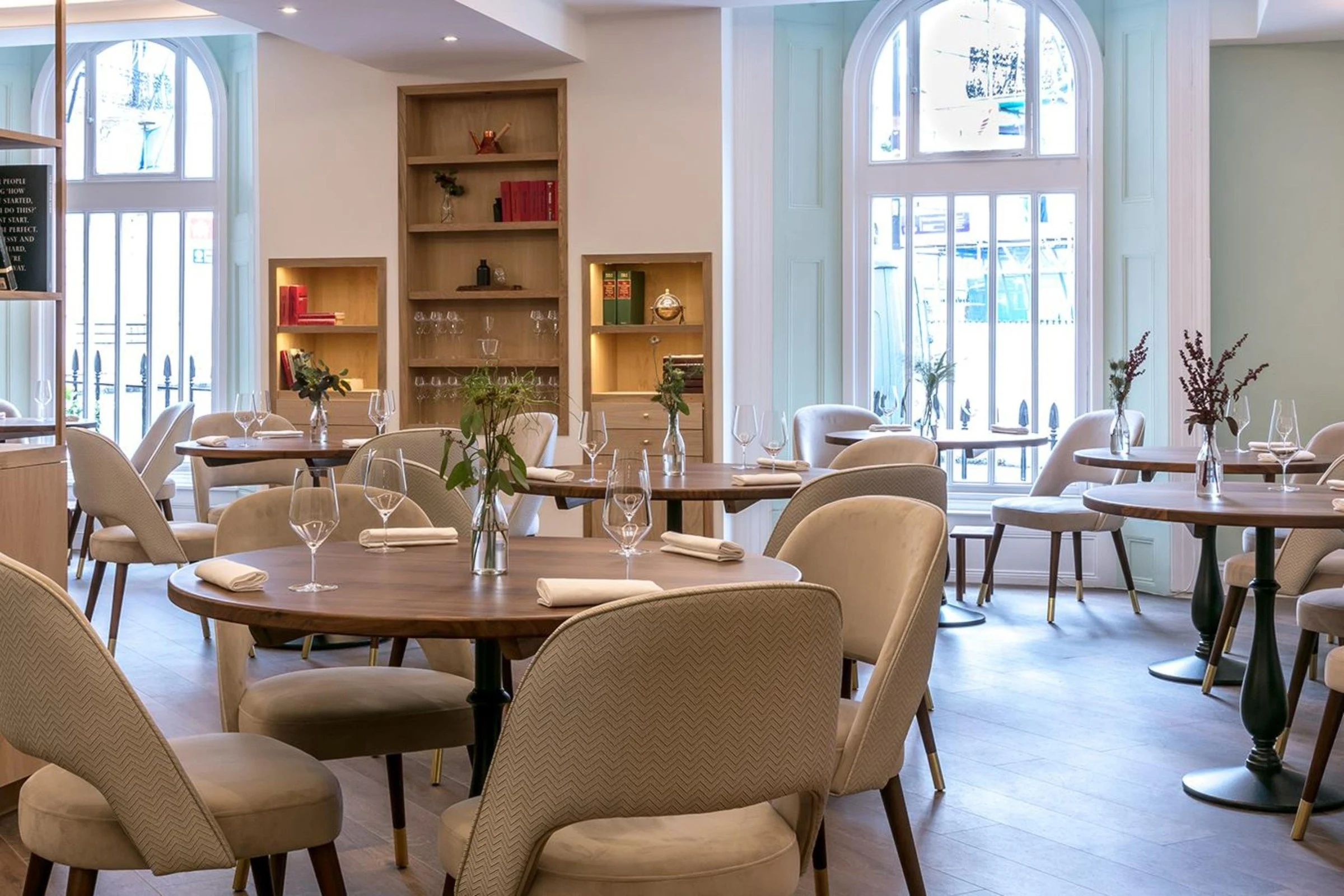
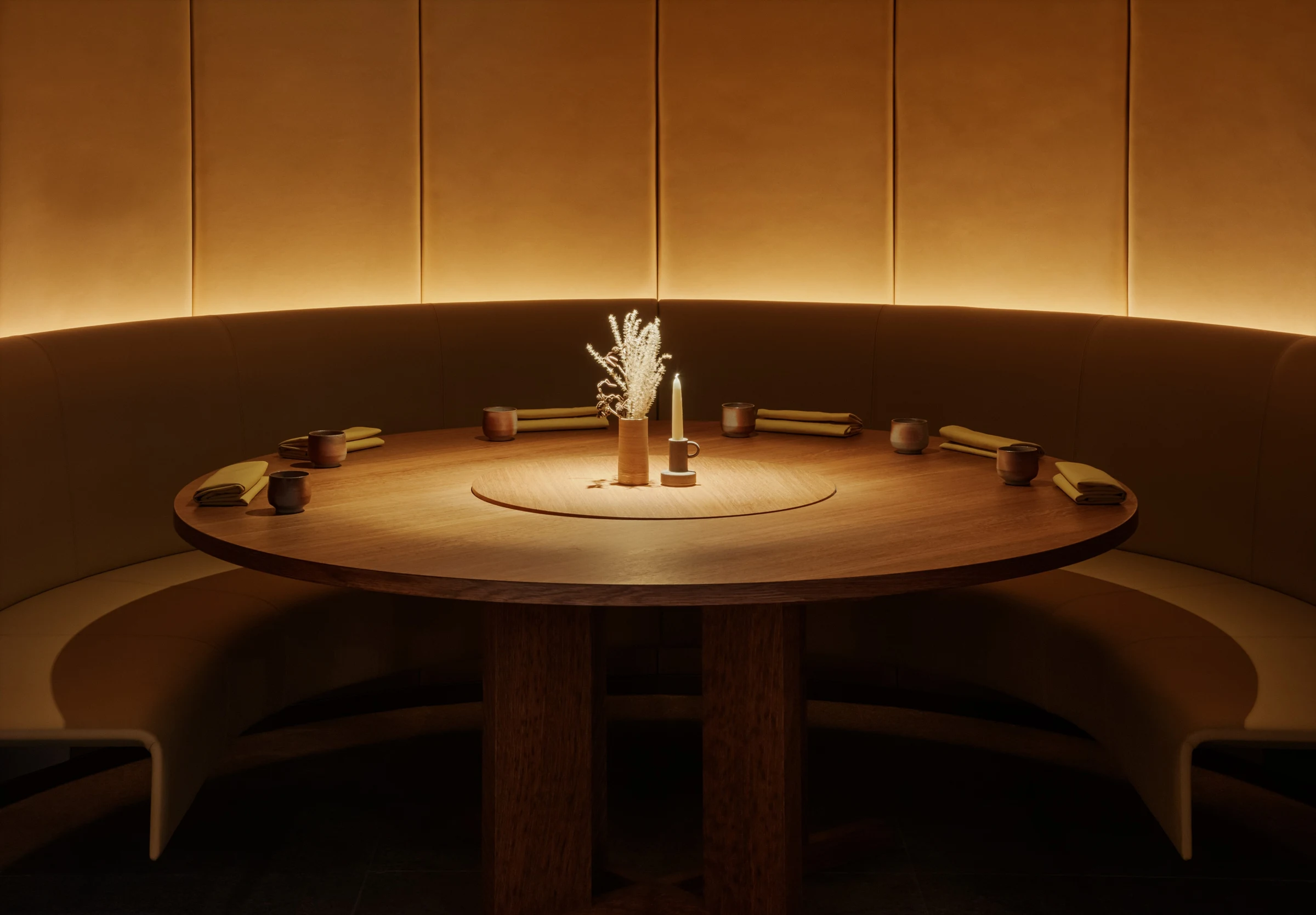
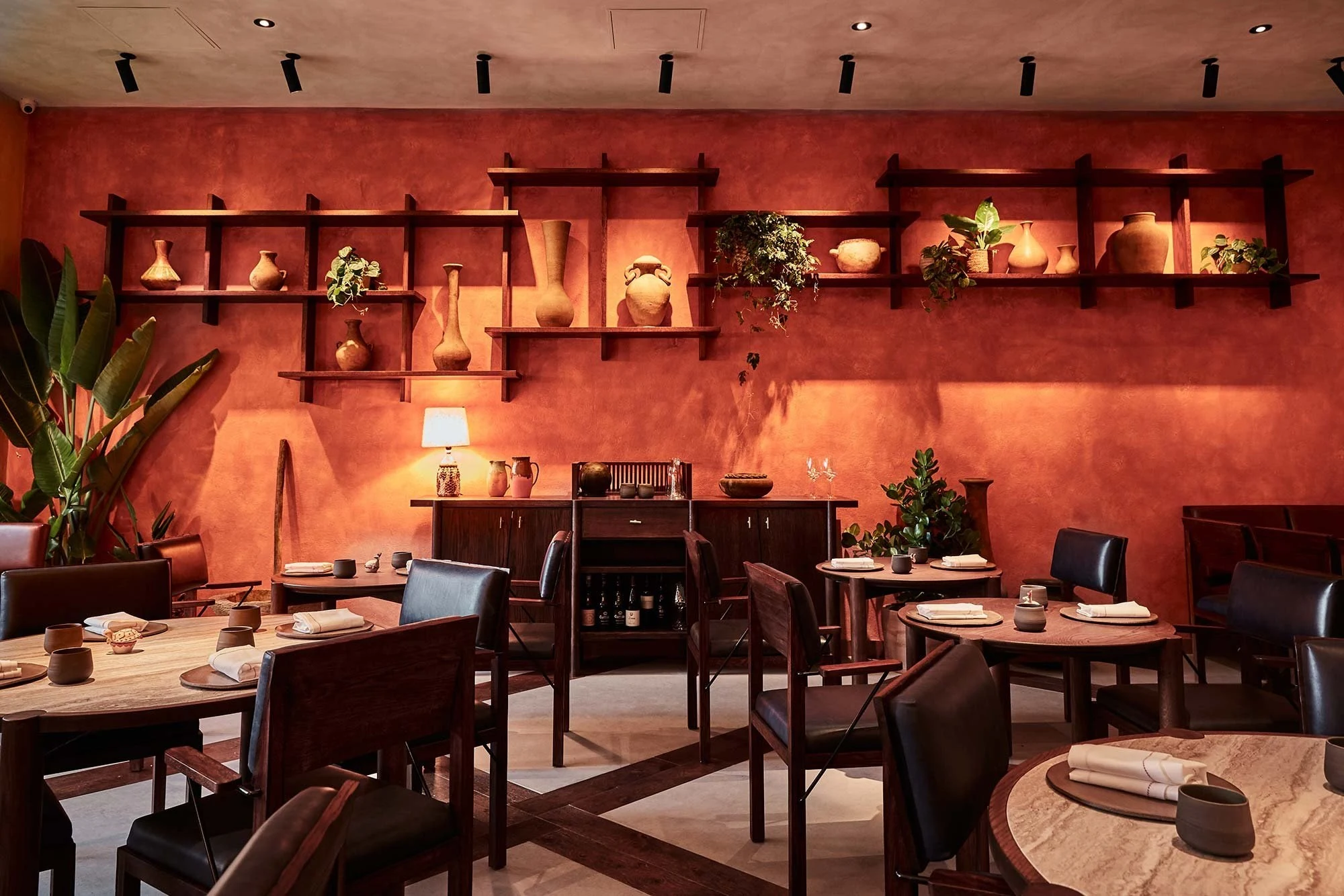
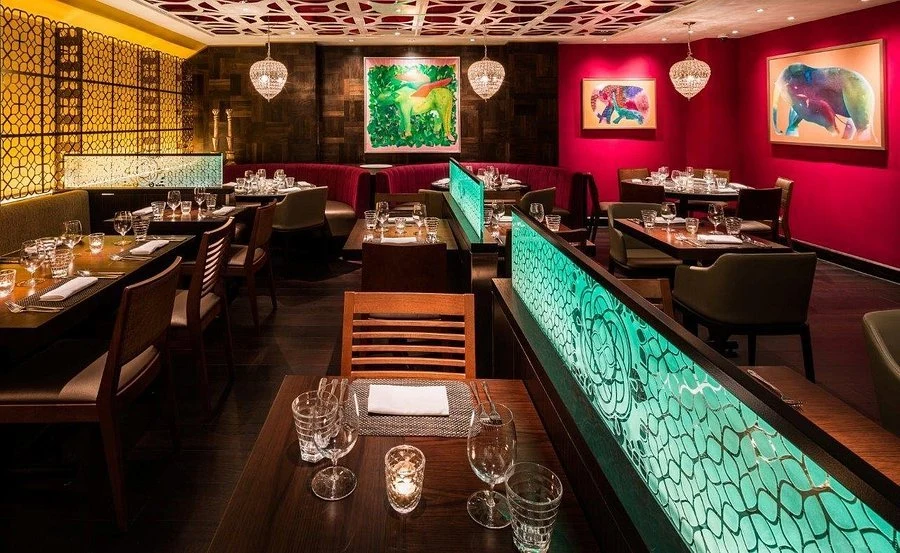
London's mid-market Indian dining scene has long operated on a spectrum: at one end, the affordable neighbourhood curry house shaped by generations of Bangladeshi and Pakistani migration; at the other, the destination Indian restaurant billing against fine-dining peers. Masala Zone occupies a considered position between those poles, with a post-refit room in Battersea that reads clearly upward from the former without reaching for the latter. The glowing golden lighting, rich colour palette and comfortable seating signal intent without pretension, a room that has been thought about rather than assembled.
That deliberateness is not accidental. The restaurant belongs to the same ownership group as Chutney Mary, Veeraswamy and Amaya, operated by Ranjit Mathrani and Namitha and Camellia Panjabi. Those three flagship venues occupy a different price tier entirely, Veeraswamy, and Amaya, with its theatre-kitchen format, each command destination-level spend. Masala Zone functions as the group's accessible format, four branches across London carrying the same commitment to pan-Indian sourcing and breadth without the tasting-menu price structure. The credibility flows downward, and it shows in the kitchen's range.
How the Meal Moves: From Street to Regional Plate
The editorial angle most useful for reading Masala Zone's menu is sequence. This is not a list of greatest hits assembled for an undifferentiated audience; it is a loose geographic and textural progression that rewards attention to order. Arrival makes the argument clearly: the starters draw from street food traditions across the subcontinent, offering a frame of reference that the main course section then expands into full regional portraits.
From Mumbai's Chowpatty Beach comes a sprouted lentil bhel, crispy, tangy with tamarind, that demonstrates the kitchen's willingness to be specific about provenance. The lamb sliders arrive in caramelised onion pao bread, a format that translates street-food logic into a sit-down context without softening it into something generic. These are not approximations; they are dishes with addresses. That specificity matters because it sets the register for what follows.
The main course section is where the pan-Indian ambition becomes most legible. A northern-style butter chicken, rich, silky, with the rounded warmth characteristic of that tradition, sits alongside a Mangalorean version of chicken that comes at the palate with chilli and spice at a different register entirely. The contrast is instructive rather than jarring: the menu is using the format to make a point about how varied Indian cooking actually is across geography. A Goan prawn curry appears next to a lamb rogan josh, a pairing that makes the same argument through a different protein. Chicken tikka and korma represent the more familiar end of the spectrum, present not as lowest-common-denominator gestures but as honest entries in a broader conversation.
Vegetable curries, biryanis and thalis extend the range. The thali format, a selection of dishes assembled into a single tray meal, is particularly well-suited to this kind of pan-regional menu, offering a way to sample across traditions in one sitting. The daily-made paneer, prepared in-house, has been noted by reviewers as a consistent high point; fresh paneer behaves differently from the pre-cut blocks that appear in most mid-market kitchens, holding its texture in curry without turning rubbery.
The Drinks List as Extension of the Menu
Indian food and wine pairing has historically been handled awkwardly by restaurants at this tier, either ignored in favour of beer, or forced into pairings that fight the spicing rather than working alongside it. Masala Zone's approach is more practical: a wine list built around flexibility, with everything available by the glass, carafe or bottle. That structure acknowledges the reality of how a table with several different curries on it actually works, no single bottle will track every dish, so access to glasses and carafes removes the pressure to commit. The spiced cocktails offer an alternative entry point, and at a price point that keeps the room consistently full, the drinks list functions as part of the value proposition rather than a premium add-on.
Where Masala Zone Sits in London's Indian Dining Scene
London's Indian restaurant sector is more layered than most cities'. At the leading end, venues like Amaya and Gymkhana operate as destination restaurants billing against their European fine-dining equivalents, a different conversation entirely from the one happening in Battersea. The mid-market has seen consistent pressure from both directions: rising costs pushing some operators upward on price, fast-casual Indian formats applying competitive pressure from below. Masala Zone's positioning, keen prices, full-service format, credentialed ownership, occupies a lane that is increasingly rare at this quality level.
For the SW11 audience specifically, the Battersea branch benefits from a neighbourhood that has shifted over the past decade. The area's dining options have broadened considerably, and the post-refit room reads as part of that repositioning rather than a legacy holdout. The practical reality is that the restaurant runs full on most evenings, which is the market's most direct endorsement of the format.
Those looking for the formal tier of Indian cooking in London, or for the broader spectrum of the city's restaurant scene, can explore the wider London restaurants guide, which covers everything from the neighbourhood mid-market to destination tables like CORE by Clare Smyth, The Ledbury, Sketch, The Lecture Room and Library, Restaurant Gordon Ramsay and Dinner by Heston Blumenthal. For context beyond London, the same calibre of destination dining extends to properties like The Fat Duck in Bray, L'Enclume in Cartmel, Moor Hall in Aughton, Gidleigh Park in Chagford, Hand and Flowers in Marlow and Le Manoir aux Quat' Saisons in Great Milton, as well as internationally at Le Bernardin in New York City and Atomix. London's wider offer, hotels, bars, and more, is covered in our London hotels guide, our London bars guide, our London wineries guide, and our London experiences guide.
Planning Your Visit
Masala Zone Battersea is located at SW11 4LY. Given that the restaurant operates at keen prices within a credentialed group, booking ahead is the practical approach. The format works well for groups who want to range across the menu: thalis and street snack selections allow the table to cover significant geographic ground within a single meal without committing to a fixed tasting sequence. The wine list's by-the-glass and carafe structure means no one at the table needs to agree on a single bottle.
Questions
Frequently asked
Who works at Masala Zone?
Made By profiles Camellia Panjabi (Chef) at Masala Zone.
How expensive is Masala Zone?
Masala Zone is listed at a price level of $$$.
Where is Masala Zone and what does it serve?
Masala Zone is in Battersea, London, serving Authentic Regional Indian.
The field
How it compares
| Place | Cuisine | Notes | Awards |
|---|---|---|---|
| Masala Zone | Authentic Regional Indian | Battersea, $$$ | · |
| CORE by Clare Smyth | Modern British Fine Dining | London | Michelin 3 Stars, World's 50 Best |
| Ikoyi | Modern West African Fine Dining | London | Michelin 2 Stars, World's 50 Best |
| Kitchen Table | Modern British Fine Dining | London | Michelin 2 Stars |
| KOL | Modern Mexican Fine Dining | London | Michelin 1 Star, World's 50 Best |
| Row on 5 | Modern British Fine Dining with Mediterranean & Asian Influences | London | Michelin 2 Stars |
| The Ledbury | Modern British Fine Dining | London | Michelin 3 Stars, World's 50 Best |
In residence
Similar places
Modern British Fine Dining
CORE by Clare Smyth
London, United Kingdom
★★★ · 50 Best
Modern West African Fine Dining
Ikoyi
London, United Kingdom
★★ · 50 Best
Modern British Fine Dining
Kitchen Table
London, United Kingdom
★★
Modern Mexican Fine Dining
KOL
London, United Kingdom
★ · 50 Best
Modern British Fine Dining with Mediterranean & Asian Influences
Row on 5
London, United Kingdom
★★
Modern British Fine Dining
The Ledbury
London, United Kingdom
★★★ · 50 Best