Masottina
- 01CityConegliano, Italy
- Falstaff Winery - 3 Stars · 2026
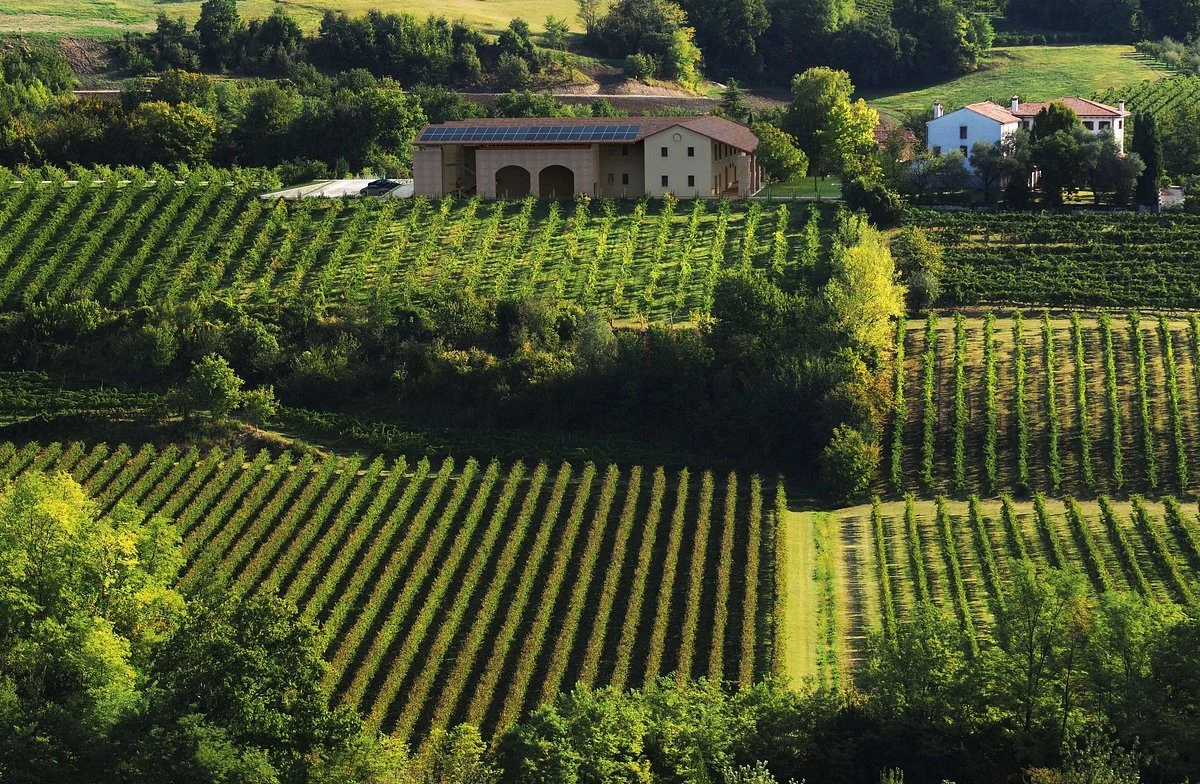
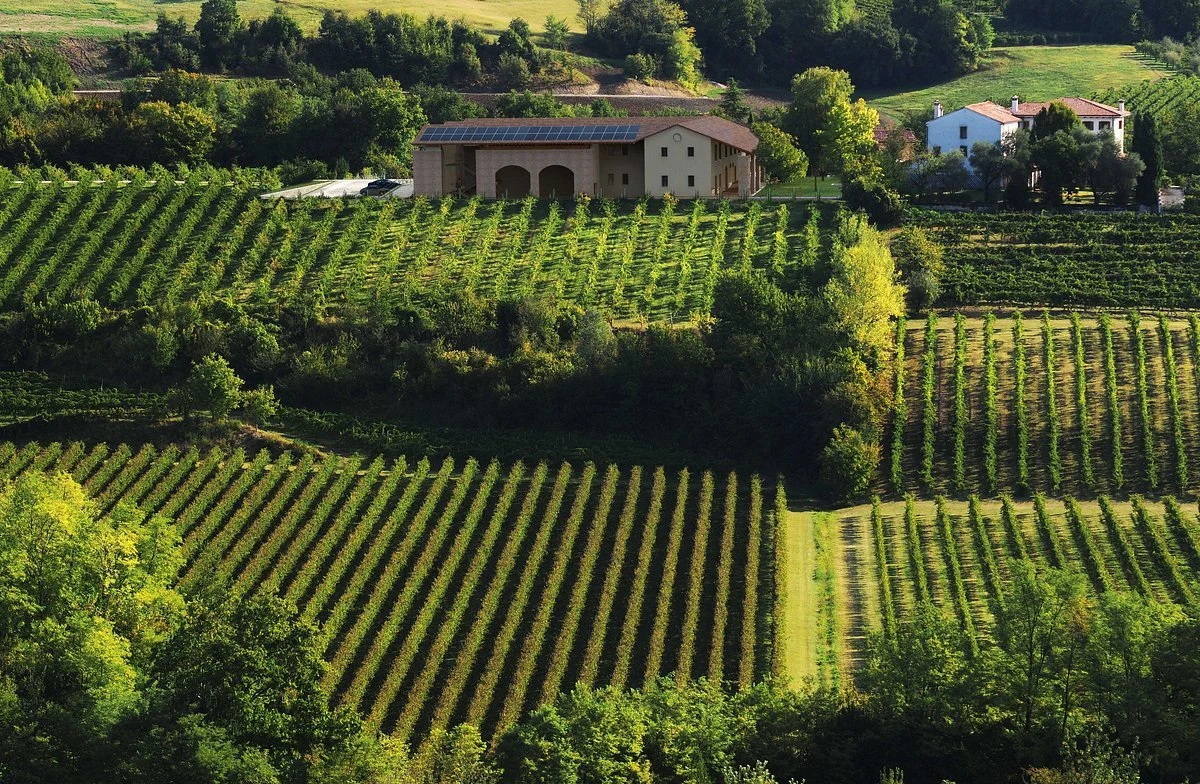
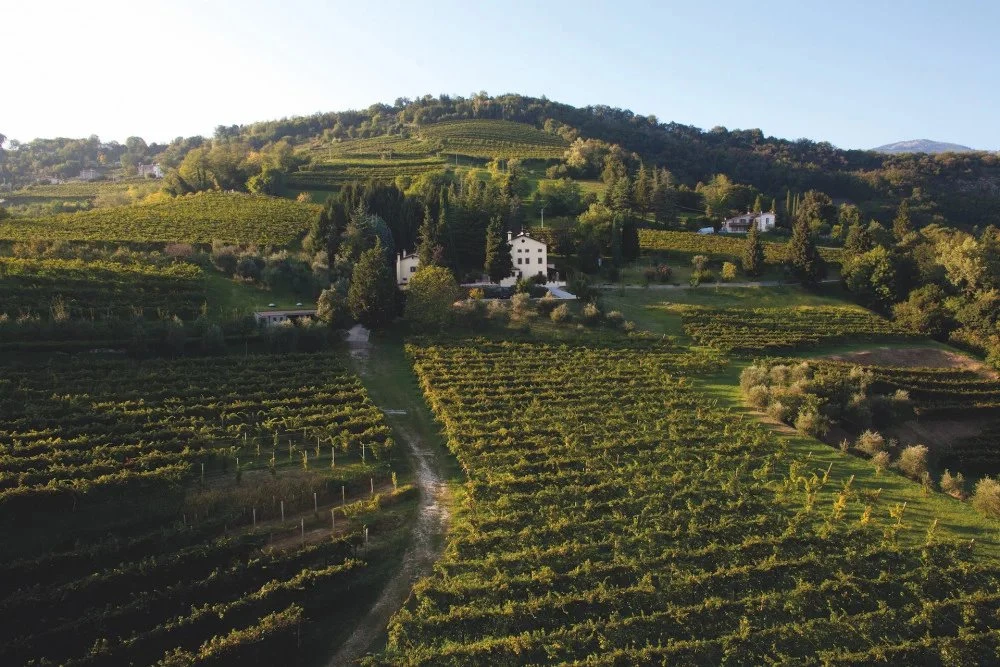
Approaching a Prosecco estate in the Conegliano hills is less about spectacle than orientation: vineyard slopes, cultivated quiet, and the sense that sparkling wine here is built from geography before branding. Masottina belongs to that older Conegliano Valdobbiadene tradition, where the estate story is tied to a restored manor house, a family name, and the practical work of turning hillside Glera into Prosecco Superiore DOCG.
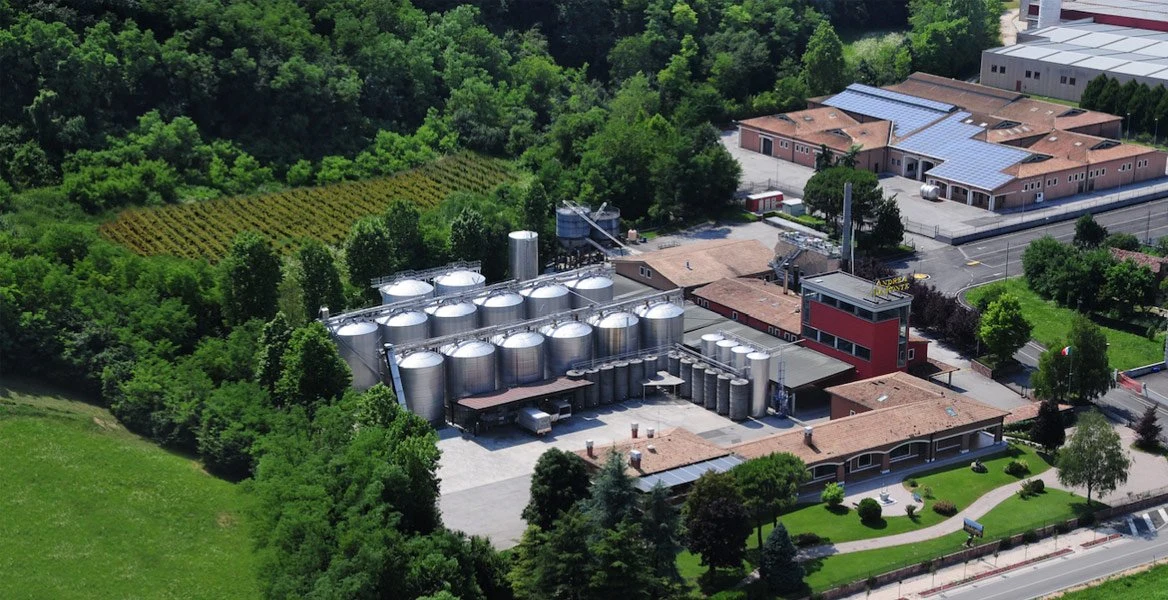
The serious reading of Conegliano in 2026 is not simply “Prosecco country.” It is a UNESCO-listed agricultural landscape where the premium argument increasingly rests on named hillsides, farming discipline, and cru language rather than generic bubbles. Masottina fits that shift with a scale rarely associated with small-estate romance: more than 370 hectares across the Conegliano Valdobbiadene hills and Venetian lands, annual production in the 100,000 to 500,000 bottle range, and a portfolio organized around sparkling wine rather than category sprawl.
Rive di Ogliano gives the estate its sharpest terroir argument
The estate’s clearest point of distinction is Rive di Ogliano, the hillside identity behind R.D.O. Ponente and R.D.O. Levante. In the Prosecco Superiore system, Rive designations matter because they narrow the conversation from region to slope. That does not turn Prosecco into Burgundy, and it should not be read through the same cellar-ageing lens, but it does move the wine away from anonymous aperitivo fizz and toward a more site-conscious reading of Glera.
Masottina’s R.D.O. Ponente and R.D.O. Levante reached Wine Spectator’s Top 100 in 2021, a useful external signal in a category where serious producers often have to separate themselves from industrial Prosecco by evidence rather than rhetoric. The recognition also clarifies the estate’s competitive position: heritage alone is not the story. The stronger story is a producer founded in 1946, now in its third generation, using breadth of vineyard holdings to support consistency while reserving its sharper identity for Rive bottlings.
The portfolio is focused and legible: Conegliano Valdobbiadene Prosecco Superiore DOCG, with Rive brut, Rive extra dry, brut, and extra dry styles. That range tells experienced drinkers what to expect without needing invented drama. Brut and extra dry carry different sweetness profiles within the Prosecco grammar, while the Rive wines provide the more place-specific tier. The varietal basis is Glera, and the house’s emphasis remains sparkling wine rather than a scattered cellar of unrelated formats.
Scale, sustainability, and a heritage house rather than boutique theatre
There is a useful tension in Masottina’s profile: it is family-run and historic, but not tiny. The original estate began in 1946 when Epifanio Dal Bianco acquired 5 hectares of vineyards; the current footprint is more than 370 hectares. That expansion changes the critical frame. This is not a micro-producer trading on scarcity. It is a large Conegliano estate trying to make scale and terroir language work together.
Sustainable vineyard management gives that scale more credibility. The vineyards are cultivated under SQNPI criteria, and the estate lists organic certification among its credentials. For a producer of this size, those markers matter because vineyard oversight becomes a structural question, not a decorative claim. The more convincing reading is not that sustainability is a lifestyle accessory, but that coordinated farming is necessary when a Prosecco estate wants both volume and a recognizable hillside identity.
The visitor experience follows the same tone. The setting is described as a large winery estate in the Conegliano hills, with vineyard views, a historic building, and a quiet, classic atmosphere. That is a different proposition from architecture-led wine tourism or chef-driven cellar dining. The draw is the landscape and the Prosecco system itself: how a UNESCO-listed zone, a family estate, and Rive-designated wines intersect in the glass.
Hospitality is oriented around wine tasting and estate tasting, with vineyard tour elements and English-language touring listed. The format suits wine education, group outings, corporate visits, and special occasions, especially for travelers who want a grounded introduction to Conegliano Valdobbiadene rather than a restaurant-style experience. The venue is casual in dress code and quiet in mood; it is not positioned around food pairing, outdoor seating, or children’s programming.
How to place it within a Conegliano wine itinerary
For travelers building a Conegliano wine route, Masottina makes sense as a terroir-and-scale stop: a Prosecco Superiore DOCG producer with family continuity, large vineyard resources, sustainable farming signals, and Rive di Ogliano as the central lens. It works particularly well for drinkers who want to understand why the hills around Conegliano Valdobbiadene carry more weight than the broader Prosecco label alone.
To widen the local frame, compare the broader Conegliano winery circuit through Our full Conegliano wineries guide, then look at nearby producer pages such as BiancaVigna, Borgo Antico, Ca' Vittoria, Carpenè Malvolti, and Conca D'Oro. For the rest of the trip, the city context sits in Our full Conegliano restaurants guide, Our full Conegliano hotels guide, Our full Conegliano bars guide, and Our full Conegliano experiences guide.
Readers extending beyond Conegliano can use other winery references as regional contrast rather than direct comparison: 3GP SRL in Treviso, 47 Anno Domini in Trebaseleghe, A Mano Wine in Noci, »der Steiner« Hans Steiner in Podersdorf am See, and & Handwein in Mannheim. Masottina’s editorial value remains clear within that wider map: it is a Conegliano address for understanding Prosecco Superiore through hillside specificity, family continuity, and a production model large enough to show how terroir language operates beyond boutique scale.
Questions
Frequently asked
How expensive is Masottina?
Masottina is listed at a price level of $$.
The field
How it compares
| Place | Notes |
|---|---|
| Masottina | Castello Roganzuolo, $$ |
| BiancaVigna | Conegliano |
| Borgo Antico | Conegliano |
| Distilleria Andrea Da Ponte | Conegliano |
| Gli Allori | Conegliano |
| Terre del Cima | Conegliano |
| Ville d'Arfanta | Conegliano |