Matsalen
- 01CuisineModern Nordic Fine Dining
- 02CityStockholm, Sweden
Arctic char kept soft as butter
- Relais Chateaux Award · 2026
- Relais Chateaux Award · 2025
Arctic char at the pass
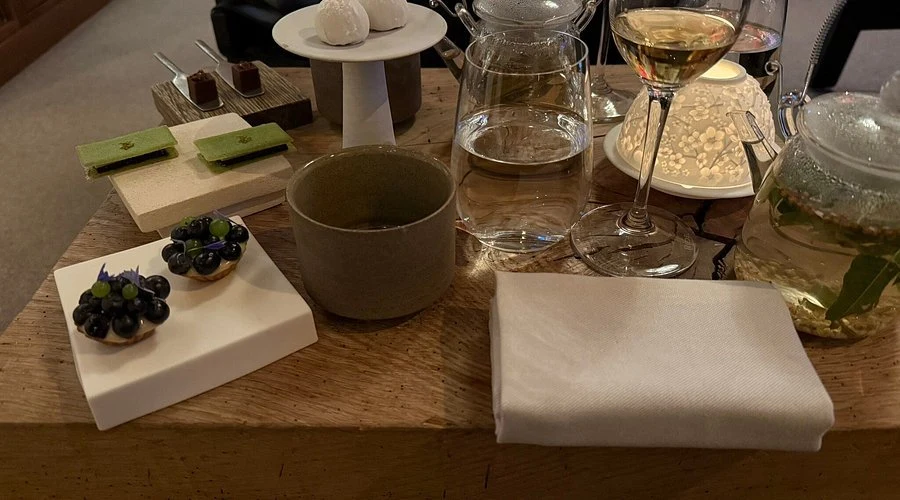
A plate leaves the pass with Arctic char kept soft as butter at Matsalen in Norrmalm, Stockholm, inside the Grand Hôtel. The room asks for control rather than force. Chef patron Mathias Dahlgren launched Matsalen alongside its sister room Matbaren after closing his one-star Bon Lloc, and he brought with him the authority of a Bocuse d’Or gold medal won in 1997, the first for a Swedish cook and the second for a Scandinavian. Head sommelier Fredrik Lindfors curates the list, which has taken three stars in the World’s Best Wine List Awards for depth and rare finds rather than volume. That standing matters here because Matsalen’s cooking leaves little cover for noise on the plate. A piece of king crab, a slow-poached egg, a spoon of mushroom purée, a fold of roe deer with leeks and beetroot, each relies on timing, texture, and restraint. The work belongs to a tasting-menu room built around modern Nordic fine dining, where the kitchen’s job is to keep the material legible.
Natural cuisine, held to a narrow line
Matsalen opened in 2007 in the Grand Hôtel, whose own history reaches back to 1874. The kitchen’s register is natural Nordic cuisine: purity, freshness, simplicity, and seasonal Swedish ingredients handled without excess. Earlier menus moved between à la carte and tastings before the restaurant narrowed toward a single seasonal tasting format, a choice that suits ingredients that arrive in small windows. Arctic char, porcini mushrooms, langoustines, oysters, caviar, cabbage, roe deer, beetroot, wild mushrooms, summer truffle, and crisp bread have all carried that method. The technique is not hidden. King crab takes chargrilling for a buttery finish and is presented on ice to keep the flavor clean. Pointed cabbage meets oysters, caviar, sea foam, black pepper, and parsley, with deep-fried elements for crunch and mussel foam for the marine line. Jerusalem artichoke purée, wild mushrooms, a slow-poached egg, and summer truffle pull the plate toward earth and fat. The program depends on proportion: a small number of materials, exact heat, and the patience to stop before ornament takes over.
The room below the hotel
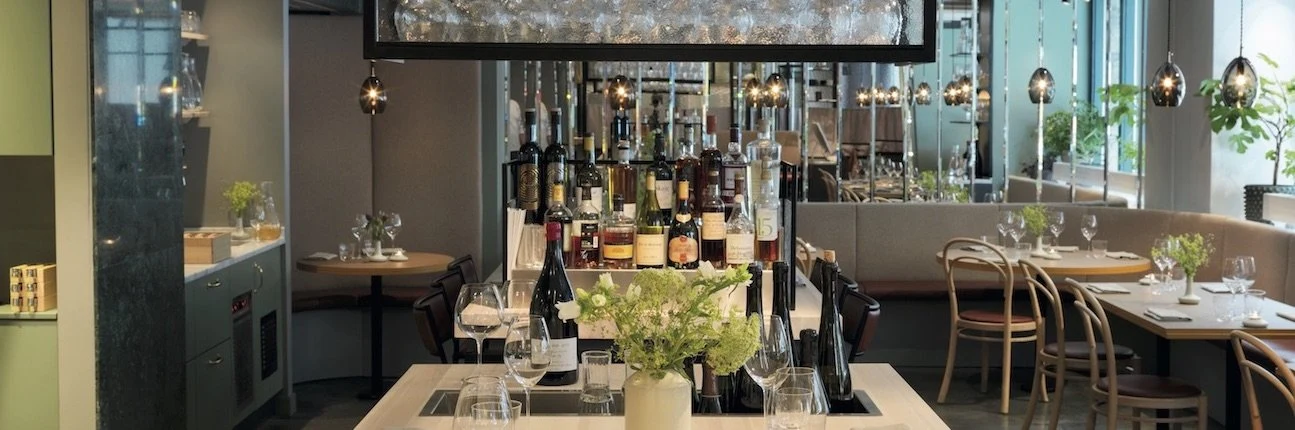
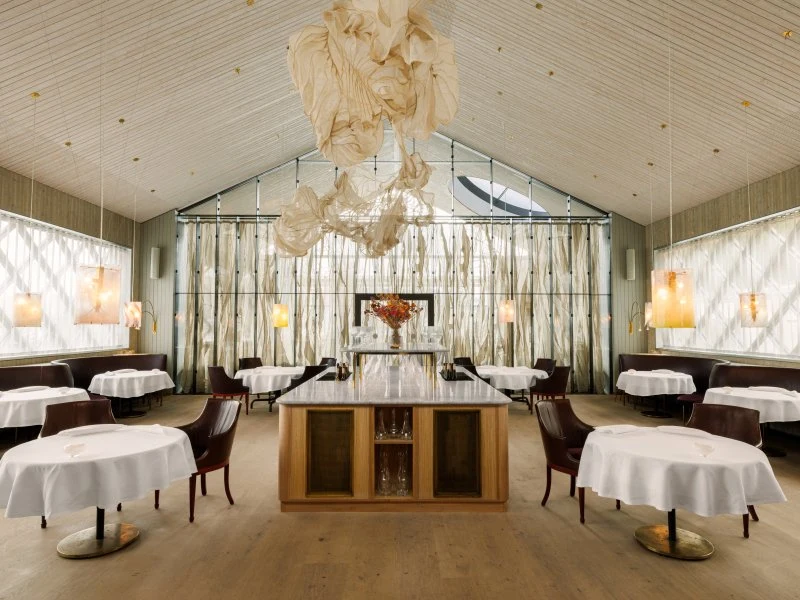
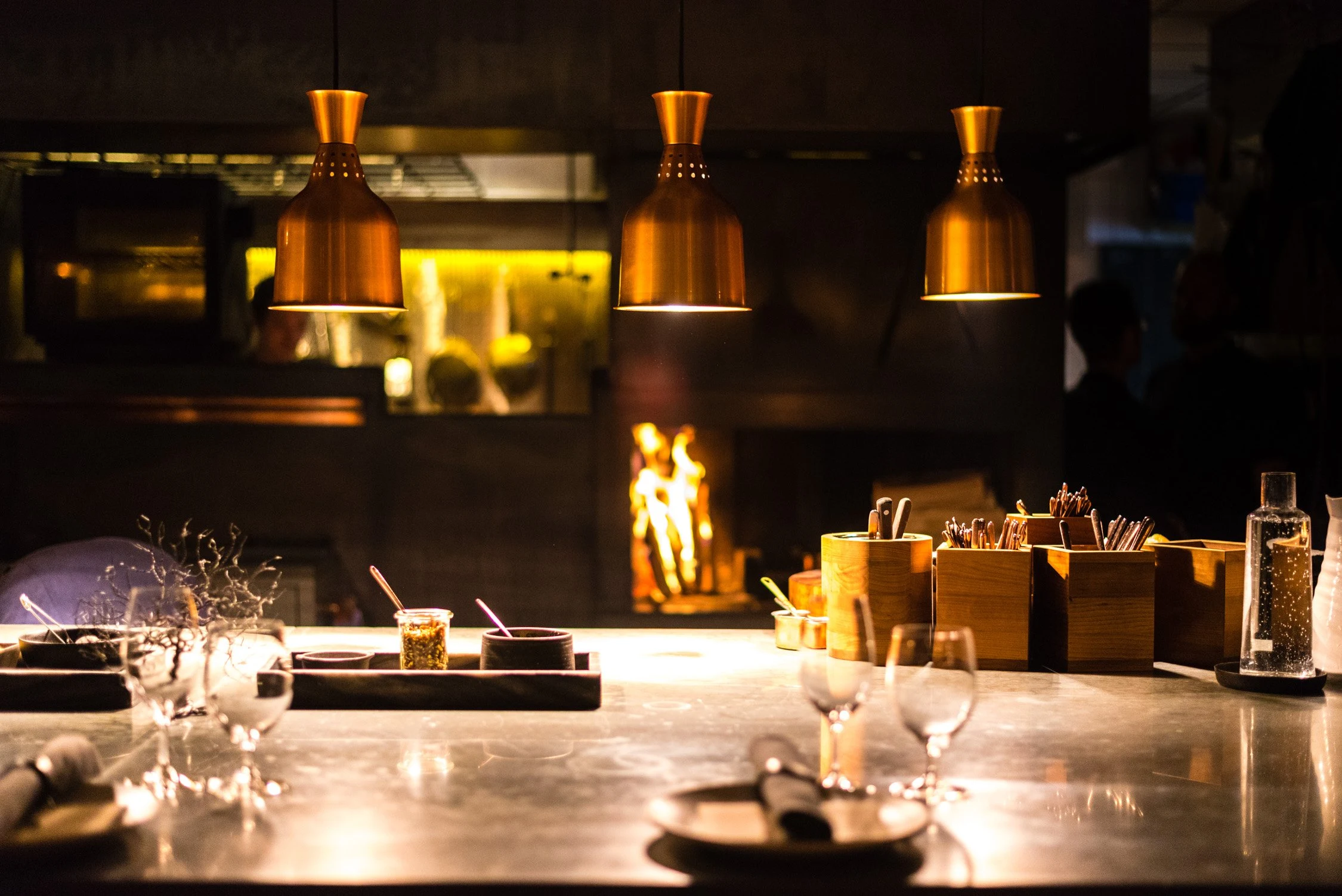
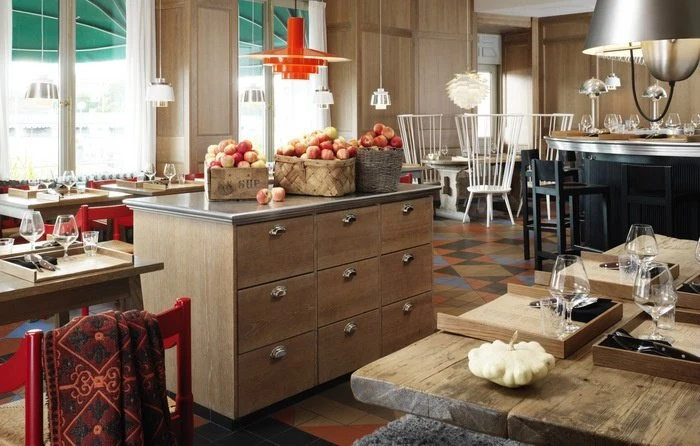
The room sits in counterpoint to the Grand Hôtel around it. Old-world hospitality surrounds Matsalen, yet the dining room itself keeps a modern, minimalist line, with linen, quiet service, and a formal rhythm at the pass. The effect is not theatrical. It is bench-side concentration carried into the room: plates leaving in sequence, wine arriving with enough distance to let the food speak first, the noise held low enough for the cutlery to mark the pace. The wine program draws from the hotel’s cellar, with natural wines, beers, and other drinks set against seafood, game, mushrooms, and Nordic produce. In that setting, restraint becomes the house language. A guest remembers the cold clarity of king crab, the soft Arctic char, the dark pull of mushroom purée on crisp bread.
Questions
Frequently asked
What kind of restaurant is Matsalen?
Matsalen is a modern Nordic fine dining restaurant in Norrmalm, Stockholm, inside the Grand Hôtel. Its cooking is built around natural Nordic cuisine, with purity, freshness, simplicity, and seasonal Swedish ingredients handled without excess.
Who is behind the kitchen at Matsalen?
Chef patron Mathias Dahlgren launched Matsalen alongside its sister room Matbaren after closing his one-star Bon Lloc. He brought with him the authority of a Bocuse d’Or gold medal won in 1997, the first for a Swedish cook and the second for a Scandinavian.
What is the dining format at Matsalen?
The restaurant has narrowed toward a single seasonal tasting format. Earlier menus moved between à la carte and tastings, but the current setup suits ingredients that arrive in small windows.
What should a guest expect on the plate?
The menu has featured Arctic char, king crab, porcini mushrooms, langoustines, oysters, caviar, cabbage, roe deer, beetroot, wild mushrooms, summer truffle, and crisp bread. The kitchen uses exact heat and restrained combinations, such as king crab on ice, pointed cabbage with oysters and caviar, and Jerusalem artichoke purée with wild mushrooms and a slow-poached egg.
Is booking needed at Matsalen?
Reservations are essential. The restaurant also uses a smart casual dress code.
The field
How it compares
| Place | Cuisine | Notes | Awards |
|---|---|---|---|
| Matsalen | Modern Nordic Fine Dining | Norrmalm, $$$$ | · |
| Adam / Albin | Modern Scandinavian Fine Dining | Stockholm | Michelin 1 Star |
| AIRA | Modern Nordic Seasonal Tasting Menu | Stockholm | Michelin 2 Stars |
| Ekstedt | Wood-Fire Nordic Fine Dining | Stockholm | Michelin 1 Star |
| Frantzén | Modern Nordic Fusion with Japanese Influences | Stockholm | Michelin 3 Stars, World's 50 Best |
| Nour | Nordic-Japanese Fusion | Stockholm | Michelin 1 Star |
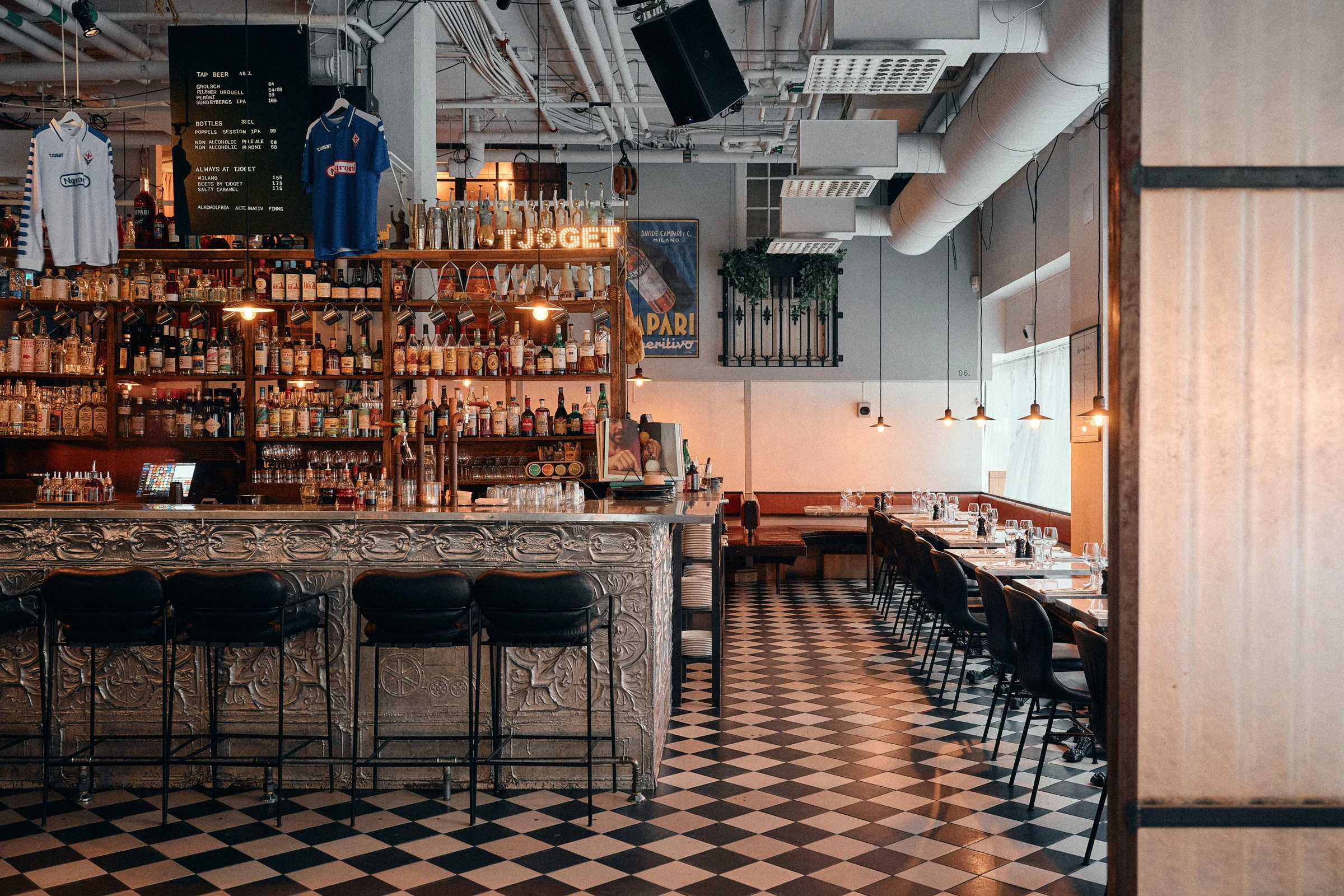
| Tjoget | Modern Mediterranean Small Plates | Stockholm | · |
Similar places
Modern Scandinavian Fine Dining
Adam / Albin
Stockholm, Sweden
★
Modern Nordic Seasonal Tasting Menu
AIRA
Stockholm, Sweden
★★
Wood-Fire Nordic Fine Dining
Ekstedt
Stockholm, Sweden
★
Modern Nordic Fusion with Japanese Influences
Frantzén
Stockholm, Sweden
★★★ · 50 Best
Nordic-Japanese Fusion
Nour
Stockholm, Sweden
★
Modern Mediterranean Small Plates
Tjoget
Stockholm, Sweden