Max Jäck
- 01CitySchriesheim, Germany
- Falstaff Winery - Listed · 2026
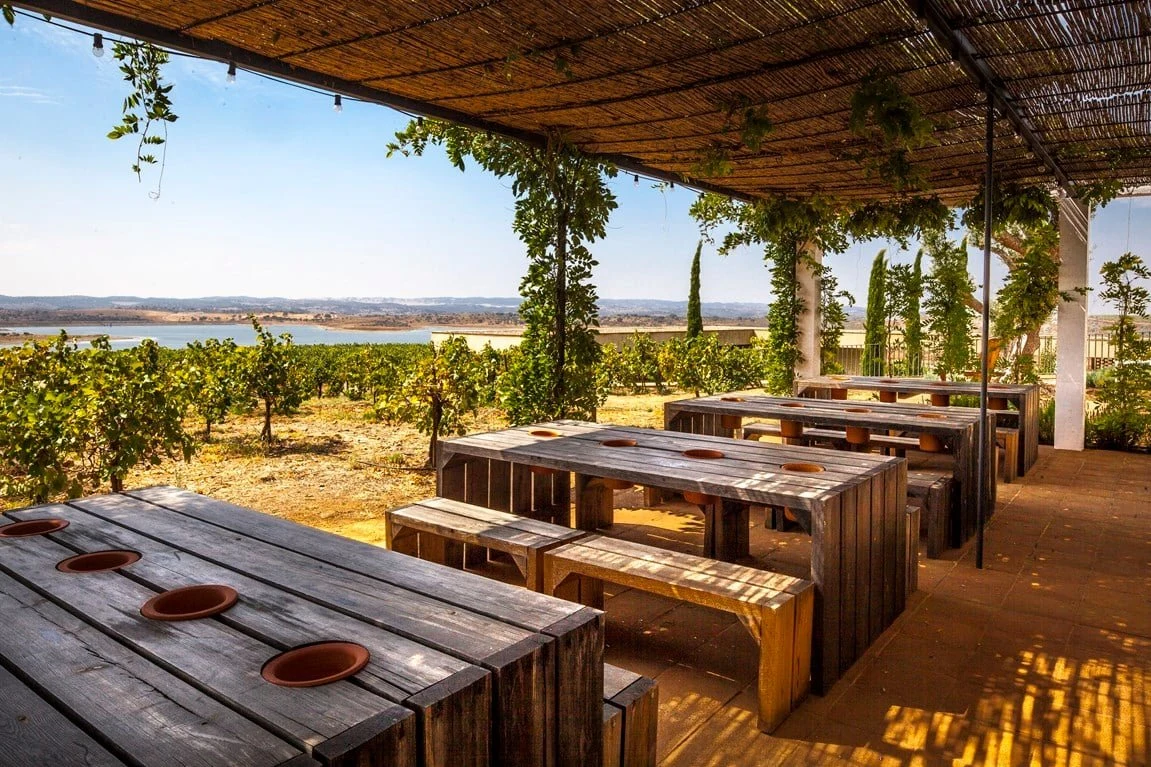
Max Jäck in Schriesheim is best understood as a Bergstrasse estate rather than as a conventional restaurant listing. The picture is of a young, nature-focused estate with a modern, minimalist approach to winemaking, set within a traditional family farm. That combination gives the place its main editorial identity: contemporary wines presented in a relaxed, rural atmosphere, with the farm context still visible rather than hidden behind a polished tasting-room narrative.
Because the confirmed information is deliberately limited, the most useful way to read Max Jäck is as a venue where setting and approach matter more than a long checklist of services. The estate includes a rustic event location and a hofladen, so the experience sits somewhere between farm visit, wine stop, and rural gathering place. What should not be assumed is a specific tasting format, menu, grape list, certification, service schedule, or hospitality package unless those details are confirmed directly with the venue.
A small Bergstrasse estate where farm context matters
Schriesheim gives Max Jäck its immediate frame. The description points to a traditional family farm setting, and that matters because it keeps the venue grounded in rural life rather than in the atmosphere of a stand-alone urban bar or restaurant. The appeal is not built around formality. It is closer to a countryside estate visit, where the farm, the hofladen, the rustic event space, and the contemporary wine identity all sit together.
The phrase “young, nature-focused” is the most reliable cue for the estate’s personality. It suggests a producer that wants the wines and the venue to feel current without losing the Bergstrasse farm context. The modern, minimalist approach to winemaking is also central to the profile. In editorial terms, that means Max Jäck should be presented through restraint, rural atmosphere, and estate identity, not through unsupported claims about specific grapes, production methods, awards, cellar techniques, or vineyard details.
For a traveler planning time in Schriesheim, this is a useful distinction. Max Jäck is not confirmed here as a lunch address, a full-service restaurant, a bar with a defined drinks program, or a destination with a published tasting structure. It is a Bergstrasse estate with wines, a hofladen, and a rustic event setting. Visitors should therefore treat the listing as a starting point for a rural wine-focused stop and confirm practical arrangements before building a schedule around it.
Terroir expression through organic farming and still wines
The safest reading is broader than a technical wine profile: Max Jäck presents itself through a nature-focused estate identity and a modern, minimalist winemaking approach. Those are meaningful claims, but they do not support a detailed account of varieties, farming certification, fermentation style, vineyard size, production volume, or specific wine categories. A fact-checked guide should not turn a concise venue profile into an invented technical dossier.
What can be said is that the estate belongs to the Bergstrasse context and emphasizes contemporary wines within a relaxed rural setting. That positioning will appeal to readers who value atmosphere, simplicity, and farm-level character. The hofladen adds a direct-sales element to the estate experience, while the rustic event location broadens the venue beyond a simple retail stop. Both details support the idea of a place where wine, farm, and gathering space overlap.
The price range is listed as $$, which places Max Jäck in an approachable middle bracket. Price alone does not define the experience, but it helps set expectations: this is not being framed as a luxury-only venue or a high-ceremony destination. It is better described as a relaxed Bergstrasse estate with a contemporary wine identity and rural family-farm atmosphere.
How to place it within a German wine itinerary
Max Jäck makes the clearest sense for travelers who want a Schriesheim stop rooted in a countryside estate rather than a dense urban dining circuit. The confirmed strengths are the nature-focused outlook, the minimalist winemaking approach, the traditional farm setting, the hofladen, and the rustic event location. Those are enough to give the venue a distinct role, but not enough to justify claims about specific opening hours, reservation rules, group formats, outdoor seating, parking, shipping, wine clubs, or food service.
Within Schriesheim, compare Max Jäck with other local dining and wine options only in broad terms. It is best positioned as a rural estate experience rather than as a standard restaurant meal. If the day’s plan depends on food, tasting availability, event access, or a particular service format, confirm those details directly before visiting.
The editorial read is simple: choose Max Jäck for a grounded Bergstrasse estate visit where a young, nature-focused outlook and a relaxed family-farm setting carry the story. It is a strong fit for travelers who want contemporary wines in a rural Schriesheim context, provided they verify practical details in advance.
Questions
Frequently asked
How expensive is Max Jäck?
Max Jäck is listed at a price level of $$.
The field
How it compares
| Place | Notes | Awards |
|---|---|---|
| Max Jäck | $$ | · |
| Domaine Georges Mugneret-Gibourg | Vosne-Romanée | · |
| Domaine Henri Jayer | Burgundy | · |
| Edmond Vatan | Vatan | · |
| Gaja | Barbaresco | World's 50 Best |
| Herdade do Esporão | Reguengos de Monsaraz | World's 50 Best |
| Weingut Bielig | Schriesheim | · |