Maysara Winery
In Residence
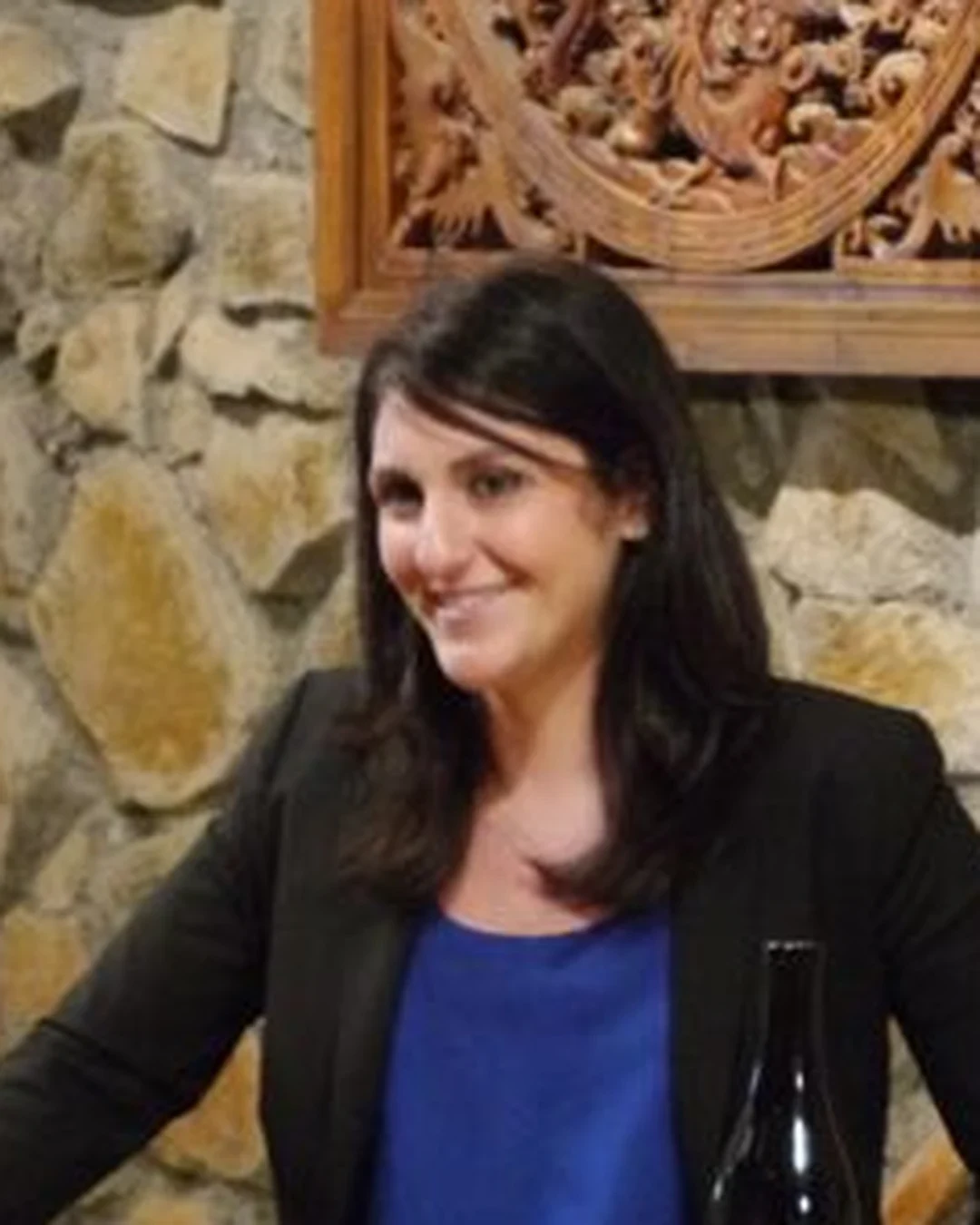
Tahmiene Momtazi
Winemaker
- 01CityMcMinnville, United States
- 02RecognitionWorld's 50 Best — No. 23
- World's 50 Best · #23 · World's 50 Best Restaurants
- World's 50 Best Best Vineyards #23 · 2025
- Pearl 2 Star Prestige · 2025
Where the Land Sets the Terms
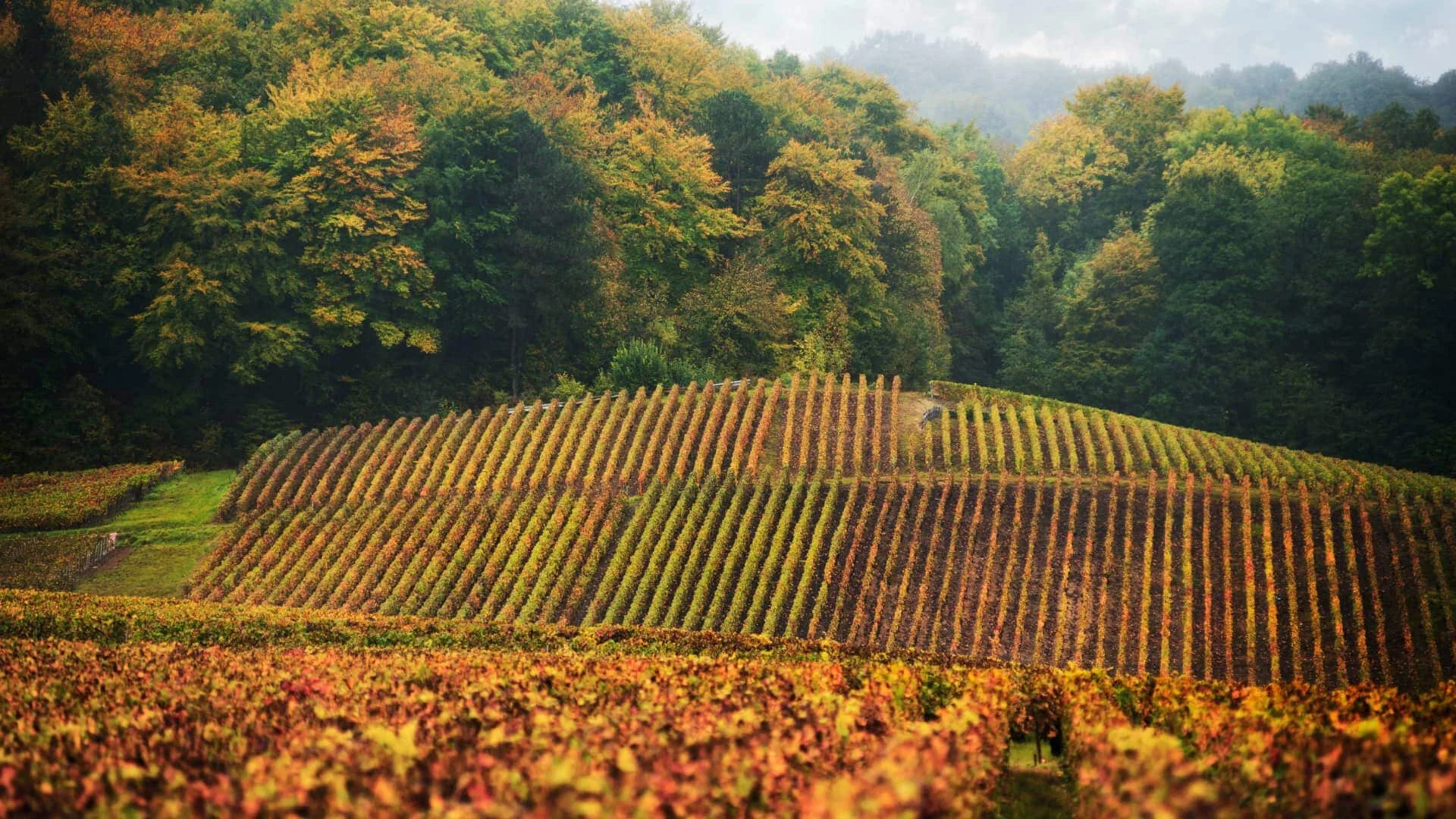
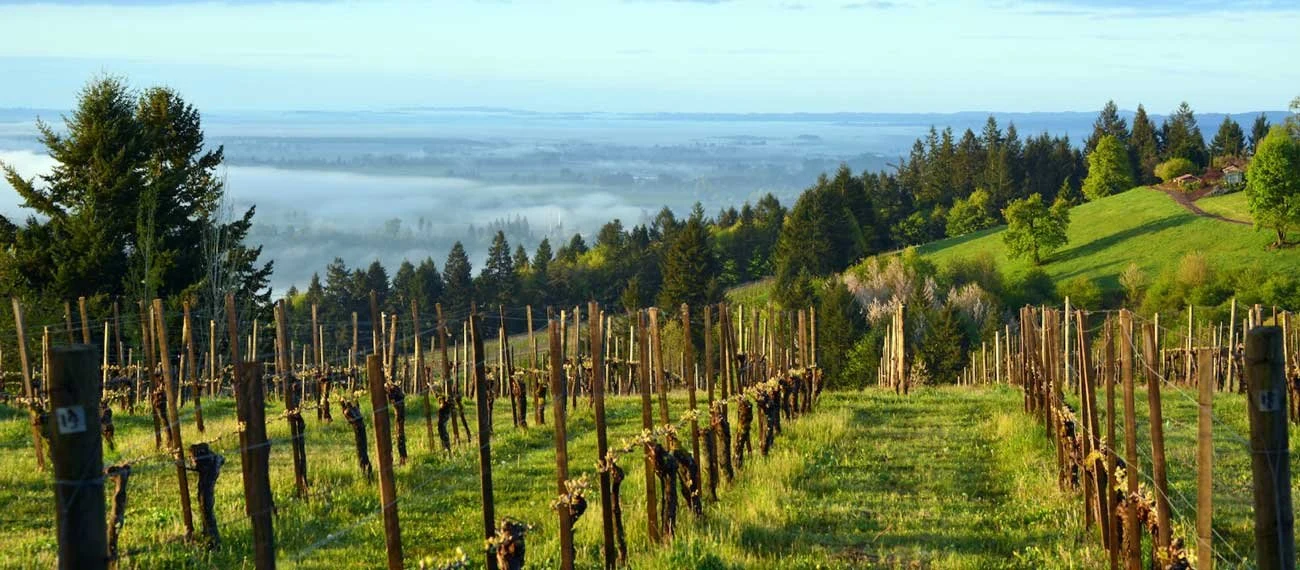
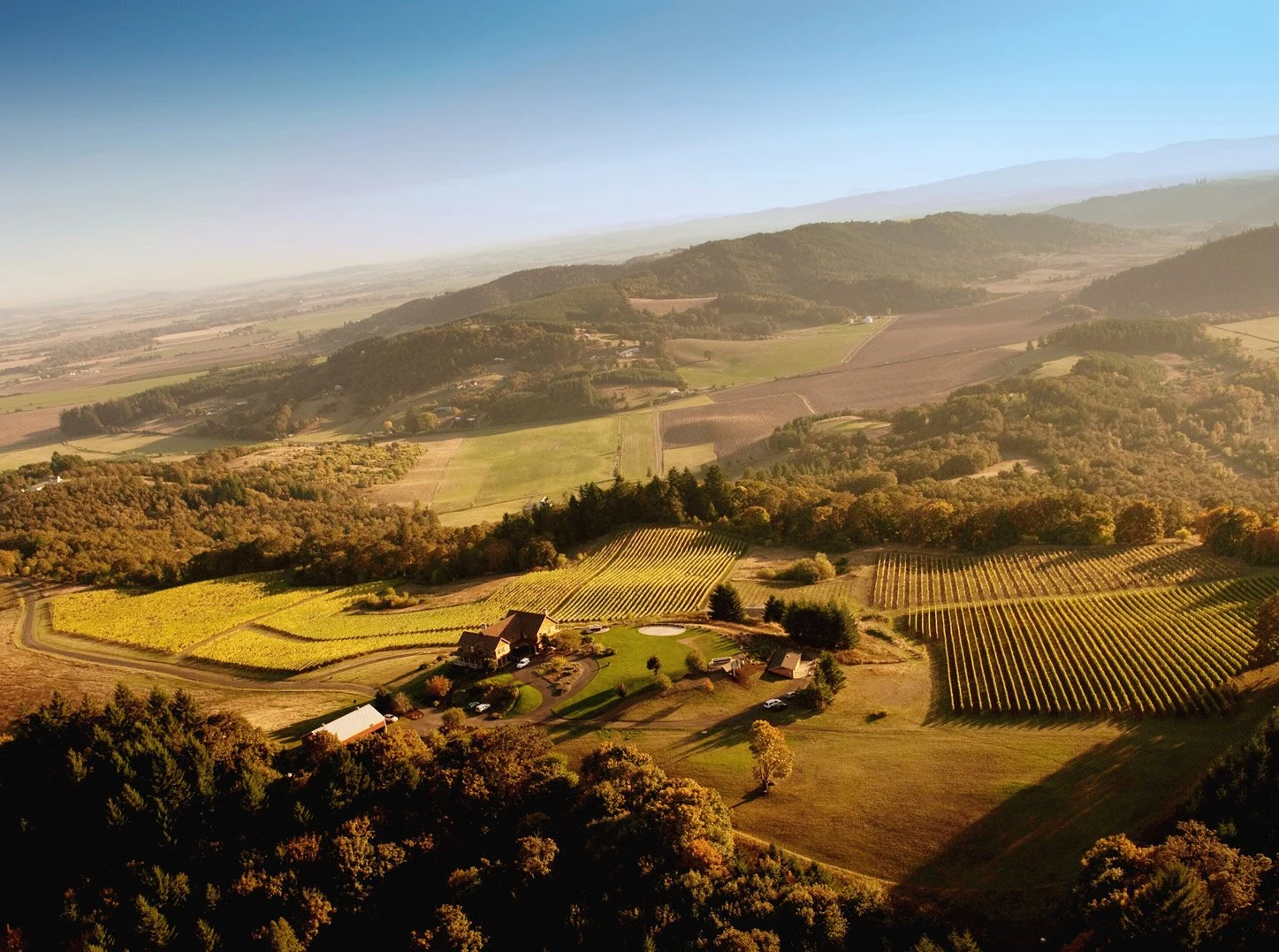
Drive south out of McMinnville on SW Muddy Valley Road and the terrain does most of the talking. The gentle elevation changes, the exposed hillside soils, the cooling marine air funnelled east through the Van Duzer Corridor, these are the forces that shaped the Willamette Valley's reputation for Pinot Noir long before any estate hung a sign. Maysara Winery sits inside that geography, on land that spent decades growing wheat before it was converted to vine. The transition matters: a farm that never saw synthetic inputs in its previous life was already most of the way to the chemical-free, biodynamic certification the estate has pursued since its founding in 1997. The soil remembers what wasn't done to it.
Biodynamic viticulture in the Willamette Valley is not a novelty act. The region's cool-climate conditions and fragile growing season reward farming systems that prioritise soil biology, water retention, and natural disease resistance, all central to biodynamic practice. What that means in the glass is typically a wine with finer tannin resolution, more site-specific mineral character, and less smoothing of vintage variation. Maysara's commitment to that approach over nearly three decades places it in a different conversation from estates that treat biodynamics as a marketing credential rather than a production discipline.
The Biodynamic Argument in a Cool-Climate Context
Oregon's Willamette Valley became one of the world's reference points for cool-climate Pinot Noir in part because its terroir is sufficiently marginal to make farming decisions audible in the wine. Unlike regions where ripeness arrives with consistency, Yamhill County demands attentiveness. The gap between a good vintage and a difficult one is real, and producers who farm with that variability in mind tend to make wines that reflect the year as much as the site.
Biodynamic farming amplifies that signal. By working without synthetic chemistry and calibrating interventions to lunar and astronomical calendars, the approach maximises what the soil contributes to the vine and minimises what the winemaker imposes on the fruit. For Pinot Noir, which is among the most site-transparent red varieties, the result is wines that carry a legible sense of place. Maysara's position on an estate converted from dryland wheat farming adds another layer: the soil structure here arrived at viticulture through a different agricultural history than most of its neighbours, which contributes to the site's individual character.
For comparison, estates like Adelsheim Vineyard in Newberg have built reputations across multiple Willamette sub-appellations, while Youngberg Hill, also in the McMinnville AVA, represents the other end of the scale-versus-specificity spectrum. Maysara occupies a position defined by single-estate biodynamic commitment and the particular character of its converted farmland south of town.
McMinnville AVA: What the Sub-Appellation Contributes
The McMinnville AVA was established in 2005, carved out from the broader Willamette Valley designation to recognise the distinct growing conditions of the hills west of the city. Compared to the Dundee Hills or the Chehalem Mountains, McMinnville's volcanic and marine sedimentary soils deliver wines with more pronounced mineral tension and a slightly broader textural profile. The higher elevations here also push harvest later, concentrating flavour development while preserving the acidity that defines Willamette Pinot at its clearest.
Maysara's address on SW Muddy Valley Road places it within that sub-appellation, and the estate's biodynamic practices interact with those soil characteristics in ways that register across vintages. The Van Duzer Corridor's cooling influence moderates the risk of over-ripeness, but it also narrows the harvest window, requiring precision in farming decisions. The biodynamic calendar-based approach to timing, for pruning, harvest, and cellar work, aligns with that narrowness rather than fighting it.
Other Pacific Northwest producers making a case for cool-climate terroir transparency include The Eyrie Vineyards, which was among the first to establish McMinnville as a serious Pinot address. The broader California conversation about what terroir-driven, lower-intervention winemaking looks like plays out differently at estates such as Au Bon Climat in Santa Barbara and Alban Vineyards in Arroyo Grande, where warmer conditions shift the variables entirely. The Willamette Valley argument remains specifically about what marginal coolness and volcanic soil can produce when the farming stays out of the way.
Planning a Visit
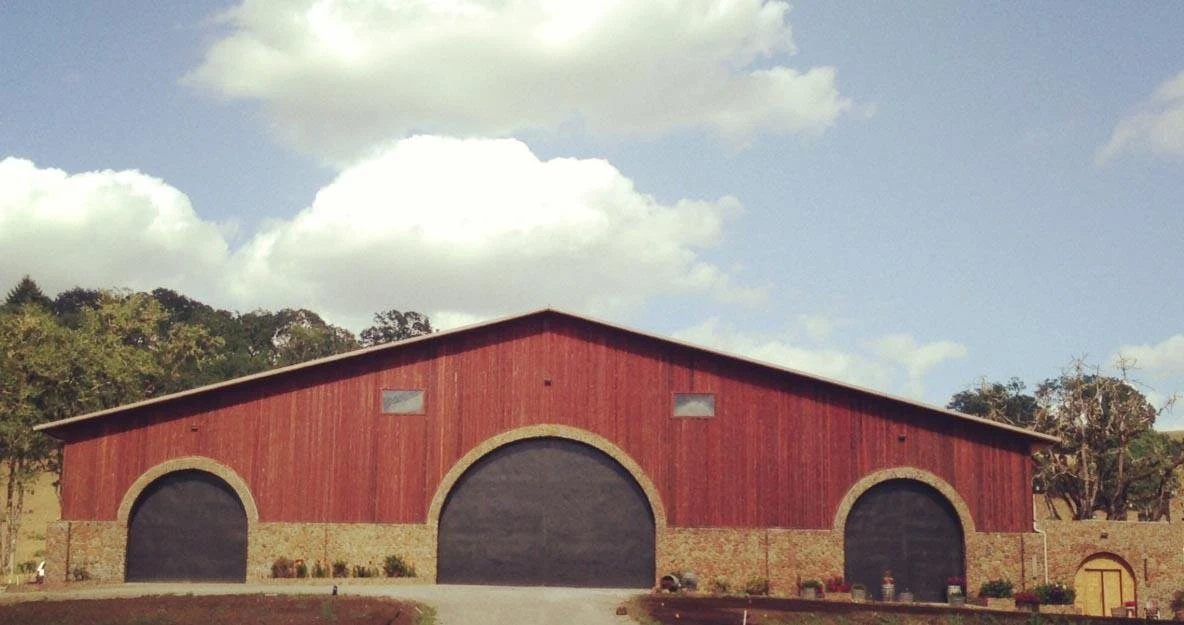
The tasting room at 15765 SW Muddy Valley Rd is open seven days a week, by reservation recommended. That said, arriving without a plan misses the more rewarding option: the locally curated charcuterie board, designed to serve three to four people, requires 48 hours' notice to arrange. Book it in advance if you intend to spend time with the wines rather than rushing through a quick pour. The combination of a biodynamic estate tasting with a thoughtfully assembled local charcuterie represents the format at its most useful, food and wine from the same geographic conversation, at the same table.
Maysara is ranked No. 23 on The World’s 50 Best.
How Maysara Sits Within a Wider Oregon Conversation
Oregon's wine identity has been debated and refined since David Lett planted Pinot Noir in the Willamette Valley in the late 1960s. The estate model, single site, consistent farming philosophy, direct-to-consumer tasting room, became central to how the state positions itself against Burgundy comparisons. What distinguishes the current generation of Willamette producers is less the grape variety, which is largely settled, and more the farming approach and the question of how much the winemaker should intervene.
Maysara's biodynamic commitment since 1997, maintained across nearly three decades, places it among the estates that answered that question early and held the position. Across the American wine scene, the chemical-free and biodynamic credential is now more common at prestige operations, from Accendo Cellars in St. Helena to Adelaida Vineyards in Paso Robles to Andrew Murray Vineyards in Los Olivos. In each case, the claim is that the farming philosophy registers in the wine's transparency and longevity. Maysara's version of that argument is grounded in the specific character of its converted wheat-farm site and the marginal, demanding conditions of the McMinnville AVA.
For context on how the biodynamic model operates across different American wine regions, estates like Alexander Valley Vineyards in Geyserville, Alpha Omega Winery in Rutherford, Artesa Vineyards and Winery in Napa, Aubert Wines in Calistoga, and Aberlour and Achaia Clauss in their respective regions each demonstrate how farming philosophy intersects with appellation identity in distinct ways. The comparison sharpens what Maysara is doing: not translating a philosophy from elsewhere, but applying it to the specific soil memory and climatic constraints of a single Oregon hillside.
Questions
Frequently asked
What recognition does Maysara Winery hold?
Maysara Winery holds a place on the World's 50 Best list at number 23.
Who works at Maysara Winery?
Made By profiles Tahmiene Momtazi (Winemaker) at Maysara Winery.
How expensive is Maysara Winery?
Maysara Winery is listed at a price level of $$.
The field
How it compares
| Place | Awards | Notes |
|---|---|---|
| Maysara Winery | World's 50 Best #23 | McMinnville AVA, $$ |
| Chateau Petrus | · | Pomerol |
| Château Rayas | · | Châteauneuf-du-Pape |
| Nyetimber | World's 50 Best | Horsham |
| Ruinart | World's 50 Best | Reims |
| The Eyrie Vineyards | · | McMinnville |
| Youngberg Hill | · | McMinnville |