- Michelin Plate · 2026
- Opinionated About Dining Top Restaurants in Asia Recommended · 2026
- Michelin Plate · 2025
- Michelin Plate · 2024
Thirty-Six Floors Above the Huangpu
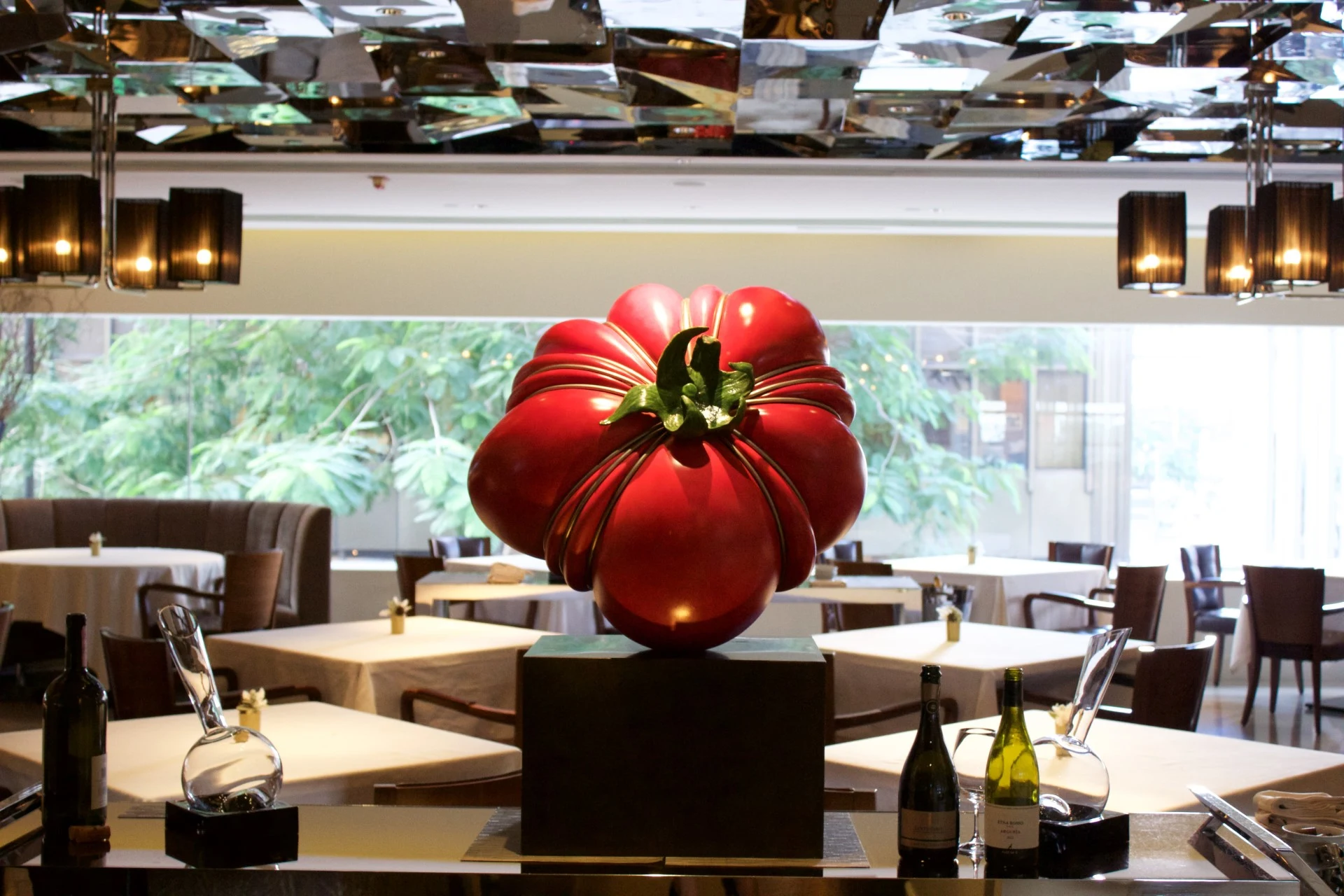
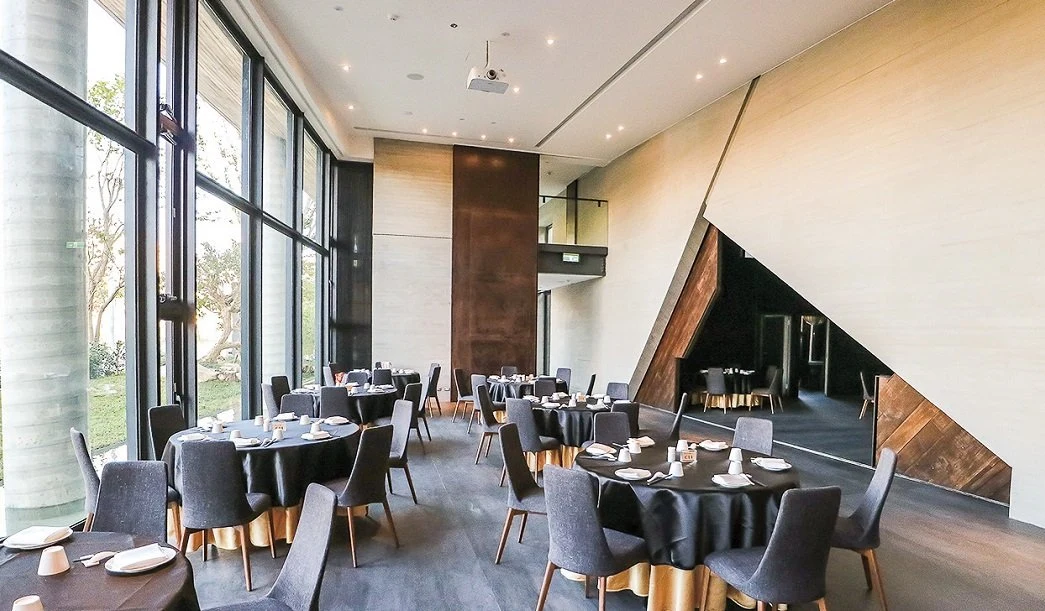
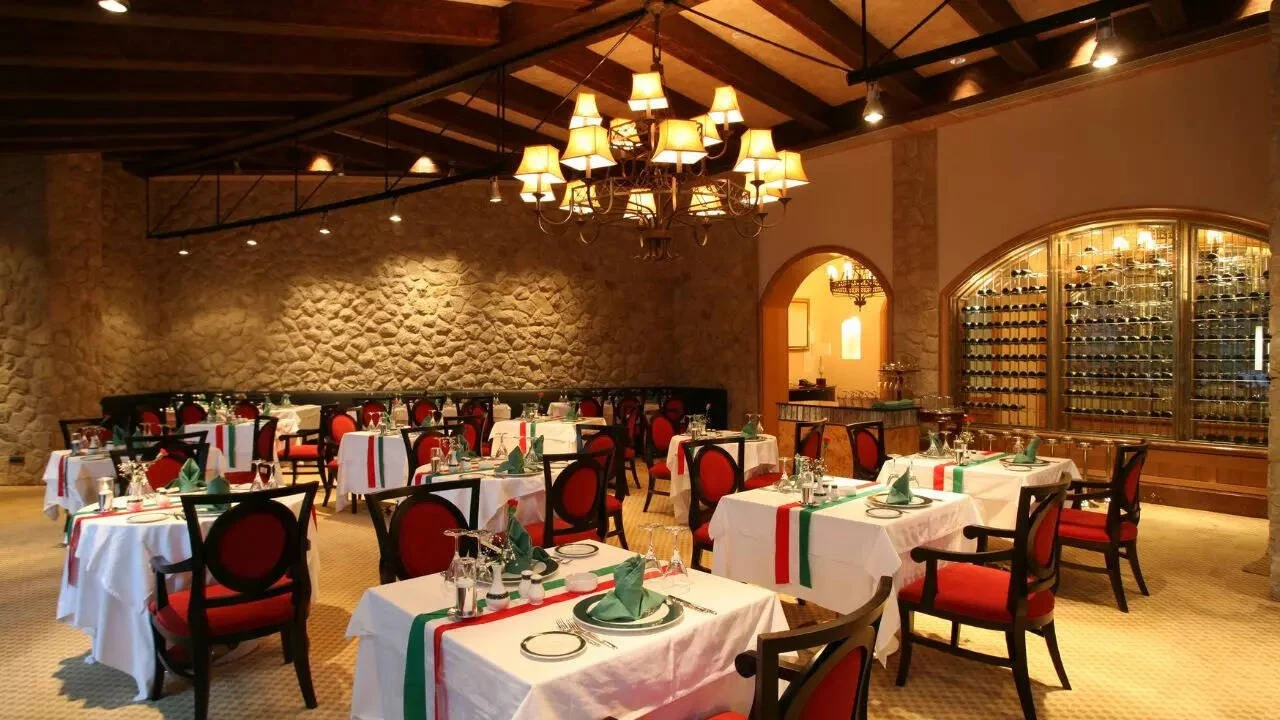
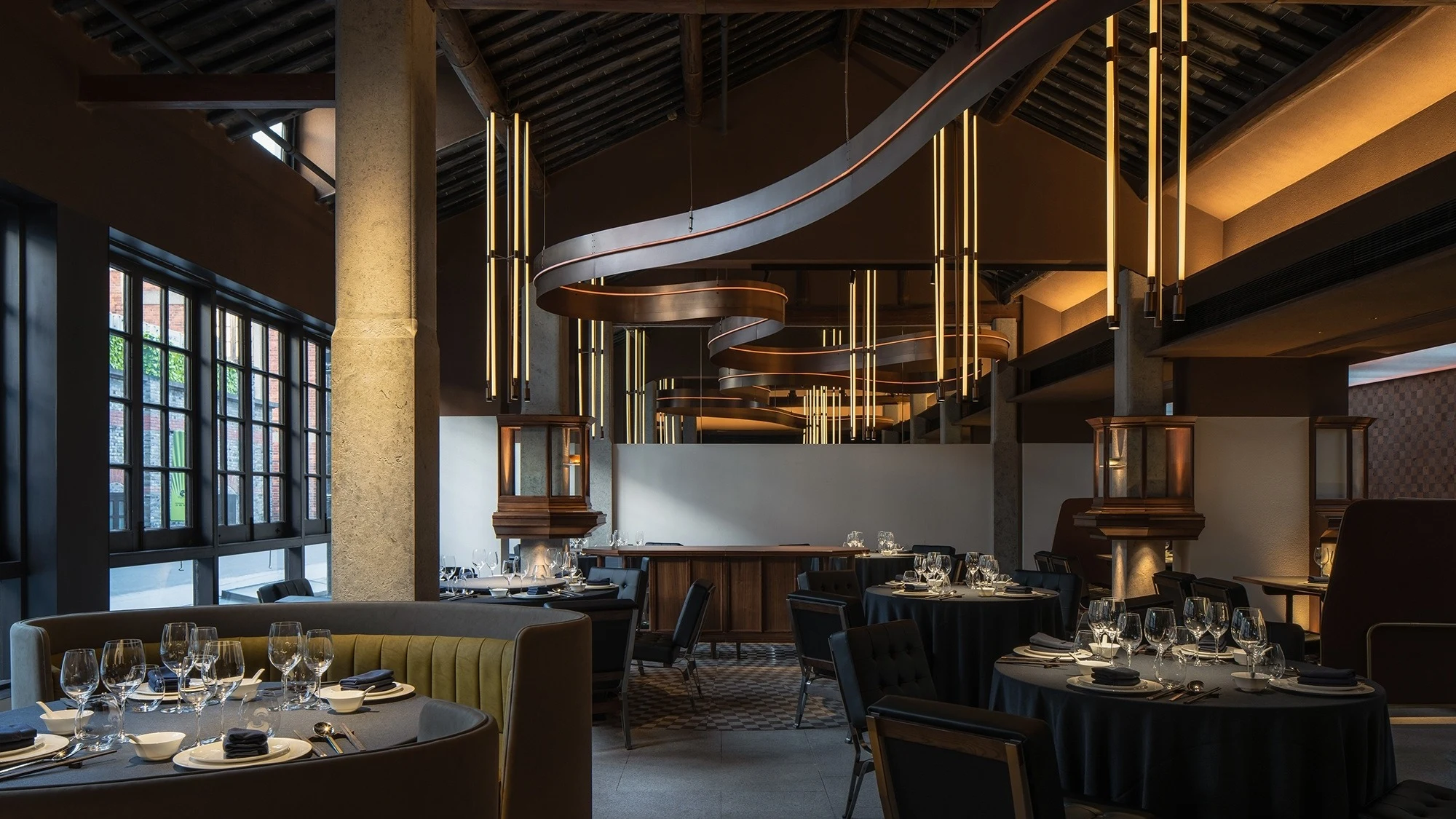
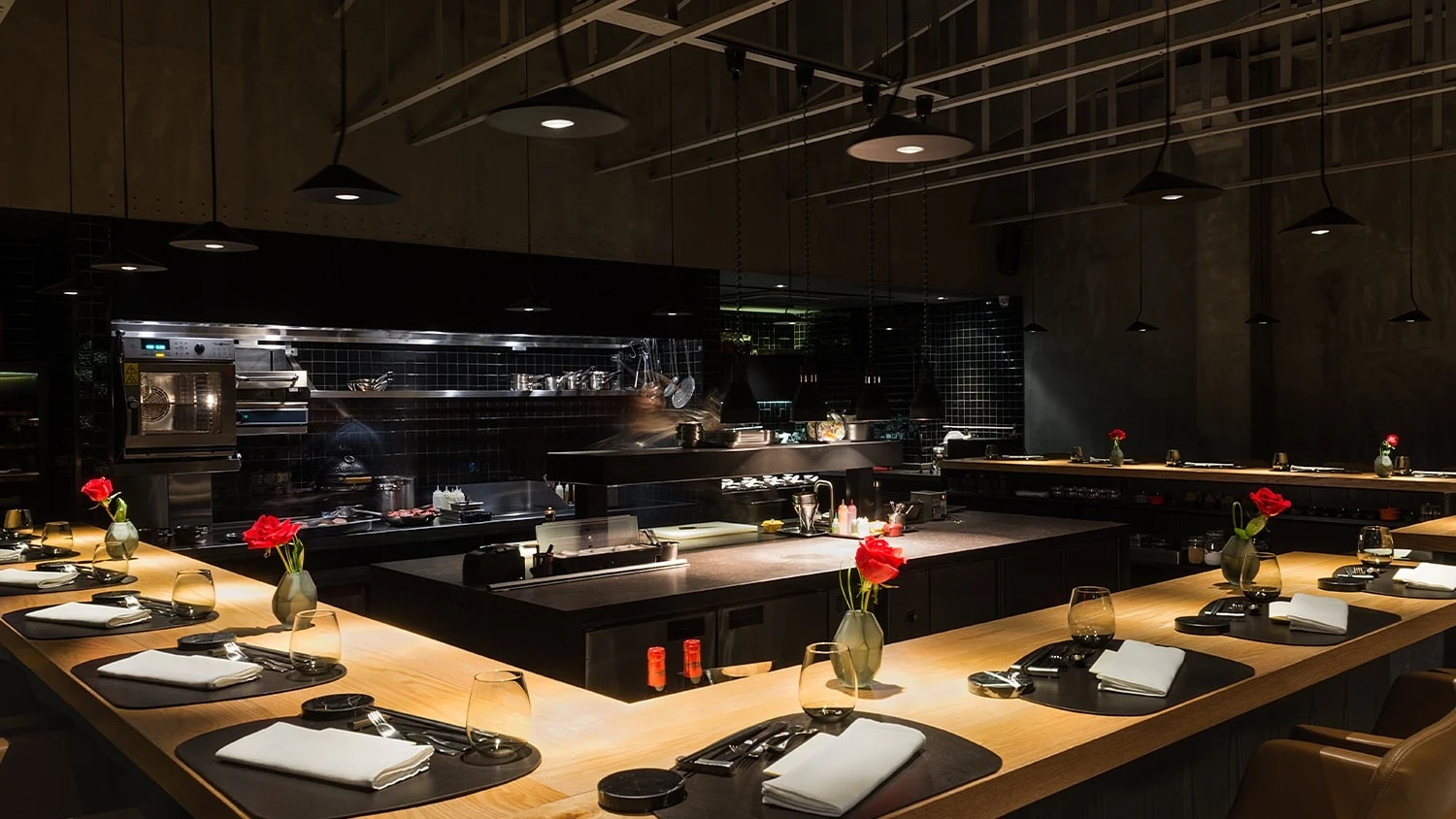
There are restaurants with views, and then there are restaurants where the view becomes part of the argument for the food. Three on the Bund, the landmarked 1916 building at 3 Zhongshan East First Road, has long housed both kinds. Mercato occupies the 36th floor, which means the sweep of the Huangpu River and the Pudong skyline arrive as context before a single dish does. That physical positioning is not incidental to the experience: the room sets expectations at a register that the kitchen is then asked to meet.
Shanghai's Italian dining tier has become more stratified over the past decade. At the leading sits 8 1/2 Otto e Mezzo Bombana, which carries the full weight of Umberto Bombana's Michelin pedigree from Hong Kong. Below that, a cluster of ¥¥¥-tier addresses compete on a different axis: ingredient sourcing, format discipline, and how faithfully they translate regional Italian cooking to a Shanghai dining room. Mercato sits in that middle-upper bracket, holding consecutive Michelin Plate recognition in 2024 and 2025, the guide's signal that the kitchen is cooking at a consistent and commendable level, even without a star. In that sense it belongs to the same conversation as Scarpetta and Arva.
The Provenance Argument
Italian cooking, at its most serious, is a cuisine of protected designations and obsessive sourcing. The DOP system, Denominazione di Origine Protetta, exists precisely because a Parmigiano-Reggiano aged in Parma and a generic hard cheese are not the same product, regardless of what they look like on a plate. The question worth asking at any Italian restaurant operating outside Italy is how much of that logic survives the translation. At Mercato, under Chef Kelvin Chai, the kitchen's orientation is toward ingredient purity rather than technique spectacle. That approach tends to reveal itself in restraint: fewer sauces designed to compensate for produce that couldn't make the journey, more reliance on the material itself arriving in a state worth showcasing.
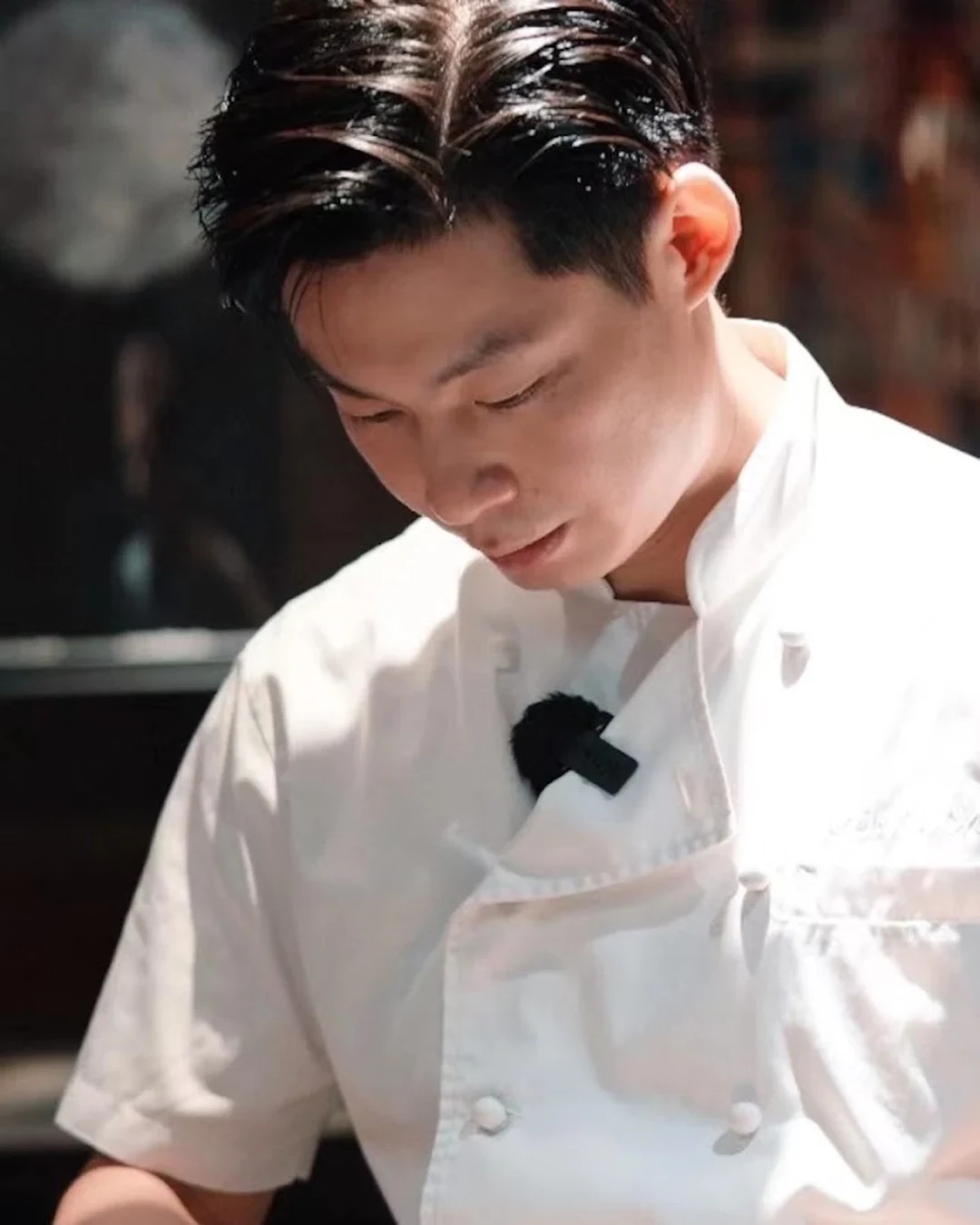
Mercato, under Chef Kelvin Chai, keeps the focus on ingredient purity rather than technique spectacle. What the Michelin Plate, awarded consecutively, suggests is that the inspectors found the cooking credible on its own terms. That credential matters more in context here than it might in Milan or Rome, where the baseline is higher and the sourcing infrastructure more direct. In Shanghai, consistency at this level across two guide cycles is a meaningful signal.
For a sense of how ingredient-led Italian cooking translates elsewhere in Asia, the comparison extends across the region. cenci in Kyoto applies a similar restraint-led philosophy at the intersection of Italian and Japanese produce logic. 8 1/2 Otto e Mezzo Bombana in Hong Kong represents the starred tier of that same regional conversation. Mercato operates at a different register than either, but the underlying question, what does Italian ingredient discipline look like when the supply chain stretches across continents, connects all three.
Where It Fits in the Bund's Dining Geography
The Bund corridor has long attracted restaurants that price against the view as much as the food. That dynamic creates a filtering effect: diners who arrive at a 36th-floor address expecting to be impressed tend to benchmark differently than those seeking neighbourhood value. Mercato operates within that logic. At ¥¥¥, it prices at the same tier as Scarpetta and sits one tier below the ¥¥¥¥ addresses like Fu He Hui, which operates in an entirely different cuisine category but occupies a comparable prestige position in the city's premium dining conversation.
Shanghai's non-Chinese restaurant scene has matured considerably since the early 2000s. The current generation of addresses, Mercato among them, is positioning against a more internationally mobile, cuisine-literate local clientele. That shift changes what the kitchen needs to get right.
For those tracking premium dining across mainland China, comparable reference points include Xin Rong Ji in Beijing, Ru Yuan in Hangzhou, Xin Rong Ji in Chengdu, Chef Tam's Seasons in Macau, Imperial Treasure Fine Chinese Cuisine in Guangzhou, and Dai Yuet Heen in Nanjing. For Italian elsewhere in the city's dining orbit, Frasca and Cellar to Table round out the local Italian and wine-led options worth knowing.
Know Before You Go
Address: 36th Floor, Three on the Bund, 3 Zhongshan East First Road, Huangpu District, Shanghai 200002
Cuisine: Italian
Price range: ¥¥¥
Chef: Kelvin Chai
Awards: Michelin Plate 2024; Michelin Plate 2025
7 (73 reviews)
Booking: Recommended
Questions
Frequently asked
Who works at Mercato?
Made By profiles Kelvin Chai (Chef) at Mercato.
How expensive is Mercato?
Mercato is listed at a price level of $$$$.
Where is Mercato and what does it serve?
Mercato is in Lan Ni Du, Shanghai, serving Modern Italian.
The field
How it compares
| Place | Cuisine | Notes | Awards |
|---|---|---|---|
| Mercato | Modern Italian | Lan Ni Du, $$$$ | · |
| 8 1/2 Otto e Mezzo Bombana (Shanghai) | Modern Italian Fine Dining | Shanghai | Michelin 2 Stars |
| 102 House | Traditional Cantonese Banquet | Shanghai | Michelin 2 Stars, World's 50 Best |
| Fu He Hui | Modern Seasonal Vegetarian Fine Dining | Shanghai | Michelin 2 Stars, World's 50 Best |
| Ling Long Shanghai | Modern Chinese Fine Dining | Shanghai | Michelin 1 Star, World's 50 Best |
| Meet the Bund | Modern Fujianese Fine Dining | Shanghai | Michelin 1 Star, World's 50 Best |
| Taian Table | Modern European with Asian Influences | Shanghai | Michelin 3 Stars |
In residence
Similar places
Modern Italian Fine Dining
8 1/2 Otto e Mezzo Bombana (Shanghai)
Shanghai, China
★★
Traditional Cantonese Banquet
102 House
Shanghai, China
★★ · 50 Best
Modern Seasonal Vegetarian Fine Dining
Fu He Hui
Shanghai, China
★★ · 50 Best
Modern Chinese Fine Dining
Ling Long Shanghai
Shanghai, China
★ · 50 Best
Modern Fujianese Fine Dining
Meet the Bund
Shanghai, China
★ · 50 Best
Modern European with Asian Influences
Taian Table
Shanghai, China
★★★