Made ByDistillery Tasting Room
Mezcal Benevá
- 01CityMacuilxóchitl de Artigas Carranza, Mexico
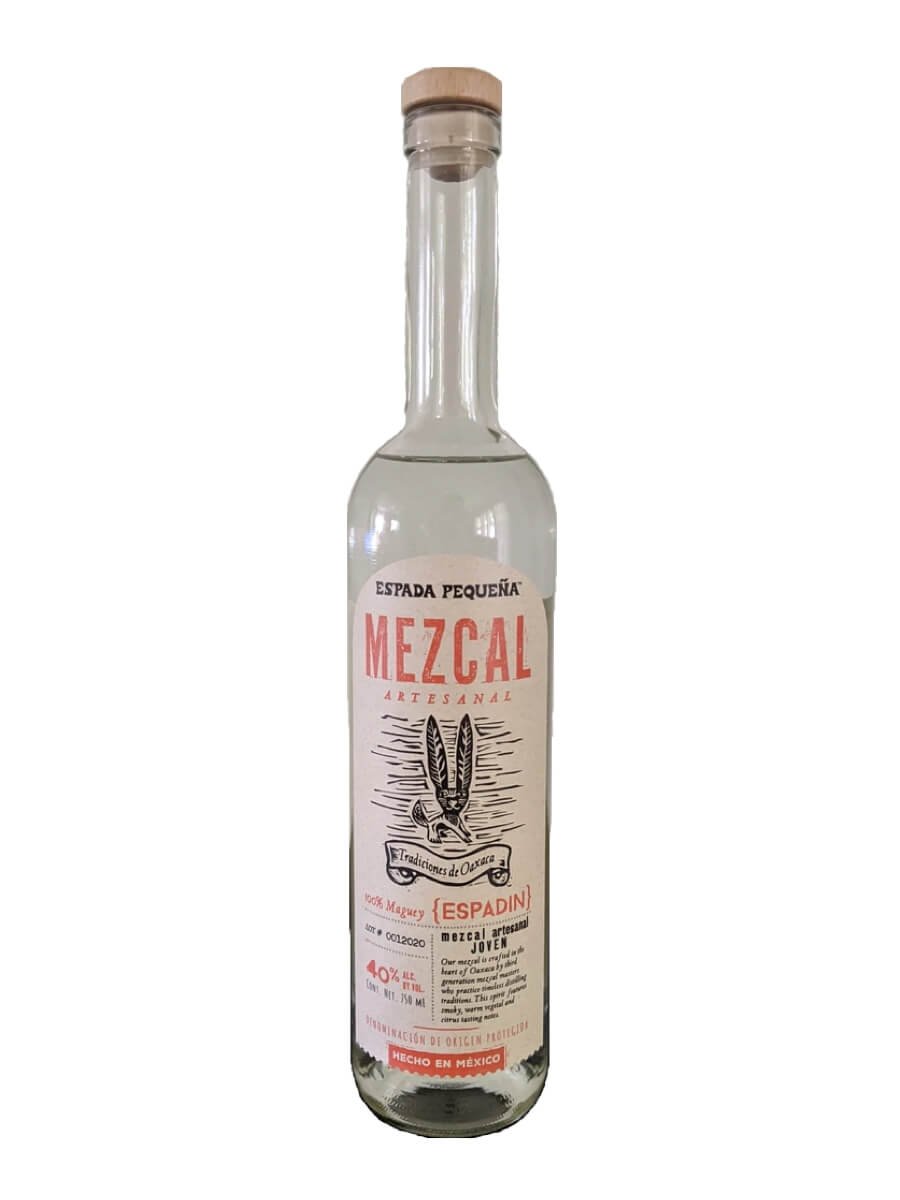
Mezcal Benevá operates from kilometre 22 of the Oaxaca–Istmo highway in Macuilxóchitl de Artigas Carranza, a village that sits at the centre of one of Mexico's most concentrated mezcal-producing corridors. The palenque earned a Pearl 2 Star Prestige rating in 2025, placing it in the upper tier of Oaxacan mezcal producers recognised for terroir fidelity and craft consistency. For those tracing the agave spirits of the Central Valleys, it is a deliberate stop.
At a glance
- Price
- $$
- Neighborhood
- Macuilxóchitl de Artigas Carranza
Where the Road Meets the Agave
The Oaxaca–Istmo highway at kilometre 22 is not a dramatic address. The road cuts through the dry scrubland of the Central Valleys, past fields where wild and cultivated agave species grow in conditions that vary sharply from the higher, cooler slopes of the Sierra Juárez to the north. Macuilxóchitl de Artigas Carranza is a small community within the municipality of San Jerónimo Tlacochahuaya, and it sits at an altitude and latitude that have shaped the character of mezcal production in this corridor for generations. Mezcal Benevá is located here, along that highway route, operating as a palenque within a region where the physical environment is not incidental to the product, it is the product.
This is the editorial context that matters: the Central Valleys of Oaxaca represent one of the highest concentrations of mezcal producers in Mexico, and the corridor between Oaxaca City and the Isthmus of Tehuantepec passes through a succession of villages each with their own agave varieties, underground roasting traditions, and fermentation microclimates. Macuilxóchitl sits roughly 22 kilometres from the state capital, close enough to the city to be accessible, far enough into the valley floor to carry the particular dry-heat character that defines the zone's spirits.
Terroir as the Central Argument
In mezcal, terroir is not a borrowed concept from wine, it is the foundational logic of how the spirit is made and where its flavour comes from. The agave plant, unlike a grape vine, takes between seven and thirty years to mature depending on the species, and in that time it absorbs the mineral content of its soil, the temperature swings of its altitude, and the particular hydrology of its location. In the Central Valleys around Macuilxóchitl, the soils are predominantly clay and alluvial, the altitude runs between 1,500 and 1,700 metres, and the rainfall is concentrated in a short summer season that leaves the landscape dry and sun-exposed for much of the year. These are the conditions that shape what a palenque in this corridor is working with before any production decision is made.
Mezcal Benevá's 2025 Pearl 2 Star Prestige recognition from EP Club places it within the upper tier of producers the platform has assessed for craft consistency and terroir expression. That rating functions as a comparative signal: in a region with dozens of active producers, a two-star prestige award indicates a level of production discipline that goes beyond volume output. For reference, this is the same awards framework that has assessed operations across the Mexican spirits corridor, from Los Danzantes in Santiago Matatlán to Don Amado in Santa Catarina Minas, both of which sit in the Tlacolula Valley arm of the same broader Central Valleys system.
The Oaxacan Mezcal Corridor in Context
Understanding where Mezcal Benevá sits requires understanding how the mezcal geography of Oaxaca has developed. The denomination of origin for mezcal covers a broad territory across Mexico, but Oaxaca accounts for the majority of production volume and virtually all of its most studied craft producers. Within Oaxaca, production clusters around several distinct sub-regions: the Tlacolula Valley running southeast from the city, the Ejutla and Miahuatlán corridors to the south, and the closer-in villages of the Central Valleys proper, including the San Jerónimo Tlacochahuaya municipality where Macuilxóchitl is located.
Producers in this inner ring of the Central Valleys operate in a different register from the larger-volume operations that have grown with international export demand. The scale tends to be smaller, the agave sourcing more localised, and the methods closer to the traditional palenque model: in-ground roasting pits for the agave hearts, open fermentation in wooden or stone vessels, and distillation in clay or copper pot stills. This production model makes each batch sensitive to the specific agave harvest and the ambient conditions at fermentation, which is precisely what makes terroir legible in the finished spirit. Comparable mezcal operations assessed on this platform include Banhez (UPADEC cooperative) in San Miguel Ejutla and Casa Cortés in La Compañía (Ejutla), both operating further south in valleys where soil profiles and agave species shift enough to produce a noticeably different character in the glass.
The broader Mexican spirits picture extends well beyond Oaxaca's mezcal zone. Tequila's industrial and craft producers in Jalisco, including Jose Cuervo (La Rojeña), La Primavera (Don Julio), Casa Herradura, and Cazadores, represent a structurally different production model: high-volume, blue agave only, autoclave and diffuser technology common in the premium tier. Mezcal in Oaxaca, particularly at the palenque level, operates on a different premise entirely, with multi-species agave use, artisanal production certification, and batch-to-batch variation treated as evidence of authenticity rather than inconsistency. Also worth noting in the broader spirits context: El Pandillo (G4) in Jesús María and Hacienda Corralejo in Pénjamo represent the highlands tequila tradition, while operations like Lágrimas de Dolores in Durango extend agave spirit production into northern Mexico's distinct climate conditions. Against this spread, Oaxacan mezcal at the craft level, and Benevá within that, is making an argument about place specificity that few other spirits categories can match.
Planning a Visit
Mezcal Benevá is located at kilometre 22 of the Carretera Oaxaca–Istmo, within the community of Macuilxóchitl de Artigas Carranza in the municipality of San Jerónimo Tlacochahuaya. The drive from Oaxaca City follows Federal Highway 190 southeast, passing through the valley floor before reaching Macuilxóchitl, a route that also passes several other noted mezcal villages and archaeological sites, making it a natural itinerary for those organising a fuller Central Valleys circuit. Visitors should confirm access arrangements before travelling. The road itself is the address, and visitors should plan ahead if they want to arrange a visit.
Know before you go
- Dress code
- casual
- Reservations
- walk_in_friendly
- Parking
- on_site_lot
- Payment
- cash, credit_card
Frequently asked
What's the general vibe of Mezcal Benevá?
This is a production-first destination on the Oaxaca–Istmo highway, kilometre 22, where the Central Valleys scrubland functions as context rather than backdrop. The 2025 Pearl 2 Star Prestige recognition signals serious craft credentials, and the setting in Macuilxóchitl de Artigas Carranza places it squarely within the mezcal denomination of origin — not a tourist-facing bar, but a working producer with a point of view on terroir.
What recognition does Mezcal Benevá have?
Mezcal Benevá has received recognition including: Pearl 2 Star Prestige (2025).
What do visitors recommend trying at Mezcal Benevá?
The draw here is the mezcal itself, made within one of Oaxaca's most established agave-growing corridors. Given Benevá's Pearl 2 Star Prestige award (2025), the spirits tied to its core production line are the reason to make the drive out to km. 22 — tasting through expressions that reflect the specific soils and microclimates of the Central Valleys is the point of the visit.
Where is Mezcal Benevá located?
Mezcal Benevá is located at Carretera Oaxaca Istmo, km. 22 s/n, Macuilxóchitl de Artigas Carranza, San Jerónimo Tlacochahuaya, Oaxaca, 70461, México, Macuilxóchitl de Artigas Carranza.
Address
Carretera Oaxaca Istmo, km. 22 s/n, Macuilxóchitl de Artigas Carranza, San Jerónimo Tlacochahuaya, Oaxaca, 70461, México
Macuilxóchitl de Artigas Carranza
How it compares
Mezcal Benevá
- Cuisine
- Agave Espadín
- Price
- $$
- Awards
- 1 recognition
- Notes
- Macuilxóchitl de Artigas Carranza
El Buho
- Cuisine
- Winery
- Price
- —
- Awards
- 1 recognition
- Notes
- Santiago Matatlán
El Rey de Matatlán
- Cuisine
- espadín
- Price
- $$
- Awards
- 1 recognition
- Notes
- Tlacolula de Matamoros
Los Javis
- Cuisine
- Espadin, Arroqueño
- Price
- $$
- Awards
- 1 recognition
- Notes
- Santiago Matatlán
Fidencio
- Cuisine
- Espadín, Maguey Mexicano
- Price
- $$
- Awards
- 1 recognition
- Notes
- Santiago Matatlán
Convite (single palenque)
- Cuisine
- Espadín, Coyote
- Price
- $$$
- Awards
- 1 recognition
- Notes
- San Baltazar Guelavila