Made ByRestaurant
midi
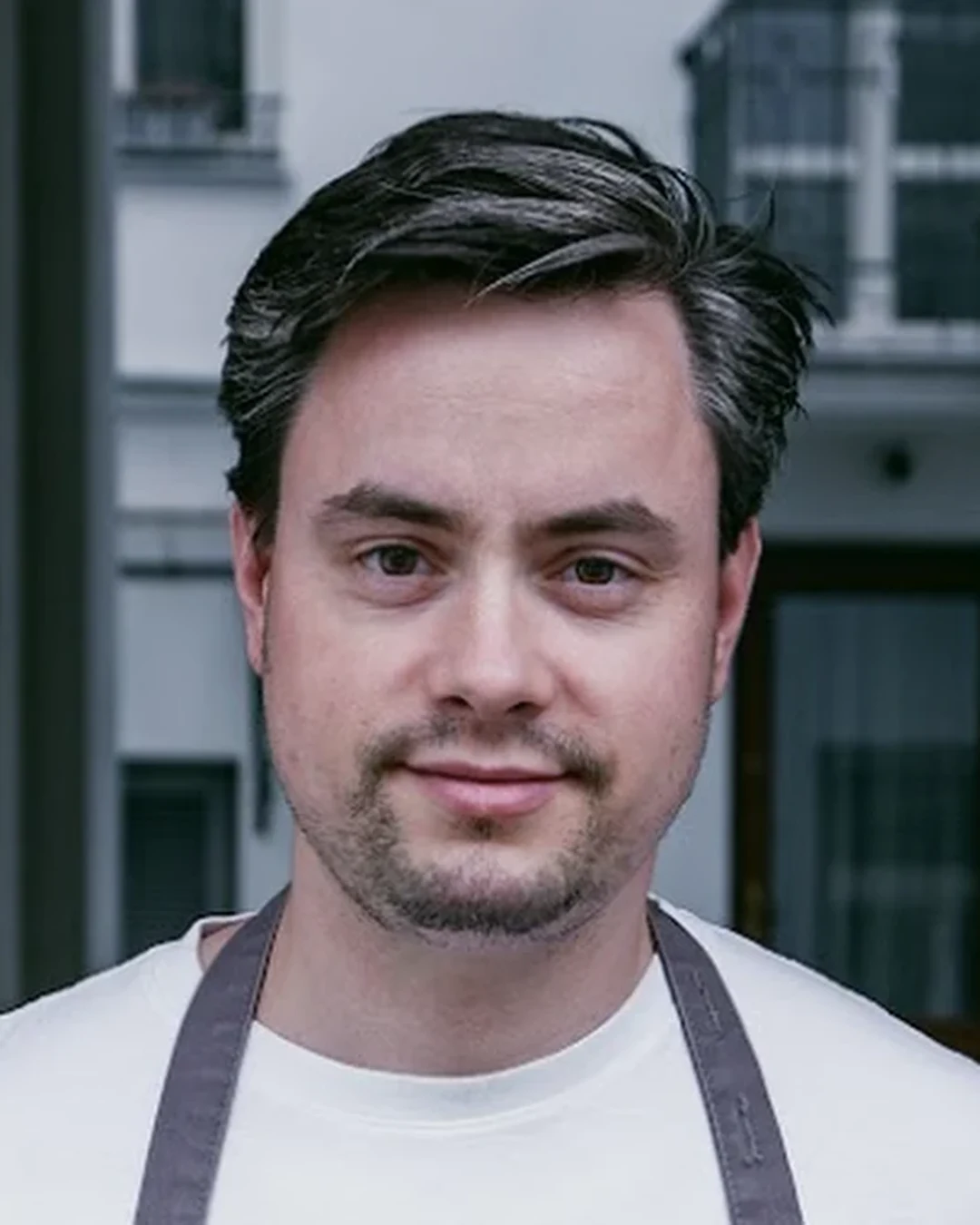
Chef in Residence
Witek Iwański
Chef
- 01CuisineModern European Fine Dining
- 02CitySankt Ingbert, Germany
- 03RecognitionOne Michelin Star
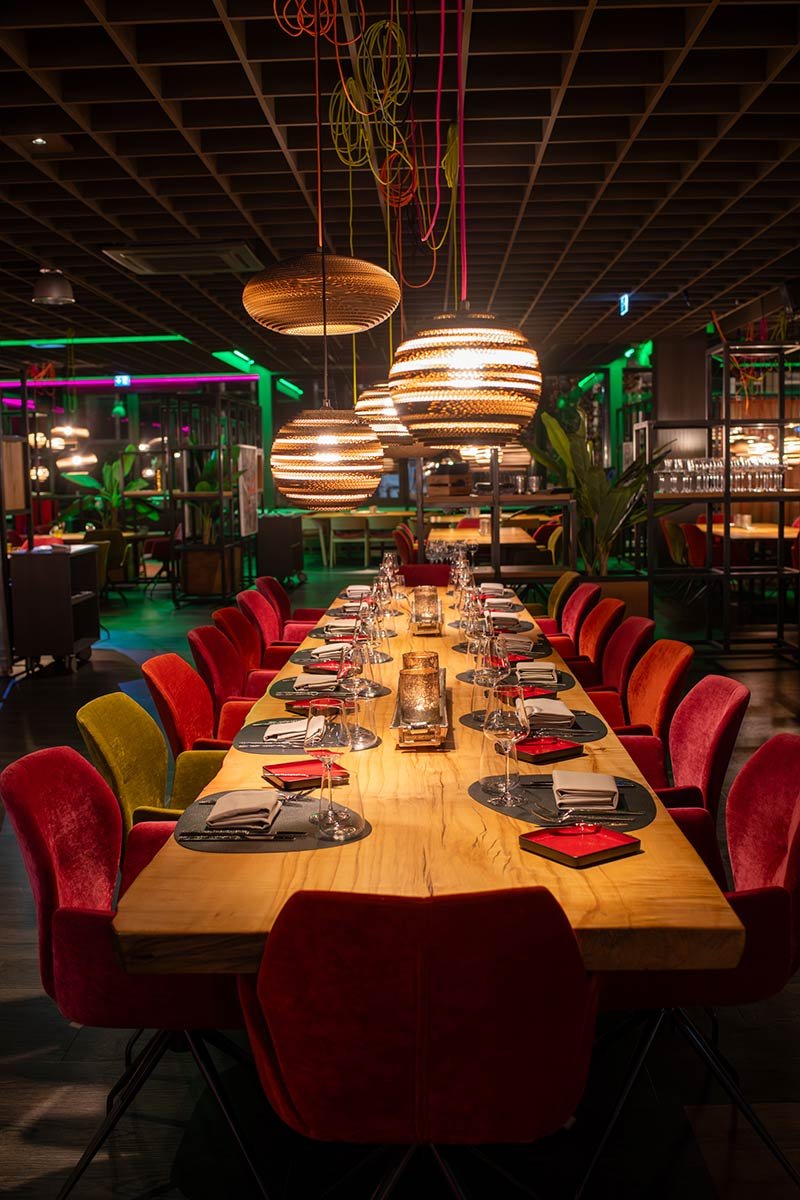
A Michelin-starred creative restaurant in Sankt Ingbert's Saarland, midi under Chef Witek Iwański has held its star consecutively since 2024, placing it among the region's most recognised fine-dining addresses. Priced at the €€€ tier, it operates in a category where creative cuisine meets Central European restraint, accessible enough to draw visitors from across the Saarland corridor, serious enough to warrant the detour.
- 1 Michelin Star
At a glance
- Cuisine
- Modern European Fine Dining
- Price
- $$$$
- Per person
- $150
- Hours
- Mon: Closed; Tue: 6:30–11 PM; Wed: 6:30–11 PM; Thu: 6:30–11 PM; Fri: 6:30–11 PM; Sat: 6:30–11 PM; Sun: Closed
- Neighborhood
- St. Ingbert
- Rating
- 4.6 (287)
<h2>A Quiet City, a Serious Kitchen</h2><p>midi is a one-star restaurant in Sankt Ingbert, Germany, at Ernst-Heckel-Straße 4. This mid-sized Saarland city, sitting between Saarbrücken and Kaiserslautern, has no single emblematic culinary district, no well-worn pilgrim route for restaurant tourists. What it has is a small cluster of kitchens that punch above their postcode, and midi, at Ernst-Heckel-Straße 4, sits at the top of that cluster. Its Michelin star signals a kitchen operating with consistent technical command.</p><p>Germany's creative fine-dining tier has expanded considerably over the past decade. Kitchens like <a href="https://www.enprimeurclub.com/restaurants/coda-dessert-dining-berlin-restaurant">CODA Dessert Dining in Berlin</a> and <a href="https://www.enprimeurclub.com/restaurants/aqua-wolfsburg-restaurant">Aqua in Wolfsburg</a> have demonstrated that the country's appetite for experimentation extends well beyond its classical French-influenced tradition. midi belongs to this broader movement: a €€€-tier restaurant built around creative cuisine rather than the grand-hotel formality that characterises older Michelin addresses such as <a href="https://www.enprimeurclub.com/restaurants/vendome-bergisch-gladbach-restaurant">Vendôme in Bergisch Gladbach</a> or <a href="https://www.enprimeurclub.com/restaurants/schwarzwaldstube-baiersbronn-restaurant">Schwarzwaldstube in Baiersbronn</a>.</p><h2>Creative Cuisine and What That Label Actually Means</h2><p>The "creative" designation covers a wide range of cooking in Europe, from technique-driven modernism to produce-focused minimalism to neo-bistro eclecticism. In Germany's starred tier, it has come to describe kitchens that decline easy classification by national tradition or classical school. Rather than anchoring the menu to French technique or regional German identity, these restaurants build dishes from a more personal and often less codified logic: seasonal ingredient relationships, cross-cultural reference points, and formats that treat the tasting menu as an open-ended compositional form.</p><p>Chef Witek Iwański's presence at midi introduces a Central European dimension to this creative framework. Polish culinary heritage intersects with the Saarland's own Franco-German duality, this is a region that spent decades alternating between French and German governance, and its food culture reflects that layered identity. The creative category, then, is not a dodge of tradition but a deliberate positioning that allows the kitchen to draw from multiple wells without pledging allegiance to one. Comparable ambitions are visible at addresses like <a href="https://www.enprimeurclub.com/restaurants/essenz-grassau-restaurant">ES:SENZ in Grassau</a> and <a href="https://www.enprimeurclub.com/restaurants/jan-munich-restaurant">JAN in Munich</a>, where chefs with international formation have shaped menus that sit outside any single national tradition.</p><p>At the European level, the creative fine-dining model has strong precedents. <a href="https://www.enprimeurclub.com/restaurants/alleno-paris-au-pavillon-ledoyen-paris-restaurant">Alléno Paris au Pavillon Ledoyen</a> operates a hyper-technical creative program in the French capital, while <a href="https://www.enprimeurclub.com/restaurants/enrico-bartolini-milan-restaurant">Enrico Bartolini in Milan</a> demonstrates how Italian ingredients can serve as a canvas for ideas that exceed the national canon. midi operates on a smaller scale than either, but the positioning logic is the same: originality over category compliance.</p><h2>The Saarland Dining Context</h2><p>Saarland is Germany's smallest state by area and among its least discussed on national food media. That relative quiet is partly structural: the region lacks the tourist infrastructure of Bavaria or Baden-Württemberg, and its industrial history, coal, steel, glass, does not immediately suggest a fine-dining ecosystem. But Saarland's French border proximity has long shaped its palate. The influence of Alsatian and Lorraine cooking traditions sits in the regional background, even when individual restaurants choose not to foreground it explicitly.</p><p>Within Sankt Ingbert specifically, the fine-dining offer is concentrated. <a href="https://www.enprimeurclub.com/restaurants/atama-by-martin-stopp-sankt-ingbert-restaurant">ATAMA by Martin Stopp</a> and <a href="https://www.enprimeurclub.com/restaurants/die-alte-brauerei-sankt-ingbert-restaurant">Die Alte Brauerei</a> form part of the city's broader restaurant picture, but midi's Michelin recognition places it in a distinct tier. A Google rating of 4.6 from 265 reviews adds a ground-level signal: the kitchen's reputation holds outside the professional critic circuit. For a city of Sankt Ingbert's size, that sustained recognition across both institutional and public-facing metrics is notable.</p><p>Visitors travelling specifically for midi will find the Saarbrücken–Kaiserslautern rail corridor provides reasonable access, with Saarbrücken approximately 15 kilometres to the west. Those building a multi-day itinerary around the region's dining offer should consult our full Sankt Ingbert restaurants guide for broader context on the city's food scene.</p><h2>Pricing and Peer Positioning</h2><p>At the €€€€ tier, midi occupies a different position from the €€€€ addresses that dominate Germany's leading Michelin list. Kitchens like <a href="https://www.enprimeurclub.com/restaurants/restaurant-haerlin-hamburg-restaurant">Restaurant Haerlin in Hamburg</a>, <a href="https://www.enprimeurclub.com/restaurants/schanz-piesport-restaurant">Schanz in Piesport</a>, or <a href="https://www.enprimeurclub.com/restaurants/waldhotel-sonnora-dreis-restaurant">Waldhotel Sonnora in Dreis</a> operate at a price point and formality level that presupposes a specific kind of occasion visit. midi's lower price tier suggests a different proposition: accessible enough for a considered regular visit, serious enough for the Michelin Guide to have recognised it twice running.</p><p>That €€€ positioning with a single star held consecutively places midi in a competitive comparable set that includes some of Germany's most interesting younger fine-dining addresses, restaurants where kitchen ambition has outrun the pricing signals that might suggest otherwise. For readers making a value-conscious case for a dinner stop in Saarland, this bracket matters.</p><h2>Planning a Visit</h2><p>Planning details are best confirmed directly with the restaurant before travelling. The address, Ernst-Heckel-Straße 4, 66386 St. Ingbert, places it in the city's central zone. Given the Michelin star and public rating, reservation lead time should be factored into any planning, particularly for weekend dates.</p><h2>What midi Signals About the Region</h2><p>The broader pattern midi represents is worth noting across Germany's smaller cities. Michelin recognition has historically clustered in spa towns, resort destinations, and grand hotel settings, environments that provide a ready-made audience for fine dining. Sankt Ingbert fits none of those categories. Its starred kitchen exists because of kitchen quality and local support, not because the hospitality infrastructure around it pulls in external visitors by default.</p><p>That is the more interesting model for where European fine dining is heading. Cities like Piesport, Dreis, and Grassau, each home to recognised kitchens, demonstrate that geography is no longer a limiting factor for culinary ambition. midi, with Michelin recognition and a stable public reputation, belongs to that pattern. It is not a symbol of Saarland trying to punch above its weight; it is evidence that the creative fine-dining tier in Germany is geographically distributed in ways the traditional fine-dining map has been slow to acknowledge.</p><div class="faq-section">
Know before you go
- Dress code
- smart_casual
- Reservations
- essential
- Payment
- credit_card
- Groups
- Welcomed
Frequently asked
Who is the chef or culinary lead at midi?
The chef associated with midi is Witek Iwański.
What dish is midi famous for?
midi operates under a creative cuisine designation, a category that resists signature-dish reductions by design. Chef Witek Iwański has held a Michelin star consecutively since 2024, which points to consistency and technical depth rather than a single calling-card plate. For current menu specifics, contacting the restaurant directly at Ernst-Heckel-Straße 4, Sankt Ingbert is the most reliable route.
How much does it cost to eat at midi?
Pricing at midi is listed as €€€.
Where exactly is midi?
midi is located at Ernst-Heckel-Straße 4, 66386 St. Ingbert, Germany, Sankt Ingbert.
Address
Ernst-Heckel-Straße 4, 66386 St. Ingbert, Germany
St. Ingbert
How it compares
- Cuisine
- Modern European Fine Dining
- Awards
- Michelin 1 Star
- Notes
- St. Ingbert, $$$$
- Cuisine
- Creative French Gourmet
- Awards
- Michelin Plate
- Notes
- St. Ingbert, $$$
Mon Asia Sushi & BBQ St. Ingbert
- Cuisine
- Asian Fusion Sushi & BBQ
- Awards
- —
- Notes
- Maxplatz, $$
- Cuisine
- Contemporary French Fine Dining with Asian Influences
- Awards
- Michelin 2 Star
- Notes
- St. Ingbert, $$$$
- Cuisine
- Modern Creative German
- Awards
- Michelin 1 Star
- Notes
- Neustadt/Süd, $$$$
- Cuisine
- Modern German Fine Dining
- Awards
- Michelin 1 Star
- Notes
- $$$$
In residence
Similar places
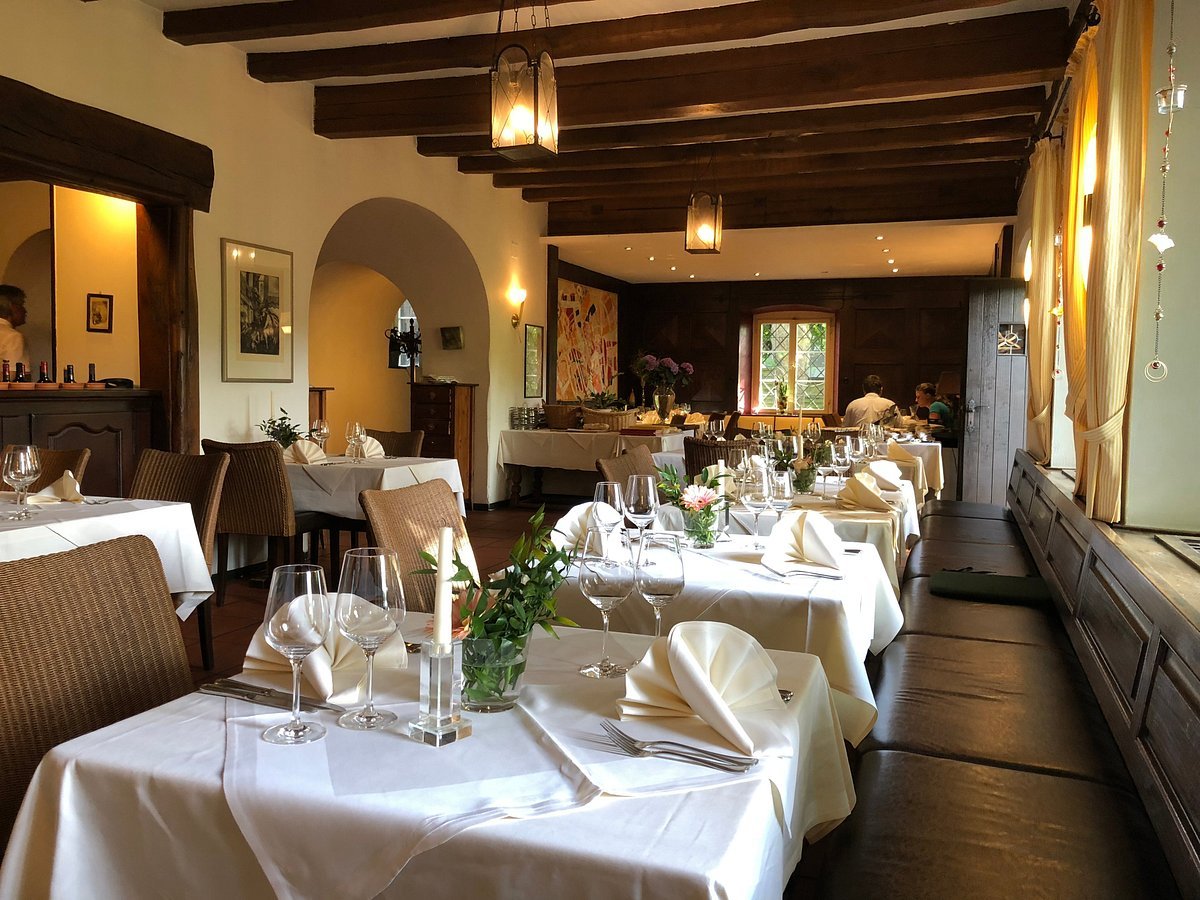
Contemporary French Fine Dining with Asian Influences
ATAMA by Martin Stopp
Sankt Ingbert, Germany
★★
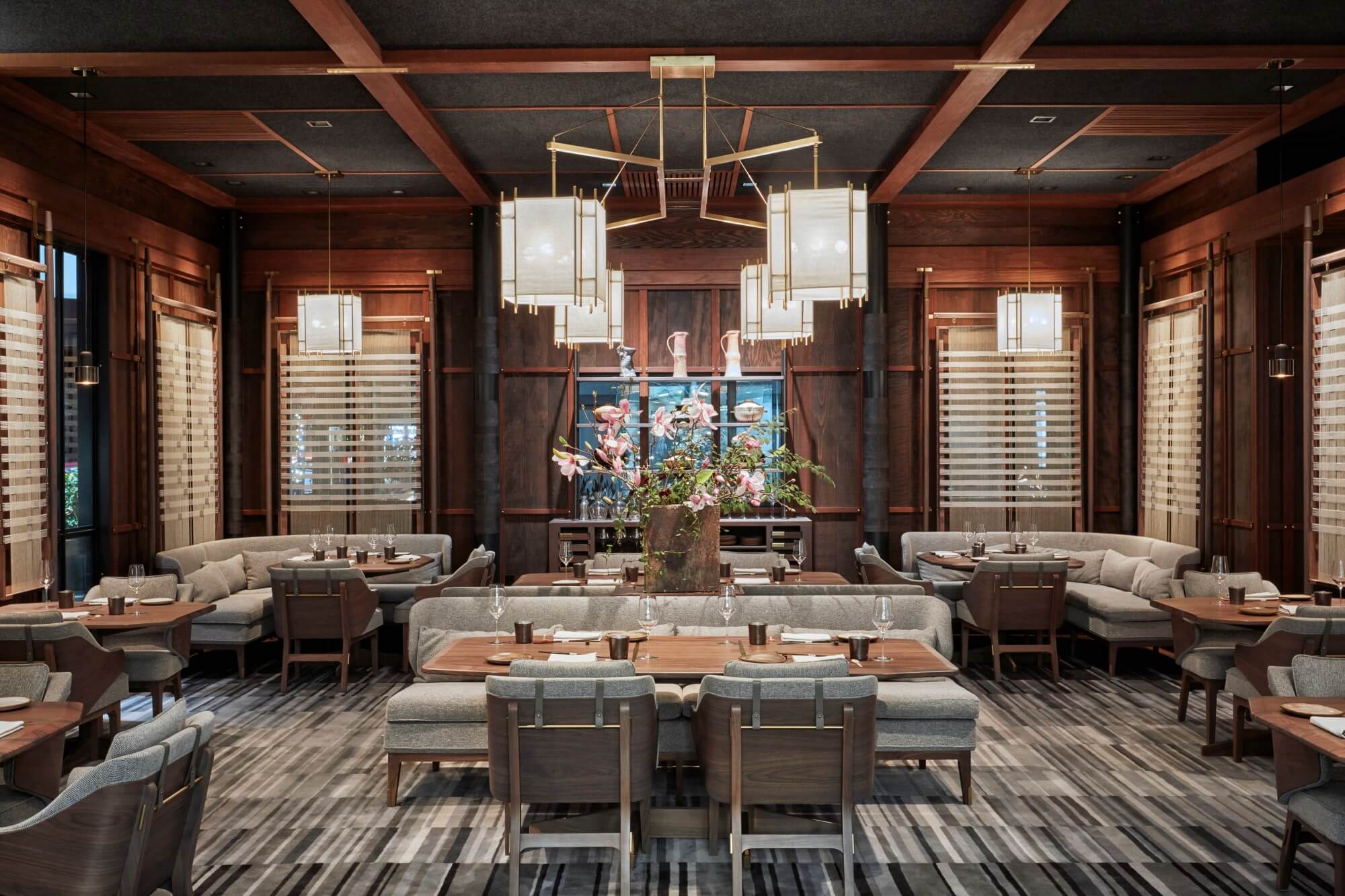
Japanese-influenced Californian Kaiseki
Single Thread Farm
Healdsburg, United States
★★★ · 50 Best
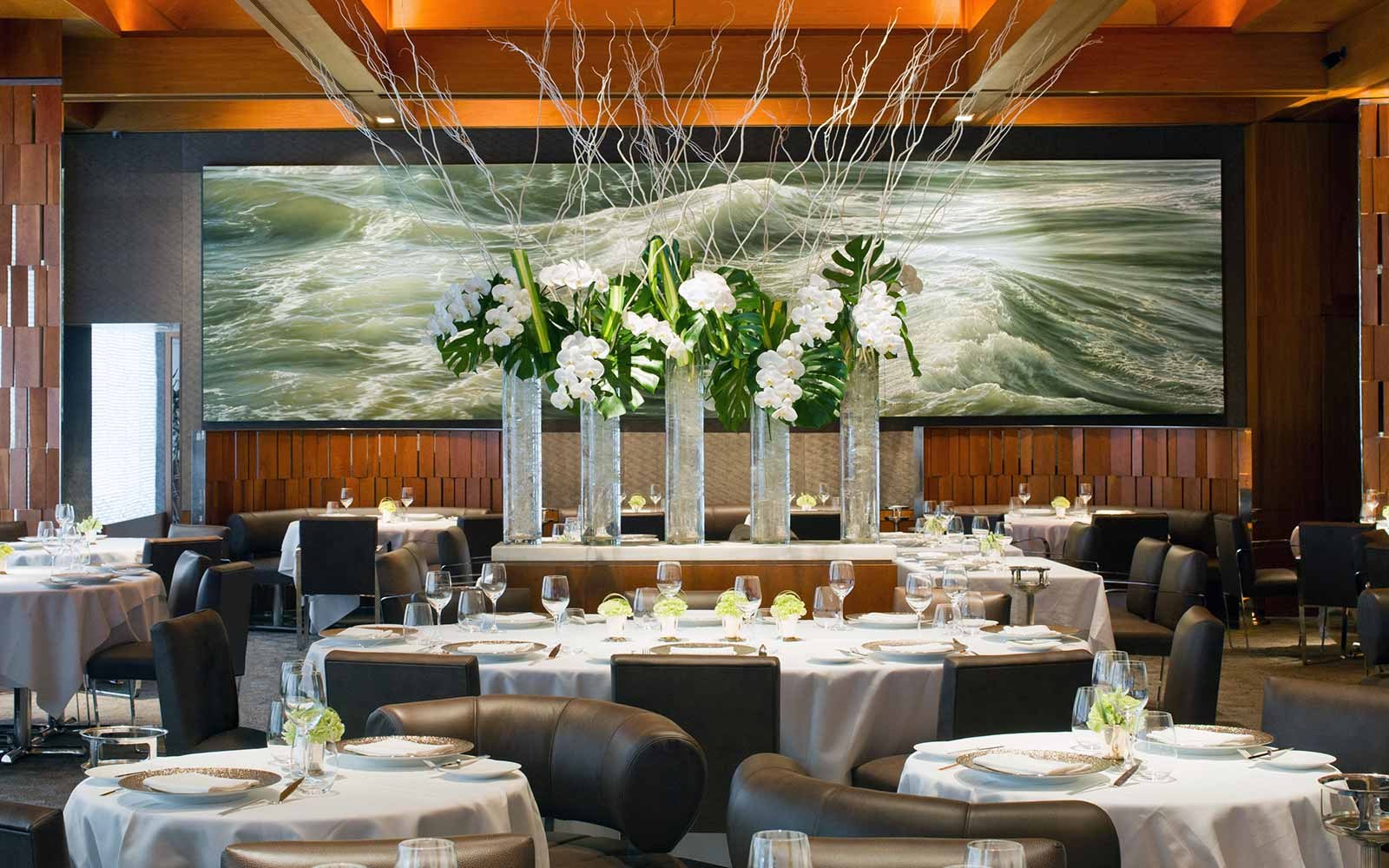
French Seafood Fine Dining
Le Bernardin
New York City, United States
★★★ · 50 Best
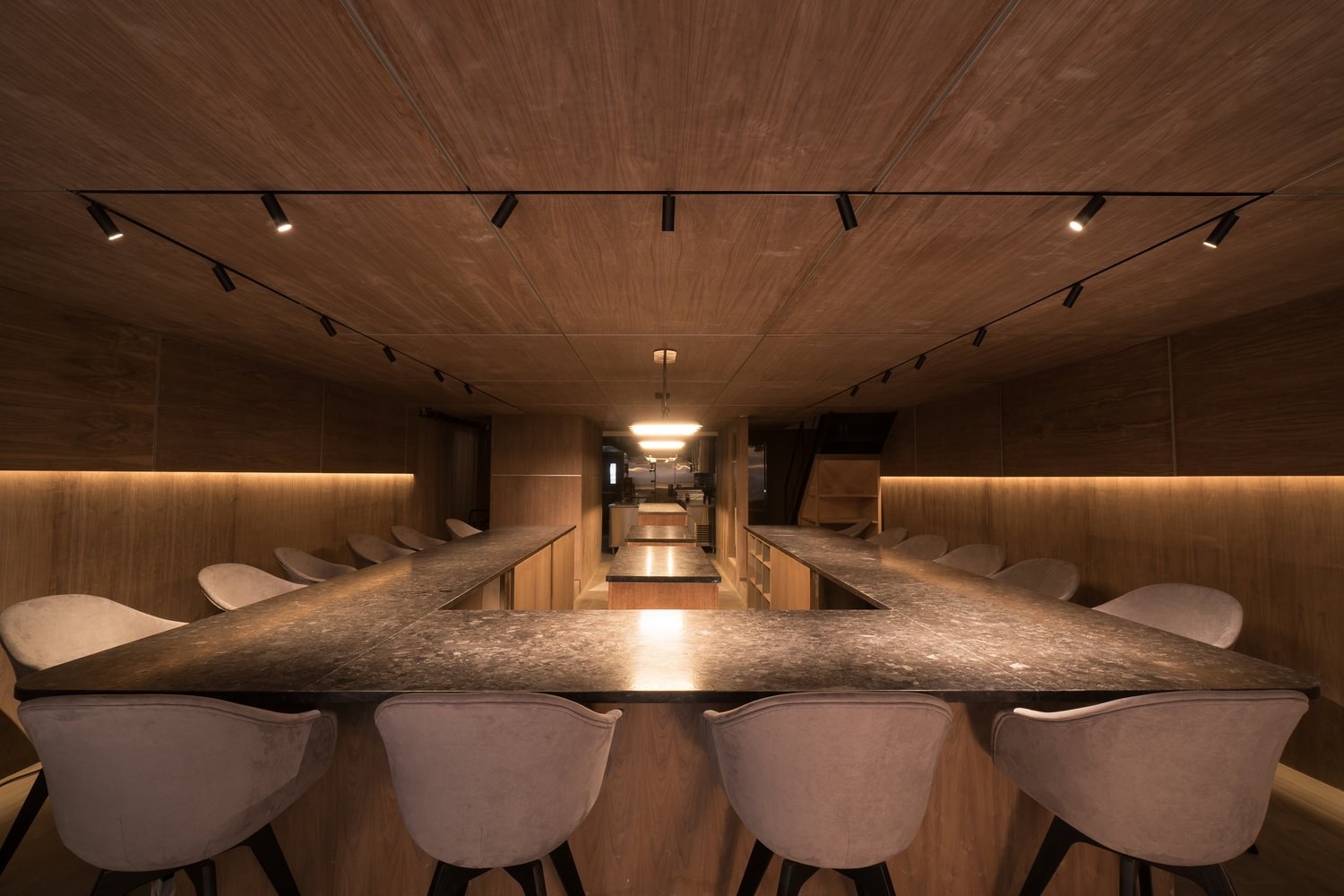
Modern Korean Tasting Menu
Atomix
New York City, United States
★★ · 50 Best
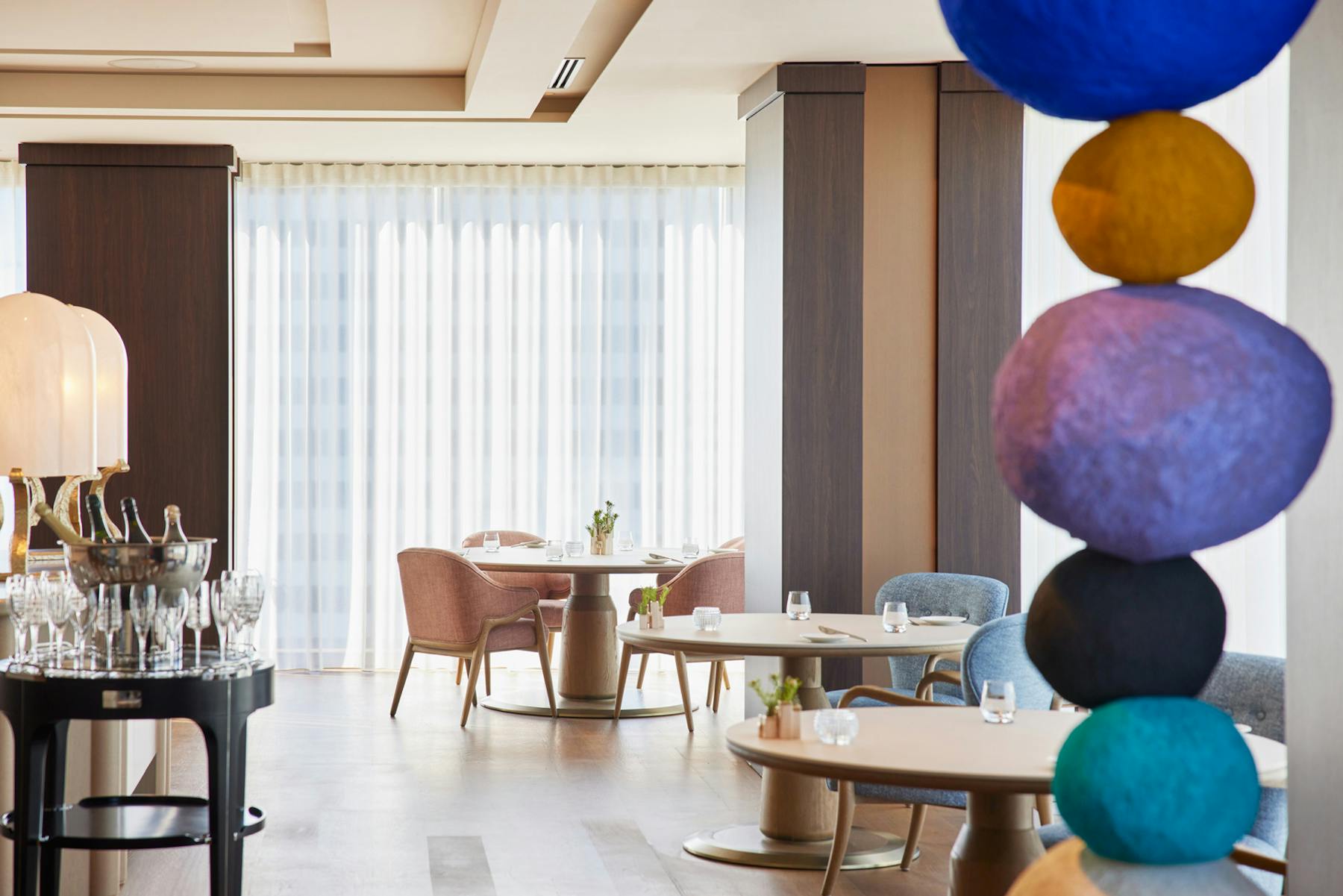
French
Sézanne
Tokyo, Japan
★★★ · 50 Best
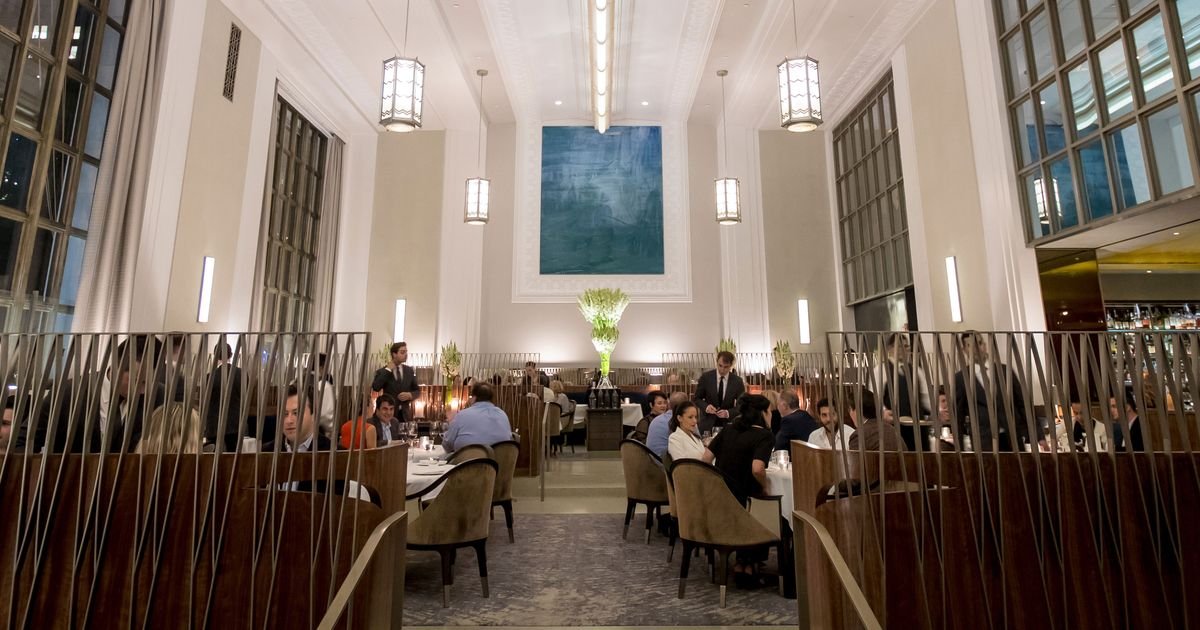
Contemporary Plant-Based Fine Dining
Eleven Madison Park
New York City, United States
★★★ · 50 Best