- Tabelog Bronze #309: 4.2pts · 2026
- Opinionated About Dining Top Restaurants in Japan Recommended · 2026
- Tabelog 100 #78: 4.2pts · 2025
- Tabelog Bronze · 2025
- Opinionated About Dining Top Restaurants in Japan Ranked #250 · 2025
- Opinionated About Dining Top Restaurants in Japan Ranked #270 · 2024
- Opinionated About Dining Top Restaurants in Japan Highly Recommended · 2023
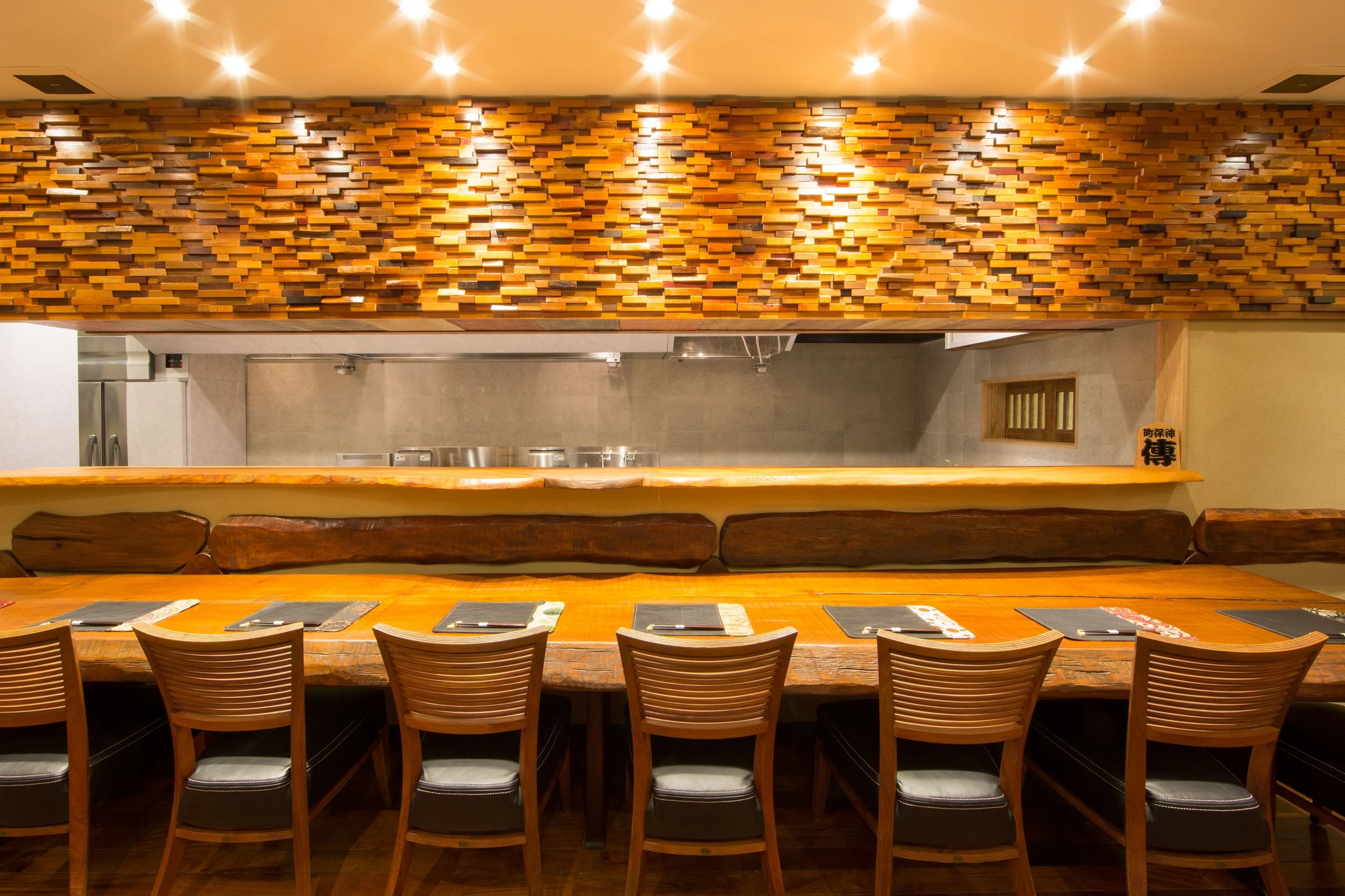
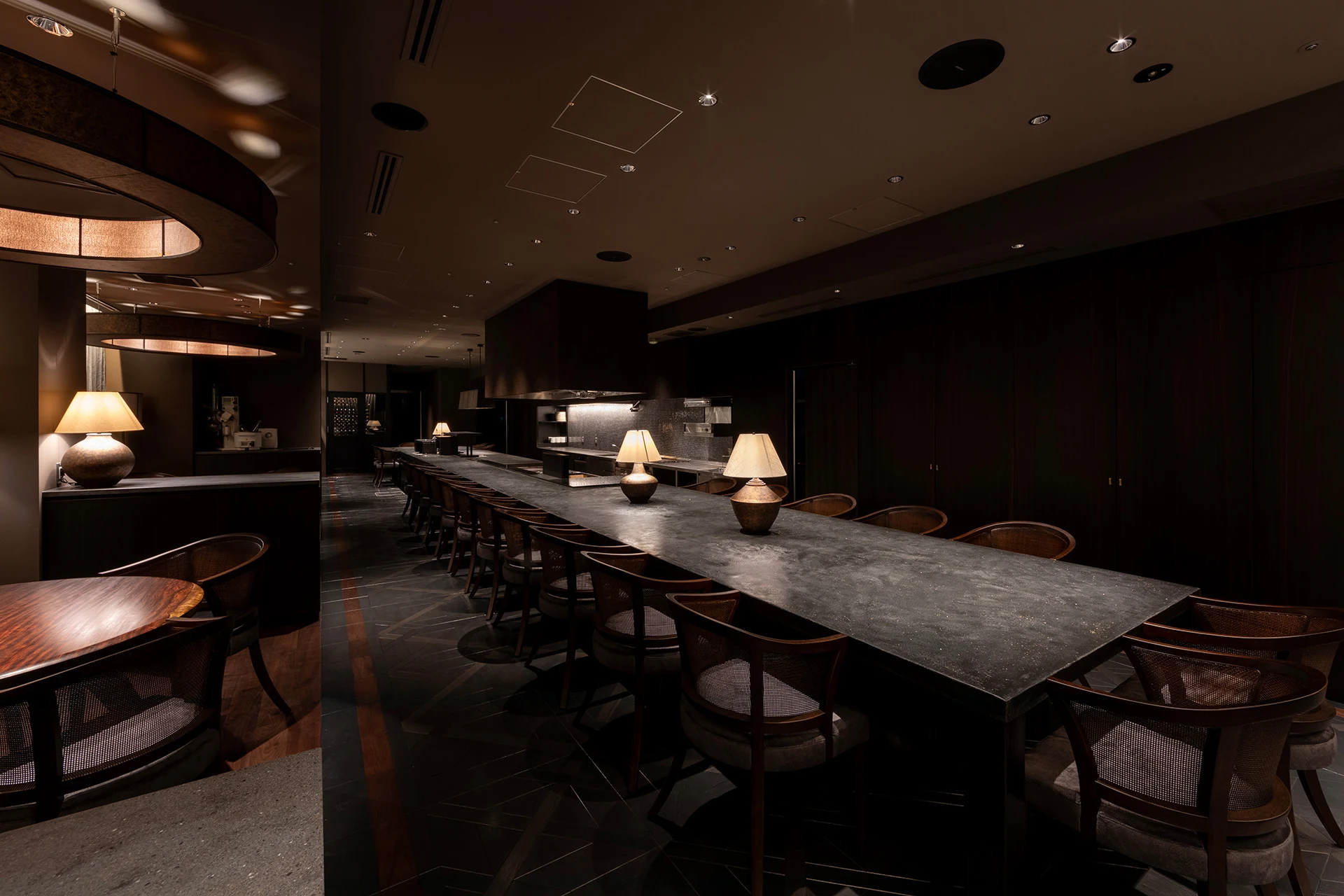
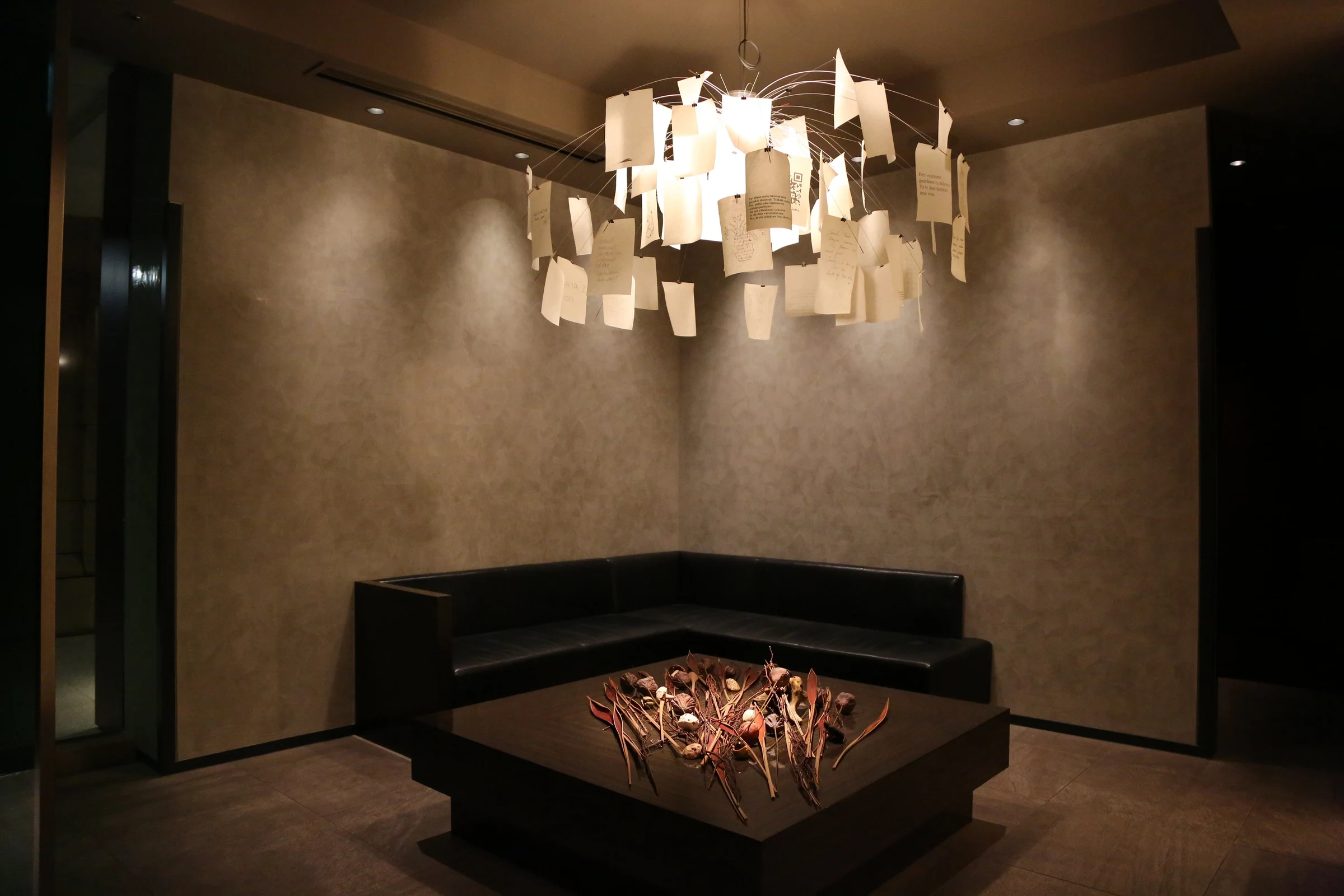
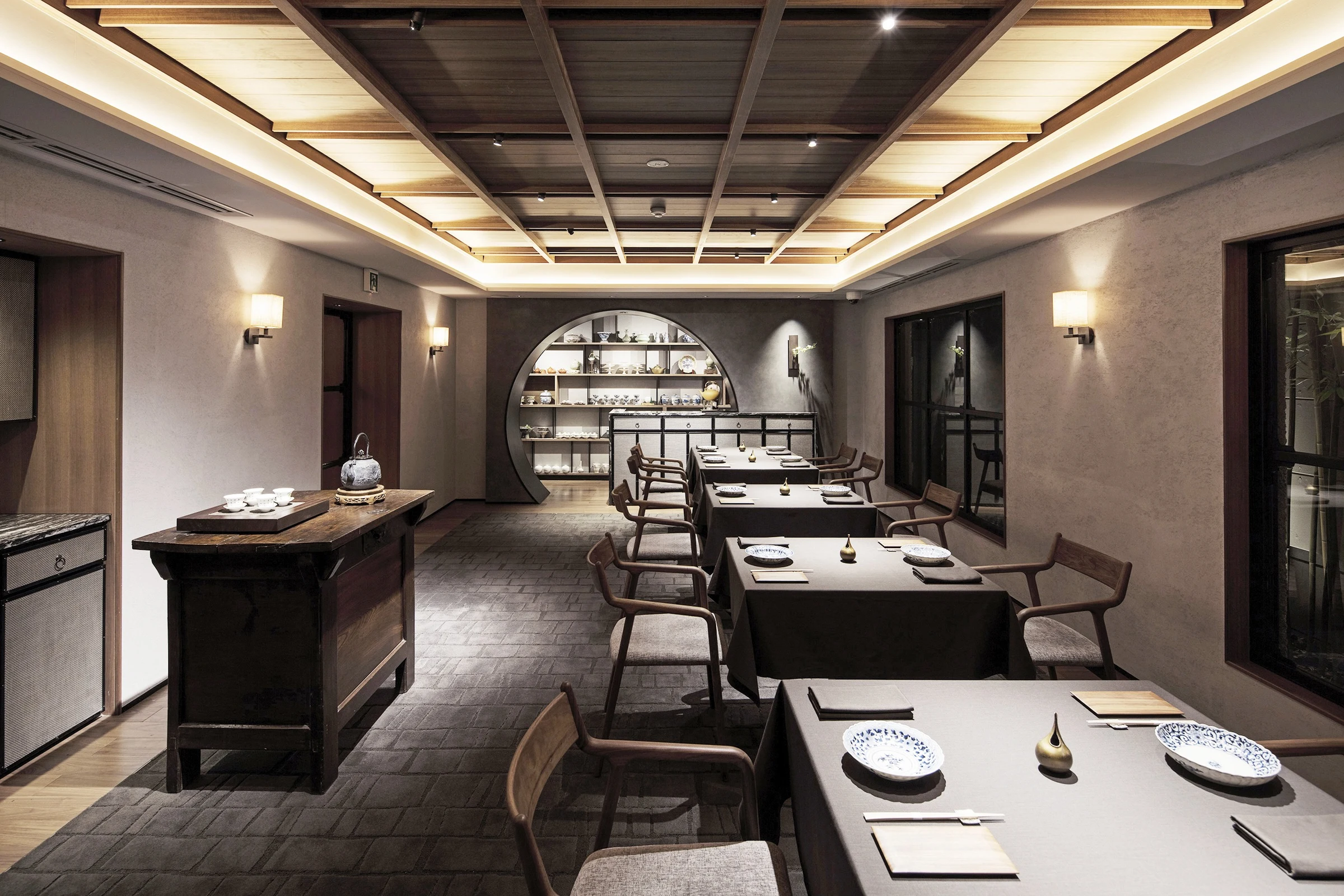
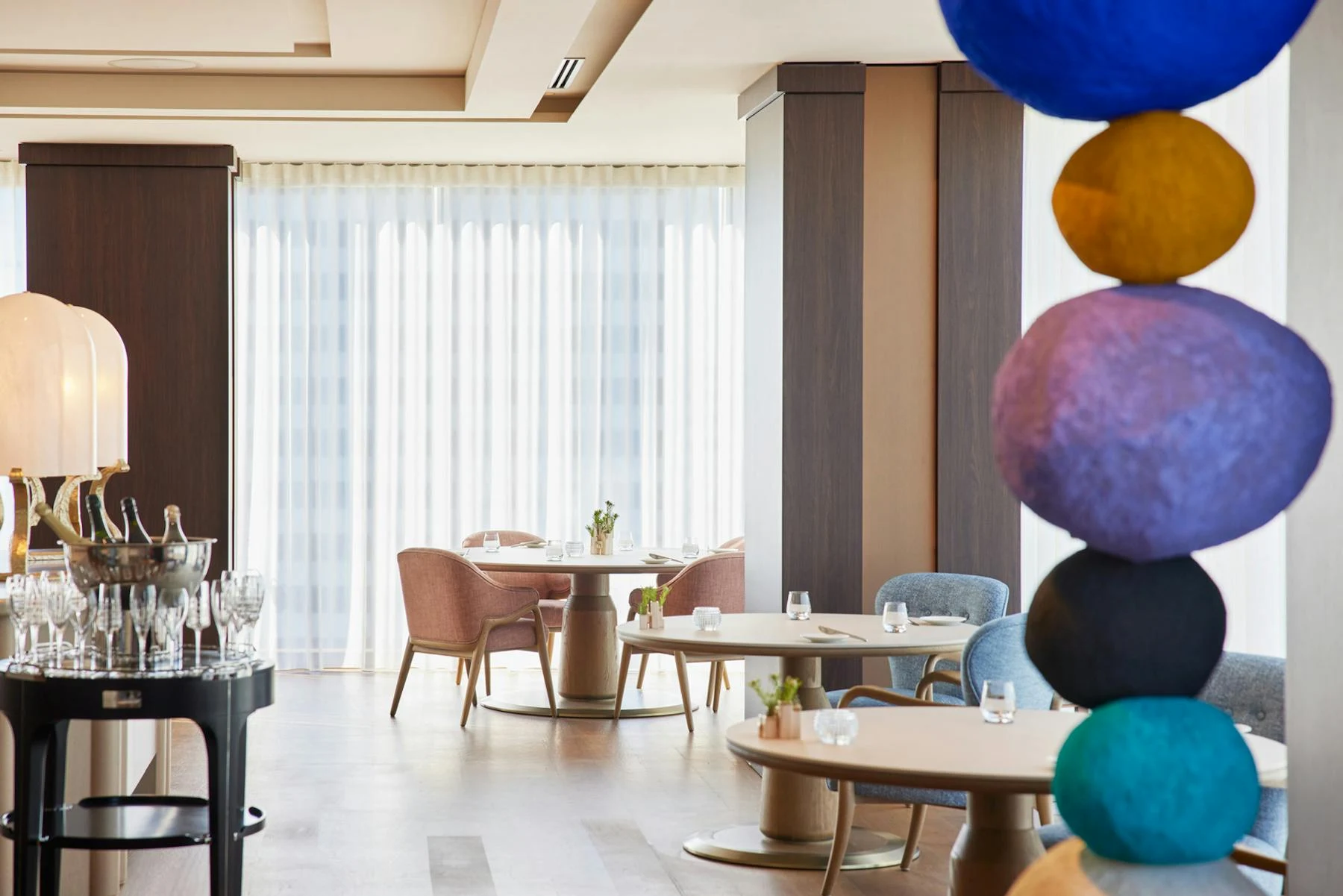
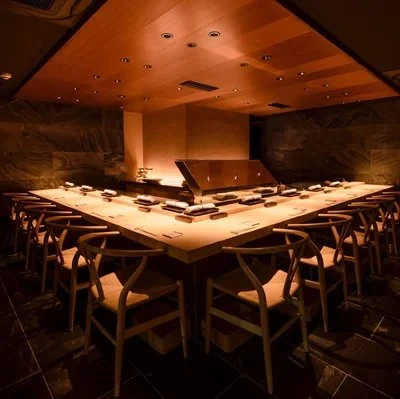
Below street level in Minami-Aoyama, the mood shifts from Tokyo’s boutique-lined surface to the tighter grammar of counter dining: fire, smoke management, bottles within reach, and a room scaled for attention rather than volume. Yakitori at this level is not an izakaya substitute dressed up for expense accounts. It is the izakaya idea narrowed and disciplined, with grilled chicken, seasonal vegetables, sake, shochu, and wine doing the social work that long tasting menus often overcomplicate.
That distinction matters in Tokyo, where yakitori has split into several lanes. There are neighborhood drinking rooms built for repeat locals, chef-led counters where the grill is treated with sushi-counter seriousness, and newer reservation-driven rooms that borrow the cadence of kaiseki without losing the charcoal. Minami Aoyama Nana Chome belongs to the second and third categories: intimate, counter-only, and measured, but still rooted in the rhythm of eating and drinking piece by piece.
Yakitori as a drinking culture, not a trophy format
The enduring appeal of yakitori is its refusal to separate food from conversation. Skewers arrive in sequence, drinks move at the table’s pace, and the meal’s structure gives the room permission to loosen without becoming casual. In Tokyo, that balance has become harder to achieve as high-end counters grow smaller and more reservation-led. The serious yakitori room now asks a diner to care about sourcing, heat control, seasoning, and pacing, while still understanding that the genre was built around appetite and conviviality.
Chef Naoki Kawana’s name gives the counter a clear point of authorship, but the larger story is the category itself. Tokyo’s yakitori specialists have turned chicken into a full evening’s architecture: different cuts, different textures, vegetable interludes, and drinks chosen for smoke, salt, fat, and char rather than for formal pairing theatrics. The presence of sake, shochu, and wine on the drinks side keeps the format flexible. It can read as a quiet dinner, a focused counter session, or a more polished version of the after-work grill culture that shaped the genre.
The external signals are not decorative. Tabelog Bronze recognition in 2026, repeated Bronze awards since 2020, and selection for Tabelog’s Yakitori 100 lists across multiple years place the restaurant inside a sustained domestic conversation rather than a single-season spike. Opinionated About Dining also lists it among its 2026 Japan recommendations. For travelers trying to understand Tokyo yakitori beyond the famous names, that run of recognition is more useful than a vague reputation: it points to consistency in a category where small counters can rise and fade quickly.
How it sits among Tokyo's serious yakitori counters
Tokyo’s yakitori field is dense enough that choice depends less on cuisine type than on format preference. Yakitori Shinka, Yakitori Kasahara, Yakitori Shinohara, Yakitori Kurosaki, and Toricho all occupy the same broad conversation: grill-led rooms where the counter matters and chicken is treated as a complete cuisine. The useful question is not which is superior, but which kind of evening a diner wants. Some counters lean more technical, others more drinking-room in spirit, others more formal in pacing.
Minami Aoyama Nanachome is better understood as a compact, polished Minato-ku expression of the genre. Its address places it between the social gravity of Hiroo, Omotesando, and Ebisu rather than in a late-night alley cluster, which changes the audience and the tempo. The result is yakitori for diners who want the craft of the grill without losing the communal logic of ordering, drinking, pausing, and continuing. It is not a place to treat chicken as a checklist; it is a place to understand why Tokyo keeps returning to the skewer as a complete dining language.
For broader calibration, compare the city’s yakitori range through Asagaya BIRD LAND, BIRD LAND, Chataro, Aramaki, and 124. KAGURAZAKA. Each points to a different Tokyo answer to the same question: how far can a grill counter travel from its drinking-house origins before it loses the pleasure that made yakitori durable in the first place?
The read
This is a strong choice for travelers who already understand sushi and tempura counters and want to see how Tokyo applies the same concentration to a more social form. The 10-seat counter format makes the room inherently low-capacity, and the weekday-only dinner schedule pushes it into planned-evening territory rather than spontaneous grazing. That structure suits the food. Yakitori needs attention to sequence, but it also needs enough ease for the drinks to matter.
The caution is expectation management. Diners looking for elaborate plating, named signature dishes, or a long narrative menu may be measuring the wrong thing. The defining idea is narrower and better: charcoal-grilled chicken and seasonal vegetables, handled at a scale where the counter, the grill, and the drinks list set the evening’s pulse. In a city crowded with luxury dining formats, that restraint is the point.
Use our full Tokyo restaurants guide to place this meal within the city’s wider dining map, then build the rest of the trip around neighborhood contrast: Tokyo hotels for where to stay, Tokyo bars for post-dinner drinking, Tokyo experiences for cultural planning, and Tokyo wineries for a broader drinks lens. For yakitori beyond Tokyo, useful reference points include Ayamuya, Yakitori in Osaka and Birdie, Yakitori in Hong Kong; for a wider Japan dining circuit, see -Grilled beef Sukiyaki- KAMAKURA TANUKIAN 鎌倉 たぬき庵 in Kamakura,.cafe in Osaka,.know in Kumamoto, (Shoku) Vietnam in Kawasaki, [Curry Senmon Ten] Maruyama Kyoju. in Sapporo, and [ki:] in Kyoto.
Questions
Frequently asked
Who works at Minami Aoyama Nanachome?
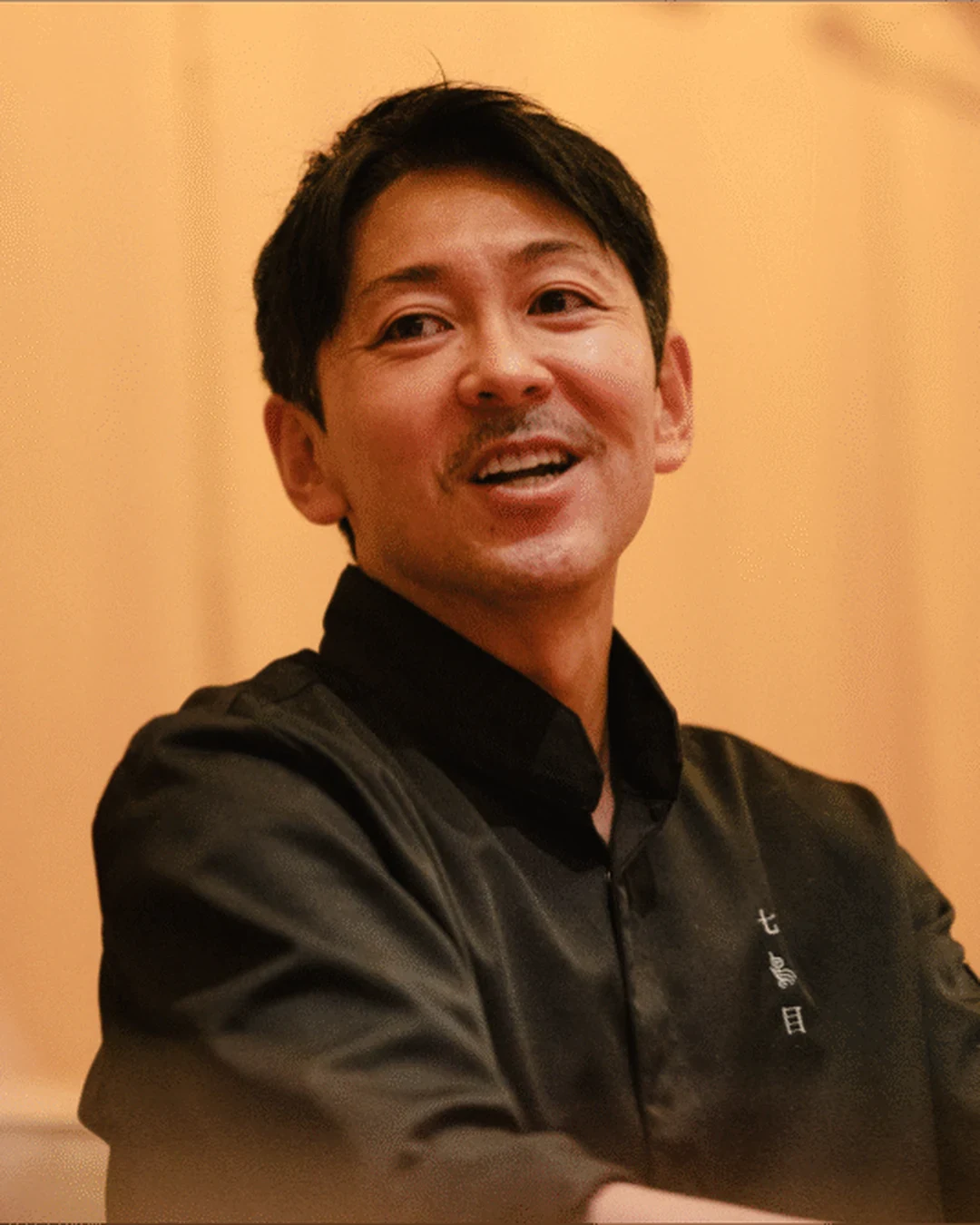
Made By profiles Naoki Kawana (Chef) at Minami Aoyama Nanachome.
How expensive is Minami Aoyama Nanachome?
Minami Aoyama Nanachome is listed at a price level of $$$$.
Where is Minami Aoyama Nanachome and what does it serve?
Minami Aoyama Nanachome is in Minato, Tokyo, serving Premium Yakitori.
The field
How it compares
| Place | Cuisine | Notes | Awards |
|---|---|---|---|
| Minami Aoyama Nanachome | Premium Yakitori | Minato, $$$$ | · |
| Den | Modern Japanese Kaiseki | Tokyo | Michelin 2 Stars, World's 50 Best |
| Florilège | Modern French-Japanese Plant-Based Fine Dining | Tokyo | Michelin 2 Stars, World's 50 Best |
| Narisawa | Modern Japanese Satoyama Fine Dining | Tokyo | Michelin 2 Stars, World's 50 Best |
| Quintessence | Modern French Fine Dining | Tokyo | Michelin 3 Stars |
| Sazenka | Modern Chinese Fine Dining | Tokyo | Michelin 3 Stars, World's 50 Best |
| Sézanne | Modern French Fine Dining | Tokyo | Michelin 3 Stars, World's 50 Best |
In residence
Similar places
Modern Japanese Kaiseki
Den
Tokyo, Japan
★★ · 50 Best
Modern French-Japanese Plant-Based Fine Dining
Florilège
Tokyo, Japan
★★ · 50 Best
Modern Japanese Satoyama Fine Dining
Narisawa
Tokyo, Japan
★★ · 50 Best
Modern French Fine Dining
Quintessence
Tokyo, Japan
★★★
Modern Chinese Fine Dining
Sazenka
Tokyo, Japan
★★★ · 50 Best
Modern French Fine Dining
Sézanne
Tokyo, Japan
★★★ · 50 Best