- Opinionated About Dining Top Restaurants in Japan Recommended · 2026
- Tabelog Silver #13: 4.4pts · 2026
- Opinionated About Dining Top Restaurants in Japan Ranked #351 · 2025
- Tabelog Silver · 2025
- Tabelog 100 #23: 4.4pts · 2025
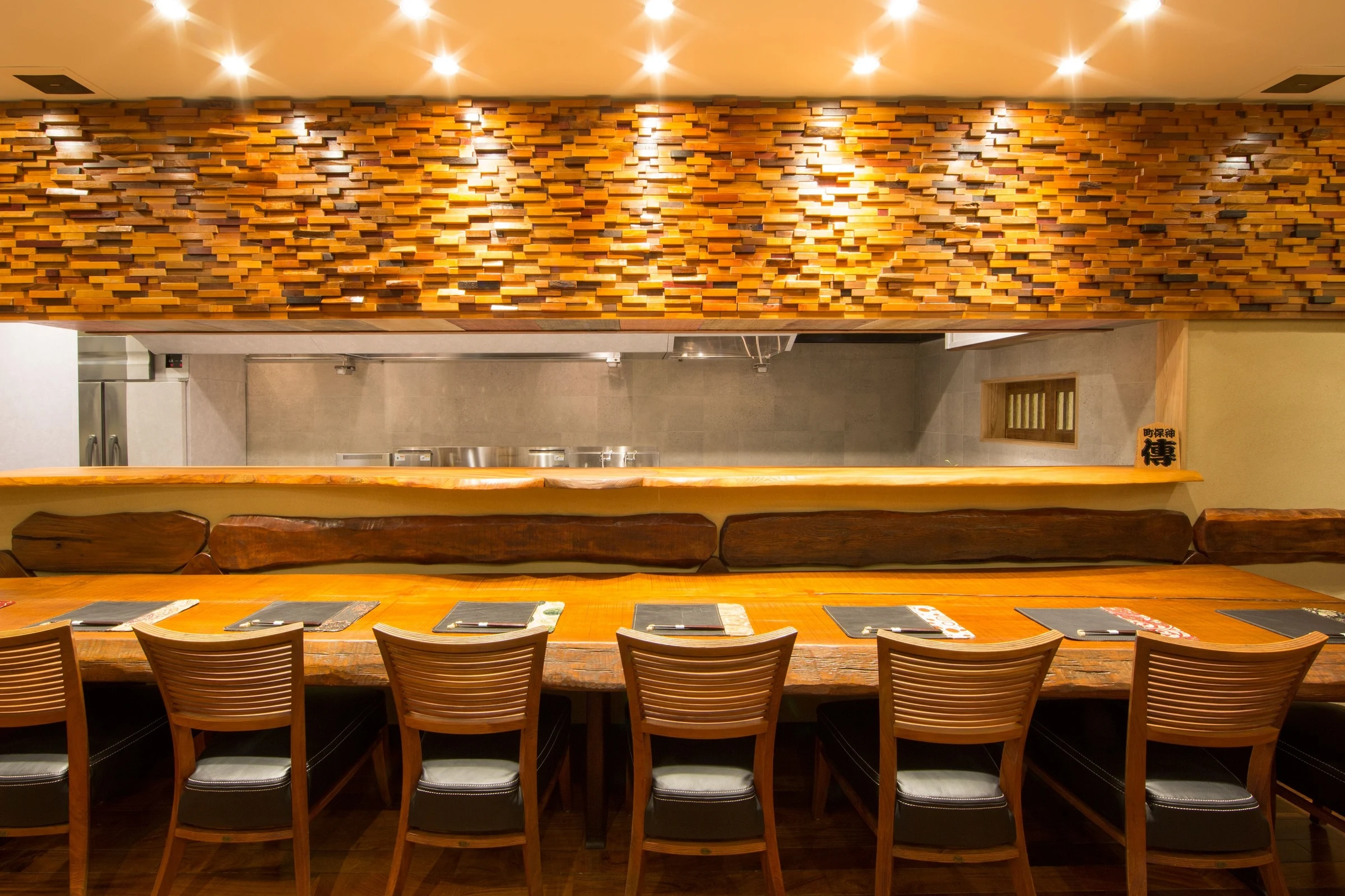
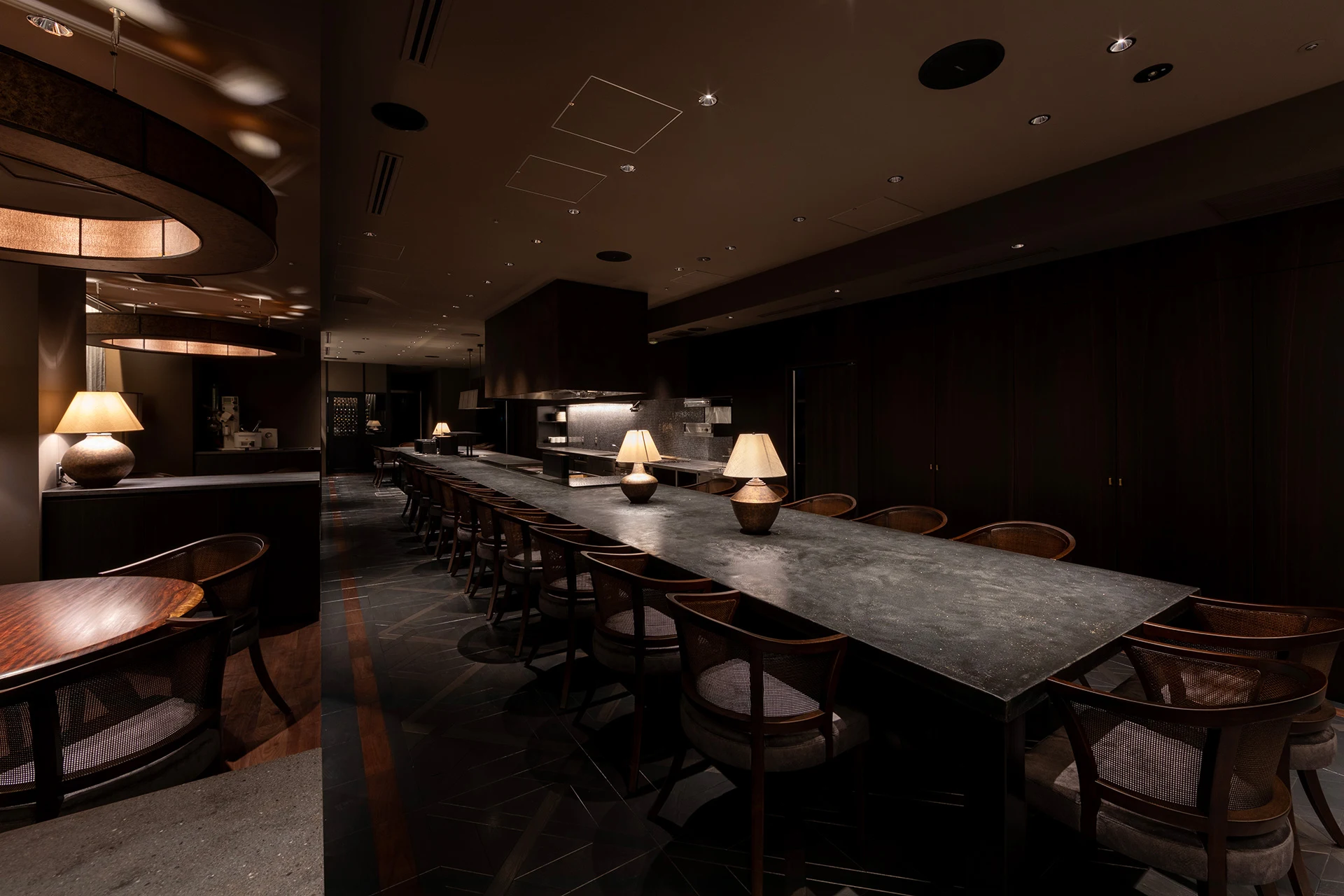
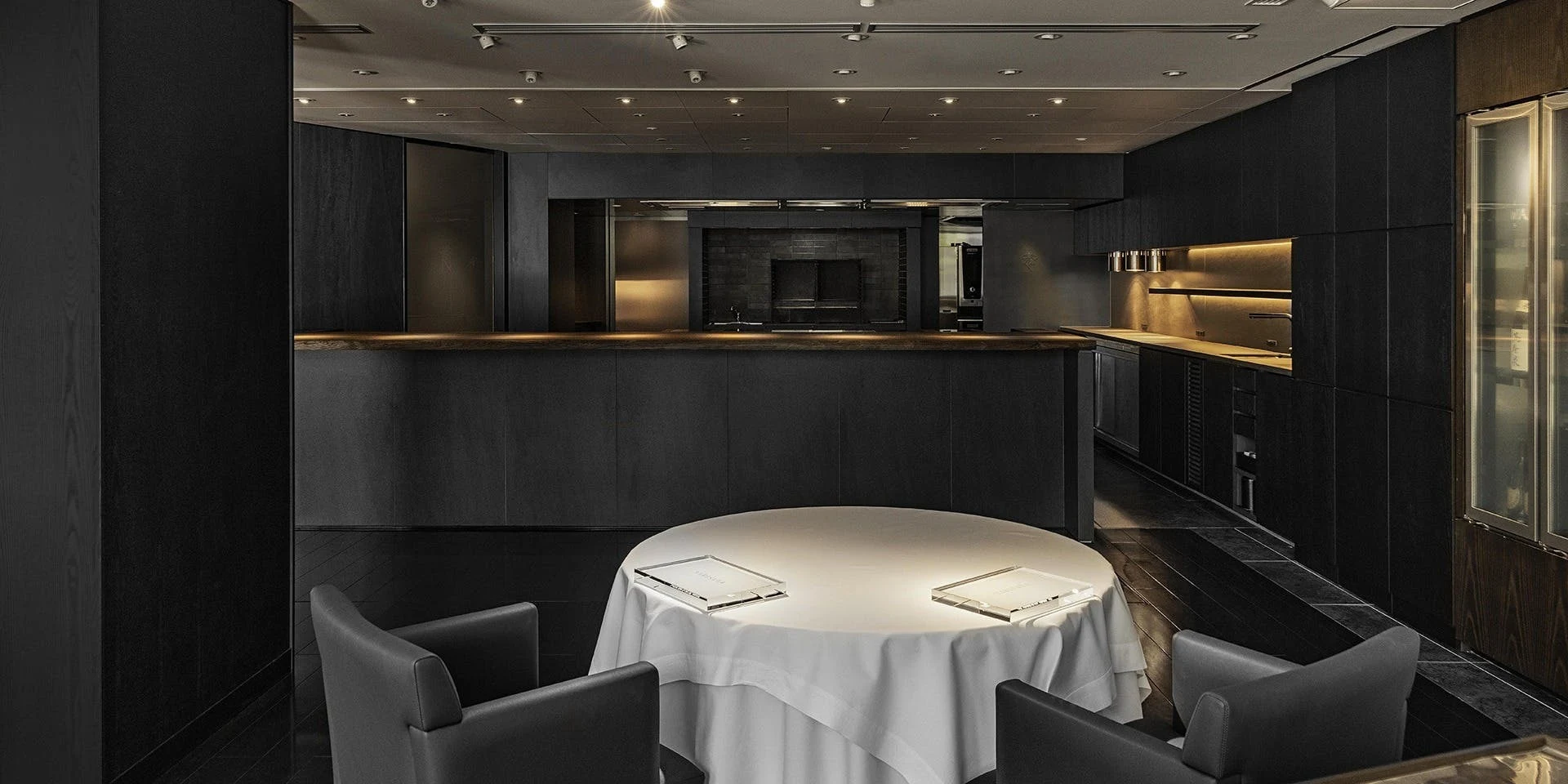
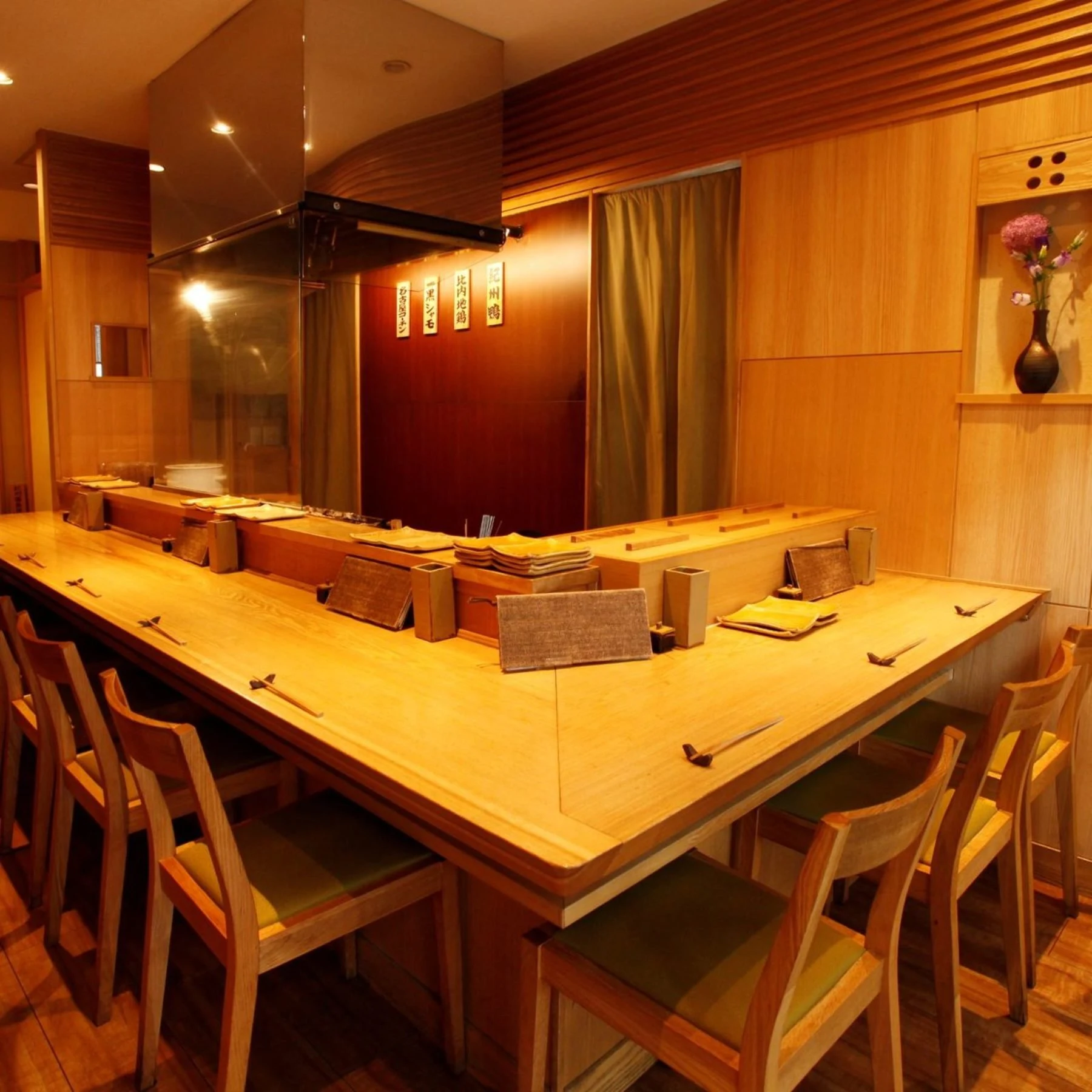
The approach to Uguisudanicho from Shibuya Station, roughly a ten-minute walk uphill from the main exits, already tells you something about the kind of counter you are about to sit at. The street quiets noticeably as the commercial density of Shibuya's central blocks gives way to a residential-commercial fringe, and the TAK Building's ground floor, where Chataro occupies a single room, reads as deliberately low-key. Eleven counter seats face the grill. There are no private rooms and no overflow arrangements. The space is small enough that the evening's cooking is a communal experience for everyone in it, and the Tabelog listing categorises the location plainly as a “hideout.”
That physical restraint is consistent with how serious yakitori at the top of the Tokyo market operates in general. The format, chef-behind-the-counter, guest-facing grill, no theatre beyond the cooking itself, is the same template you find at counters across the city's yakitori upper tier. What separates one from another is the sourcing depth and the accumulated credential record, and on the latter measure Chataro carries a weight that few of its peers match.
Five Consecutive Years in the Tabelog 100
Tokyo's yakitori scene is deeper than most international visitors appreciate. The Tabelog Yakitori 100, a ranked selection drawn from Japan's largest restaurant review platform, is competitive enough that selection in any single year signals genuine standing. Chataro has been selected every year from 2021 through 2025, appearing under both the national Yakitori 100 list and the regional Yakitori EAST 100 list in consecutive cycles. The 2025 and 2026 Tabelog Silver Awards followed, alongside a current score of 4.43. For reference, Tabelog scores above 4.0 represent a small fraction of the platform's listed restaurants, and scores above 4.3 in a single-ingredient category as competitive as yakitori are rarer still.
The price point, JPY 20,000 to 29,999 per person at dinner, positions Chataro at the higher end of the yakitori bracket, above casual izakaya-style skewer bars and in the same economic register as some of Tokyo's more formal tasting-menu counters. For comparison, Michelin-starred kaiseki and sushi counters in the JPY 30,000-plus range, such as Harutaka or RyuGin, sit one tier above. Chataro is priced just below that ceiling, in a bracket that also includes creative Japanese counters like Aria di Takubo. That positioning matters: at this spend level, the guest is not choosing between casual and formal dining, but between different specialist traditions.
Within yakitori specifically, the comparison set includes a handful of counters with comparable award records. Yakitori Omino and Asagaya BIRD LAND occupy adjacent territory in terms of both format and recognition, while 124. KAGURAZAKA and Aramaki represent the broader premium counter category in the city. Each of these counters makes a case for why a single main ingredient, handled without distraction, can justify the same spend as a multi-course tasting menu. Chataro's five-year Tabelog 100 record is the clearest available signal that the case holds at Uguisudanicho.
The Drink Program and BYO Logic
The editorial angle most often underplayed in coverage of serious yakitori counters is the drink program. At this price tier, the interaction between skewered chicken, its fat, its char, its salt, and what is in the glass is a real consideration, not a secondary detail. Chataro's approach reflects that. The in-house list gives deliberate weight to sake (nihonshu) and shochu, with Tabelog's own listing noting that the kitchen is “particular about” both categories alongside wine. That phrasing, used specifically for all three drink types, suggests curation rather than a standard list assembled by default.
More distinctive is the BYO policy. Guests may bring their own wine at a corkage charge of JPY 4,400 per bottle (tax included). In Tokyo's counter dining world, BYO with a fixed, transparent corkage rate is not universal, and at this price point it is relatively rare. The practical effect is that guests who want to drink a specific bottle, perhaps a Burgundy they have been holding, or a sake purchased at a specialty retailer, can do so without being limited to the in-house selection. For a counter running eleven seats with two sittings per night, the BYO option also functions as a hospitality signal: the kitchen is confident enough in the food to not require the margin buffer that high-markup wine lists provide.
Phone reservations are not accepted. The restaurant asks that any calls regarding reservations or enquiries be placed between 10:00 AM and 4:30 PM, but bookings themselves must be made through the online channel. The counter runs two sittings on each open evening: 17:30 to 20:30, and 20:40 to 23:30 (last order at 22:50). The venue is closed Monday and Tuesday.
Chicken Sourcing as the Central Argument
At the premium end of the yakitori category, the distinction between counters increasingly rests on what happens before the bird reaches the grill. The Tabelog description for Chataro references six different types of chicken, with flavour enhanced through extended-period raising. The sourcing specificity, multiple breeds or production methods rather than a single supplier, is a marker of the same approach that separates serious whole-animal counters from commodity operations, transposed onto poultry. At a venue where the ingredient set is by definition narrow, this sourcing depth is the structural argument for the price point.
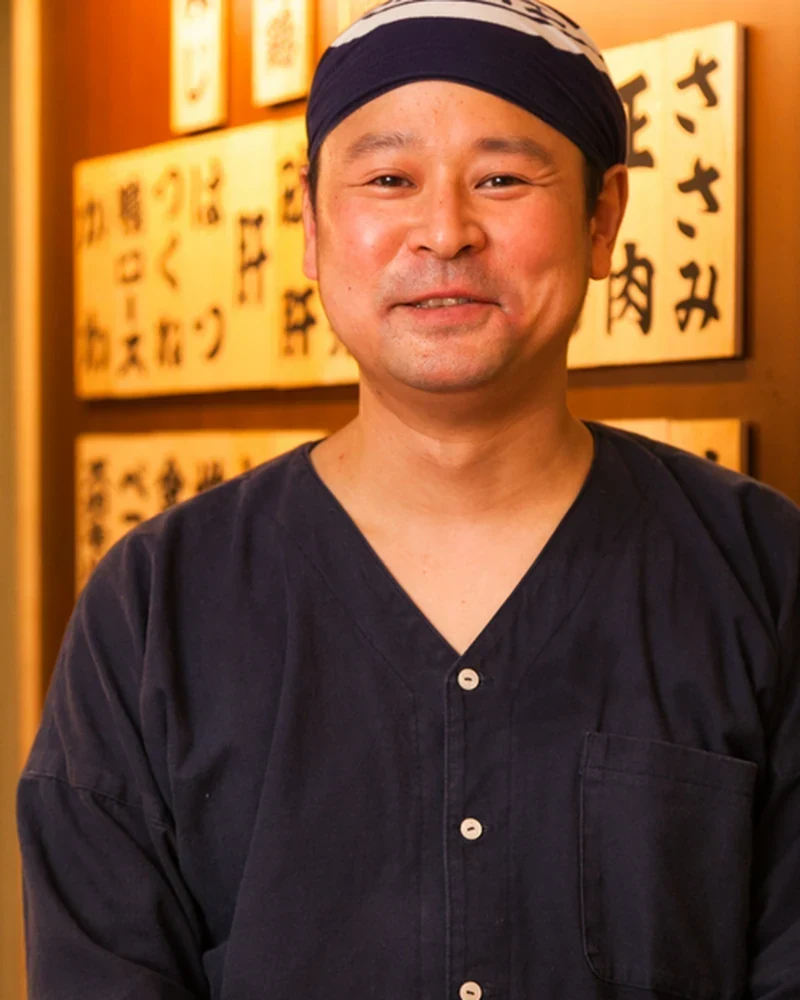
Chef Takuya Kaneko has operated the counter since June 2013. In a city where restaurant turnover is high and counter formats are particularly vulnerable to changes in the cost of premium ingredients or shifts in booking behaviour, that continuity is itself a data point: the format works, the sourcing relationships hold, and the guest return rate is sufficient to sustain two-sitting operation five nights a week.
Tokyo's Yakitori Tier in Wider Context
Understanding where Chataro sits requires some sense of what the yakitori category looks like nationally. Japan's yakitori scene beyond Tokyo includes award-level counters in Osaka (Ichimatsu), Kyoto (Torisaki), and in the surrounding region, where the approach to poultry often differs from the Tokyo model. Tokyo's premium yakitori counters tend toward the omakase structure, a sequence of cuts and preparations determined by the chef, with limited guest modification, and Chataro operates within that convention.
Compared to the Michelin-dominated formal dining tier in Tokyo, where restaurants like L'Effervescence or Den attract international visitors through guide recognition, the Tabelog-led yakitori tier draws a different mix. That guest profile shapes the booking window and the operational style. Online-only reservations, a clear cancellation policy that charges fees on changes, and a request for phone calls only within a four-and-a-half-hour daily window all reflect a counter managing demand carefully rather than maximising turnover.
For visitors building a Tokyo itinerary around restaurants, Chataro fits within a broader dining programme that might include a kaiseki dinner in the JPY 30,000-plus range, a sushi omakase, and a more casual evening. It does not replace those experiences, it represents a different tradition entirely. If you are also travelling to other parts of Japan, the dining tier at counters like HAJIME in Osaka, Gion Sasaki in Kyoto, akordu in Nara, Goh in Fukuoka, 1000 in Yokohama, or 6 in Okinawa gives a sense of how the premium counter format varies by city and cuisine. Tokyo's wine scene is also worth tracking if you plan to use the BYO option at Chataro.
- Address: 7-12 Uguisudanicho, Shibuya, Tokyo, TAK Building 1F
- Getting there: Approximately a ten-minute walk from Shibuya Station (550 metres)
- Hours: Wednesday to Sunday; first sitting 17:30 to 20:30, second sitting 20:40 to 23:30 (last order 22:50). Closed Monday and Tuesday.
- Reservations: Online only. Phone reservations are not accepted. Cancellation policy applies to date, time, and guest-number changes.
- Seats: 11 counter seats. No private rooms. No private-hire option.
- Price: JPY 20,000 to 29,999 per person at dinner
- Payment: Credit cards accepted (VISA, Mastercard, JCB, AMEX, Diners). Electronic money and QR code payments not accepted.
- BYO wine: JPY 4,400 per bottle (tax included). Enquiries by phone between 10:00 AM and 4:30 PM only.
- Drinks: Sake, shochu, and wine in-house. BYO wine permitted with corkage.
- Smoking: Non-smoking throughout.
- Children: The venue asks that guests with small children refrain from attending.
- Parking: Not available at the venue. Coin parking nearby.
- Awards: Tabelog Silver 2025 and 2026; Tabelog Yakitori 100 every year 2021 to 2025. Score: 4.43.
Questions
Frequently asked
Who works at Chataro?
Made By profiles Takuya Kaneko (Chef) at Chataro.
How expensive is Chataro?
Chataro is listed at a price level of $$$.
Where is Chataro and what does it serve?
Chataro is in Shibuya, Tokyo, serving Premium Yakitori Omakase.
The field
How it compares
| Place | Cuisine | Notes | Awards |
|---|---|---|---|
| Chataro | Premium Yakitori Omakase | Shibuya, $$$ | · |
| Den | Modern Japanese Kaiseki | Tokyo | Michelin 2 Stars, World's 50 Best |
| Florilège | Modern French-Japanese Plant-Based Fine Dining | Tokyo | Michelin 2 Stars, World's 50 Best |
| Narisawa | Modern Japanese Satoyama Fine Dining | Tokyo | Michelin 2 Stars, World's 50 Best |
| Quintessence | Modern French Fine Dining | Tokyo | Michelin 3 Stars |
| Sazenka | Modern Chinese Fine Dining | Tokyo | Michelin 3 Stars, World's 50 Best |
| Sézanne | Modern French Fine Dining | Tokyo | Michelin 3 Stars, World's 50 Best |
In residence
Similar places
Modern Japanese Kaiseki
Den
Tokyo, Japan
★★ · 50 Best
Modern French-Japanese Plant-Based Fine Dining
Florilège
Tokyo, Japan
★★ · 50 Best
Modern Japanese Satoyama Fine Dining
Narisawa
Tokyo, Japan
★★ · 50 Best
Modern French Fine Dining
Quintessence
Tokyo, Japan
★★★
Modern Chinese Fine Dining
Sazenka
Tokyo, Japan
★★★ · 50 Best
Modern French Fine Dining
Sézanne
Tokyo, Japan
★★★ · 50 Best