Miss Kim

In Residence
Ji Hye Kim
Chef
- 01CuisineModern Korean with Midwestern Twists
- 02CityAnn Arbor, United States
- 03RecognitionJames Beard Award
- James Beard Winner · James Beard Foundation
- James Beard Award Semi Finalist · 2025
Korean Cooking in a Midwestern University Town
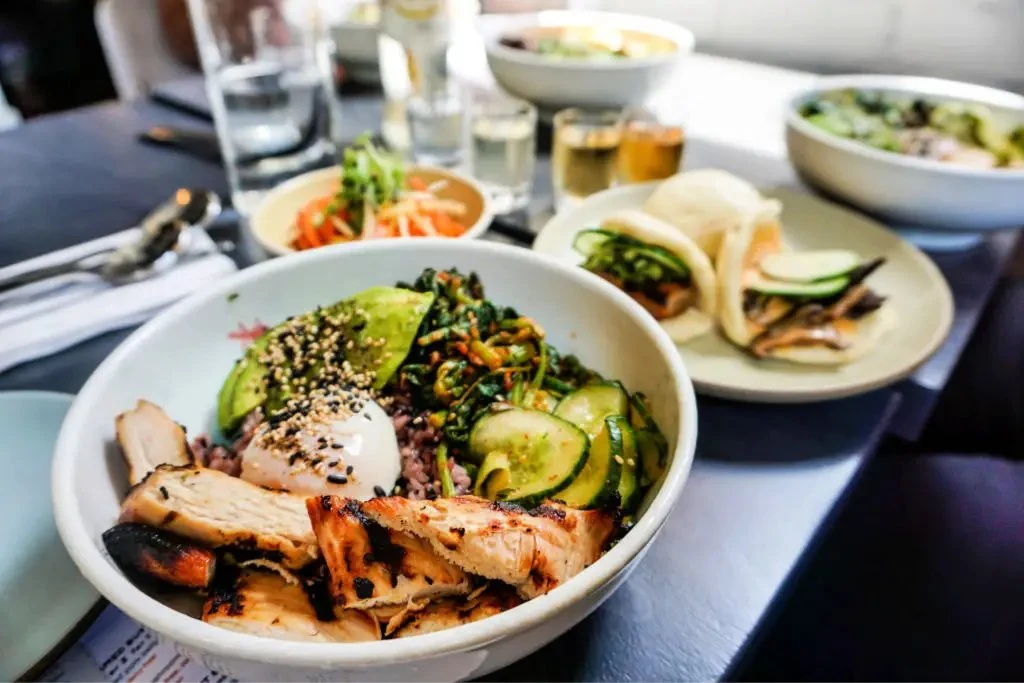
Ann Arbor's restaurant identity has been shaped for decades by a handful of durable institutions: the French basement rooms of The Earle, the deli counter tradition of Zingerman's Delicatessen, the American regional cooking at Zingerman's Roadhouse, and the European small-plates format at AC Lounge & Kitchen. Against that backdrop, Korean food occupies a genuinely different register. Where the city's established dining rooms draw from French technique, American comfort, or broadly European flavor logic, Korean cooking operates from a separate pantry entirely: fermented vegetables, gochujang-based sauces, doenjang, slow-braised proteins, and the particular discipline of banchan, the rotating array of small dishes that arrive before and alongside a meal. Miss Kim, a restaurant serving Modern Korean with Midwestern Twists at 415 N 5th Ave in Ann Arbor, sits inside that tradition.
The Cultural Weight Behind the Menu
Korean cuisine carries a culinary architecture that rewards some basic literacy from the diner. The fermentation culture alone, kimchi in its dozens of regional variations, doenjang (fermented soybean paste), ganjang (soy), and gochujang, represents centuries of food preservation practice that predates refrigeration and reflects a climate with pronounced seasonal extremes. These aren't condiments in the Western sense; they are foundational flavoring agents that define the character of nearly every dish on a Korean table. A meal structured around that pantry behaves differently from French or Italian cooking: the flavors tend to be bolder and more complex from the first bite, umami is layered rather than built toward, and the rhythm of eating is collective rather than sequential.
That distinction matters in a Midwestern dining context where the dominant fine-dining vocabulary, from tasting menus to wine-pairing formats, draws almost entirely from European sources. Venues like Atomix in New York City have demonstrated that Korean fine dining can operate at the highest tier of critical recognition, earning multiple Michelin stars through a format that treats the Korean pantry with the same rigor that French kitchens apply to their own traditions. Miss Kim operates in a smaller market, but the cuisine it draws from carries the same depth.
Setting and Approach
The address on North Fifth Avenue places Miss Kim on the edge of Ann Arbor's Kerrytown district, a neighborhood that clusters independent food businesses, a weekend farmers market, and smaller retail around a few walkable blocks. The area's character runs distinctly counter to the chain-heavy commercial strips elsewhere in the city: it tends toward independent ownership, produce-focused sourcing, and a customer base that's comfortable spending more for better ingredients. That geographic context is a reasonable fit for a Korean restaurant that takes its source material seriously.
The physical environment at Miss Kim reads more casual than the city's formal dining rooms, which aligns with how Korean food functions culturally. Miss Kim is recommended for reservations and carries a price tier around $40 per person. In Korea, the most revered cooking often happens in relatively unpretentious spaces: market stalls, family-run restaurants where the recipes are decades old, or haenyeo-style seafood spots on Jeju Island where the food is excellent precisely because nothing is performed. Atmosphere in Korean dining culture tends to be measured in warmth and generosity rather than ceremony, a contrast worth holding in mind when comparing it to the tablecloth-and-wine-list formalism that defines much of Ann Arbor's upper dining tier, or the tasting-menu architecture of places like Lazy Bear in San Francisco, Alinea in Chicago, or The French Laundry in Napa.
Where Miss Kim Sits in Ann Arbor's Dining Mix
Ann Arbor is a university city of roughly 125,000 residents, and its dining scene reflects both the intellectual appetite of that population and its relatively modest size. The top end of the market skews toward accessible fine dining and well-executed casual formats rather than the multi-course tasting-menu tier that defines cities like New York or Chicago. Spencer occupies a more formal position in the local mix; Zingerman's operates across multiple formats with national name recognition. Miss Kim addresses a gap in the city's cultural representation: Korean food done with attention to tradition in a market where it remains a minority cuisine.
That positioning is worth noting for visitors building a broader itinerary. A Korean meal at Miss Kim reads as a genuinely different type of dining experience from what Le Bernardin in New York City, Providence in Los Angeles, or Blue Hill at Stone Barns in Tarrytown offer, not because those venues are in a different performance category, but because Korean cuisine operates from a fundamentally different cultural and flavor logic. For a traveler who has moved through the European-tradition fine-dining circuit and wants a substantive detour, Korean cooking represents one of the more considered alternatives available, even in a smaller Midwestern market.
Planning a Visit
Miss Kim is located at 415 N 5th Ave in Ann Arbor's Kerrytown neighborhood, walkable from the downtown core. Specific hours and booking methods should be confirmed directly with the restaurant before visiting. For visitors building a multi-stop Ann Arbor itinerary, the broader Ann Arbor dining landscape, including The Earle for French-leaning evenings and Zingerman's Delicatessen for daytime eating. Those planning trips that extend beyond Michigan can use Miss Kim as a reference point against Korean dining elsewhere.
Questions
Frequently asked
What recognition does Miss Kim hold?
Miss Kim holds a James Beard award.
Who works at Miss Kim?
Made By profiles Ji Hye Kim (Chef) at Miss Kim.
How expensive is Miss Kim?
Miss Kim is listed at a price level of $$$.
Where is Miss Kim and what does it serve?
Miss Kim is in Kerrytown, Ann Arbor, serving Modern Korean with Midwestern Twists.
The field
How it compares
| Place | Awards | Cuisine | Notes |
|---|---|---|---|
| Miss Kim | James Beard | Modern Korean with Midwestern Twists | Kerrytown, $$$ |
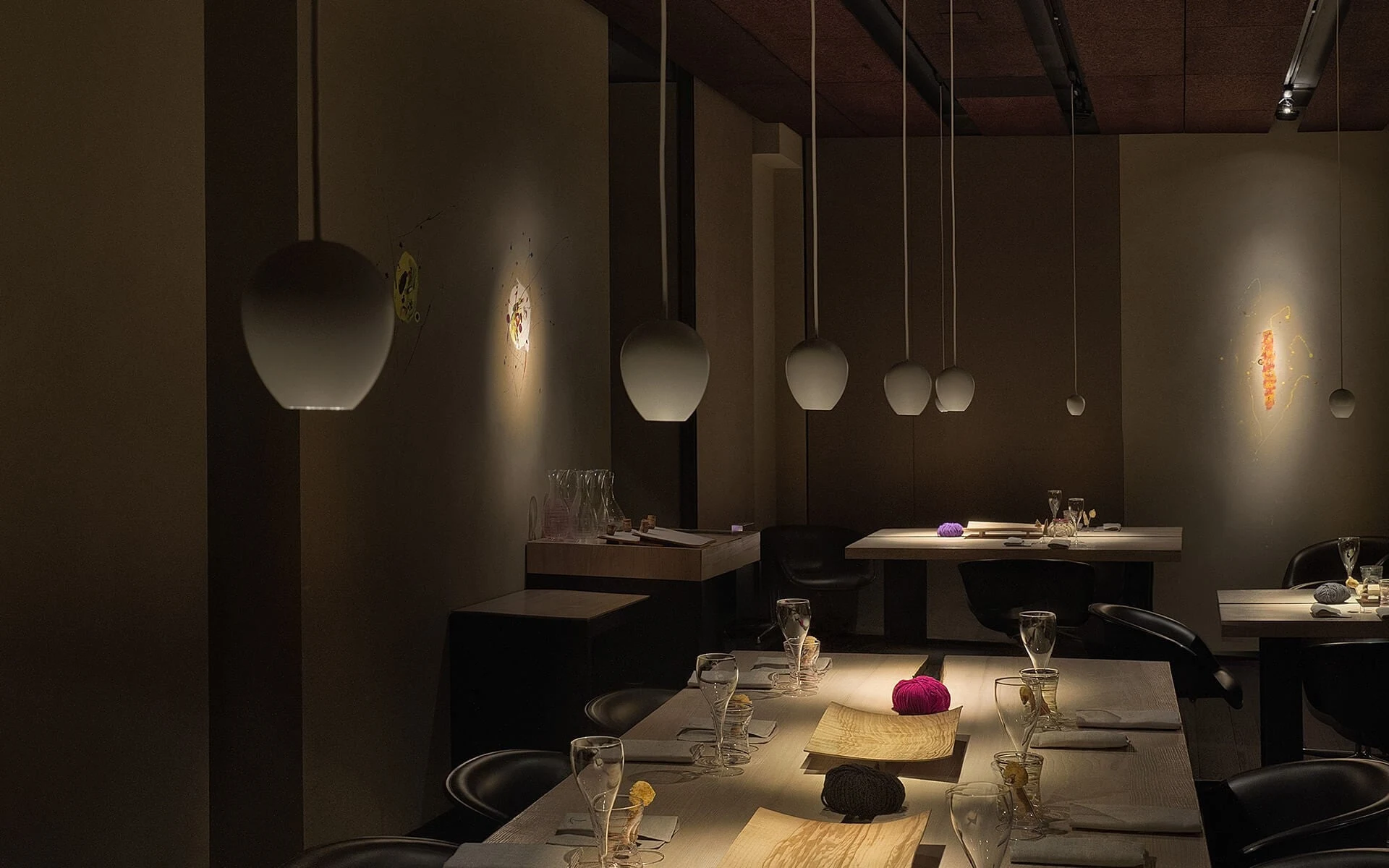
| Alchemist | Michelin 2 Stars, World's 50 Best | Avant-Garde Molecular Gastronomy with Social Commentary | Copenhagen |
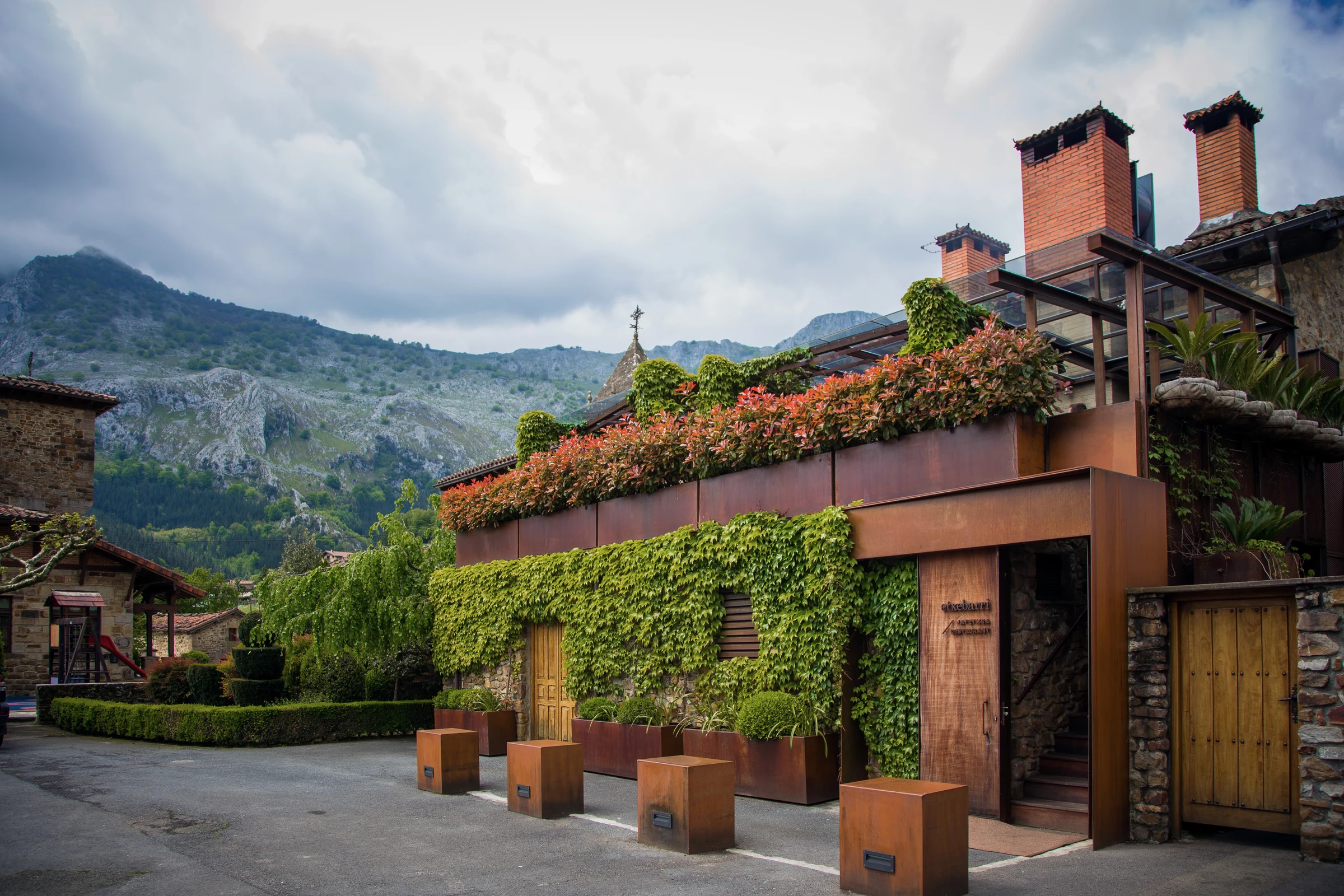
| Asador Etxebarri | Michelin 1 Star, World's 50 Best | Basque Wood-Fired Grill | Atxondo |
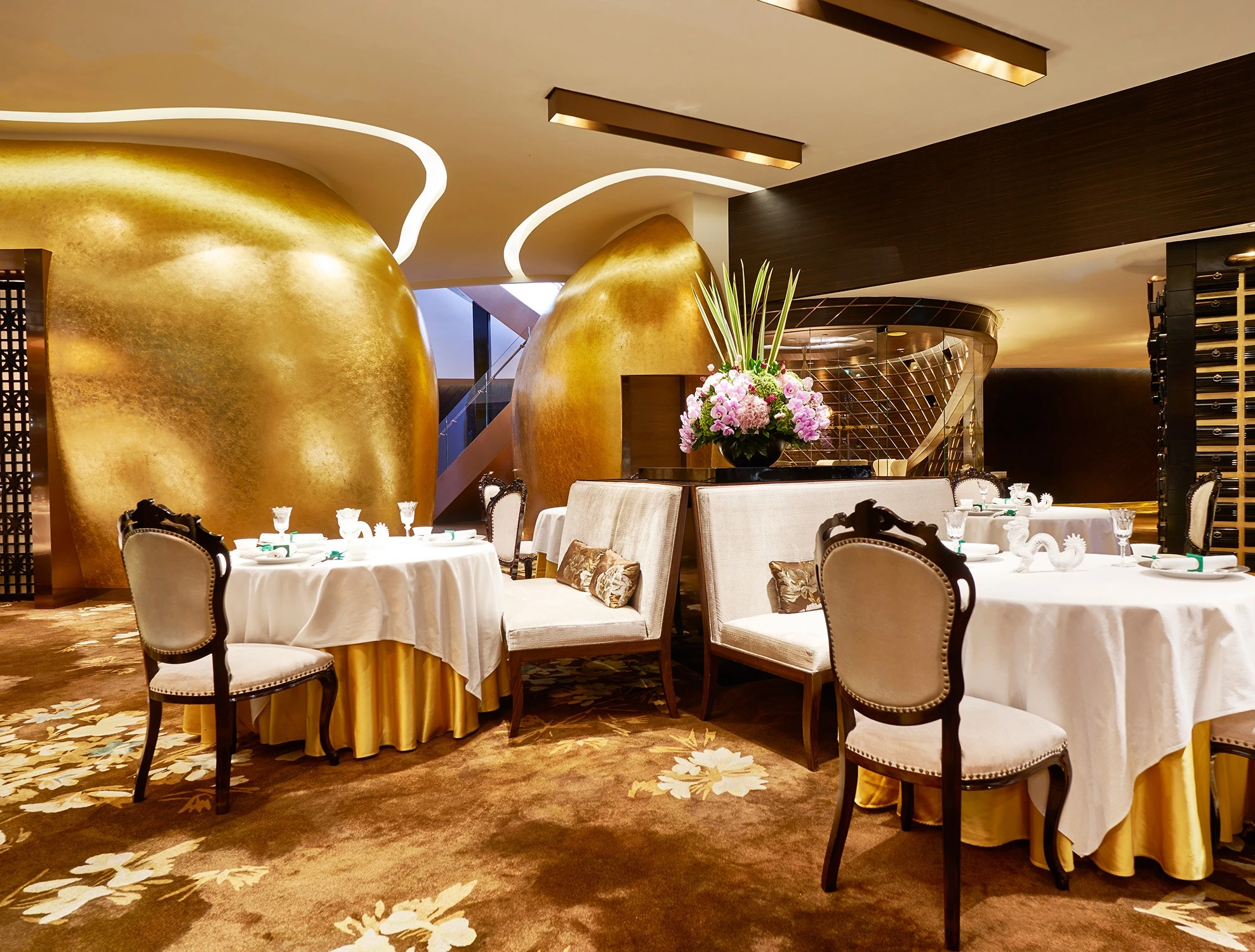
| Jade Dragon | Michelin 3 Stars, World's 50 Best | Three Michelin-Star Cantonese Fine Dining | Macau |
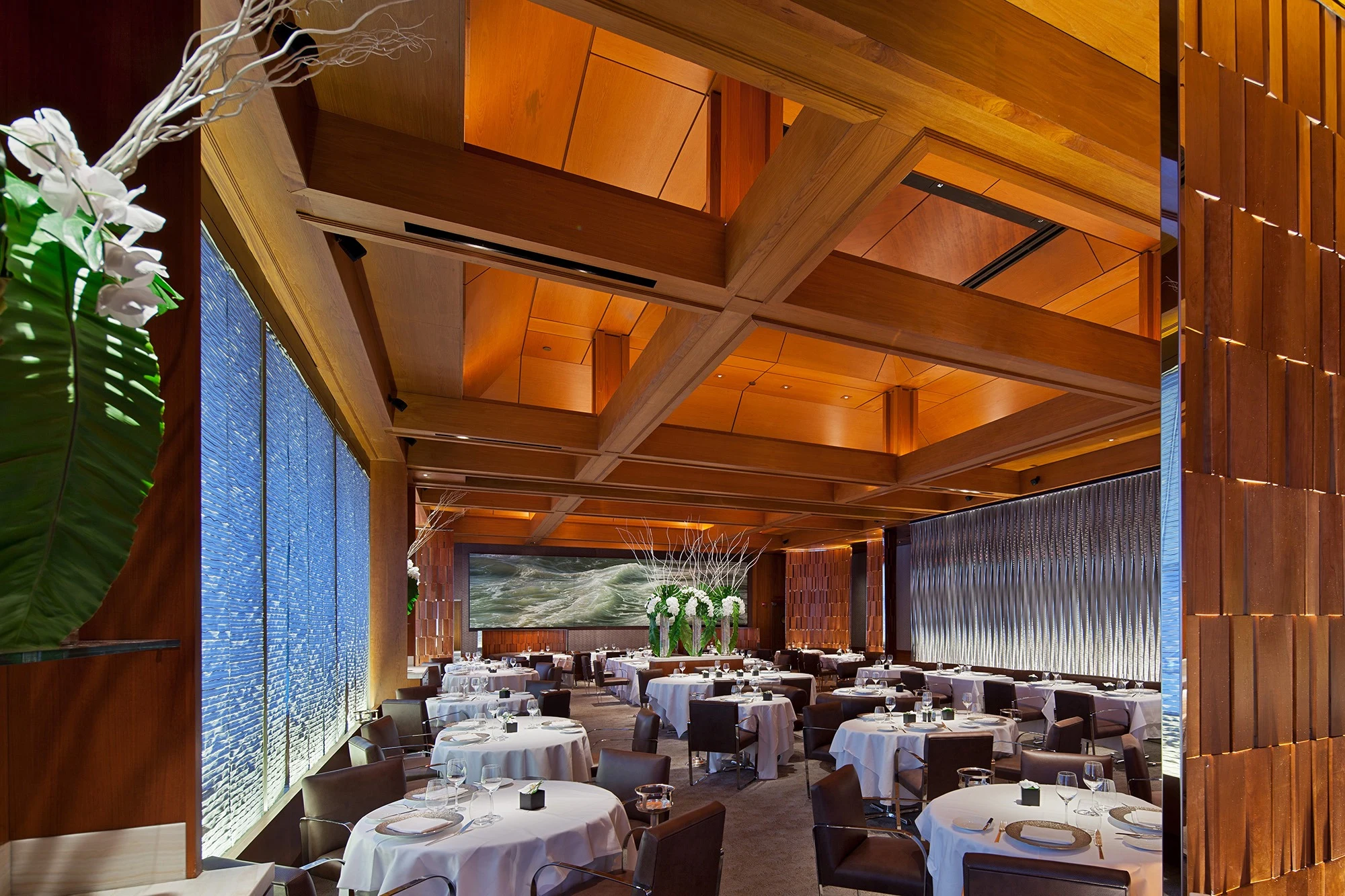
| Le Bernardin | Michelin 3 Stars, World's 50 Best | French Seafood Fine Dining | New York City |
| Le Calandre | Michelin 3 Stars, World's 50 Best | Modern Italian Fine Dining | Rubano |
| The Fat Duck | Michelin 3 Stars, World's 50 Best | Modern British Molecular Gastronomy | Bray |
In residence
Similar places
Avant-Garde Molecular Gastronomy with Social Commentary
Alchemist
Copenhagen, Denmark
★★ · 50 Best
Basque Wood-Fired Grill
Asador Etxebarri
Atxondo, Spain
★ · 50 Best
Three Michelin-Star Cantonese Fine Dining
Jade Dragon
Macau, Macau
★★★ · 50 Best
French Seafood Fine Dining
Le Bernardin
New York City, United States
★★★ · 50 Best
Modern Italian Fine Dining
Le Calandre
Rubano, Italy
★★★ · 50 Best
Modern British Molecular Gastronomy
The Fat Duck
Bray, United Kingdom
★★★ · 50 Best