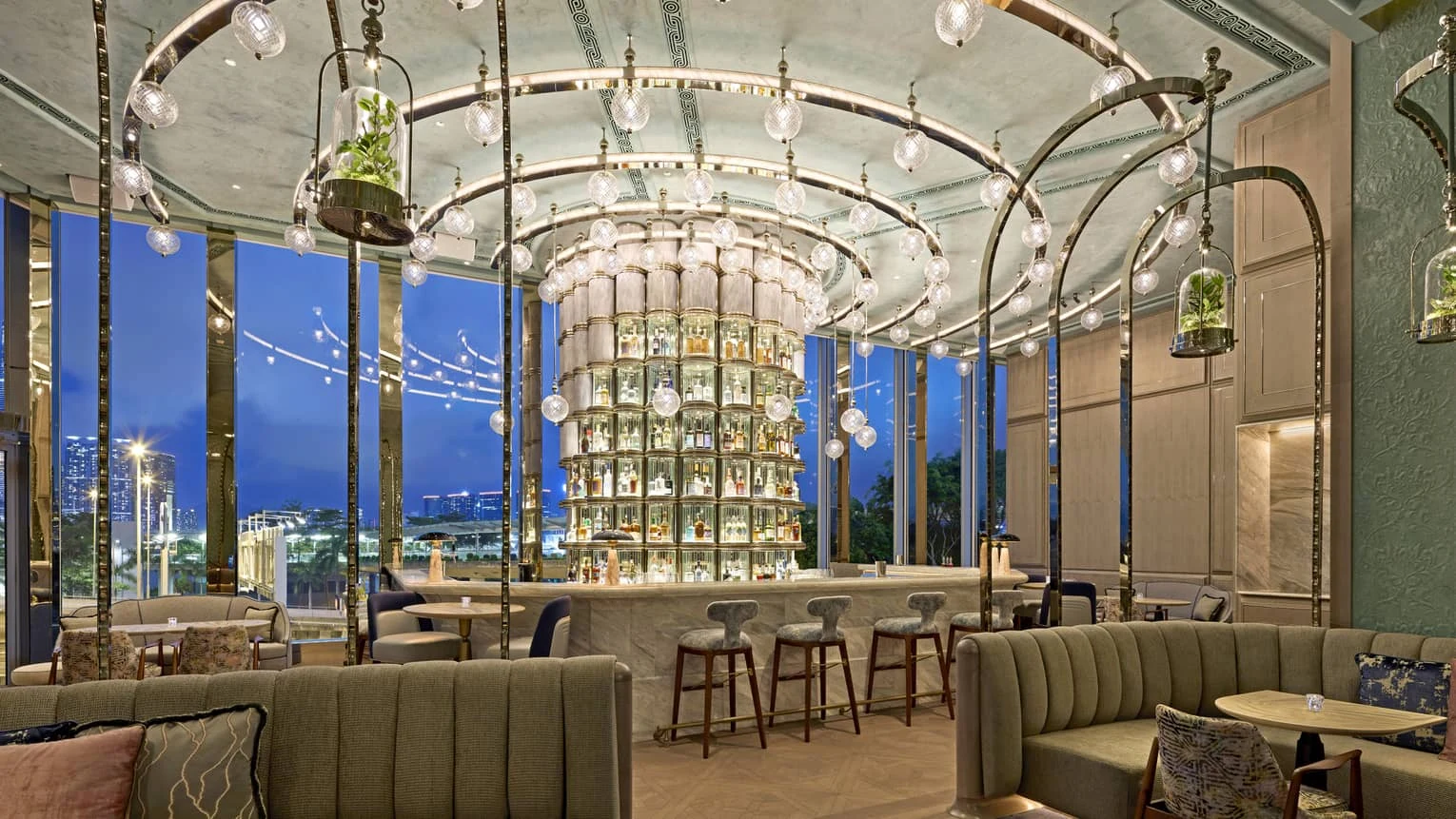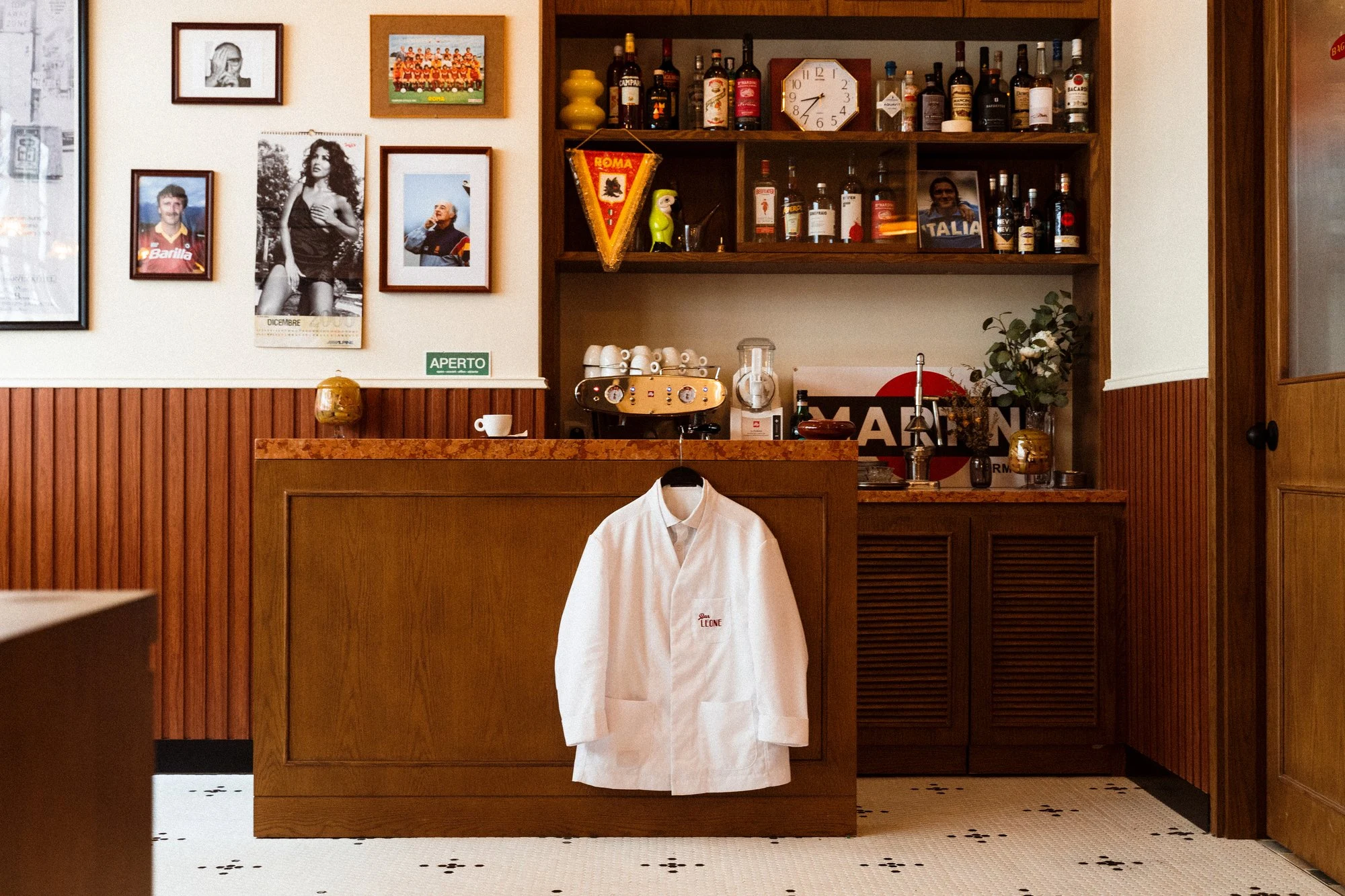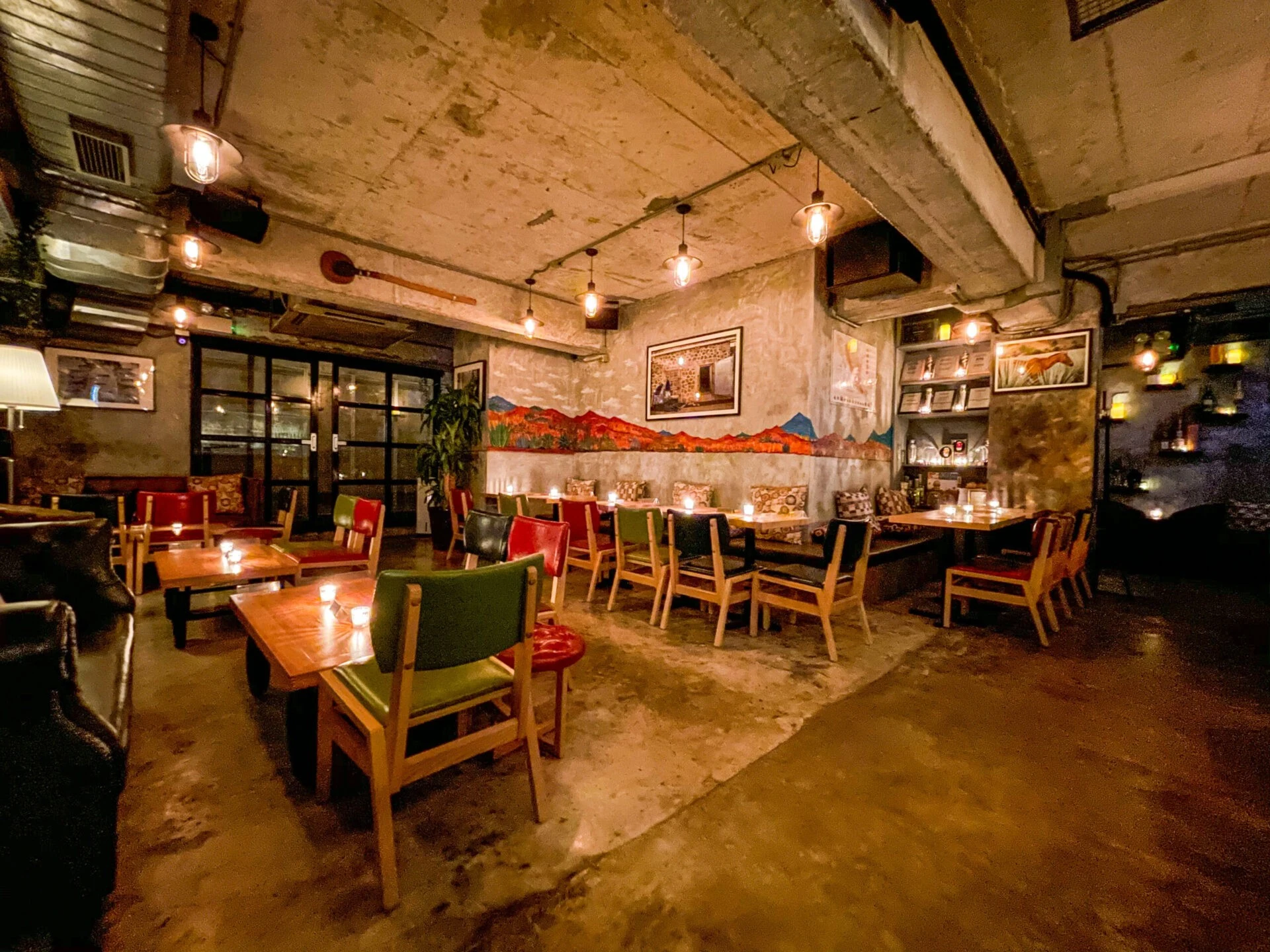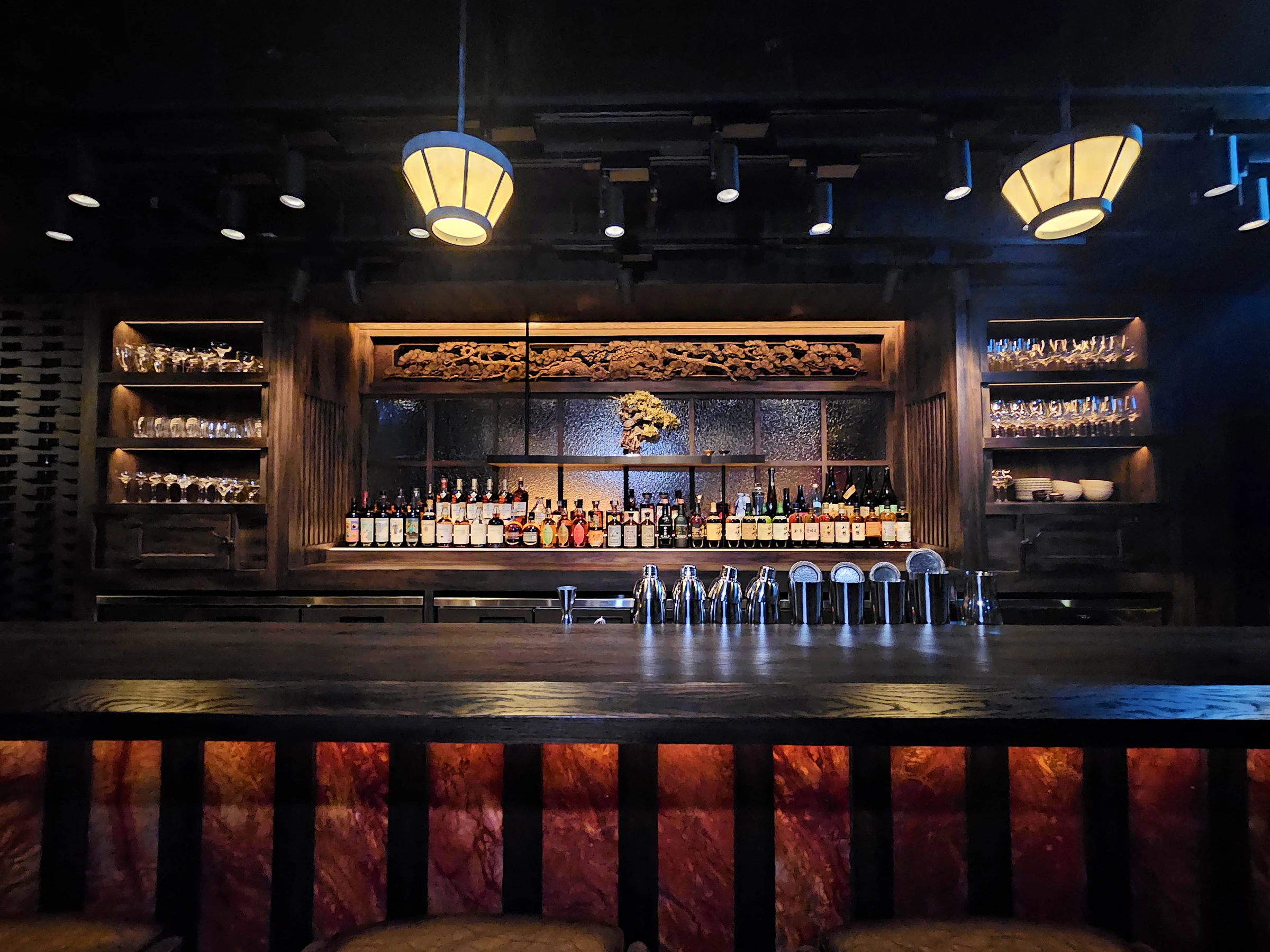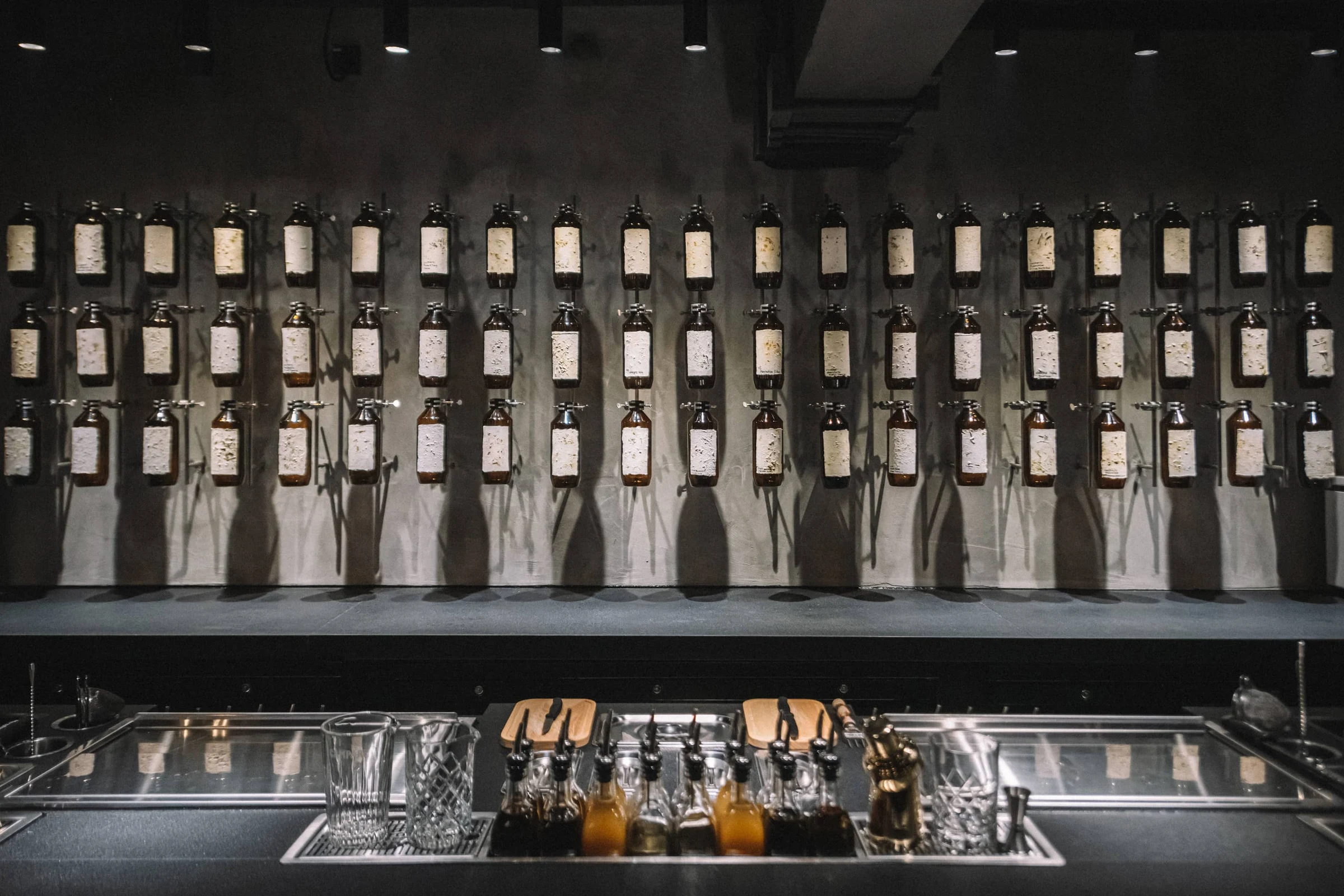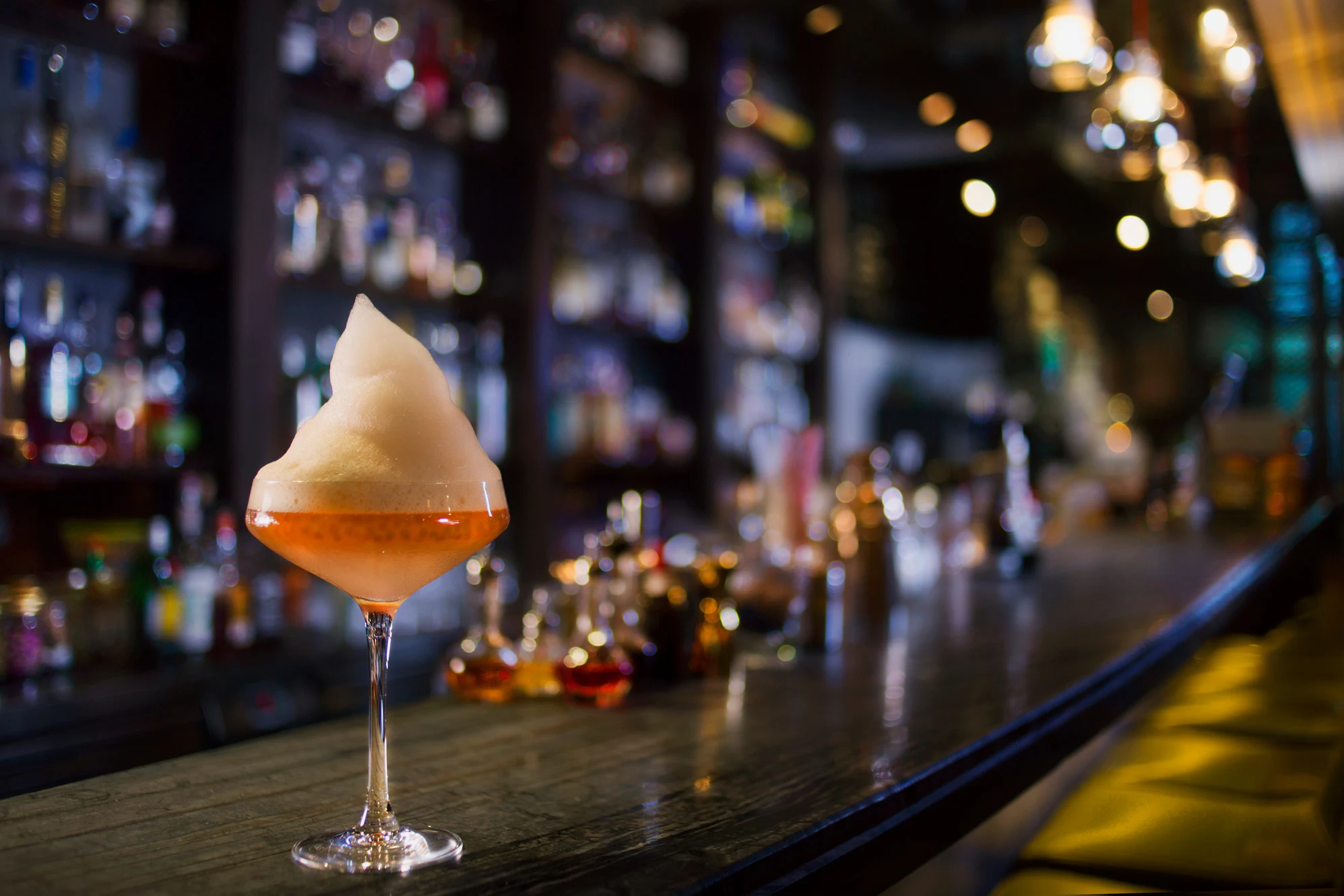
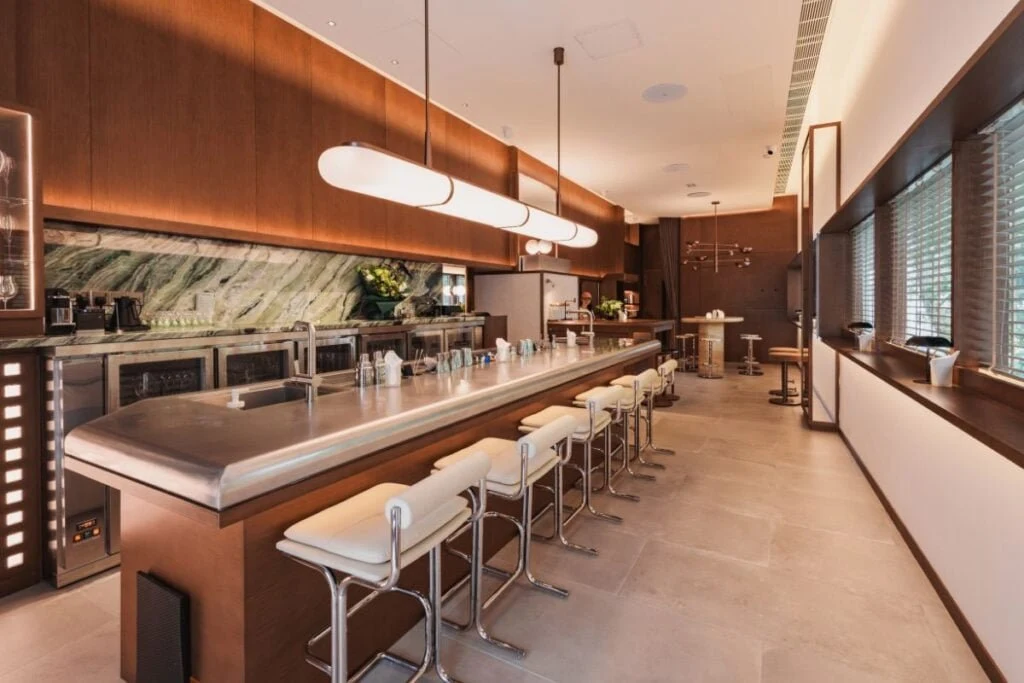
Mius belongs to Hong Kong’s newer cocktail tier: compact, city-facing, and judged less by spectacle than by how precisely a bar can make sourcing, technique, and mood feel coherent. Its 2026 Tales Spirited Awards Top 10 Nominee citation for Best New International Cocktail Bar places it in the international conversation early, which matters in a city where serious drinking rooms are already densely contested.
<p>Central’s uphill drinking circuit changes after office hours: pavements narrow, restaurant noise spills onto the street, and cocktail culture shifts from hotel polish to small rooms with sharper points of view. That is the useful way to read Mius. Hong Kong has many bars built around skyline drama, grand lobbies, and maximalist theatre; the sharper recent movement sits closer to the street, where a room must justify itself through drink structure, ingredient logic, and pace rather than scale.</p><p>The international signal came quickly. Mius was named a Top 10 Nominee for Best New International Cocktail Bar at the 2026 Tales Spirited Awards, a category that rewards clear identity over novelty. In Hong Kong, where hotel bars, agave specialists, wine-led rooms, restaurant-adjacent counters, and late-night neighbourhood bars compete within a small radius, that recognition suggests definition strong enough to be understood beyond its neighbourhood.</p><h2>Hong Kong's newer cocktail rooms are being judged by sourcing, not spectacle</h2><p>The city’s mature cocktail scene has moved beyond the old binary of speakeasy secrecy versus luxury-hotel formality. A newer bar must answer a harder question: what does it contribute to the drink itself? Ingredient sourcing is now part of that answer. In high-performing cocktail cities, menus increasingly read through provenance, preservation, seasonality, fermentation, local produce, clarified bases, and lower-waste prep. Not every bar needs a manifesto; serious drinkers notice when a menu has an internal supply chain rather than fashionable flavours.</p><p>Mius fits that conversation because its recognition is for the cocktail program as a new international bar, not restaurant glamour or hotel infrastructure. Hong Kong can support large-format hospitality with deep purchasing power, but its sharper drinking rooms often work at another scale: fewer visual distractions, more pressure on balance, and a clientele able to compare a drink against strong regional peers in Singapore, Tokyo, Seoul, Bangkok, and Taipei. In that tier, ingredient choices are structure, not decoration.</p><p>The comparison set inside Hong Kong is broad. Coa helped make agave a serious local category rather than a niche import. NEO Cocktail Club points to the city’s appetite for younger, more format-conscious drinking rooms. James Suckling Wine Central sits on the wine side, where producer knowledge and bottle access create a different rhythm. SILÈNE and VEA Restaurant show how restaurant technique influences Hong Kong’s thinking on drinks, pacing, and pairing. Mius enters as a cocktail-bar proposition, so the question is not whether it feels grander than those peers. It is whether its drinks have enough sourcing discipline and conceptual clarity to hold attention in a crowded city.</p><h2>The useful read is Central intimacy, not hotel-bar scale</h2><p>Central gives a bar both advantage and problem. The advantage is density: diners, finance workers, travellers, and industry drinkers move through nightly. The problem is sameness. Address alone is not enough in a neighbourhood saturated with competent rooms. Sharper venues create a recognisable cadence: early-evening aperitif traffic, later cocktail drinkers, and a post-dinner crowd that judges service by tempo as much as charm.</p><p>That context makes Mius more interesting as a small-format city bar than as a destination label. Its value is clearest to drinkers who care how a menu is built: how fresh elements, preserved components, spirits, acids, dilution, and garnish decisions connect rather than compete. Hong Kong’s cocktail culture is especially good at this compression. A drink can carry Cantonese pantry references, Japanese technique, tropical produce, European aperitif structure, or modern bar-lab methods without announcing every influence in neon. Stronger rooms know when to make those references legible and when to keep them quiet.</p><p>For travellers, Mius works as part of a Central and Sheung Wan drinking route rather than a stand-alone evening plan. That is how Hong Kong is used well. The city rewards moving between formats: a precise cocktail room, a wine bar, a late meal, then a hotel bar if the night stretches. Readers comparing options can map the category through our full Hong Kong bars guide, then cross-check dinner plans through our full Hong Kong restaurants guide and stays through our full Hong Kong hotels guide. For a broader city itinerary, <a href="https://www.enprimeurclub.com/experiences/hong-kong">our full Hong Kong experiences guide</a> and our full Hong Kong wineries guide help separate a drinks-led night from wider travel planning.</p><h2>Where Mius sits among Hong Kong's high-intent drinking options</h2><p>The city’s drinking hierarchy is no longer defined by size. A bar can be internationally legible without a hotel lobby, grand staircase, or panoramic view. Awards bodies have formalised that shift by recognising compact, ingredient-aware rooms alongside larger operations. A 2026 Tales Spirited Awards Top 10 Nominee placement gives Mius a trust signal, but read it as a category marker, not a blanket guarantee. Expect a focused cocktail bar with a defined point of view, not a general nightlife venue trying to please every table.</p><p>That distinction helps with planning. Drinkers looking for a restaurant-led evening might start elsewhere, including <a href="https://www.enprimeurclub.com/bars/8-12-otto-e-mezzo-bombana-hong-kong">8 1/2 Otto e Mezzo Bombana</a>, while those tracking hotel-bar polish can compare the tone against <a href="https://www.enprimeurclub.com/bars/argo-hong-kong">Argo</a> or ARGO at the Four Seasons. Rooftop and design-forward drinking sits in another lane, as at Above by Komune. For a waterborne tourist classic, <a href="https://www.enprimeurclub.com/bars/aqualuna-tsim-sha-tsui-pier-no-1-soho-bar">Aqualuna (Tsim Sha Tsui Pier No. 1) in Soho</a> answers a different brief entirely. Outside Hong Kong, EP Club’s bar coverage stretches from <a href="https://www.enprimeurclub.com/bars/be-club-san-sebastian-bar">¡BE! Club in San Sebastián</a> to a ’70s-inspired bar in Sydney, useful reference points for how differently cities package serious drinking.</p><p>The editorial case for Mius is strongest for travellers who understand that Hong Kong’s cocktail culture is not a single style. It is a compressed market where sourcing, technical control, and room intelligence matter because the next serious bar may be minutes away. A new venue earning international awards attention in that environment has cleared an early credibility test. Choose it when the night calls for a focused cocktail room in Central, and judge it by how clearly the glass explains the bar’s point of view.</p>
Mius reads as a Central cocktail bar built for late hours, with service running from 5 PM to 1 AM every day at 29 Gough St. The 2026 Tales Spirited Awards Top 10 Nominee listing for Best New International Cocktail Bar signals a room aimed at serious cocktail drinkers.
Hours at Mius: Mon: 5 PM–1 AM; Tue: 5 PM–1 AM; Wed: 5 PM–1 AM; Thu: 5 PM–1 AM; Fri: 5 PM–1 AM; Sat: 5 PM–1 AM; Sun: 5 PM–1 AM.
Mius is located at 29 Gough St, Central, Hong Kong, Hong Kong.
Mius is strongest as a late-night cocktail destination in Central, Hong Kong, with nightly service from 5 PM to 1 AM. Its 2026 Tales Spirited Awards Top 10 Nominee status in Best New International Cocktail Bar gives that focus clear industry weight.
29 Gough St, Central, Hong Kong
Central / Soho