Mizumi
In Residence
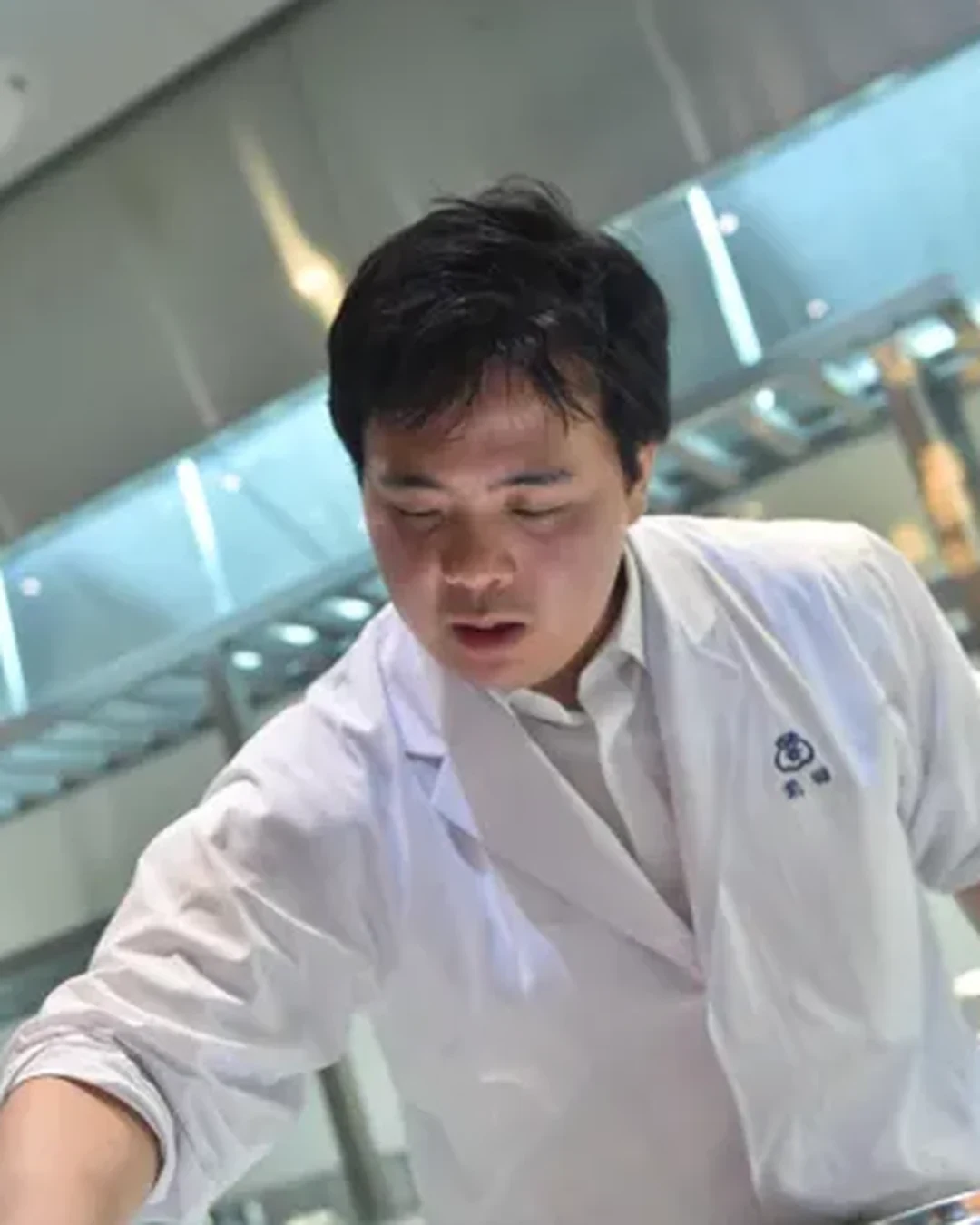
Hironori Maeda
Chef
- 01CuisineModern Japanese Fine Dining
- 02CityMacau, Macau
- 03RecognitionOne Michelin Star
- 1 Michelin Star · Michelin Guide
- Wine Spectator · Tier 2
- Michelin 1 Star · 2026
- SCMP 100 Top Tables Restaurants · 2026
- Wine Spectator Best of Award of Excellence · 2026
- Forbes 5-Star · 2026
- Opinionated About Dining Top Restaurants in North America Ranked #380 · 2025
- Wine Spectator Best of Award of Excellence · 2025
- Forbes 5-Star · 2025
- Michelin 1 Star · 2025
- Opinionated About Dining Top Restaurants in Asia Ranked #254 · 2025
- Opinionated About Dining Top Restaurants in North America Ranked #514 · 2024
- Opinionated About Dining Top Restaurants in Asia Ranked #221 · 2024
- Michelin 1 Star · 2024
Three Kitchens, One Sourcing Philosophy
Macau's Cotai Strip has accumulated a density of high-format Japanese dining that would be competitive in any Asian city. What distinguishes the more serious entries in that category is not décor ambition but supply-chain discipline: the question of how often ingredients arrive, from where, and under whose quality control. At Mizumi inside Wynn Palace, the answer is structured around a regular freight connection to Japanese fish markets and produce suppliers. That cadence shapes what the kitchen can offer on any given evening. It places the restaurant in a narrow peer group, domestically and across the region, where the gap between source and plate is measured in hours rather than days.
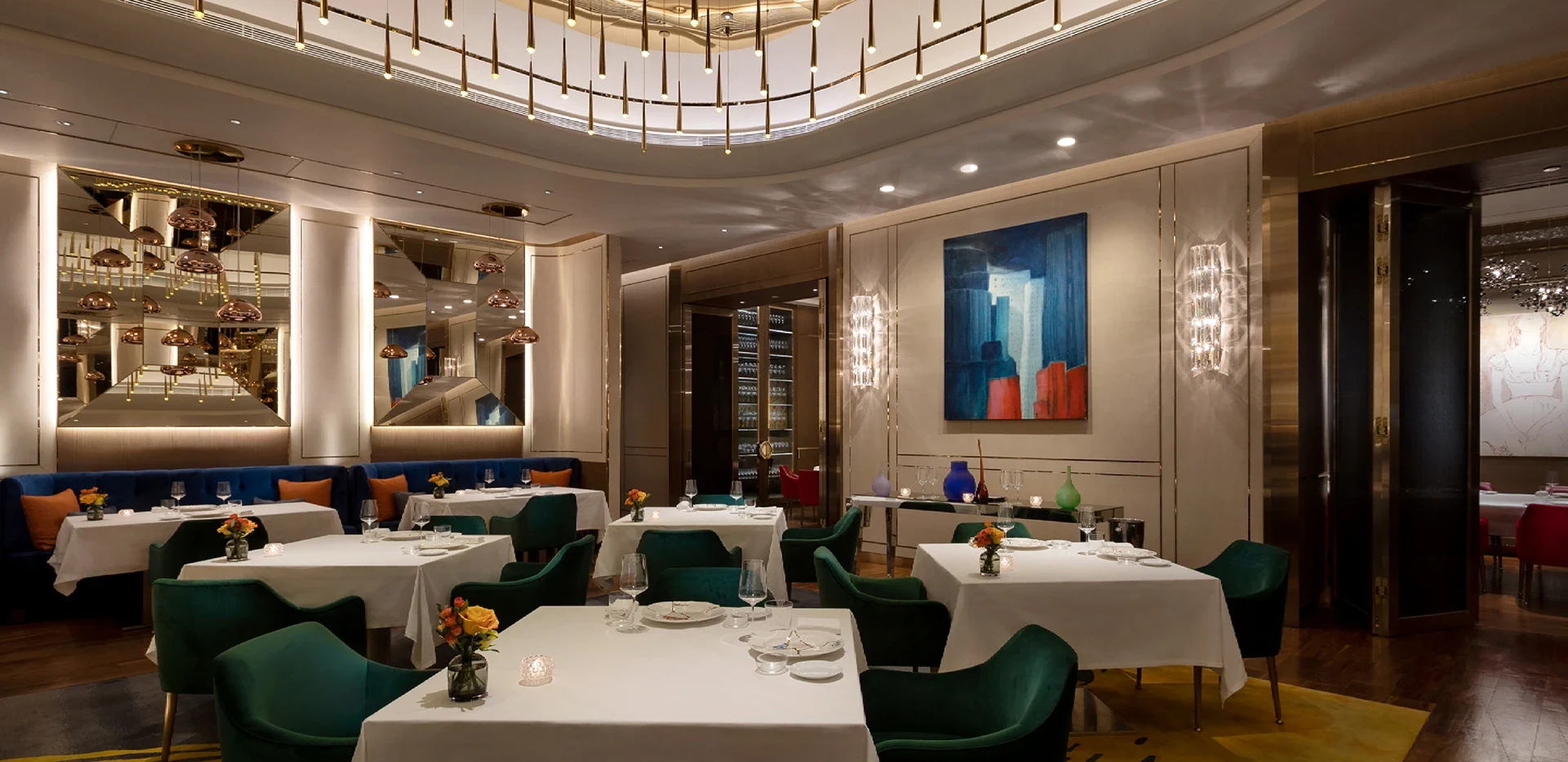
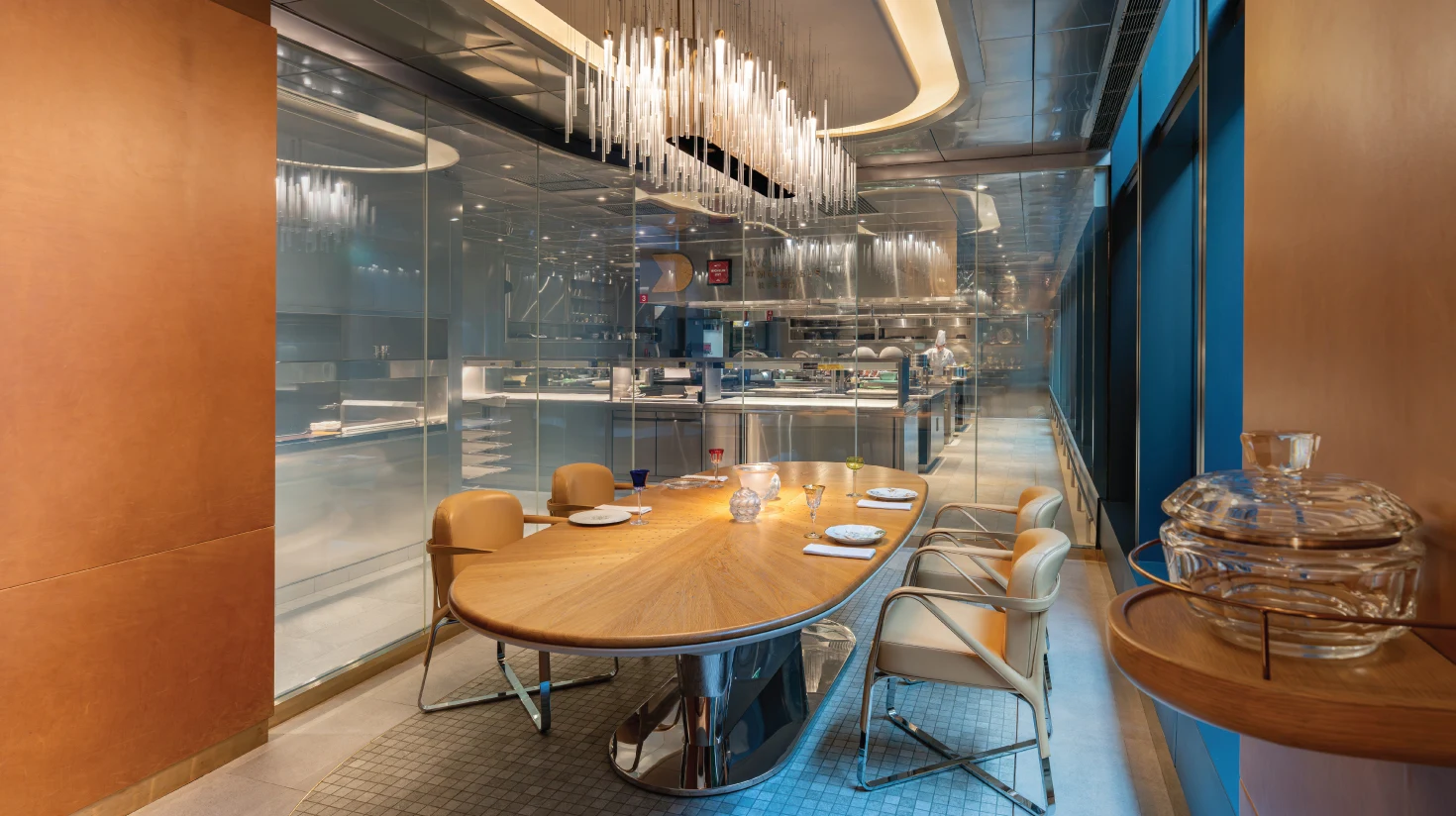
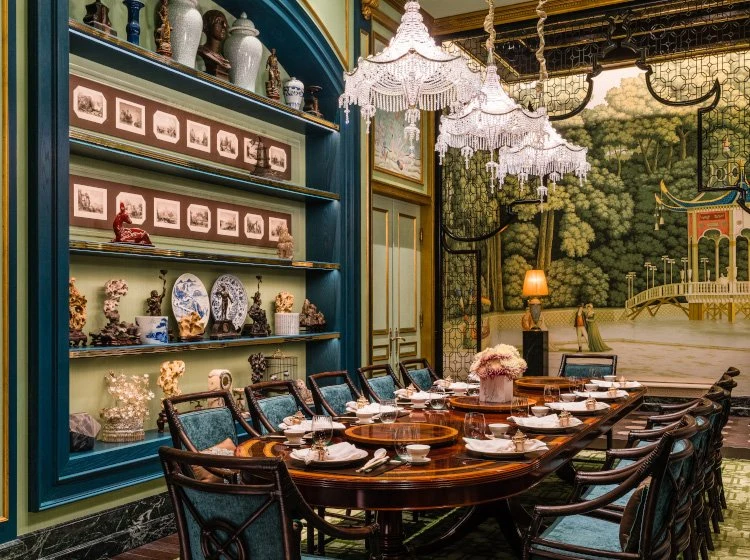
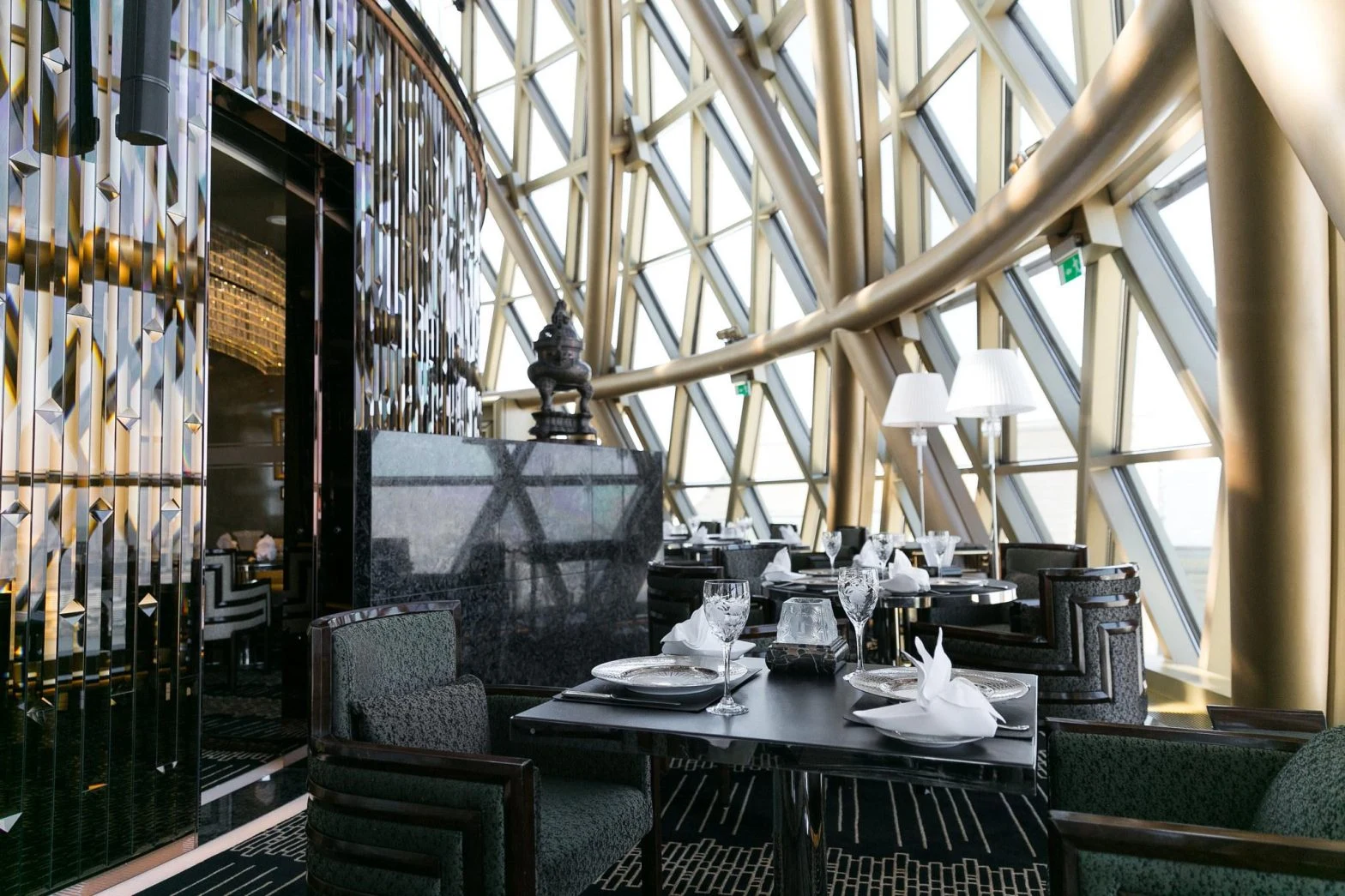
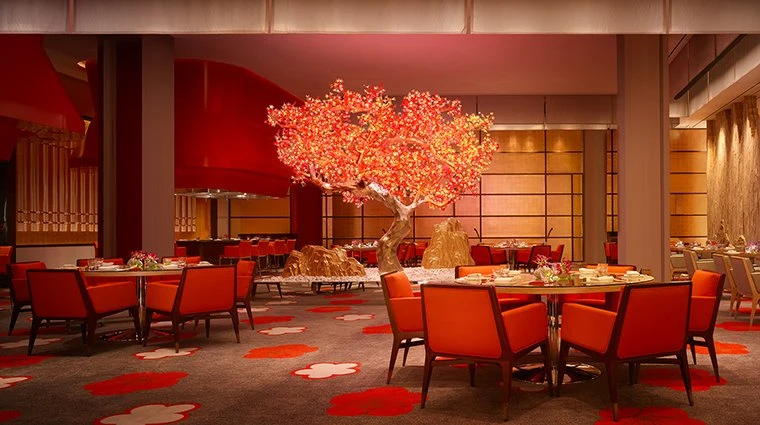
The physical space reinforces the operational division. Mizumi runs three discrete cooking zones, tempura, teppanyaki, and sushi, each with its own set menus. Guests in the main dining room, anchored by a koi centerpiece, can order across the full à la carte selection rather than committing to a single format. The sushi counter operates as a functionally separate experience under the Sushi Mizumi designation, with a maximum of twelve covers and a two-master-chef ratio. The dress code throughout is smart casual.
Sourcing as an Environmental Position
Across fine Japanese dining in Asia, daily sourcing evaluation has become a marker of seriousness: if produce or fish does not meet the kitchen's standard on a given day, it does not reach service. Mizumi operates on this basis. Ingredients are assessed each morning, and only what clears inspection moves forward. By sourcing to a standard rather than to a volume target, the kitchen reduces over-ordering and limits waste at the raw-material stage. The trade-off is a menu that shifts frequently.
That seasonal responsiveness is most visible in the sushi and omakase offerings, where dishes like Hokkaido live sea urchin sashimi with lime jelly, steamed Japanese abalone with sweet tare, or char-grilled kinki fish in dashi are not anchored to a fixed menu but appear when the ingredient quality justifies them. For the teppanyaki section, Kagoshima Wagyu tenderloin grilled on the teppan with sea salt, wasabi, black pepper, and onion gravy on the side represents the kind of single-origin land protein that depends on consistent supplier relationships rather than spot purchasing. The sourcing model here is less about ethical certification and more about the practical outcome: a kitchen that buys to quality thresholds, adjusts to what Japan's seasons actually offer, and does not pad the menu with filler sourced regionally when the premium product is unavailable.
The sake list, shared between Mizumi and Sushi Mizumi, extends the sourcing logic into the beverage program. More than 70 varieties are overseen by a dedicated sake sommelier, which is an unusual staffing commitment in a market where sake is more often folded into a general wine director's responsibilities. The wine program runs to 870 selections and 21,500 bottles in inventory. Champagne, Bordeaux, and Burgundy form the structural core, with Italian, Spanish, and California labels rounding out the list. Wine pricing sits in the premium tier, with many bottles above the $100 mark. A corkage fee of $50 applies for outside bottles. For a dining room at this price point inside a major resort property, the depth of the list is a genuine differentiator: the ratio of selections to covers is high, and the France-first orientation aligns with the tastes of the international clientele that Cotai attracts. Compare this approach to what you find at Robuchon au Dôme or Alain Ducasse at Morpheus, where French programming similarly prioritizes depth over breadth.
Where Mizumi Sits in Macau's Japanese Tier
Macau's serious Japanese dining options are fewer than its Cantonese or Chinese regional alternatives. The city's Michelin-listed and critically recognized Chinese tables, including Chef Tam's Seasons, Jade Dragon, and the Hunan-Sichuan programming at Feng Wei Ju, represent a deeper and more competitive local field. Japanese fine dining in the market operates against a narrower comparable set, which gives Mizumi more room to differentiate on program depth rather than having to compete on a single format.
The Opinionated About Dining rankings provide a useful coordinate. Mizumi placed #221 in Asia in 2024 and moved to #254 in 2025, while also appearing on the North America list at #380 in 2025 (up from #514 in 2024). The trajectory across both lists suggests a consistent diner base. For context within the broader Chinese dining scene tracked by the same survey, peer-set restaurants worth noting include Xin Rong Ji on Xinyuan South Road in Beijing, 102 House in Shanghai, and Imperial Treasure Fine Chinese Cuisine in Guangzhou, all operating in the same premium-casual tier where service depth and sourcing credibility carry the critical argument.
The sushi counter specifically draws a sharper comparison. Chef Tsutomu Shimamiya, who holds the title of contemporary master craftsman awarded by the Japanese government and has prepared sushi for heads of state, operates in a register that has few direct equivalents in the region outside Tokyo or Osaka. At twelve seats with two master chefs present, the ratio of expert attention per cover is closer to what you encounter at destination counters in New York's most focused tasting-format rooms than at hotel Japanese restaurants in the conventional sense.
Planning a Visit
Mizumi is closed on Mondays. The restaurant is moderately busy across most of the calendar, but demand concentrates around Macau's peak periods: Chinese New Year, Golden Week in October, and most of December. During those windows, reservations are harder to secure and should be made well in advance. Outside peak season, a week's notice is generally sufficient for the main dining room, though the twelve-seat sushi counter requires earlier planning given its limited capacity. The counter can also be booked out in its entirety for private gatherings, which is a format worth knowing about for groups of that size. Additional regional context from cities across mainland China, including Ru Yuan in Hangzhou, Xin Rong Ji in Chengdu, and Dai Yuet Heen in Nanjing, is worth reading for anyone building a longer China itinerary around serious dining.
Questions
Frequently asked
What recognition does Mizumi hold?
Mizumi holds 1 Michelin star.
Who works at Mizumi?
Made By profiles Hironori Maeda (Chef) at Mizumi.
How expensive is Mizumi?
Mizumi is listed at a price level of $$$$.
Where is Mizumi and what does it serve?
Mizumi is in Cotai, Macau, serving Modern Japanese Fine Dining.
The field
How it compares
| Place | Awards | Cuisine | Notes |
|---|---|---|---|
| Mizumi | Michelin 1 Star | Modern Japanese Fine Dining | Cotai, $$$$ |
| 8 1/2 Otto e Mezzo Bombana (Macau) | Michelin 1 Star | Modern Sicilian Italian Fine Dining | Macau |
| Alain Ducasse at Morpheus | Michelin 2 Stars | Contemporary French Fine Dining | Macau |
| Imperial Court | · | Modern Cantonese | Macau |
| Jade Dragon | Michelin 3 Stars, World's 50 Best | Three Michelin-Star Cantonese Fine Dining | Macau |
| Palace Garden | Michelin 1 Star | Modern Cantonese Fine Dining | Macau |
| Robuchon au Dôme | Michelin 3 Stars | Contemporary French Fine Dining | Macau |
In residence
Similar places
Modern Sicilian Italian Fine Dining
8 1/2 Otto e Mezzo Bombana (Macau)
Macau, Macau
★
Contemporary French Fine Dining
Alain Ducasse at Morpheus
Macau, Macau
★★
Modern Cantonese
Imperial Court
Macau, Macau
Three Michelin-Star Cantonese Fine Dining
Jade Dragon
Macau, Macau
★★★ · 50 Best
Modern Cantonese Fine Dining
Palace Garden
Macau, Macau
★
Contemporary French Fine Dining
Robuchon au Dôme
Macau, Macau
★★★