Skip to Content
    Made ByRestaurant

    Momosan Ramen & Sake
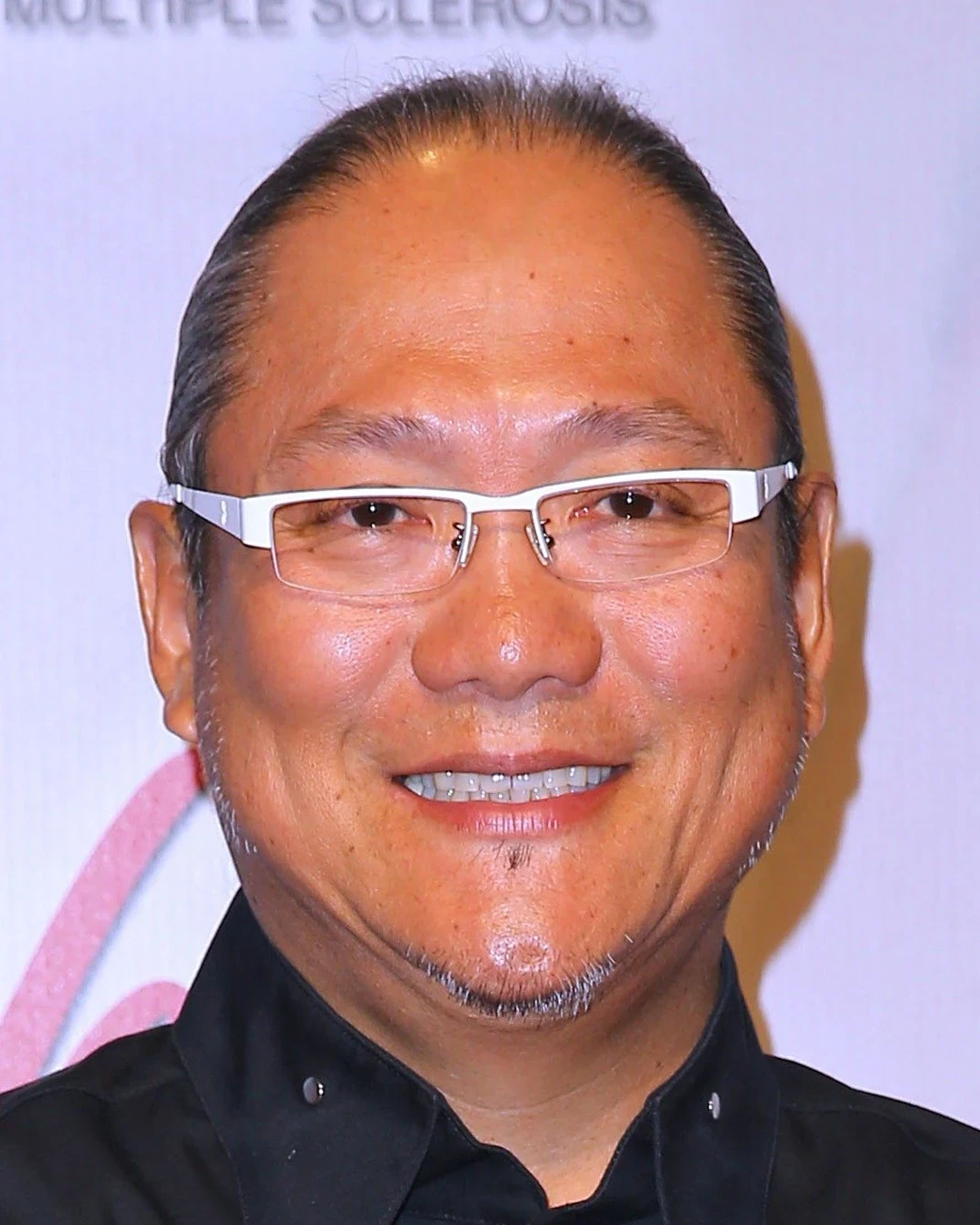
    Masaharu Morimoto

    In Residence

    Masaharu Morimoto

    Chef

    1. 01CuisineRamen
    2. 02CityManhattan, United States
    Momosan Ramen & Sake (restaurant)

    Masaharu Morimoto, Chef at Momosan Ramen & Sake in Manhattan, works ramen, sake, and small plates through a disciplined Japanese line.

    • Opinionated About Dining Cheap Eats in North America Recommended · 2026

    Ramen through a sushi-trained hand

    A bowl leaves the pass under Masaharu Morimoto, Chef at Momosan Ramen & Sake in Manhattan, with broth, noodle, tare, and garnish asked to hold their line. The address is 342 Lexington Avenue, between 39th and 40th Streets, close enough to Grand Central Terminal for the room to feel in motion before service gathers pace. Morimoto’s base was formed in Hiroshima as a practical trainee in sushi and traditional kaiseki cuisine, a training in repetition, proportion, and the clean decision of the hand. After a shoulder injury ended his path as a baseball catcher, that bench became where discipline replaced the field. His own restaurant in Hiroshima, open from 1980-1985, gave him a first platform beyond apprenticeship. Manhattan sharpened the method, first at Sony Club, then at Nobu, where he was head chef until 1999. Momosan belongs to the later part of that career, opened in 2016 as a ramen and sake house rather than a formal sushi room, but the grammar is consistent: control first, then movement. The craft here is a Japanese program built by a chef whose practice has long moved between classical proportion and a modern, public kitchen.

    Broth, noodles, sake, and the two-bowl habit

    The menu works from ramen as the center of the station. Tonkotsu, Tokyo chicken ramen, tantan, and tsukemen each ask for a different kind of weight. Tantan carries spicy sesame broth with miso ground pork and ajitama egg; the version here also brings a Malaysian-influenced spicy coconut curry note into the bowl. Tsukemen changes the gesture entirely. The kitchen sends it in two bowls, hot soup apart from chilled noodles and toppings, with lime set beside it so the guest changes the last measure at the table. That separation matters. It keeps the noodle from surrendering too early and makes dipping part of the eating, not an afterthought. Around the ramen, the small plates keep the place closer to an izakaya counter than a single-dish shop: Peking duck tacos with hoisin and apricot-chili sauce, crispy Mimiga with shichimi and Japanese mayo, Zuke Maguro with soy-marinated tuna, tataki, cucumber, and taberu rayu, Kakuni Bao with braised pork belly, and sticky ribs cooked twice with hoisin chili. The sake program gives the other structure, with 13 regional varieties poured by the glass in cedarwood masu boxes. The overflow into the square box is a small ceremony, controlled and plain.

    The room around the counter

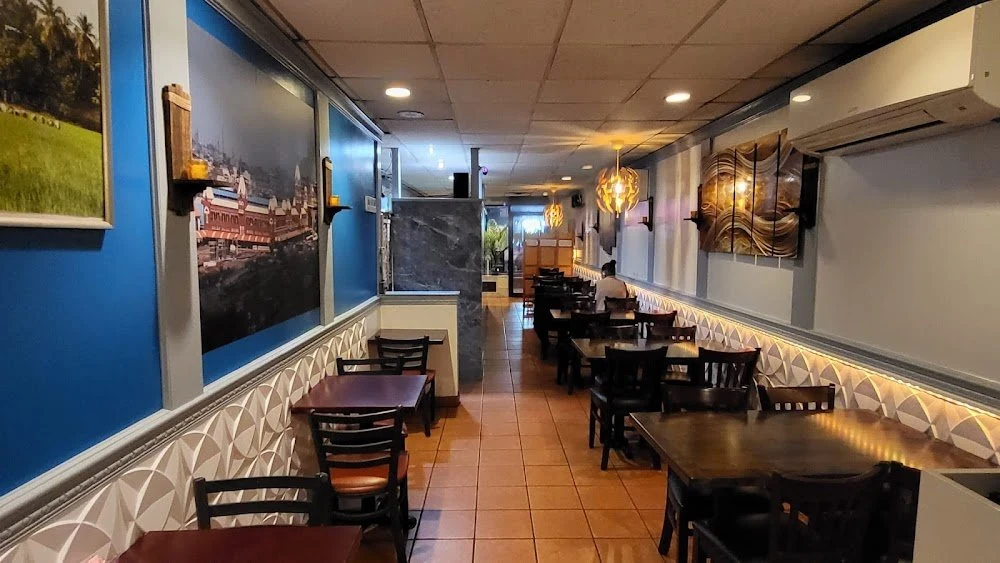
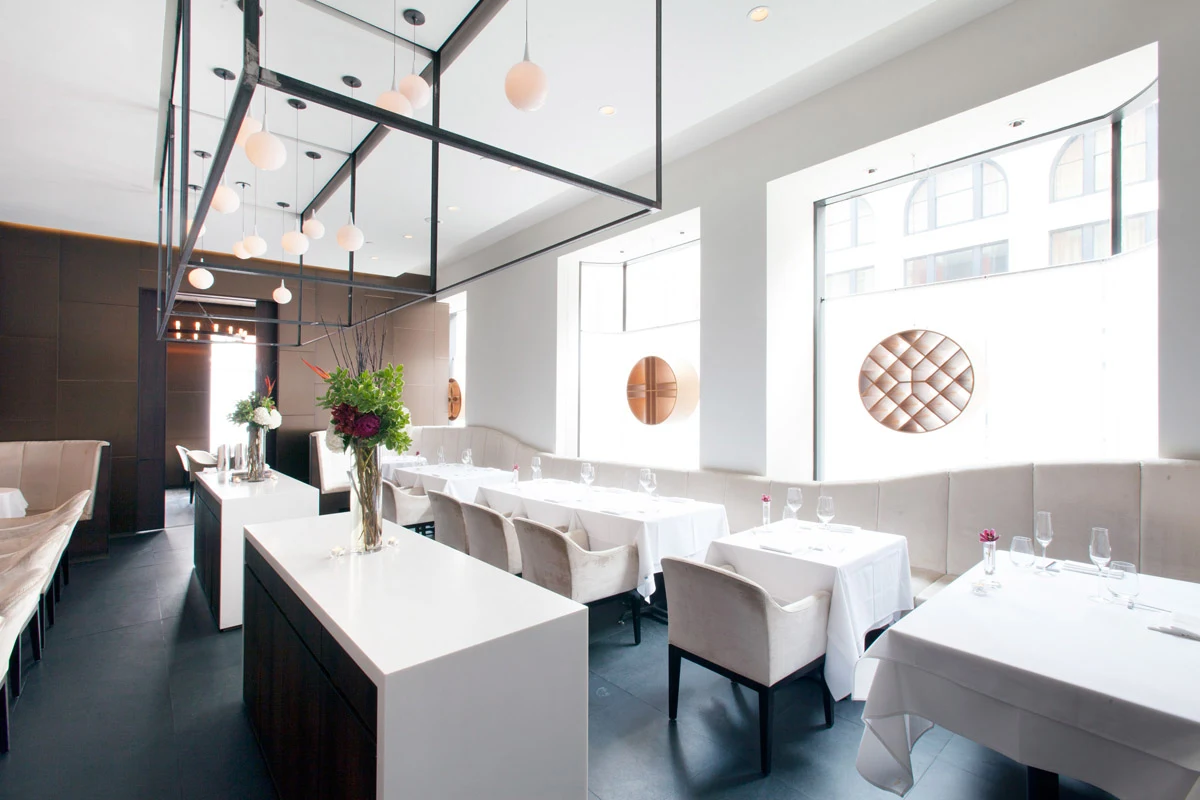
    The room holds communal tables, bar seating, and high seats facing the windows, an arrangement that suits food carried quickly from the pass and eaten while the broth still has its shape. Neutral colors keep the eye on the bowl. Pasta decorates the walls like edible crown molding, a visual joke that lands because the kitchen is otherwise serious about noodles. This is not a hushed room built around long tasting-menu choreography. It works closer to the counter, with chopsticks, spoon, steam, and sake glass doing the pacing. On Lexington Avenue, the movement outside is part of the texture; inside, the craft is compact. A guest may begin with pork gyoza or Zuke Maguro, move into Tokyo chicken ramen or tantan, and finish with the cedar scent left by the masu.

    A public house in a wider career

    Momosan also shows how Morimoto’s wider career has carried formal Japanese training into rooms with different degrees of ceremony. His original Morimoto opened in Philadelphia in 2001; Morimoto Asia and Momosan Ramen & Sake both opened in 2016, separate formats held by one method. The Manhattan ramen house does not need to repeat the sushi counter to belong to that lineage. It asks a narrower question and answers it at service speed: how much control can a casual bowl keep. Morimoto's proof is in the tsukemen, where hot soup, chilled noodles, toppings, and lime remain distinct until the hand brings them together.

    Questions

    Frequently asked

    Who is behind Momosan Ramen & Sake?

    Momosan Ramen & Sake is led by Masaharu Morimoto, whose training began in Hiroshima in sushi and traditional kaiseki cuisine before later work in Manhattan at Sony Club and Nobu.

    What kind of place is it?

    It is a ramen and sake house rather than a formal sushi room, with the menu built around ramen and small plates in a format that feels closer to an izakaya counter than a single-dish shop.

    What is the ramen known for?

    The menu centers on ramen such as tonkotsu, Tokyo chicken ramen, tantan, and tsukemen. Tsukemen is served in two bowls, with hot soup kept separate from chilled noodles and toppings until the last moment at the table.

    What else is served besides ramen?

    The small plates include Peking duck tacos, crispy Mimiga, Zuke Maguro, Kakuni Bao, pork gyoza, and sticky ribs cooked twice with hoisin chili.

    What is the sake program like?

    The sake list includes 13 regional varieties poured by the glass in cedarwood masu boxes, with the overflow into the square box treated as part of the service.

    The field

    How it compares

    PlaceCuisineAwardsNotes
    Momosan Ramen & SakeRamen··
    CoqueModern Spanish Fine DiningMichelin 2 StarsMadrid
    Gaggan AnandProgressive IndianMichelin 1 Star, World's 50 BestBangkok
    Jungsik New YorkModern Korean Fine DiningMichelin 3 Stars, World's 50 BestNew York City
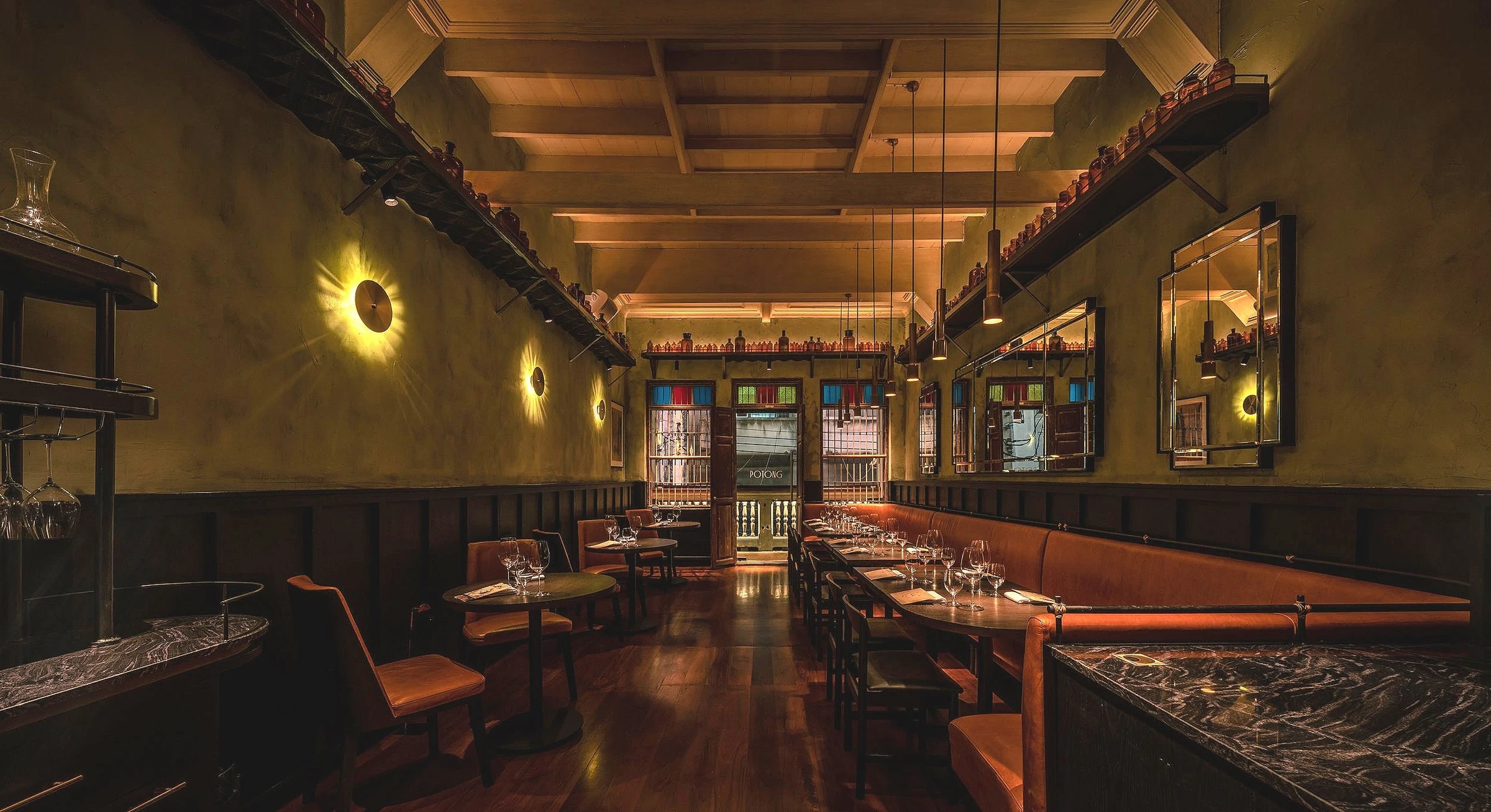
    PotongProgressive Thai-Chinese Fine DiningMichelin 1 Star, World's 50 BestBangkok
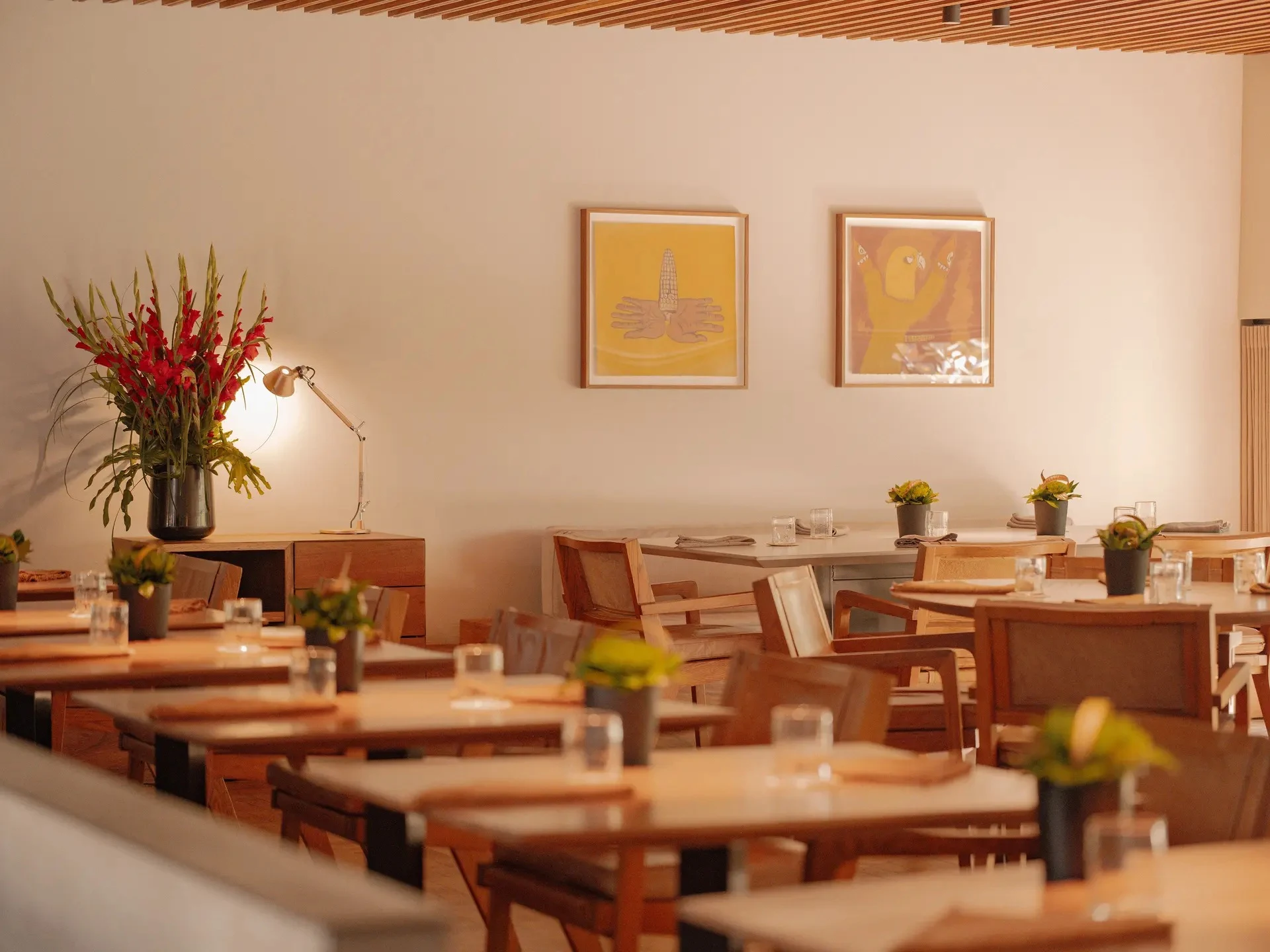
    PujolModern Mexican Fine DiningMichelin 2 Stars, World's 50 BestMexico City
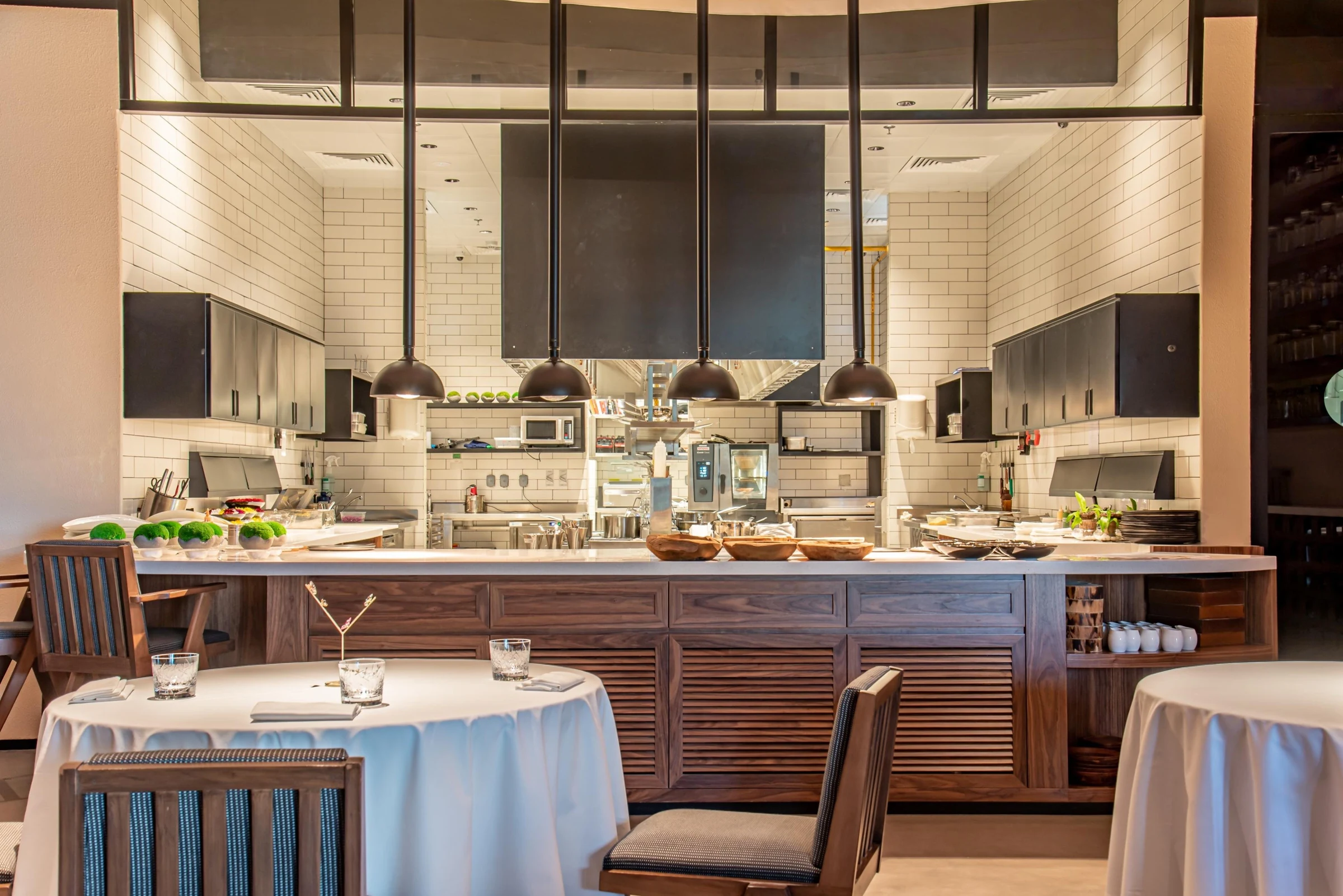
    Trèsind StudioModern Indian Fine DiningMichelin 3 Stars, World's 50 BestDubai

    In residence

    Similar places

    ← Browse all places