Monaci delle Terre Nere
- 01CuisineSicilian Farm-to-Table Fine Dining
- 02CityZafferana Etnea, Italy
- Relais Chateaux Award · 2025
Volcanic Ground, Quiet Table
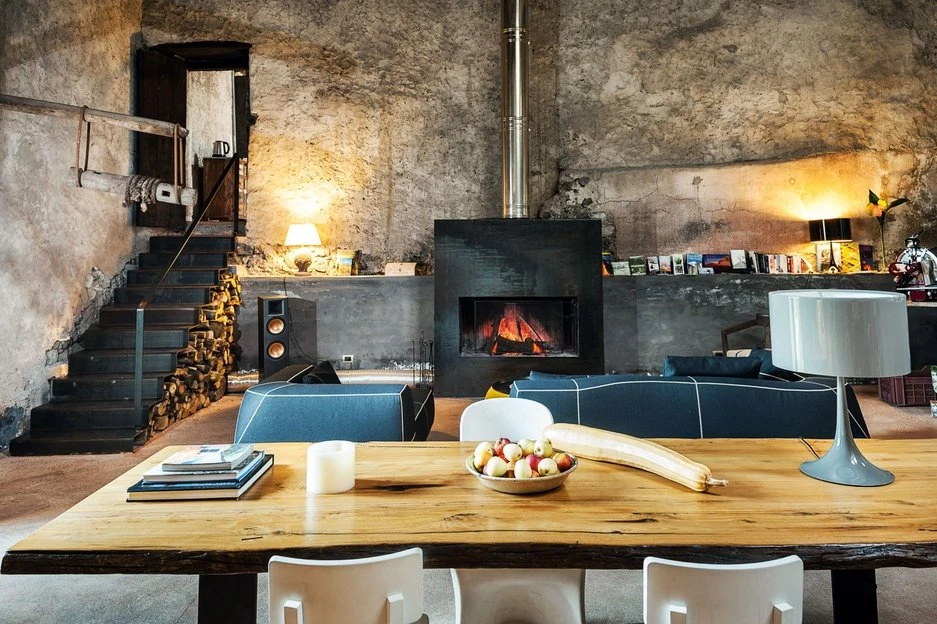
The approach to Monaci delle Terre Nere announces what the meal will be before you reach the door. The road climbs through lava-stone terraces and vine rows on Etna's southern flank, the altitude shifting the air noticeably within a few hundred metres. By the time the estate's buildings appear, the visual logic is already clear: this is a place built from the same black basalt it sits on, shaped by the same volcanic soil that feeds its kitchen. That coherence between land and table is the operative idea here, and it runs through every dimension of the experience.
The property is a Relais & Châteaux member, a grouping that favours independently owned estates with a demonstrable connection between place and hospitality. It is a restaurant in Zafferana Etnea, Sicily, with a smart casual dress code, recommended reservations, and an estimated price of about $80 per person. Monaci fits that profile precisely. It produces its own wine from the surrounding terraces, offers private villa accommodation across the estate, and frames its restaurant as a function of the agricultural holding rather than a standalone dining destination. That ordering matters: the kitchen draws on what the land provides, not the other way around.
The Etna Context: What This Part of Sicily Demands
Etna-slope cooking occupies a distinct register within Sicilian cuisine more broadly. The altitude moderates the heat that defines coastal and lowland Sicilian cooking, and the volcanic soil produces ingredients with an intensity that doesn't require much additional intervention. Tomatoes grown at 600 metres on mineral-rich lava earth have a concentration that those from the coast rarely match. The same applies to the estate's vines: Nerello Mascalese at this elevation produces wines with an acidity and aromatic lift that place them closer to northern Italian or even Burgundian references than to the fuller-bodied southern Italian profile most visitors expect.
That context shapes what a kitchen like this should do. The Italian culinary instinct toward restraint, toward letting a single ingredient carry a dish rather than building layers to compensate, is not a stylistic choice here so much as a geographical instruction. You don't need to elaborate on an ingredient grown in this soil. The job of the kitchen is selection, timing, and the discipline not to add what isn't necessary. Chef Giuseppe Merendino operates within that logic. In this tradition, the cook who does less is often making the harder choice.
Compare this to the approach at Italy's heavily decorated northern tables. At Osteria Francescana in Modena or Enrico Bartolini in Milan, the creative ambition is explicit and the technique visible. At Le Calandre in Rubano or Enoteca Pinchiorri in Florence, the kitchen's intelligence expresses itself through complexity and construction. The Etna model argues something different: that the intelligence is already in the ground, and the kitchen's role is to be precise rather than inventive. Neither approach is superior, but they answer different questions about what cooking is for.
Estate-to-Table as Structural Principle
The wine-producing dimension of Monaci delle Terre Nere is not incidental to the dining experience. Etna has become one of the most closely watched wine regions in Italy over the past fifteen years, with producers on the volcano's various contrade drawing international attention for the way altitude and aspect translate into distinct, terroir-legible wines. The estate's own production places it directly within that conversation. Guests eating at the property can drink wines grown metres from where they are sitting, a form of provenance that changes the relationship between the glass and the food in ways that carefully assembled cellar lists cannot quite replicate.
For context on the wider Zafferana Etnea dining scene, the Locanda Nerello and Sabir restaurants in the same commune represent the local range. Our full Zafferana Etnea restaurants guide covers the broader picture. Those looking to build a complete Etna stay can consult our guides to hotels, bars, wineries, and experiences in Zafferana Etnea.
The View as Part of the Meal
The estate's position delivers two distinct visual axes: the volcanic cone rising behind the property, and the Ionian Sea visible below on clear days. Neither is background decoration. Both are conditions. The light changes with the altitude and the angle of the volcano, and the experience of eating here at different times of day shifts accordingly. A morning coffee on a terrace looking down toward Catania and the coast is a materially different experience from an evening table as the upper slopes of Etna lose definition in the dark. Guests staying in the private villas have access to both rhythms across a longer visit, which is the reason a stay here rewards more than a single meal.
Wider Italian references worth knowing for comparison include Dal Pescatore in Runate, a family-run estate restaurant with a similarly long relationship to its land, and Atelier Moessmer Norbert Niederkofler in Brunico, where the Alps provide an analogous argument about mountain terroir and kitchen restraint. Uliassi in Senigallia, Quattro Passi in Marina del Cantone, and Piazza Duomo in Alba round out the comparable set of Italian properties where landscape and table work as a single proposition. Further afield, Amerigo in Greve in Chianti offers a Tuscan parallel, and for a deliberately different Italian reference, Al's Number 1 Italian Beef in Chicago shows the diaspora end of the same culinary tradition.
Planning a Visit
Monaci delle Terre Nere is a Relais & Châteaux property in Zafferana Etnea. The property holds a Google rating of 4.5 across 449 reviews. Contact for reservations goes through the Relais & Châteaux network: email monaci@relaischateaux.com or telephone +39 095 7083638. Recommended reservations apply.
Questions
Frequently asked
How expensive is Monaci delle Terre Nere?
Monaci delle Terre Nere is listed at a price level of $$$$.
Where is Monaci delle Terre Nere and what does it serve?
Monaci delle Terre Nere is in Zafferana Etnea, Zafferana Etnea, serving Sicilian Farm-to-Table Fine Dining.
The field
How it compares
| Place | Cuisine | Notes | Awards |
|---|---|---|---|
| Monaci delle Terre Nere | Sicilian Farm-to-Table Fine Dining | Zafferana Etnea, $$$$ | · |
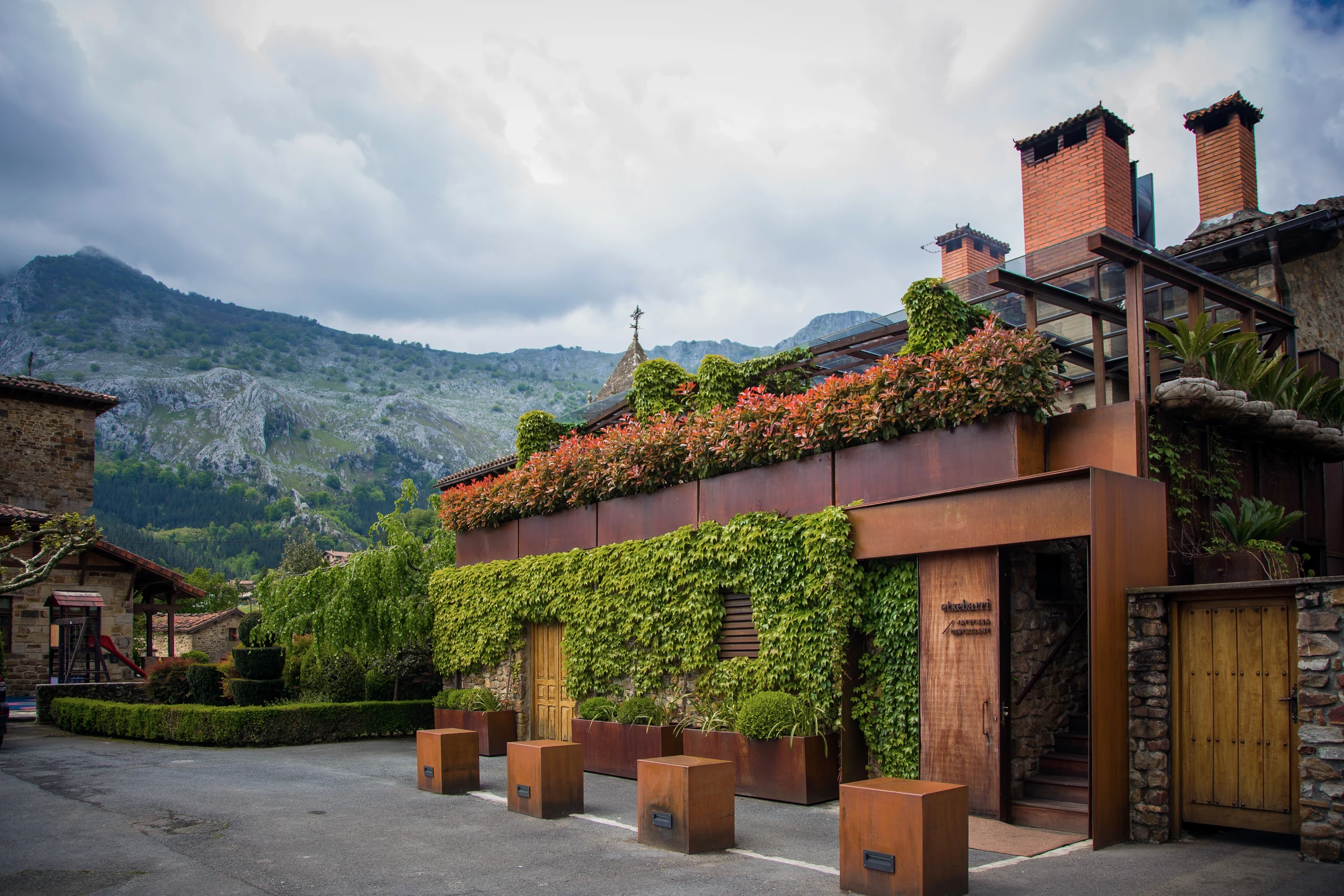
| Asador Etxebarri | Basque Wood-Fired Grill | Atxondo | Michelin 1 Star, World's 50 Best |
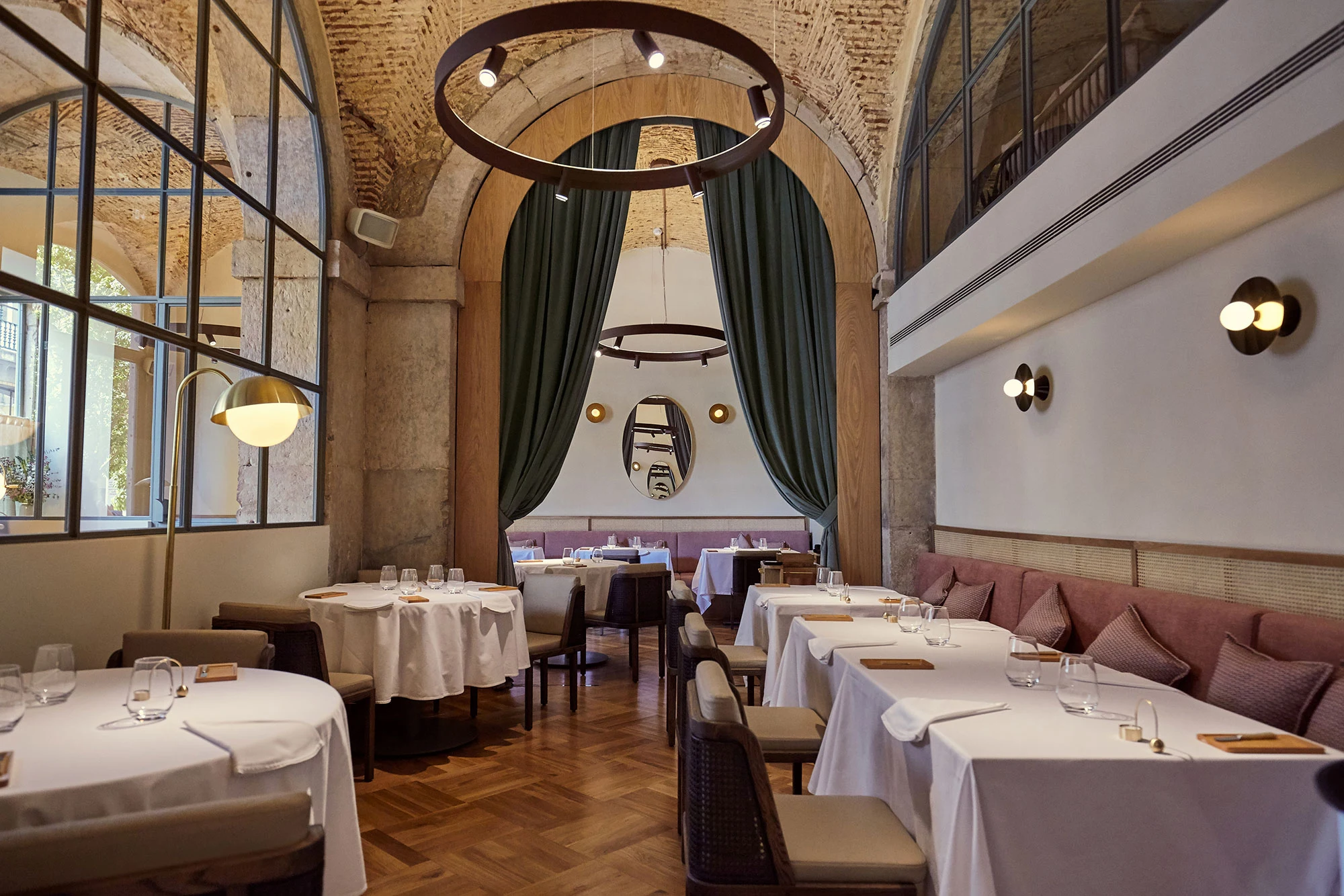
| Belcanto | Contemporary Portuguese Fine Dining | Lisbon | Michelin 2 Stars, World's 50 Best |
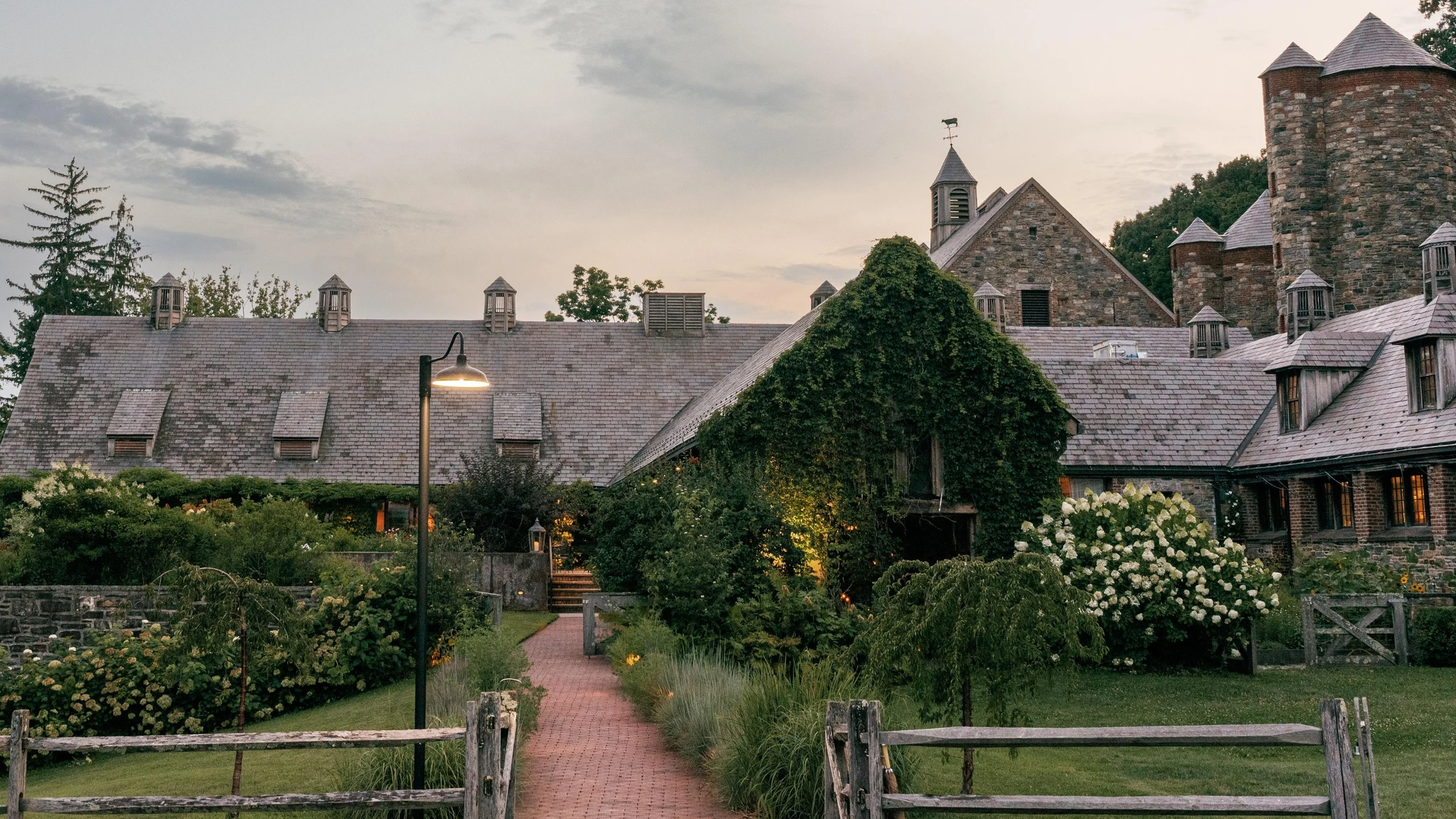
| Blue Hill at Stone Barns | Farm-to-Table Fine Dining | Tarrytown | Michelin 2 Stars, World's 50 Best |
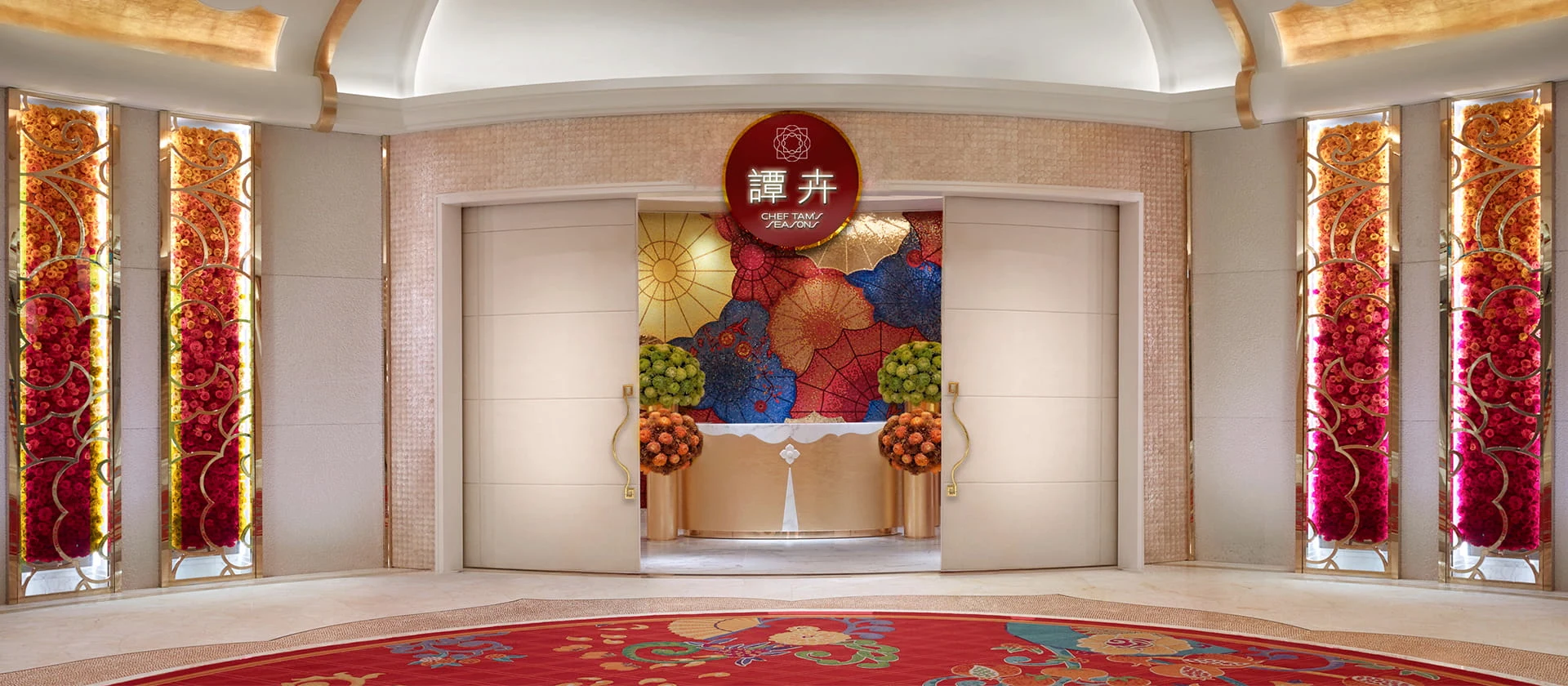
| Chef Tam's Seasons | Modern Cantonese Fine Dining | Macau | Michelin 2 Stars, World's 50 Best |
| Jade Dragon | Three Michelin-Star Cantonese Fine Dining | Macau | Michelin 3 Stars, World's 50 Best |
| Le Taillevent | Classic and Modern French Fine Dining | Paris | Michelin 2 Stars, World's 50 Best |
Similar places
Basque Wood-Fired Grill
Asador Etxebarri
Atxondo, Spain
★ · 50 Best
Contemporary Portuguese Fine Dining
Belcanto
Lisbon, Portugal
★★ · 50 Best
Farm-to-Table Fine Dining
Blue Hill at Stone Barns
Tarrytown, United States
★★ · 50 Best
Modern Cantonese Fine Dining
Chef Tam's Seasons
Macau, Macau
★★ · 50 Best
Three Michelin-Star Cantonese Fine Dining
Jade Dragon
Macau, Macau
★★★ · 50 Best
Classic and Modern French Fine Dining
Le Taillevent
Paris, France
★★ · 50 Best