Monchiero Carbone
- 01CityCanale, Italy
- Falstaff Winery - Listed · 2026
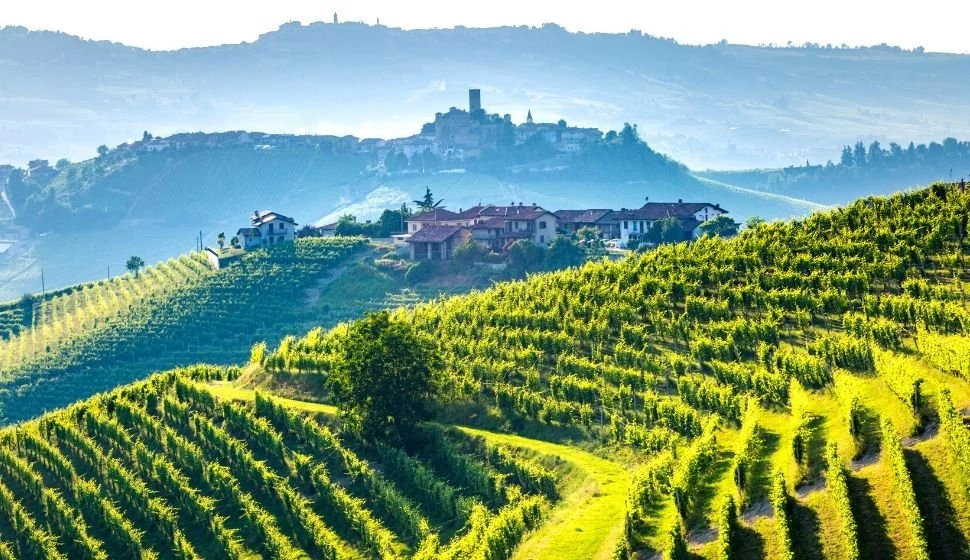
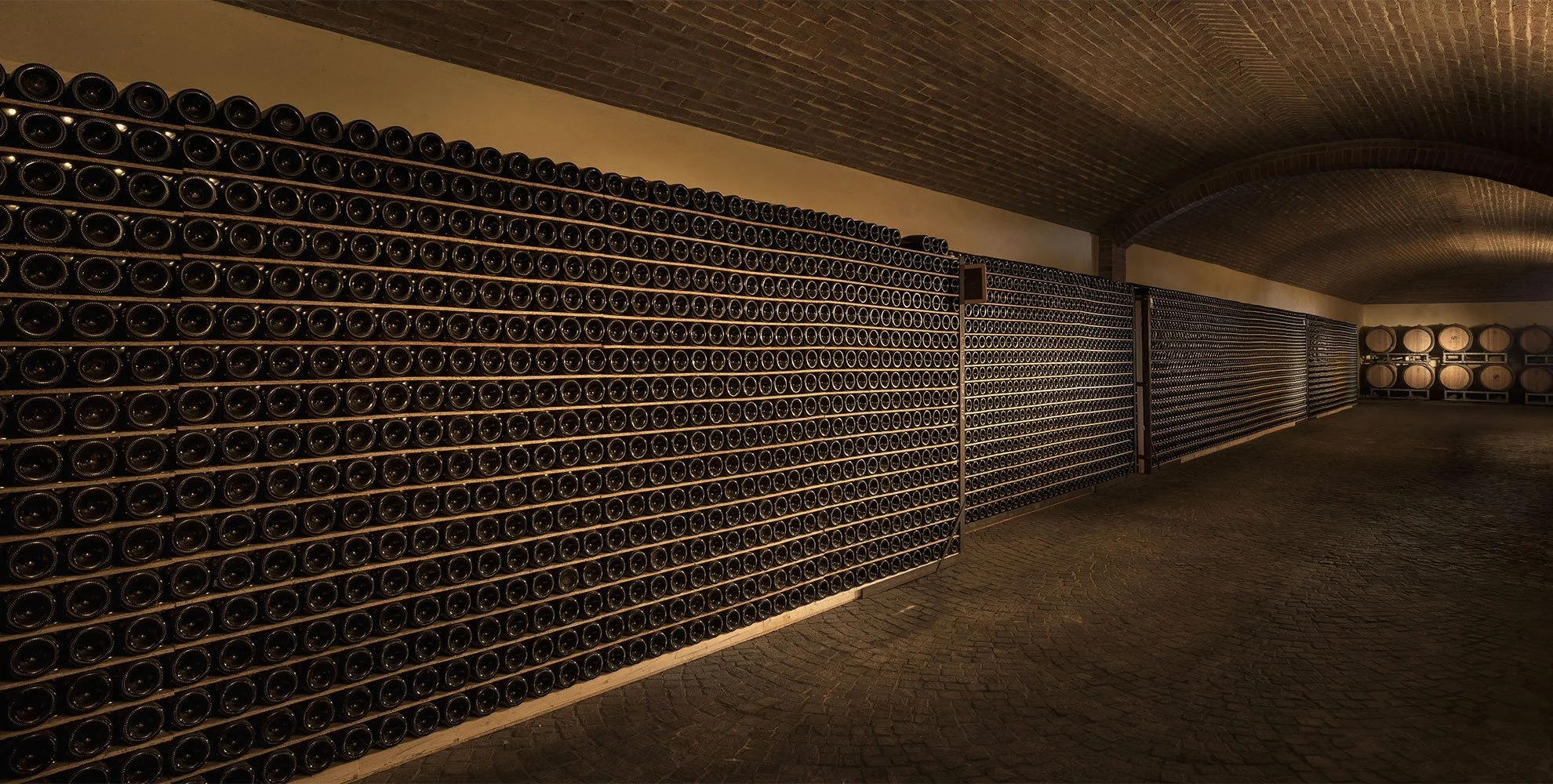
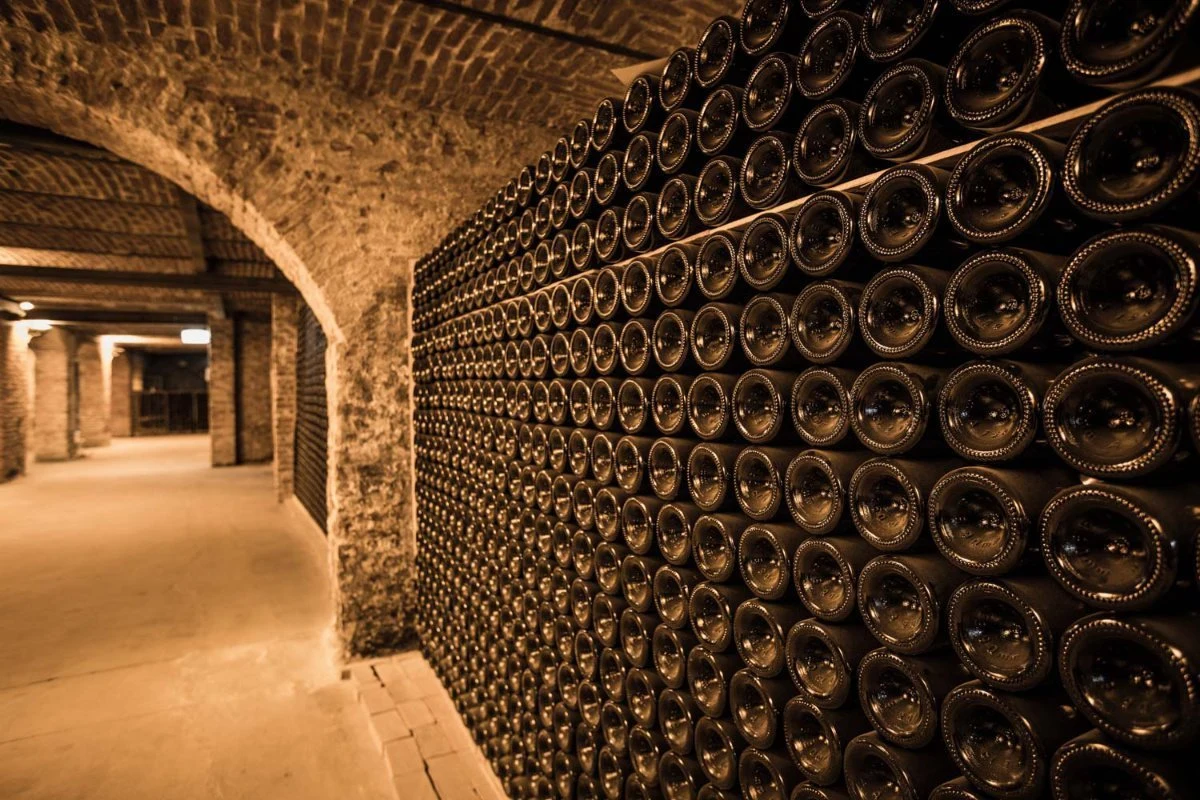
In Canale, Monchiero Carbone is presented through its setting as much as through its wines: a restored 19th-century stately farmhouse above terracotta-brick underground cellars. That physical context does a great deal of the storytelling before any further detail is needed. The atmosphere is historic, rustic and working-winery rather than polished or theatrical, with a sense of classic Roero heritage shaping the visit. It reads as the kind of place where the building, the cellar structure and the agricultural surroundings matter to the overall impression.
The profile is focused rather than expansive: Monchiero Carbone is a Canale winery with a clean, terroir-driven style and an accessible $$ price positioning. That combination gives the venue a clear identity without requiring exaggerated promises. Beyond that, specific claims about services, appointment formats, tasting options, vineyard holdings, production scale, grape varieties or visitor logistics are not confirmed here, so planning should be checked directly with the venue. The most reliable way to approach it is as a winery whose confirmed appeal rests on place, heritage and restraint.
Roero heritage in a restored farmhouse setting
The strongest grounded detail is the place itself. Monchiero Carbone occupies a restored 19th-century stately farmhouse with terracotta-brick underground cellars, giving the experience a classic Roero frame. The mood is historic yet practical: rustic, agricultural and rooted in the working identity of a winery in Canale. The farmhouse setting suggests continuity rather than spectacle, and the underground brick cellars add a material, tactile quality to the visit. They anchor the winery in the kind of built environment that makes Roero feel distinct from a generic wine stop.
That setting supports the house’s style: focused, clean and terroir-driven. Rather than relying on claims about individual bottles, parcels or formats, the useful takeaway is broader and more reliable: this is a Roero producer whose atmosphere and approach are tied to heritage, cellar architecture and a sense of place. The clean, terroir-driven description also fits the restrained way the venue is presented here. It is not framed through luxury cues or an oversized hospitality narrative, but through clarity, regional character and a close relationship between wine and setting.
For visitors comparing options in Canale, Monchiero Carbone is best understood as a winery where the building, underground cellars and regional character are central to the appeal. Other dining or wine options in Canale can be considered separately, but no specific comparison is needed to understand the venue’s core identity. Its role is direct: a classic Roero address with a historic farmhouse atmosphere, a rustic cellar backdrop and a style described in terms of focus and place. That makes it especially useful for travelers who want their itinerary to reflect the character of Canale itself.
A cellar atmosphere without overstatement
The description points to a historic working-winery atmosphere rather than a luxury hospitality concept. This matters because it sets expectations in a grounded way. The appeal is not based on elaborate service promises, dramatic staging or confirmed visitor programming. Instead, the experience is defined by a restored farmhouse, terracotta-brick cellars and the sense of a winery that belongs to its agricultural context. The result is a quieter kind of character, where atmosphere comes from age, materials and regional identity rather than from added ornament.
That makes Monchiero Carbone a good fit for travelers who value context and setting. Expect the page’s confirmed picture to be deliberately narrow: Canale, Roero heritage, a rustic historic winery environment and a clean, terroir-driven winemaking identity. In practical terms, that narrowness is useful rather than limiting. It avoids suggesting details that are not confirmed and keeps attention on what can be said with confidence. Visitors who appreciate concise, place-led winery profiles will likely find that this is enough to decide whether it belongs in their plans.
If you are building a Canale itinerary, treat Monchiero Carbone as a winery stop to confirm directly before visiting. For food, lodging, bars or additional experiences, use current local resources and direct venue information rather than assuming any service details from this guide. That caution is important because the venue’s confirmed identity is not the same as a complete visitor manual. The guide establishes the character of the place, its accessible $$ positioning and its general stylistic direction, while the final practical details should come from the winery itself.
Why it belongs on a Roero wine itinerary
Monchiero Carbone belongs on a Roero wine itinerary because it offers a grounded expression of Canale: historic farmhouse architecture, terracotta-brick underground cellars and a working-winery feel. Its $$ price category also places it in an accessible range, while the style emphasizes clean, focused, terroir-driven winemaking. For travelers mapping the region through atmosphere as well as wine, those elements are enough to give the stop a defined purpose. It represents a traditional, place-conscious side of Roero without needing to be inflated into something more elaborate.
The appeal is specific, not inflated. There are no confirmed awards, rankings, seat counts, tasting formats or service claims included here. What remains is still useful: a classic, rustic Roero winery setting in Canale with enough character to justify attention from travelers who want place, heritage and cellar atmosphere rather than invented extras. In that sense, Monchiero Carbone is best approached with clear expectations. Go to it, or consider it, for the restored farmhouse context, the underground brick-cellar identity, the accessible positioning and the clean terroir-driven profile described here.
Questions
Frequently asked
How expensive is Monchiero Carbone?
Monchiero Carbone is listed at a price level of $$.
The field
How it compares
| Place | Notes |
|---|---|
| Monchiero Carbone | center of Canale, $$ |
| Bric Castelvej | Canale |
| Deltetto 1953 | Canale |
| Enrico Serafino | Canale |
| Malabaila di Canale | Canale |
| Malvirà | Canale |
| Mario Costa | Canale |