Kettle rice before matcha
- Opinionated About Dining Top Restaurants in Japan Recommended · 2026
Service held under one set of hands
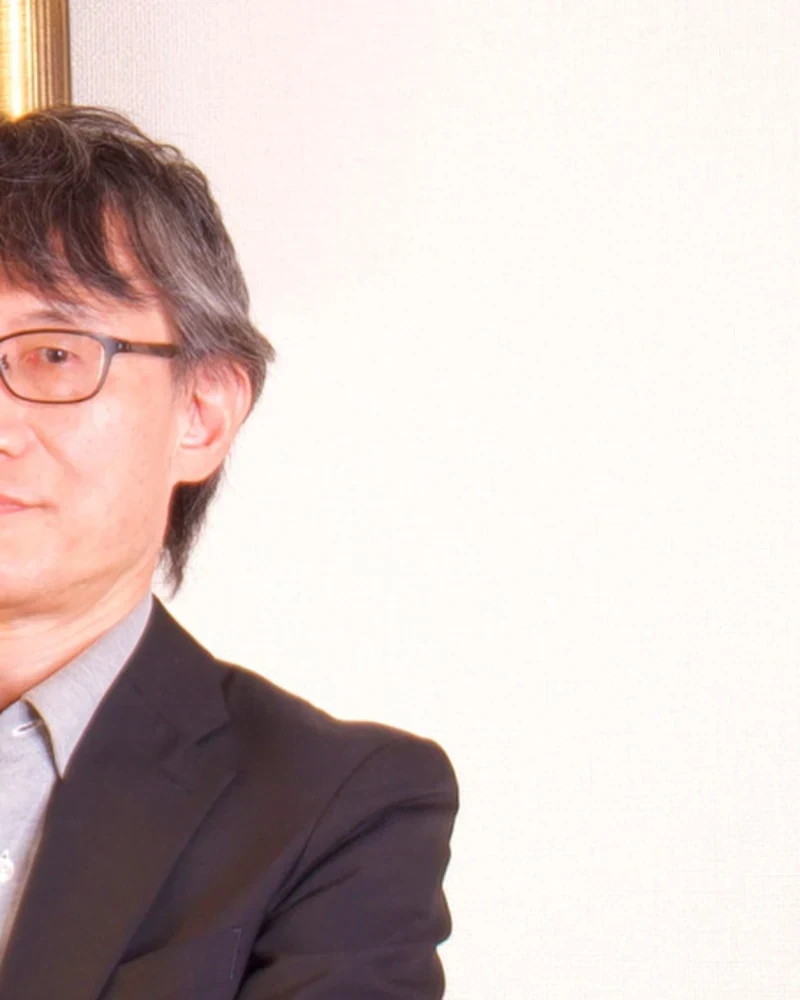
Toshiyuki Nakagawa checks the pace of the meal as chef at Nakahan in Tokyo, where cha kaiseki asks the kitchen and the room to move together. His work here is not described through spectacle, but through the daily discipline of service, timing, and cooking guided by one set of hands. Nakagawa trained at Hyotei and Tsuruko, two houses that gave him the base of precision and restraint before his own name reached a wider public. His appearance as a challenger on Iron Chef in Japan in 1995 put that training into a different kind of pressure, outside the contained rhythm of the restaurant, but the work at Nakahan returns to the slower test: keeping standards across the pass, the counter, and the whole meal. As owner-chef, his role reaches beyond the plate. He hosts, cooks, reads the room, and keeps the sequence intact, carrying tradition by repetition rather than display. That matters in cha kaiseki, where the meal is tied to the spirit of tea, and where a gesture can be small without being casual.
Cha kaiseki before the bowl of tea
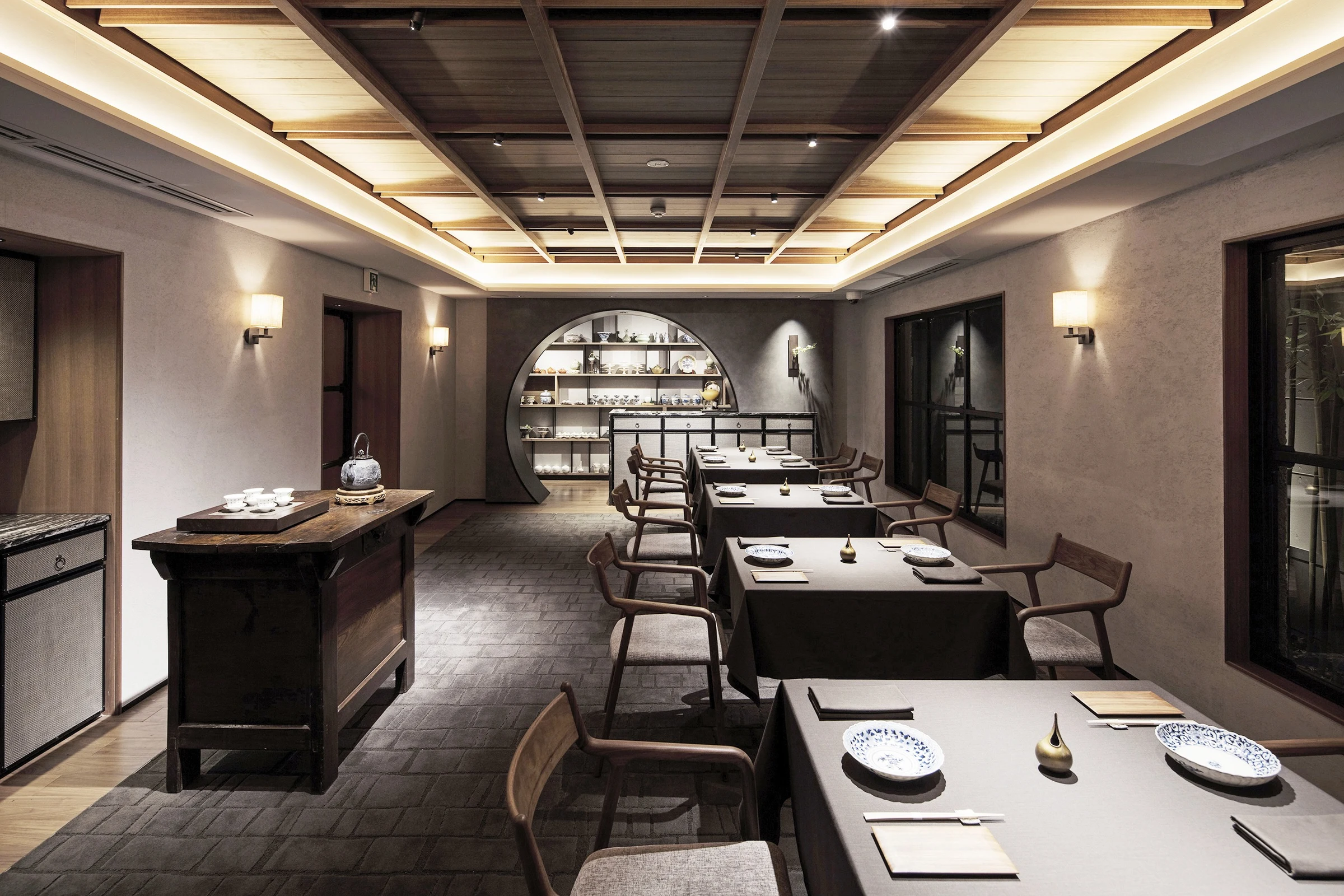
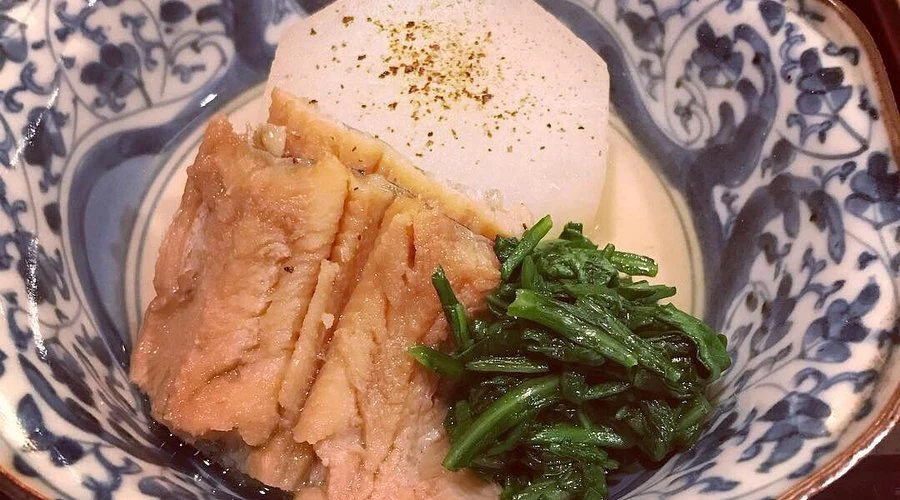
The program at Nakahan follows the grammar of cha kaiseki, the meal served before tea, with traditional multi-course kaiseki as its working frame. The sequence typically begins with clear soup and ends with matcha green tea, and the craft sits in the way each stage prepares the next. Steamed rice cooked in a kettle, freshly shaved bonito, and pickles are not side details here; they are part of the discipline of temperature, texture, and timing. The rice arrives from the pot with the plainness that kaiseki trusts, while the bonito depends on the shaving, not a flourish added after. Some tableware used in the house is more than 400 years old, a fact that changes the hand at service. A bowl or plate with that much age does not need ceremony imposed on it. It asks for steadiness. Seasonal ingredients guide the cooking, but the restaurant does not turn seasonality into a slogan. The method stays close to the tea room: prepare, serve, clear, continue.
The counter and the quiet tension
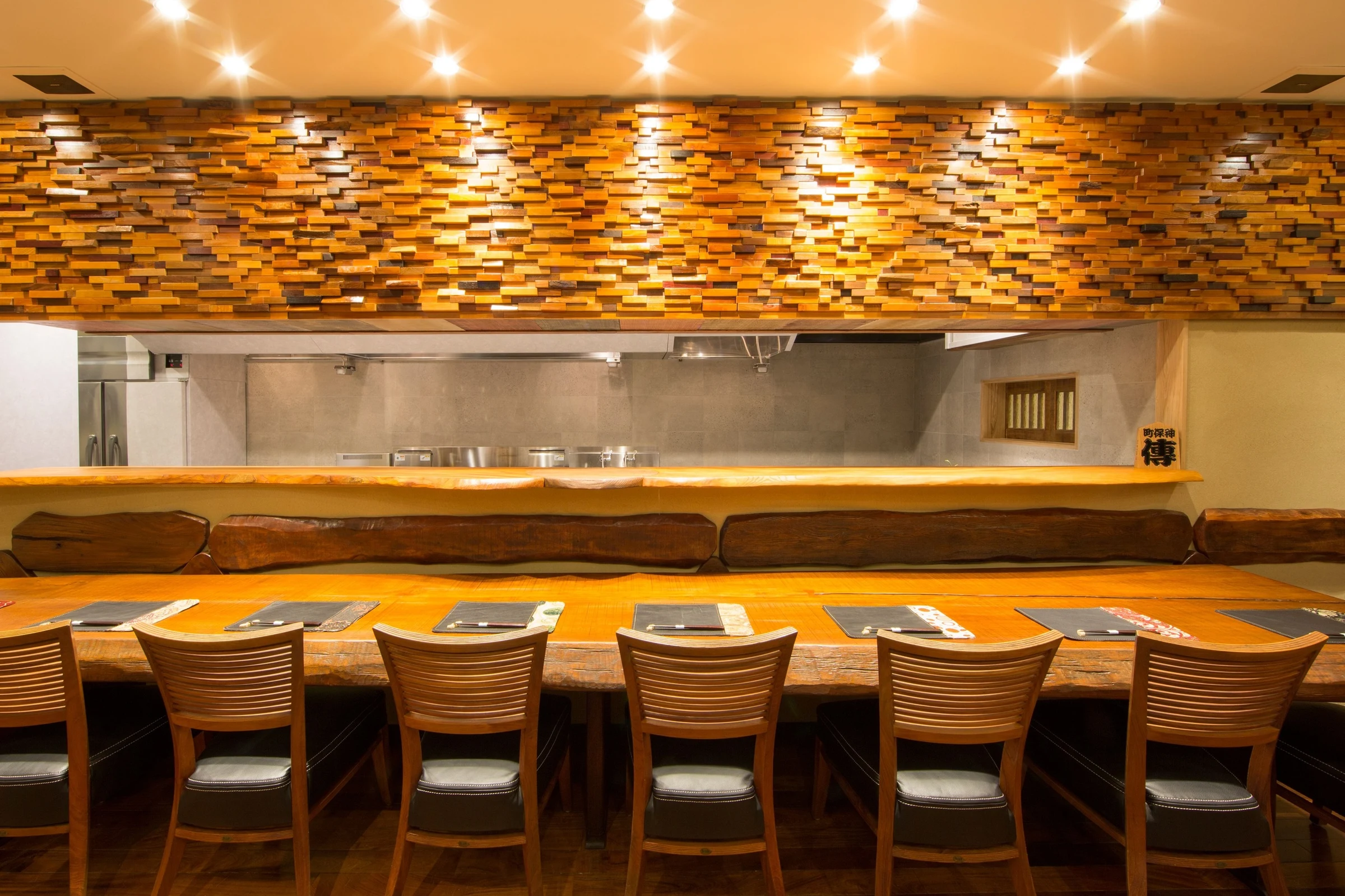
The room is intimate, with eight seats at the counter and a measured distance between chef and diner. That distance carries part of the pleasure of cha kaiseki. It allows the hands to be seen without turning the meal into performance, and it keeps a slight tension in the room, the kind that makes attention sharper. Guests have described beginning with plain hot water and finishing with matcha made in front of them, which places the arc of the meal in the body before it reaches the palate. The room is quiet rather than hushed, soft rather than lax. It gives enough ease for diners who may not know every rule of tea ceremony, while keeping the form present. At Nakahan, the counter, the kettle rice, and the final matcha make the restaurant’s discipline visible without raising its voice.
Questions
Frequently asked
Who is the chef at Nakahan?
Toshiyuki Nakagawa is the owner-chef at Nakahan, where he hosts, cooks, reads the room, and keeps the meal’s sequence intact.
What kind of meal does Nakahan serve?
The restaurant works in the frame of cha kaiseki, the meal served before tea, with traditional multi-course kaiseki as its structure.
What does a meal at Nakahan typically include?
The sequence typically begins with clear soup and ends with matcha green tea, with kettle-cooked rice, freshly shaved bonito, and pickles also part of the course structure.
What is the dining room like?
The room is intimate, with eight seats at the counter, and the meal is shaped by the close distance between chef and diner.
What training background does Toshiyuki Nakagawa have?
Nakagawa trained at Hyotei and Tsuruko, and he also appeared as a challenger on Iron Chef in Japan in 1995.
The field
How it compares
| Place | Cuisine | Notes | Awards |
|---|---|---|---|
| Nakahan | Japanese Kaiseki Omakase | Chūō, $$$ | · |
| Den | Modern Japanese Kaiseki | Tokyo | Michelin 2 Stars, World's 50 Best |
| Florilège | Modern French-Japanese Plant-Based Fine Dining | Tokyo | Michelin 2 Stars, World's 50 Best |
| Narisawa | Modern Japanese Satoyama Fine Dining | Tokyo | Michelin 2 Stars, World's 50 Best |
| Quintessence | Modern French Fine Dining | Tokyo | Michelin 3 Stars |
| Sazenka | Modern Chinese Fine Dining | Tokyo | Michelin 3 Stars, World's 50 Best |
| Sézanne | Modern French Fine Dining | Tokyo | Michelin 3 Stars, World's 50 Best |
In residence
Similar places
Modern Japanese Kaiseki
Den
Tokyo, Japan
★★ · 50 Best
Modern French-Japanese Plant-Based Fine Dining
Florilège
Tokyo, Japan
★★ · 50 Best
Modern Japanese Satoyama Fine Dining
Narisawa
Tokyo, Japan
★★ · 50 Best
Modern French Fine Dining
Quintessence
Tokyo, Japan
★★★
Modern Chinese Fine Dining
Sazenka
Tokyo, Japan
★★★ · 50 Best
Modern French Fine Dining
Sézanne
Tokyo, Japan
★★★ · 50 Best