Nine Suns
- 01CityChicago, United States
Wine shaped before the room
A winemaker’s hand, held back from the room
His earlier Napa Valley experience included winemaking and vineyard management, and that double view still shapes the way his role is described. He does not appear as a sommelier at the table or a chef at the station. He appears as the maker behind what lands in the glass, where a wine’s line, texture, and sense of place have to be resolved before service ever begins.
The cellar before the counter
He works from vineyard knowledge into cellar practice, holding those tracks together rather than treating them as separate jobs. At Memento Mori his title stays plain, winemaker, and the plainness is useful here as well. It keeps the reader close to the work: picking decisions, fruit character, cellar handling, and the final shape of the bottle. Nine Suns does not publish a Chicago account of its wine program, dining room, or production practice.
What can be said with confidence is narrower, and more valuable than padding. Each name fixes the wine to a place or estate, which is often where his craft starts. The throughline is not a house style imposed on different fruit. It is the slower work of reading site, season, and material closely enough that the finished wine still carries its origin.
What the room can borrow from wine
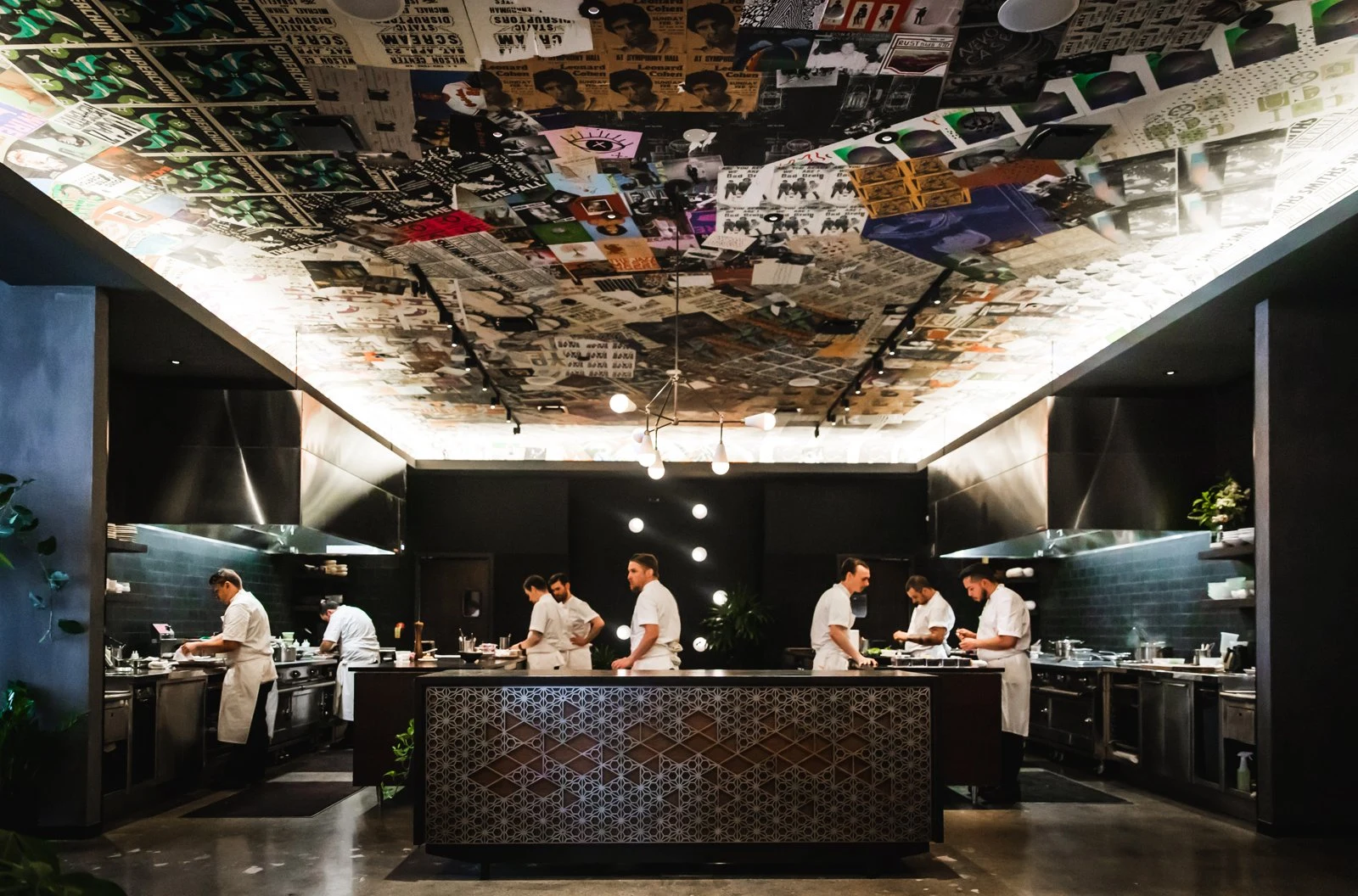
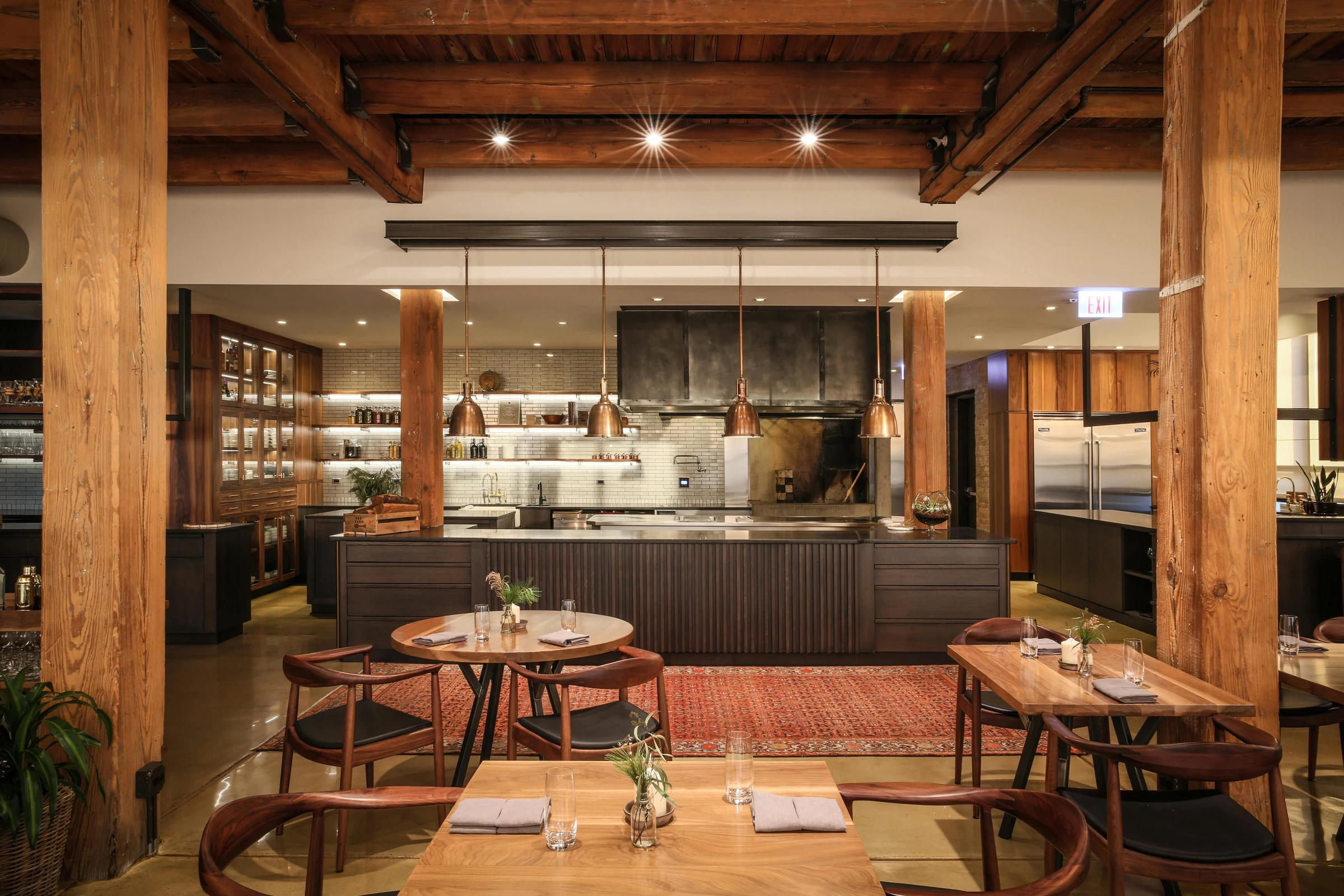
In a restaurant, wine changes the room without needing to announce itself. It sets the pace between the counter and the table, sharpens a dish, softens a pause, and gives the pass another kind of timing. It is part of the method, a craft running parallel to the kitchen rather than behind it.
His own language for wine begins with scent. “It smelled like home, and reminded me of my early childhood.” The line is useful because it does not turn aroma into decoration. It treats aroma as a working tool, one that can bring memory into the glass without loosening the discipline of the craft. That is the register to hold at Nine Suns: the room may be in Chicago, but the hand named here belongs to a winemaker trained by vineyards, cellars, and finished bottles.
A narrow page, deliberately kept narrow
There is no virtue in pretending the bench is visible when it is not. A place page should name the maker, locate the work, and let the craft carry the weight.
Questions
Frequently asked
Who is the maker connected to Nine Suns?
The page links Nine Suns to a winemaker whose earlier Napa Valley experience included winemaking and vineyard management. He is described as working from vineyard knowledge into cellar practice, with his title kept plain as winemaker.
What is his role at Nine Suns?
He appears as the maker behind what lands in the glass, rather than as a sommelier at the table or a chef at the station. The work described here is about picking decisions, fruit character, cellar handling, and the final shape of the bottle.
What does Nine Suns publish about its wine programme?
Nine Suns does not publish a Chicago account of its wine programme, dining room, or production practice. The page instead keeps the focus on the discipline of the wine work and the way site, season, and material are read closely.
What is distinctive about the way wine is described here?
Wine is presented as craft rather than display. The language centres on site, aroma, memory, and patience, with the finished wine expected to carry its origin into service.
The field
How it compares
| Place | Awards | Cuisine | Notes |
|---|---|---|---|
| Alinea | Michelin 3 Stars, World's 50 Best | Avant-Garde Molecular Gastronomy | Chicago |
| Asador Bastian | · | Basque-Inspired Steakhouse | Chicago |
| Ever | Michelin 2 Stars | Modern American Fine Dining | Chicago |
| Kumiko | · | Japanese Dining Bar | Chicago |
| Oriole | Michelin 2 Stars | Modern French-Japanese Tasting Menu | Chicago |
| Smyth | Michelin 3 Stars, World's 50 Best | Modern American Tasting Menu | Chicago |
Similar places
Avant-Garde Molecular Gastronomy
Alinea
Chicago, United States
★★★ · 50 Best
Basque-Inspired Steakhouse
Asador Bastian
Chicago, United States
Modern American Fine Dining
Ever
Chicago, United States
★★
Japanese Dining Bar
Kumiko
Chicago, United States
Modern French-Japanese Tasting Menu
Oriole
Chicago, United States
★★
Modern American Tasting Menu
Smyth
Chicago, United States
★★★ · 50 Best