NIRI
In Residence
Imad Obeid
Founder
- 01CuisineModern Japanese Yakitori and Sushi
- 02CityAbu Dhabi, United Arab Emirates
- 03Recognition50 Best Restaurants
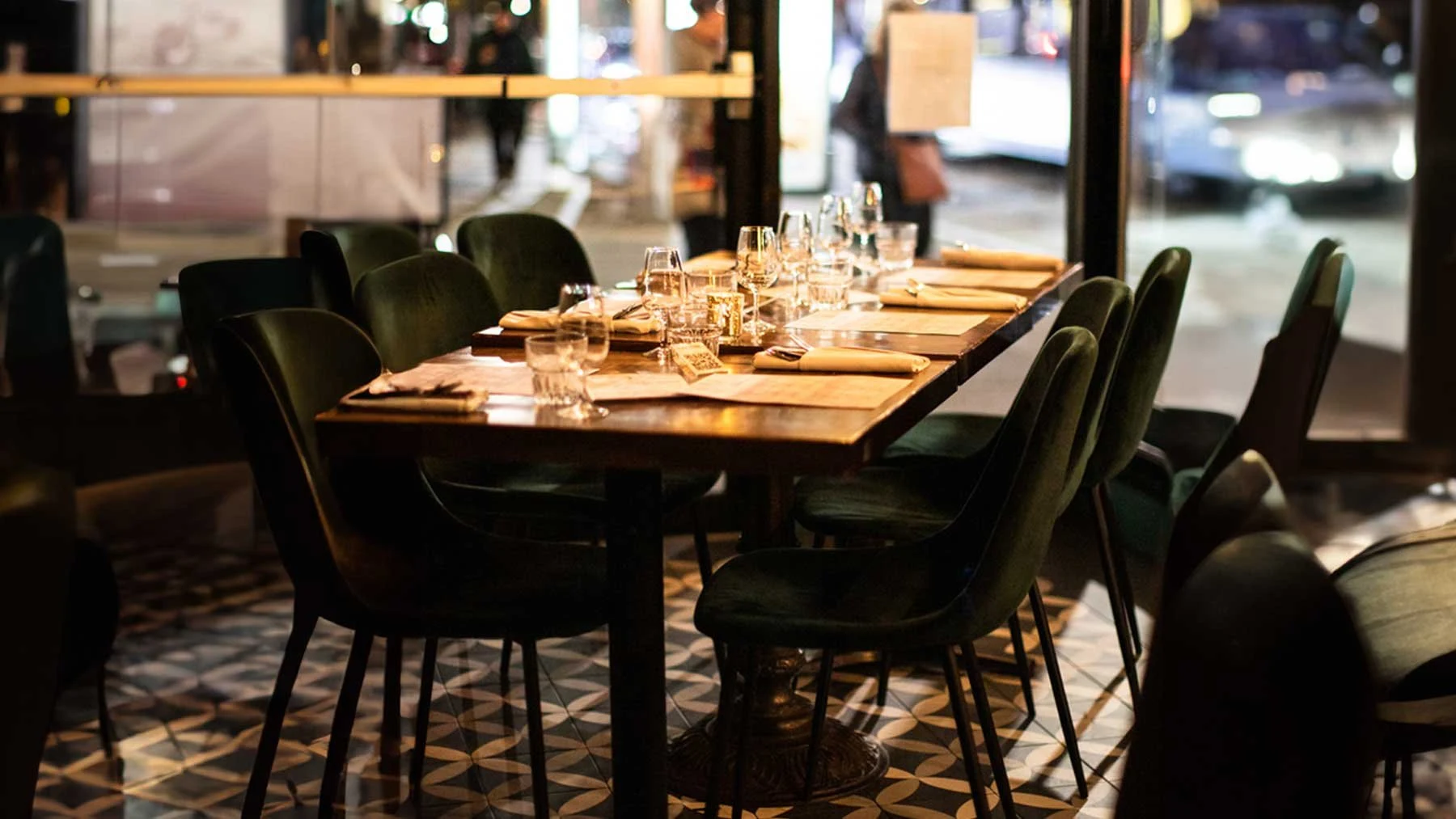
Japanese Restraint on Saadiyat Island
The stretch of Mamsha Al Saadiyat that runs along Saadiyat Island's waterfront has developed into one of Abu Dhabi's more considered dining corridors, a place where design-conscious operators have moved in alongside the cultural institutions that define the island's character. Within that setting, contemporary Japanese cooking occupies a specific position: it rewards the precision that ingredient-forward kitchens demand, and in a Gulf context where Japanese dining often tilts toward theatrical omakase formats or high-volume izakaya replicas, a restaurant that stays clean and relatively quiet stands apart.
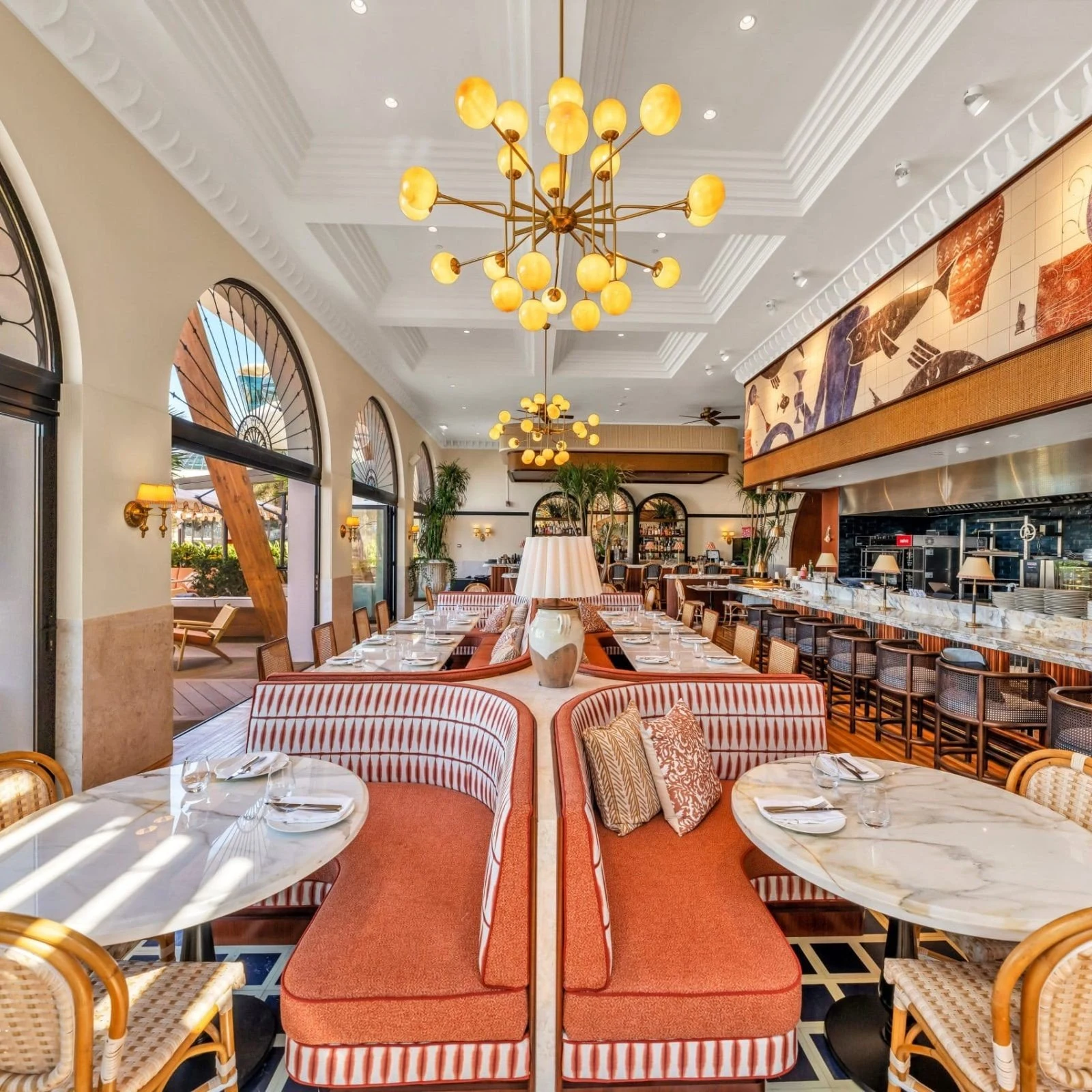
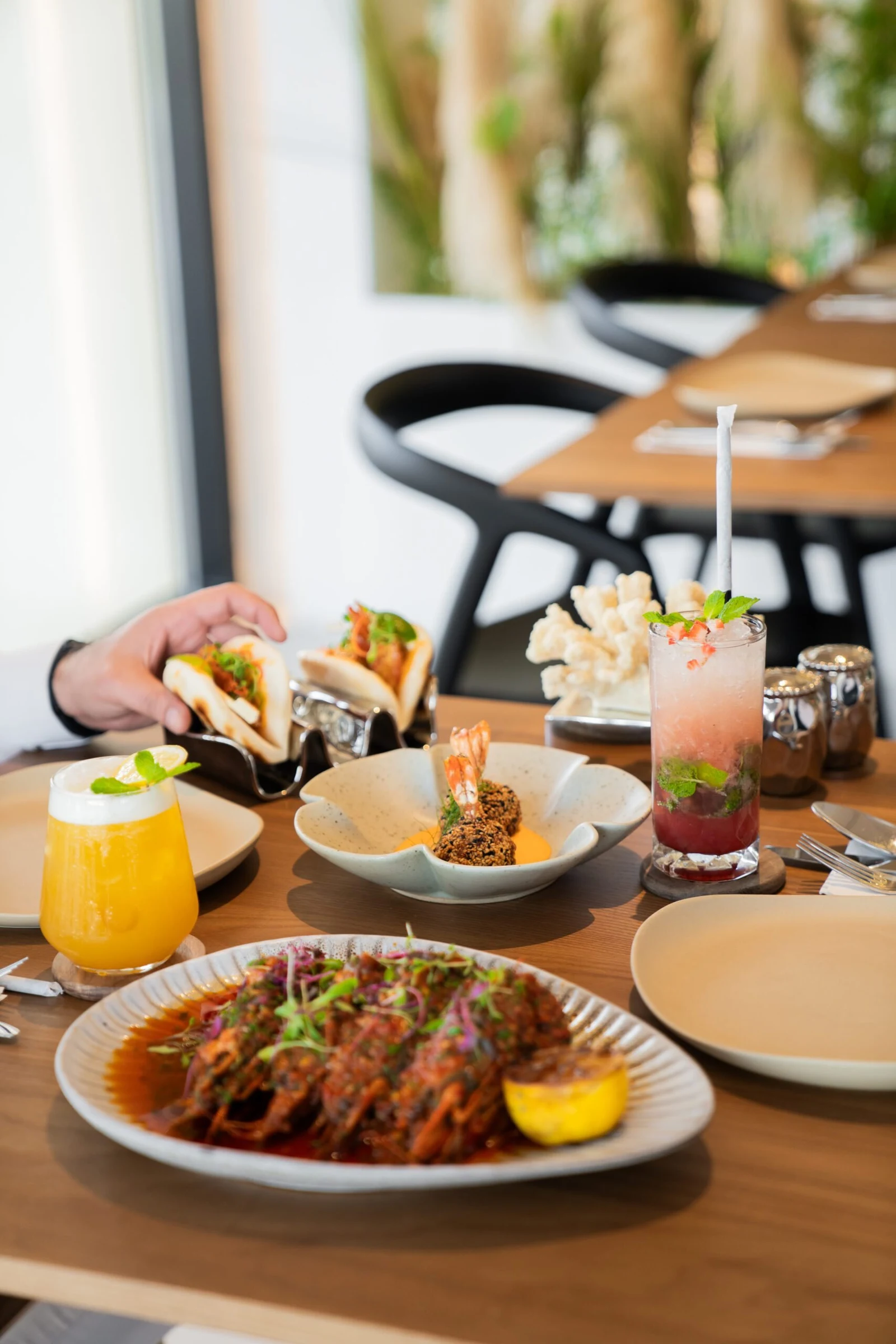
NIRI sits in that quieter register. The room's design, kept deliberately uncluttered, signals the kitchen's priorities before any food arrives. In Japanese culinary tradition, particularly the strand that traces through kaiseki and modern washoku, the environment is understood as an extension of the plate: visual noise competes with the food, so it is removed. That philosophy is less common in Abu Dhabi's mid-range dining tier, where the tendency runs toward atmospheric density. NIRI's restraint in both room and menu places it closer to the sensibility you'd find at The Japanese Restaurant in Andermatt or Eika in Taipei than to the louder Japanese Contemporary venues proliferating across the Gulf.
The Sunday email
Read about the people behind restaurants like NIRI in the Sunday email.
Every Sunday we send a lead story and up to four more about the chefs, winemakers, sommeliers and hoteliers behind the restaurants, bars, wineries and hotels we cover.
Recent stories

Free. One email a week, and you can unsubscribe from any issue.
Where NIRI Sits in Abu Dhabi's Japanese Scene
Abu Dhabi's Japanese restaurant tier has widened considerably in the past five years. At the upper bracket, high-ticket omakase counters and premium robatayaki formats have multiplied, often pricing against international hotel dining. At the volume end, fast-casual sushi and ramen operators fill the mall corridors. The mid-range, ingredient-serious tier, restaurants that take sourcing and technique seriously without anchoring the bill at four figures, remains thinner than in Dubai or in established Japanese dining cities.
NIRI operates in that middle ground. Its $$ price positioning means it sits markedly below the $$$$ tier occupied by Abu Dhabi's luxury imports such as Hakkasan and Talea by Antonio Guida, and below the heavier end of the Japanese Contemporary category, while carrying recognitions that those price points rarely achieve. A Michelin Plate in both 2024 and 2025 signals consistent kitchen quality across two consecutive guide cycles. The MENA's 50 Best Restaurants 2026 ranking at #38 adds a second independent data point, which makes the convergence meaningful.
For context within the Japanese Contemporary category globally, peers worth understanding include Murakami in São Paulo, Sankai by Nagaya in Istanbul, and Mimi Kakushi in Dubai, each navigating the question of how Japanese cooking translates into a market where the ingredient supply chain differs fundamentally from Japan. That supply chain problem is the defining challenge of Japanese Contemporary cooking outside Japan, and how a kitchen solves it, through premium imports, local sourcing, or a hybrid approach, determines the ceiling of the food.
The Ingredient Question
NIRI's culinary category is ingredient primacy. Japanese Contemporary cooking, in its most serious iterations, is built around the quality of raw materials: the fat structure of fish aged under controlled conditions, the mineral clarity of dashi drawn from specific kombu grades, the texture differential between vegetables harvested at different maturity points. Technique in this tradition is largely in service of revealing those qualities, not masking them. When you cook this way in Abu Dhabi, the ingredient sourcing question becomes acute, the Gulf's proximity to premium Japanese seafood markets requires deliberate logistics.
NIRI's design-led, clean aesthetic reads as a commitment to that ingredient-forward logic. Restaurants that build around technique spectacle or sauce complexity can hide sourcing gaps behind complexity; restaurants that strip back to simplicity cannot. The sparse room and streamlined menu structure suggest the kitchen is confident enough in its materials to let them carry weight without reinforcement. That confidence, at a mid-range price point, is precisely what the consecutive Michelin Plate recognitions are assessing.
For comparison, 3Fils in Dubai has demonstrated that Japanese Contemporary cooking in the Gulf can sustain serious recognition at accessible price points when ingredient procurement is treated with discipline. Izakaya in Zagreb shows how far outside Japan that discipline can be maintained when the kitchen is specific enough about its supply relationships. NIRI's trajectory since 2021 suggests a similar operational seriousness in a market that has historically under-rewarded it.
Saadiyat Island as Context
The Mamsha Al Saadiyat address matters beyond postcode. Saadiyat Island has positioned itself as Abu Dhabi's cultural and design district, the Louvre Abu Dhabi sits minutes away, Zayed National Museum is in development nearby, and the dining options along Mamsha reflect that positioning. The footfall is skewed toward visitors who have already opted into the island's slower, more considered pace, as opposed to the downtown or corniche crowds. That self-selecting audience tends to support restaurants that ask for attention rather than delivering volume and spectacle.
Within the Abu Dhabi dining circuit, NIRI operates in a different register from modern Emirati cooking at Erth, from the Japanese-inflected seafood at Otoro, and from the Japanese-European crossover at Zuma. Those are distinct formats solving distinct dining occasions. NIRI sits specifically in the contemporary Japanese lane, where technique discipline and material quality are the primary metrics.
Questions
Frequently asked
What recognition does NIRI hold?
NIRI holds a place on a 50 Best list.
Who works at NIRI?
Made By profiles Imad Obeid (Founder), Sarah Raymundo (Pastry Chef) and Yasuyuki Takemoto (Executive Chef) at NIRI.
How expensive is NIRI?
NIRI is listed at a price level of $$$.
Where is NIRI and what does it serve?
NIRI is in Al Saadiyat Island, Abu Dhabi, serving Modern Japanese Yakitori and Sushi.
The field
How it compares
| Place | Awards | Cuisine | Notes |
|---|---|---|---|
| NIRI | 50 Best | Modern Japanese Yakitori and Sushi | Al Saadiyat Island, $$$ |
| Erth | Michelin 1 Star | Modern Emirati Fine Dining | Abu Dhabi |
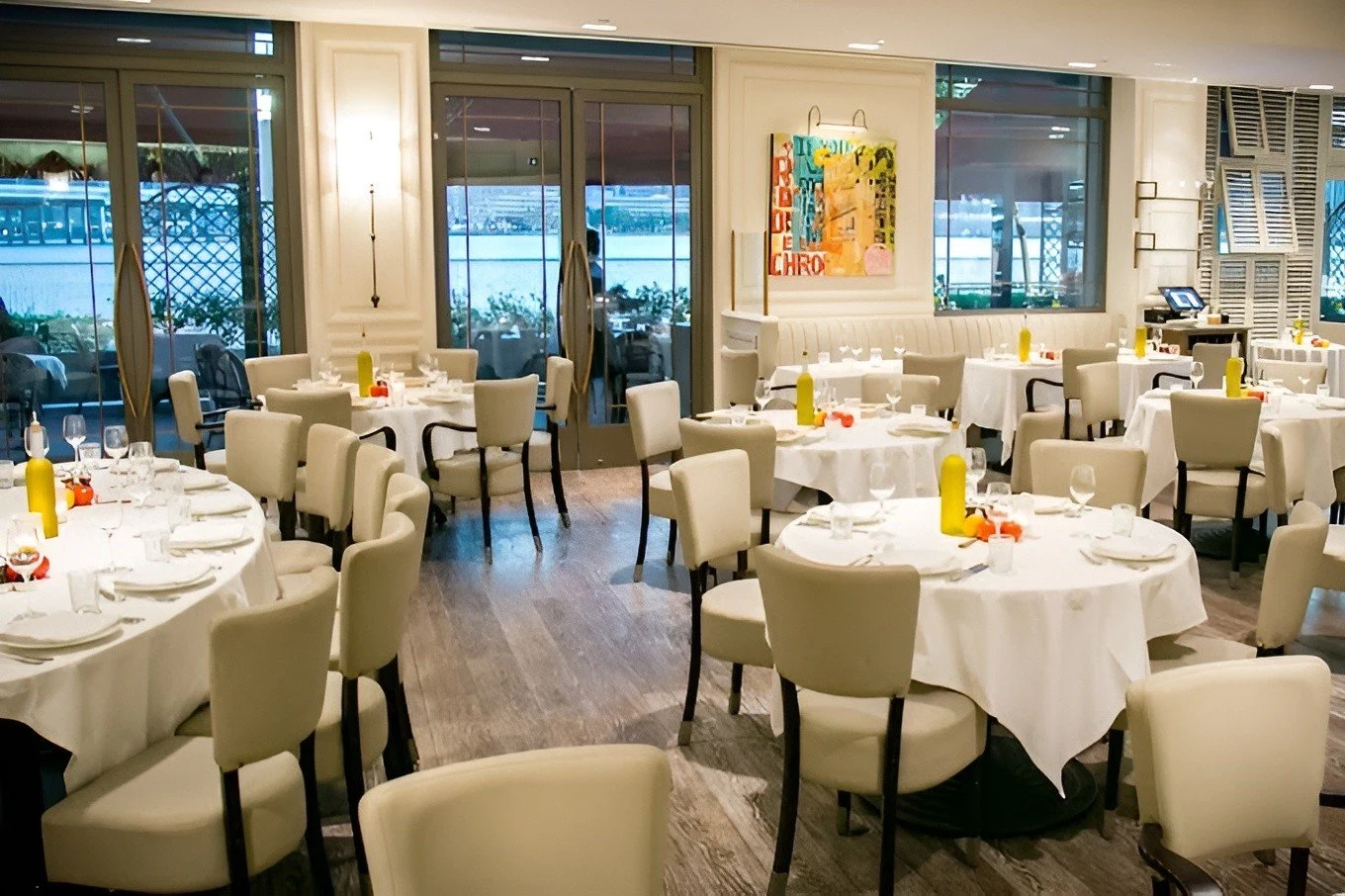
| LPM Abu Dhabi | 50 Best | French Mediterranean Fine Dining | Abu Dhabi |
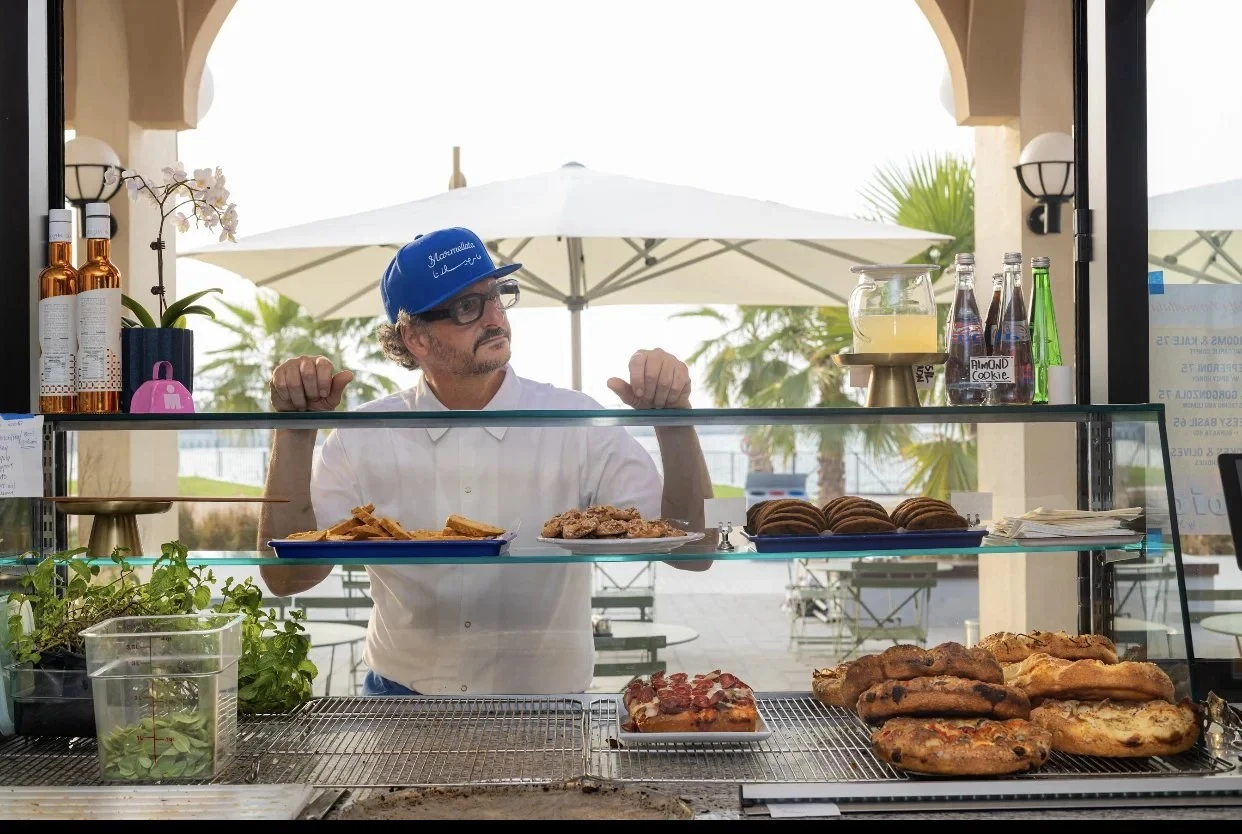
| Marmellata Bakery | 50 Best | Abu Dhabi-Style Italian Pizzeria & Bakery | Abu Dhabi |
| Mika | · | Mediterranean Fine Dining with Middle Eastern Influences | Abu Dhabi |
| Otoro | · | Modern Japanese Izakaya | Abu Dhabi |
| ryba | · | Modern Emirati Seafood | Abu Dhabi |
Similar places
Modern Emirati Fine Dining
Erth
Abu Dhabi, United Arab Emirates
★
French Mediterranean Fine Dining
LPM Abu Dhabi
Abu Dhabi, United Arab Emirates
50 Best
Abu Dhabi-Style Italian Pizzeria & Bakery
Marmellata Bakery
Abu Dhabi, United Arab Emirates
50 Best
Mediterranean Fine Dining with Middle Eastern Influences
Mika
Abu Dhabi, United Arab Emirates
Modern Japanese Izakaya
Otoro
Abu Dhabi, United Arab Emirates
Modern Emirati Seafood
ryba
Abu Dhabi, United Arab Emirates
The Sunday email
Read about the people behind restaurants like NIRI in the Sunday email.
Every Sunday we send a lead story and up to four more about the chefs, winemakers, sommeliers and hoteliers behind the restaurants, bars, wineries and hotels we cover.
Recent stories
Free. One email a week, and you can unsubscribe from any issue.