n/naka
In Residence
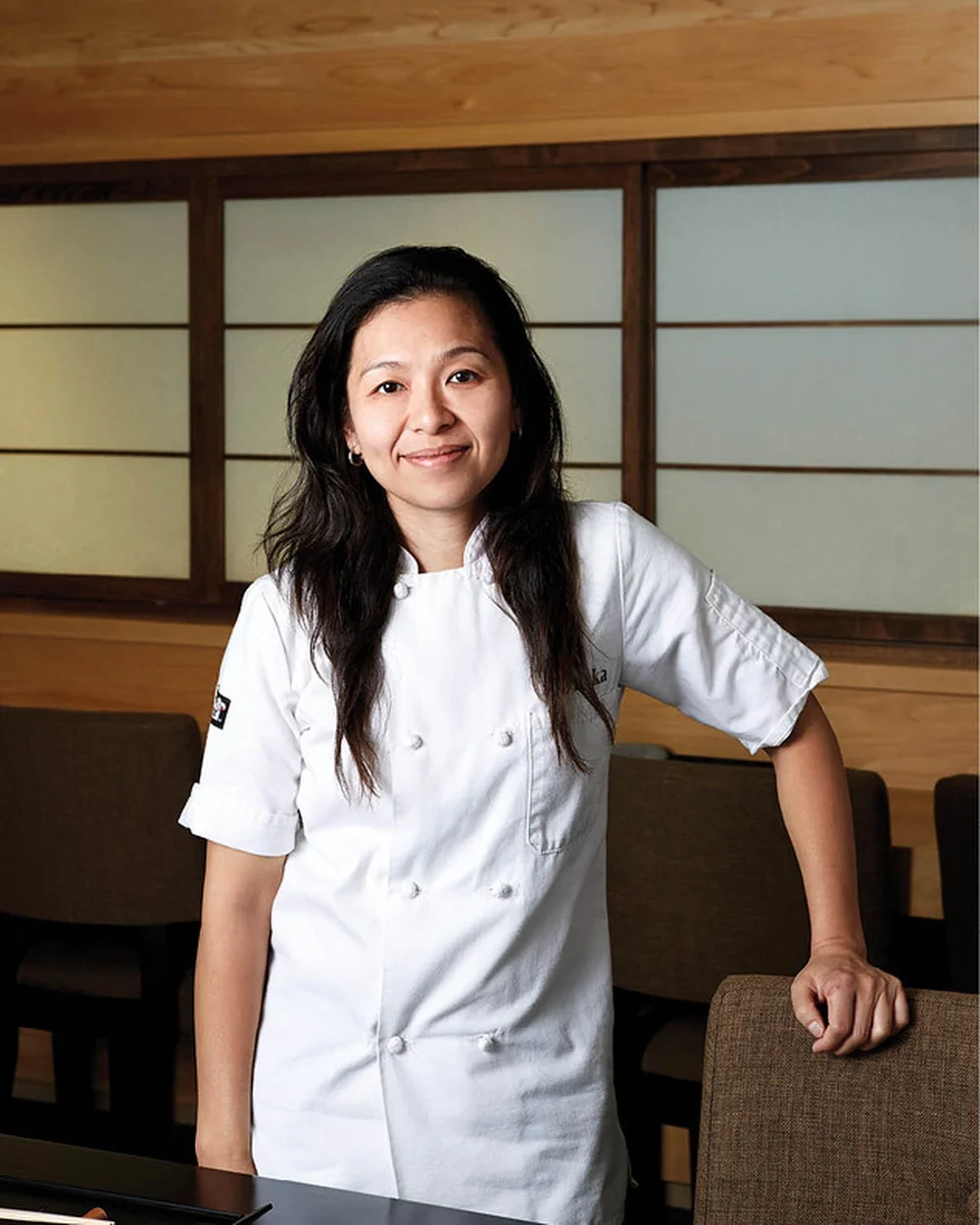
Niki Nakayama
Chef
- 01CuisineModern Kaiseki
- 02CityLos Angeles, United States
- 03RecognitionOne Michelin Star
From the people index
Recommended by
One trusted voice points here.
- 1 Michelin Star · Michelin Guide
- James Beard Winner · James Beard Foundation
- La Liste Top Restaurants: 83pts · 2026
- Opinionated About Dining Top Restaurants in North America Ranked #83 · 2026
- James Beard Award Nominee · 2026
- Michelin 1 Star · 2026
- James Beard Award Semi Finalist · 2026
- Michelin 1 Star · 2025
- La Liste Top Restaurants: 87.5pts · 2025
- LA Times 101 Best Restaurants #11 · 2025
- Chef's Table Featured on Chef's Table · 2025
- Michelin 1 Star · 2024
- LA Times 101 Best Restaurants #9 · 2024
- Opinionated About Dining Top Restaurants in North America Ranked #96 · 2024
A Serene Room With Serious Provenance
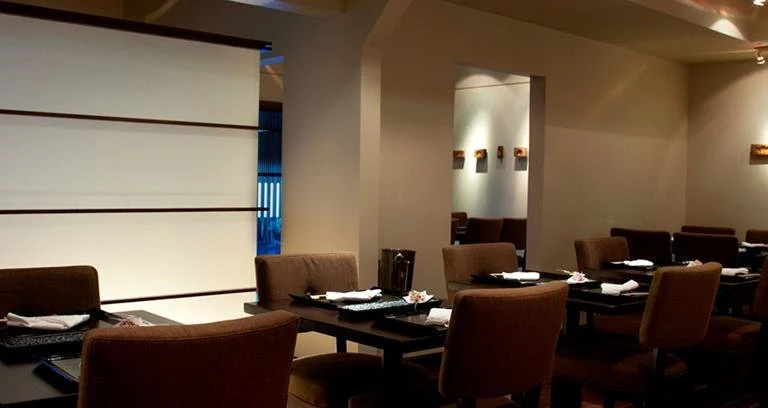
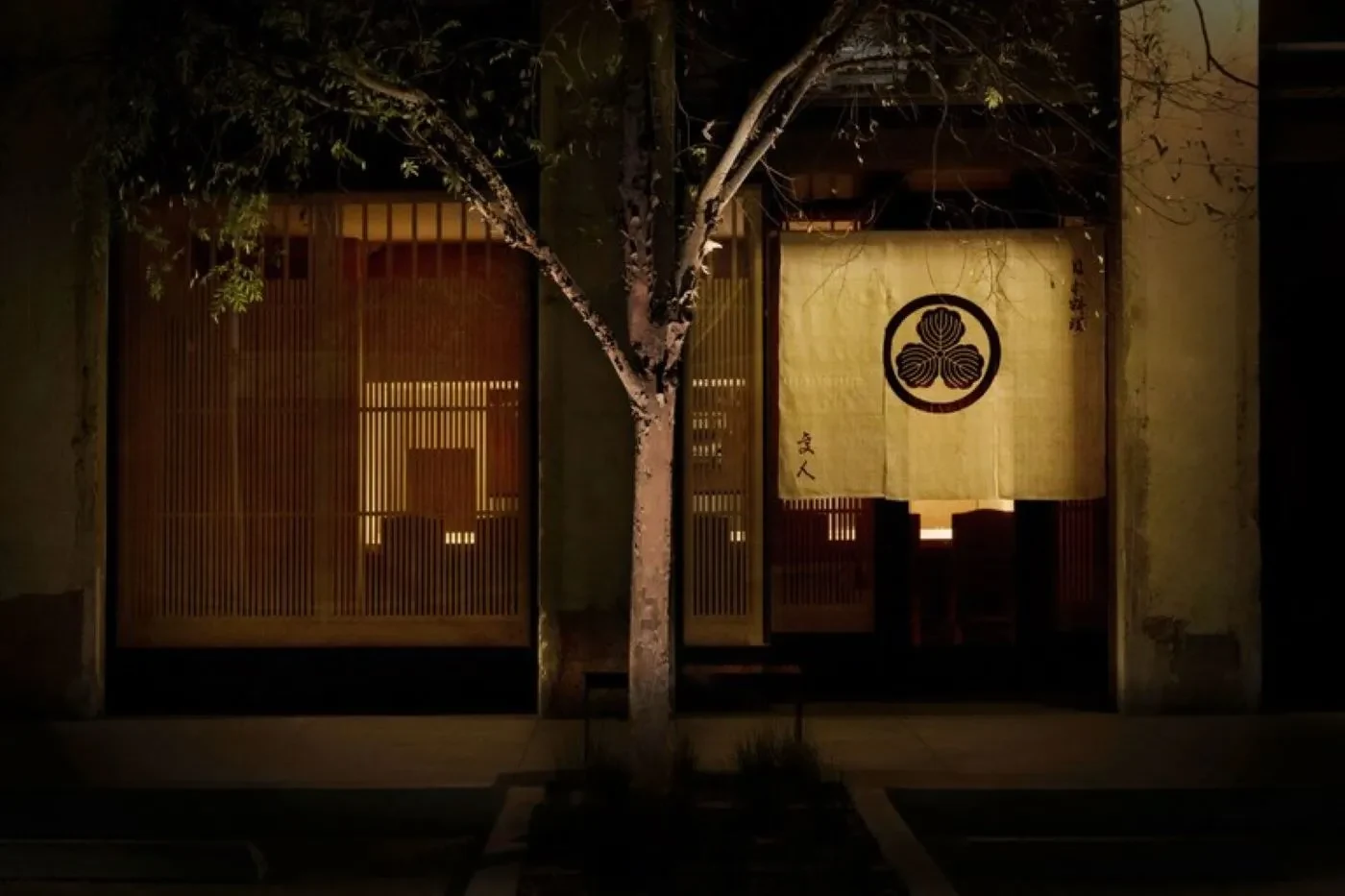
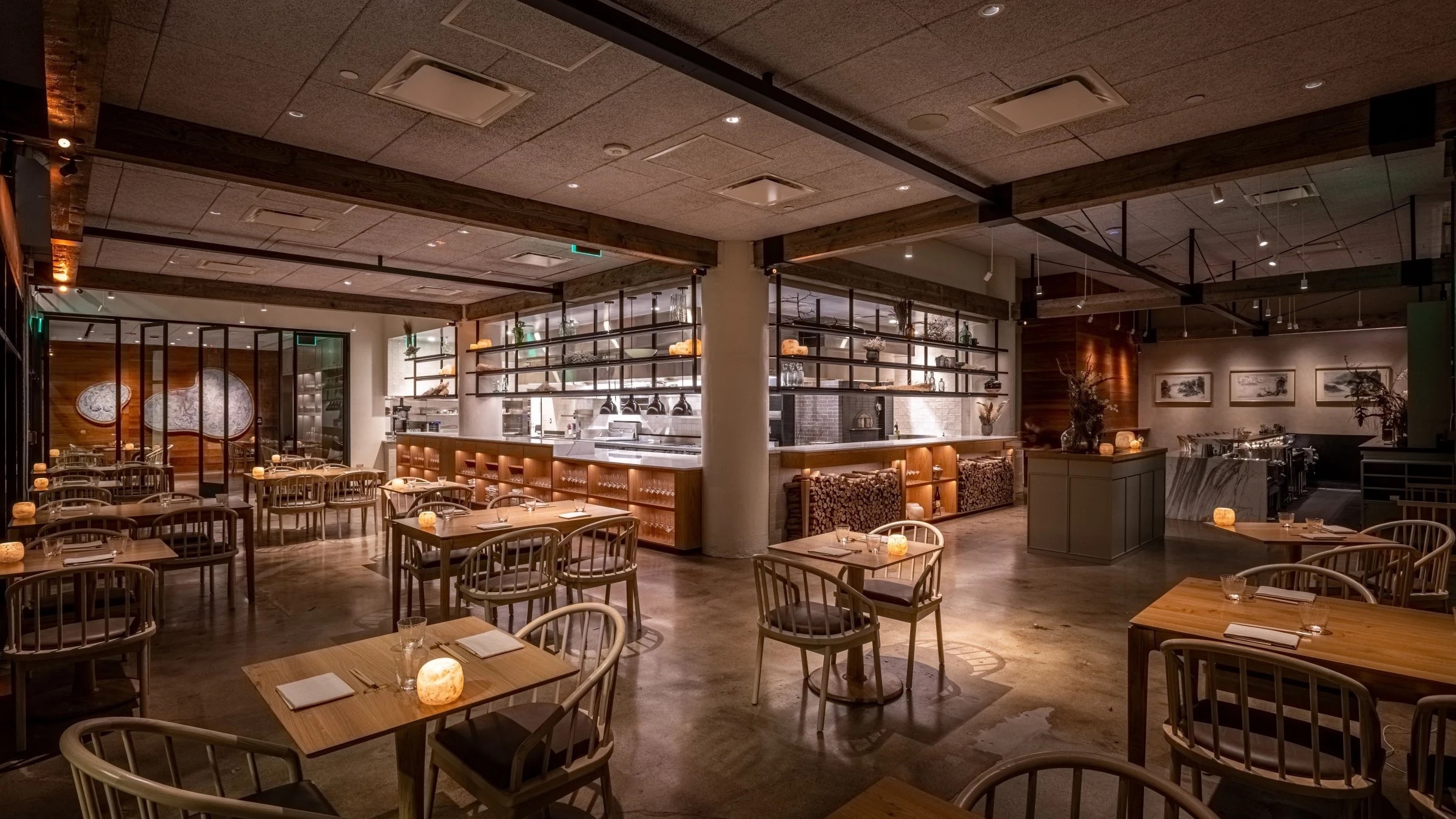
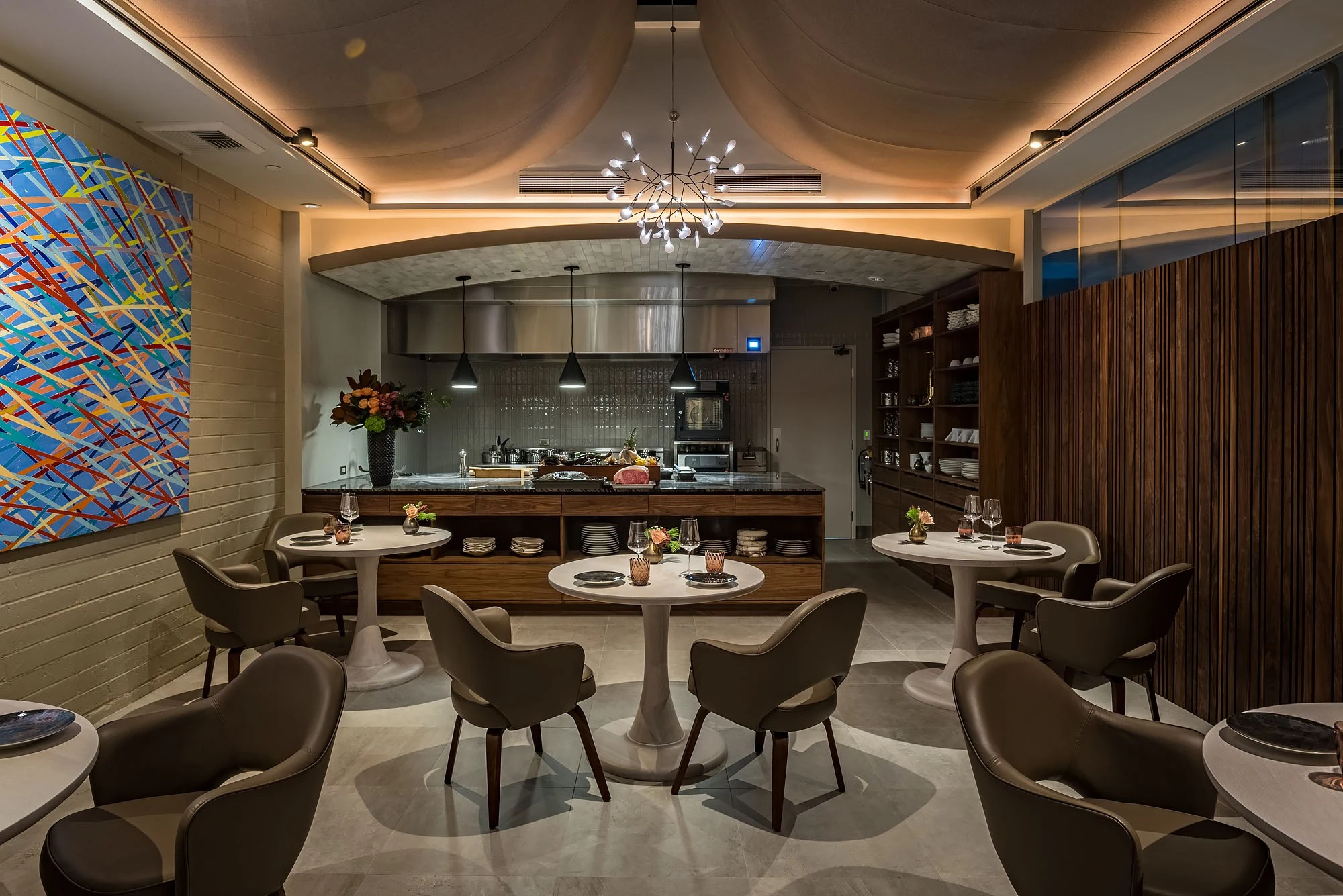
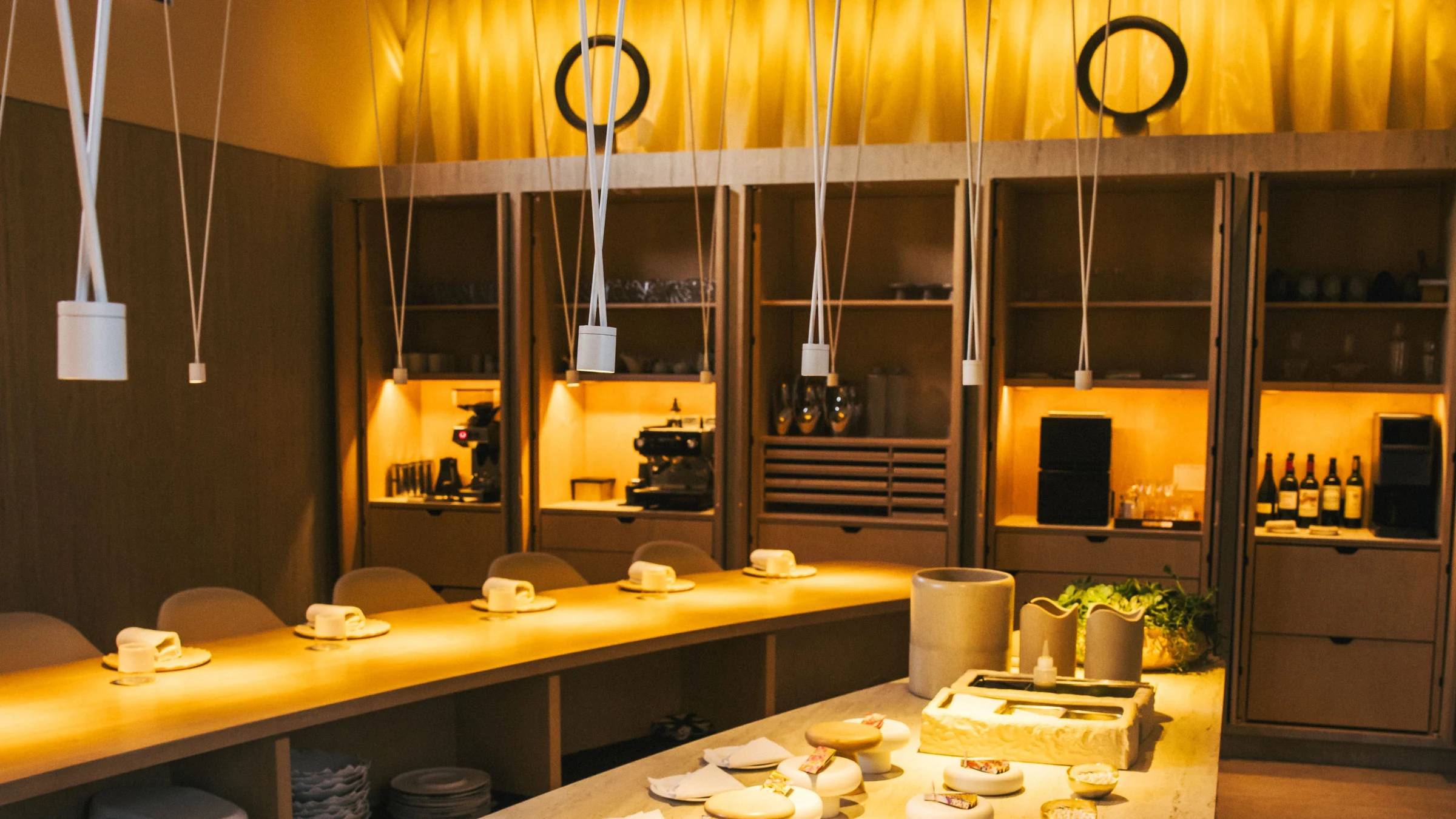
n/naka is a one-Michelin-star restaurant in Los Angeles serving modern kaiseki by Niki Nakayama. The dining room at 3455 Overland Avenue in Culver City offers almost no visual noise: pale wood, clean lines, the kind of deliberate calm that signals the meal itself is the entire point. This is the physical grammar of kaiseki translated into a Los Angeles residential neighbourhood, and it sets expectations correctly from the moment you walk in. Kaiseki, the multi-course Japanese dining tradition rooted in the seasonal cadences of Kyoto, demands a room that recedes. At n/naka, it does. The three-hour, thirteen-course dinner that follows requires your full attention, and the space is designed to give it.
Among the tasting-menu addresses that define LA's upper tier, Hayato in the Arts District, 715, and the more avant-garde proposition of Vespertine, n/naka occupies a specific position: it is the city's only Michelin-starred kaiseki restaurant, and its connection to a formal Japanese dining tradition places it in a different competitive conversation than progressive American tasting menus like Alinea in Chicago or the farm-anchored format of Single Thread Farm in Healdsburg. The more useful peer comparison runs through kaiseki addresses in Japan: the format at n/naka reads against counters like Myojaku in Tokyo or Azabu Kadowaki, with the decisive difference being what California's ingredient base contributes to the structure.
The Sunday letter
Find new places through the people who run them.
Our Sunday email brings you the chefs, winemakers and hoteliers behind our newest stories. See a sample before you subscribe.
See a sample of the Sunday emailOne email a week. Unsubscribe from any issue.
The Garden as Editorial Statement
The sustainability argument at most fine-dining restaurants is logistical: shorter supply chains, seasonal menus adjusted by what's available, relationships with named farms. At n/naka, it begins at home. A meaningful portion of the ingredients that appear across the thirteen courses are grown in the chefs' own yard, herbs, vegetables, edible flowers, which compresses the supply chain to a distance measured in minutes rather than miles. The remainder of the sourcing draws from California producers, which means the kaiseki structure is being expressed through ingredients that have never left the state.
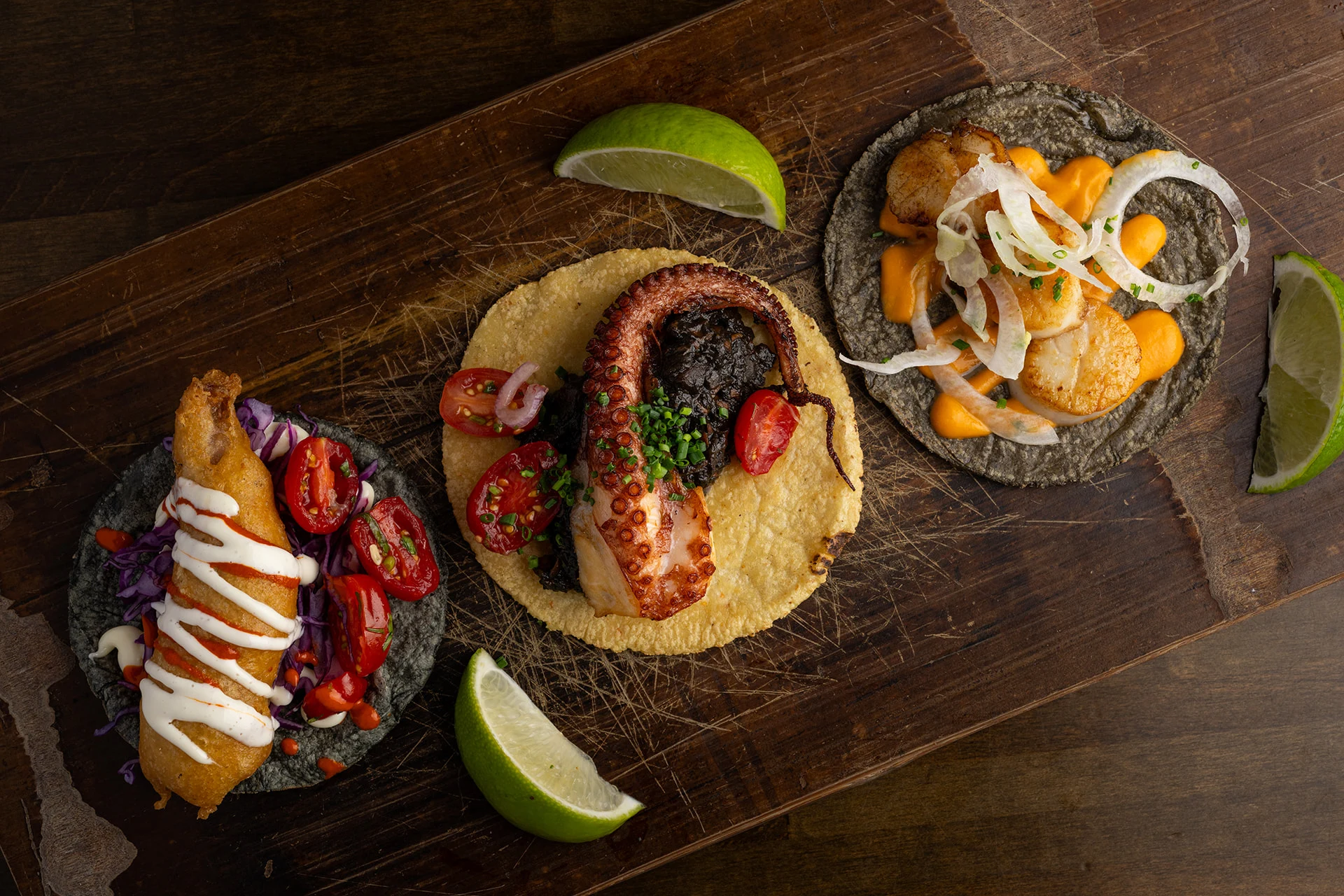
This is an editorial choice as much as an environmental one. Kaiseki's founding principle is that a meal should reflect what the season is actually doing right now, not what a season is supposed to mean in the abstract. When the ingredients come from a garden the chefs tend themselves, the seasonality isn't curated from a supplier catalogue, it's immediate and specific. A sansho-spiked watermelon course or avocado slivers layered with tachiuo fish and ponzu gelée aren't fusion novelties; they are the California growing season making an argument inside a Japanese structure. This is what separates n/naka from Japanese restaurants in Los Angeles that import their primary ingredients from Japan: the kitchen is not recreating a Tokyo kaiseki experience, it is building a West Coast one.
The broader trend this reflects is visible across the highest tier of California dining. The French Laundry in Napa has operated its own kitchen gardens for decades; Lazy Bear in San Francisco has built a sourcing identity around Northern California producers. The distinguishing factor at n/naka is that the garden-to-table sourcing is happening inside a highly codified foreign tradition, which creates a productive tension: the form is Japanese, the ingredients are Californian, and the resolution of that tension is the meal itself.
The Kaiseki Structure and What California Does to It
Kaiseki in its classical form is a sequenced progression: sakizuke, hassun, yakimono, and so on through to dessert, with each course governed by specific rules about technique, presentation, and ingredient category. The structure provides a kind of grammar that even diners unfamiliar with kaiseki can feel, there is a logic to how the meal moves, a rhythm that builds and releases across three hours. What n/naka has done since Niki Nakayama opened the restaurant in 2011 is hold that structure while allowing California's ingredient palette to generate the content.
The result, as described in the LA Times 2024 review that placed n/naka ninth on its annual list, includes sushi courses alongside dishes that carry distinctly Californian signatures: avocado, local Wagyu, produce from the kitchen garden. The sushi exists within the kaiseki sequence rather than anchoring it the way it would at an omakase counter like those clustered in Ginza or, locally, the format pursued by Hayato. The distinction matters because it positions n/naka not as a sushi destination with kaiseki elements but as a kaiseki restaurant that includes sushi as one movement in a longer composition.
For diners arriving from other high-investment tasting-menu experiences, Le Bernardin in New York City, Emeril's in New Orleans, or the more casual end of the LA fine-dining spectrum at Hinoki & The Bird, the kaiseki format will feel structurally different. The pacing is slower and more deliberate, the courses are smaller and more numerous, and the cumulative effect is less about individual dishes than about how the sequence as a whole produces a single coherent experience.
Recognition and Where It Sits in the LA Hierarchy
n/naka holds one Michelin star as of the current guide cycle, a status it has maintained with consistency since establishing itself in the city's top tier. The La Liste ranking places it at 83 points in 2026, down from 87.5 in 2025, a small movement within the leading bracket of that survey, not a directional shift. Opinionated About Dining, which aggregates critical opinion across North America, ranked n/naka 96th in 2024 and 84th in 2023. Google reviews across 510 submissions average 4.9, a signal of sustained customer satisfaction rather than a single exceptional period.
The Chef's Table appearance on Netflix brought the restaurant's format and philosophy to a wider audience. For n/naka, the documentary arrived early enough in the restaurant's history that it shaped the international perception of the project from the outset.
Within the LA tasting-menu conversation, n/naka's one-star status places it above the majority of the city's omakase and kaiseki addresses and in the company of a small group of restaurants operating at the highest recognition tier. Japanese cuisine at the premium end in Los Angeles has developed considerable range over the past decade, from the kaiseki tradition that n/naka represents to the more experimental approaches visible at IMA and the cocktail-forward Japanese drinking culture explored at Bar Sawa. n/naka sits at the formal, tradition-anchored end of that range.
Planning Your Visit
n/naka operates Wednesday through Saturday, with seatings from 5:30 to 9 pm. The restaurant is closed Sunday through Tuesday. The price range sits at the highest tier for Los Angeles dining, consistent with the one-star kaiseki format and the thirteen-course structure. Reservations are among the most contested in the city, demand accelerated significantly after the Chef's Table documentary, and planning several weeks to months ahead is standard practice.
Quick reference: Wednesday to Saturday, 5:30 to 9 pm. Closed Sunday to Tuesday. Price tier: $$$$. Address: 3455 Overland Ave, Los Angeles, CA 90034.
Questions
Frequently asked
What recognition does n/naka hold?
n/naka holds 1 Michelin star and a James Beard award.
Who works at n/naka?
Made By profiles Niki Nakayama (Chef) at n/naka.
How expensive is n/naka?
n/naka is listed at a price level of $$$$.
Where is n/naka and what does it serve?
n/naka is in Westside Village, Los Angeles, serving Modern Kaiseki.
The field
How it compares
| Place | Awards | Cuisine | Notes |
|---|---|---|---|
| n/naka | Michelin 1 Star, James Beard | Modern Kaiseki | Westside Village, $$$$ |
| Hayato | Michelin 2 Stars | Traditional Japanese Kaiseki | Los Angeles |
| Holbox | Michelin 1 Star, World's 50 Best | Modern Mexican Seafood | Los Angeles |
| Kato | Michelin 2 Stars, World's 50 Best | Modern Taiwanese Fine Dining | Los Angeles |
| Mélisse | Michelin 2 Stars | California-French Fine Dining | Los Angeles |
| Providence | Michelin 3 Stars, World's 50 Best | Modern Seafood Fine Dining | Los Angeles |
| Somni | Michelin 3 Stars, World's 50 Best | Modern Spanish Fine Dining | Los Angeles |
In residence
Similar places
Traditional Japanese Kaiseki
Hayato
Los Angeles, United States
★★
Modern Mexican Seafood
Holbox
Los Angeles, United States
★ · 50 Best
Modern Taiwanese Fine Dining
Kato
Los Angeles, United States
★★ · 50 Best
California-French Fine Dining
Mélisse
Los Angeles, United States
★★
Modern Seafood Fine Dining
Providence
Los Angeles, United States
★★★ · 50 Best
Modern Spanish Fine Dining
Somni
Los Angeles, United States
★★★ · 50 Best
The Sunday letter
Get the next Made By story in your inbox.
We send one email every Sunday morning with the places and people we covered that week.
See a sample of the Sunday emailOne email a week. Unsubscribe from any issue.