noix de beurre Shinjuku isetan ten
- 01CuisineFrench-style patisserie & baked goods
- 02CityTokyo, Japan
From the people index
Recommended by
One trusted voice points here.
- Tabelog 100 #30: 3.8pts · 2023
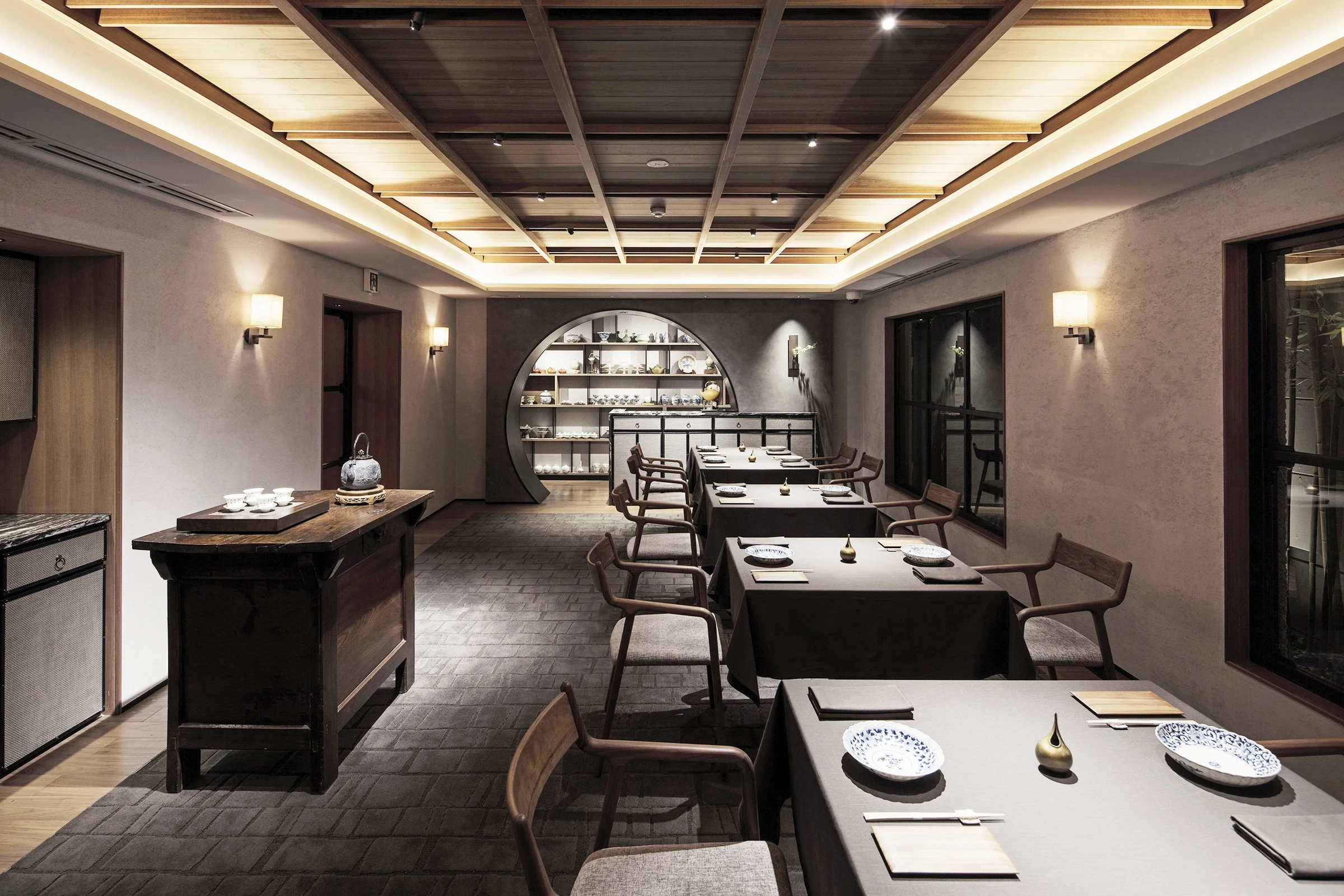
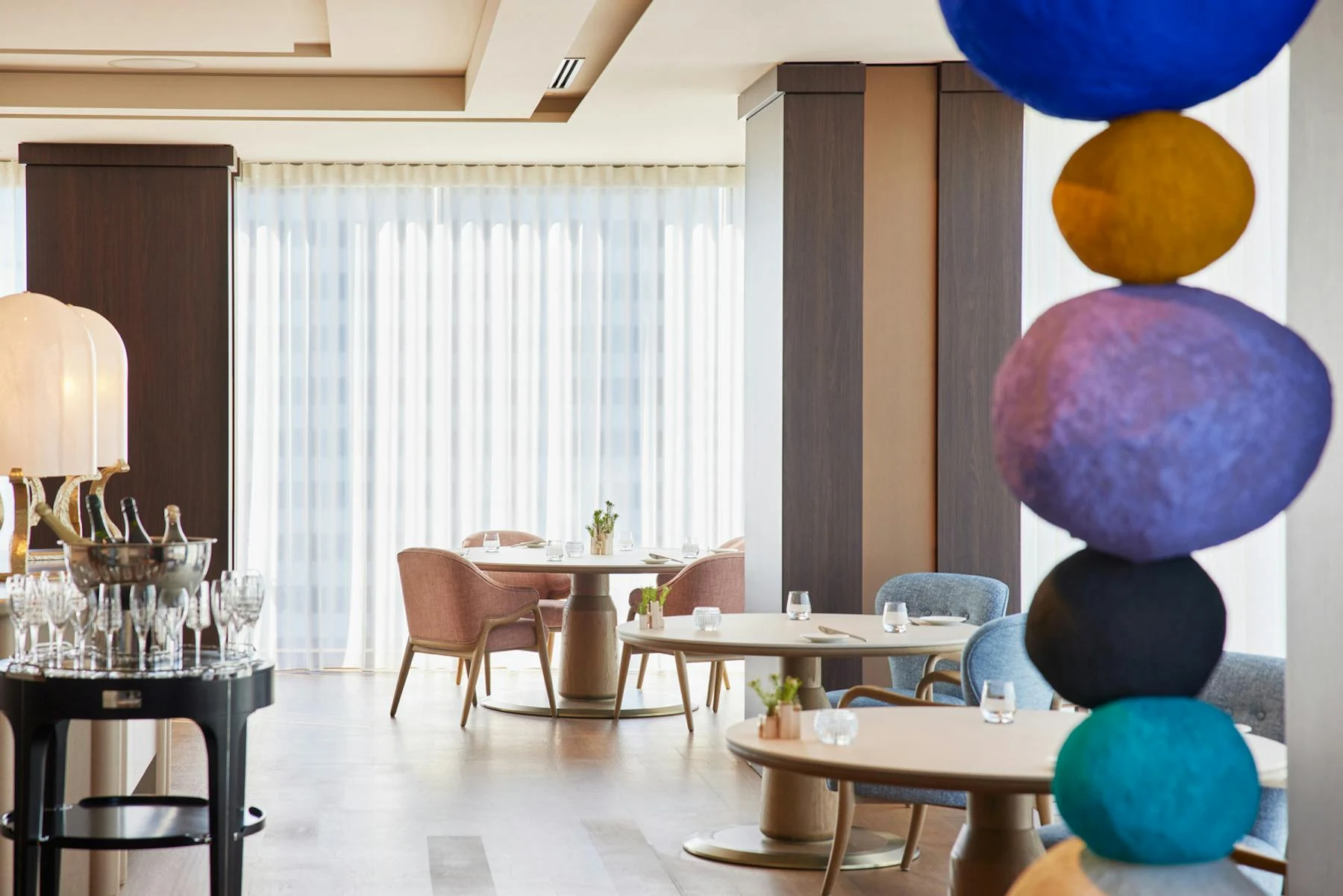
The descent into Isetan Shinjuku’s food basement is a shift in tempo: polished counters, compact queues, gift boxes moving across glass, and shoppers making quick decisions with the concentration usually reserved for dinner reservations. Tokyo’s depachika sweets floors operate as miniature pastry cities, with cake, chocolate, wagashi, gelato, bread, and seasonal gift sets compressed into a few intensely curated aisles. noix de beurre Shinjuku isetan ten fits that environment exactly: a takeout pastry specialist inside a department store where the room is not the point, the counter is.
That distinction matters. In much of Tokyo, dessert is split between destination salons, hotel pâtisserie, neighborhood cake shops, and department-store counters built for speed, gifting, and repeat traffic. The Isetan model rewards teams that can produce polished sweets at volume without turning the purchase into a drawn-out restaurant experience. The collaboration here is less about a visible chef, sommelier, and dining-room captain than about the quieter coordination of pastry production, counter service, and retail pacing. The front-facing staff must translate a cake-and-chocolate offer quickly; the pastry team has to make work that survives the short trip from counter to table; the store setting imposes its own discipline.
Department-store pastry, judged by Tokyo's sweets standard
Tokyo treats pastry with the same ranking instinct it applies to ramen, sushi, curry, and yakitori. A Tabelog 100 Sweets Tokyo 2023 selection places this counter inside a competitive city category rather than a casual snack stop. The score attached to the listing, 3.79, is also meaningful in the Tokyo context: Tabelog ratings tend to move conservatively, and sweets shops compete against specialists with loyal neighborhood followings as well as brands inside major retail floors.
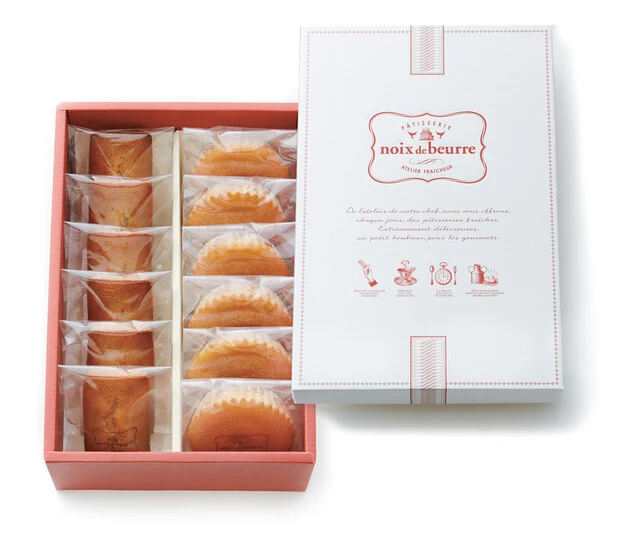
The category is listed as cake and chocolate, which says more than a long menu description would. Cake in a depachika setting has to work visually under glass, travel cleanly, and meet Tokyo’s expectation for portion control and finish. Chocolate adds a second register, useful for gifting and for shoppers who want something less fragile than a plated dessert. The format is takeout, not a seated tasting, so the experience is built around selection, packaging, and carrying the purchase into the rest of the day.
Within Shinjuku, that gives the counter a different role from a full restaurant such as 12/10 Shinjuku ten or a more meal-driven stop such as 3 Chome no Curry Ya San. It also sits apart from sweets neighbors in the same retail orbit: HEDIARD Shinjuku honten occupies a slightly higher spend band on many visits, while Premium Mario Gelateria Shinjuku isetan ten plays in the under-1,000-yen gelato lane. seiohtei Shinjuku ten, priced above these counters, belongs to another purchasing mood. The useful comparison is not cuisine alone, but how much ceremony, portability, and spend the shopper wants.
The craft is in the handoff, not the table
Takeout pastry can look simple from the outside because the final exchange is brief. In Tokyo, that brevity is often the product of a strict division of labor. Production has to deliver consistency, counter staff have to manage speed without making the exchange feel careless, and the department-store floor adds another layer of choreography. There is no wine pairing to lengthen the arc and no dining-room rhythm to soften flaws; the box is the promise.
This is why Isetan’s basement remains one of Tokyo’s useful food addresses for travelers who already have restaurant reservations elsewhere. It lets a visitor read the city’s standards through small purchases: the seriousness of packaging, the segmentation between gifts and personal treats, the way pastry competes with prepared foods and luxury groceries for attention. A counter like this is not trying to replace dinner. It fills the Tokyo slot between shopping, hotel check-in, train transfer, and a later booking.
The location also changes the reader’s decision. Shinjuku is not a single dining neighborhood; it is a transport hub, department-store district, late-night drinking zone, and office catchment layered on itself. A sweets counter in Isetan is useful before leaving the area, after lunch nearby, or as a controlled detour when a seated café would take too much time. For broader planning, place it beside the city’s restaurant circuit in Our full Tokyo restaurants guide, then map the rest of the day through Our full Tokyo hotels guide, Our full Tokyo bars guide, Our full Tokyo wineries guide, and Our full Tokyo experiences guide.
Where it fits in a Tokyo eating day
The smarter use is as a precision stop, not a lingering pause. Shinjuku Sanchome puts the counter in reach of dense shopping and transport, and the department-store setting makes it practical when the day already includes a formal meal. In that sense, it pairs better with a planned dinner than with another dessert-led venue. Tokyo rewards this kind of sequencing: a pastry box here, yakitori later at a place such as 124. KAGURAZAKA (Yakitori), or a completely different casual register at. 鮪と炭火焼き うお炭 秋葉原店.
Travelers building a Japan-wide sweets-and-casual-food map can also read this counter against lighter café formats such as 2D Cafe, then compare how other cities handle small-format eating:.cafe in Osaka, [ki:] in Kyoto,.know in Kumamoto, [Curry Senmon Ten] Maruyama Kyoju. in Sapporo, (Shoku) Vietnam in Kawasaki, and -Grilled beef Sukiyaki- KAMAKURA TANUKIAN 鎌倉 たぬき庵 in Kamakura. Outside Japan, the contrast sharpens further with compact specialist formats such as Jōdo Saké Bar in Los Angeles and Onigiri Time in Pasadena.
The editorial verdict is practical: this is a serious Tokyo sweets stop for travelers who understand the depachika as part of the city’s food culture, not a substitute for a pastry salon. Its credibility rests on Tabelog 100 Sweets Tokyo 2023 recognition, a focused cake-and-chocolate category, and a retail format that suits Shinjuku’s pace. Use it when portability, polish, and a low-ceremony purchase are the point.
Questions
Frequently asked
How expensive is noix de beurre Shinjuku isetan ten?
noix de beurre Shinjuku isetan ten is listed at a price level of $.
Where is noix de beurre Shinjuku isetan ten and what does it serve?
noix de beurre Shinjuku isetan ten is in Shinjuku, Tokyo, serving French-style patisserie & baked goods.
The field
How it compares
| Place | Cuisine | Notes | Awards |
|---|---|---|---|
| noix de beurre Shinjuku isetan ten | French-style patisserie & baked goods | Shinjuku, $ | · |
| Den | Modern Japanese Kaiseki | Tokyo | Michelin 2 Stars, World's 50 Best |
| Florilège | Modern French-Japanese Plant-Based Fine Dining | Tokyo | Michelin 2 Stars, World's 50 Best |
| Narisawa | Modern Japanese Satoyama Fine Dining | Tokyo | Michelin 2 Stars, World's 50 Best |
| Quintessence | Modern French Fine Dining | Tokyo | Michelin 3 Stars |
| Sazenka | Modern Chinese Fine Dining | Tokyo | Michelin 3 Stars, World's 50 Best |
| Sézanne | Modern French Fine Dining | Tokyo | Michelin 3 Stars, World's 50 Best |
Similar places
Modern Japanese Kaiseki
Den
Tokyo, Japan
★★ · 50 Best
Modern French-Japanese Plant-Based Fine Dining
Florilège
Tokyo, Japan
★★ · 50 Best
Modern Japanese Satoyama Fine Dining
Narisawa
Tokyo, Japan
★★ · 50 Best
Modern French Fine Dining
Quintessence
Tokyo, Japan
★★★
Modern Chinese Fine Dining
Sazenka
Tokyo, Japan
★★★ · 50 Best
Modern French Fine Dining
Sézanne
Tokyo, Japan
★★★ · 50 Best