Nouvelle Epoque
- 01CuisineContemporary French-Japanese Fine Dining
- 02CityTokyo, Japan
French method, Noto vegetables, sake lees
- Forbes 4-Star · 2026
- Forbes 5-Star · 2025
White asparagus before the pass
White asparagus is worked into a cream soup before it goes out through the pass at Nouvelle Epoque in Toranomon, Tokyo. The room sits on the 5th floor of The Okura Tokyo Heritage Wing, where the hotel’s French line moved from La Belle Epoque into a restaurant opened on September 12, 2019. A hotel dining room of this kind asks for calm sequence as much as kitchen flourish: the course, the explanation, the glass, the cutlery, the return to the pass. The house is built on inherited French discipline and Japanese seasonal judgment, with Masakichi Ono, often described as the father of French cooking in Japan, treated as part of the creative foundation. The work is not a rupture from the old hotel restaurant. It is a change in tempo, with French method kept in view and Japanese produce given the last word.
French structure, Japanese season
The program moves through a prix fixe and tasting-menu format, with dishes shaped around land-and-sea sourcing and seasonal local ingredients. Organic vegetables from a dedicated farm in Noto appear in the restaurant’s account of its healthy gastronomy, alongside fermented elements such as sake lees and rice koji. Those details give the kitchen its particular register: cream soup with a frothy surface; fillet of Japanese beef with seasonal vegetables; a dessert built in layers of green tea, white chocolate, sakura granita, strawberries, and a crisp sugar crown with dried sakura. The technique is classical where it needs to be classical. Sauces carry weight, vegetables mark the season, and the plate often turns on temperature as much as flavor. The beverage side follows the same formality, with a wine program strong enough to define part of the meal and sake sitting beside it rather than outside it. In a hotel dining room, that pairing is a quiet statement of method.
The room above the garden
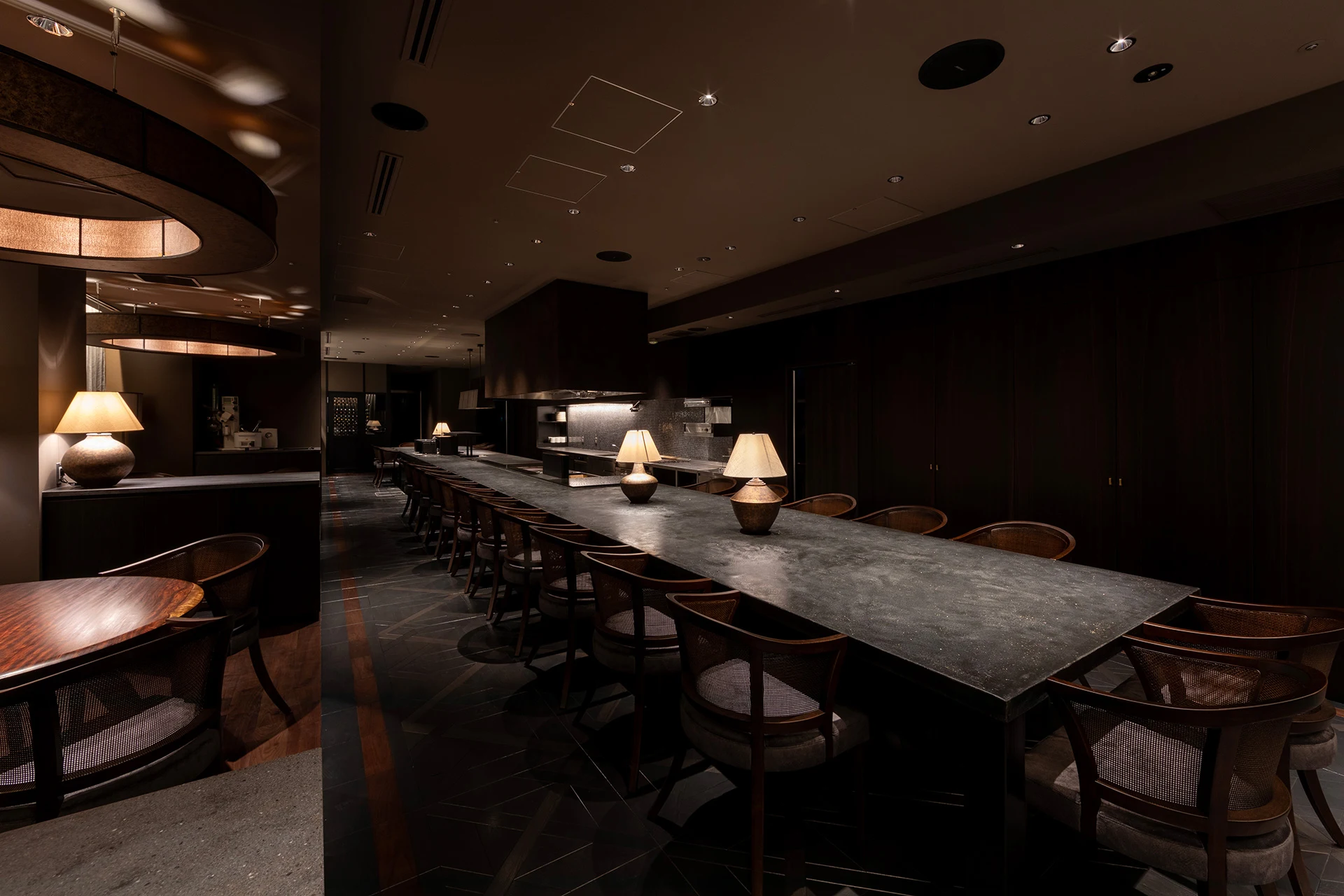
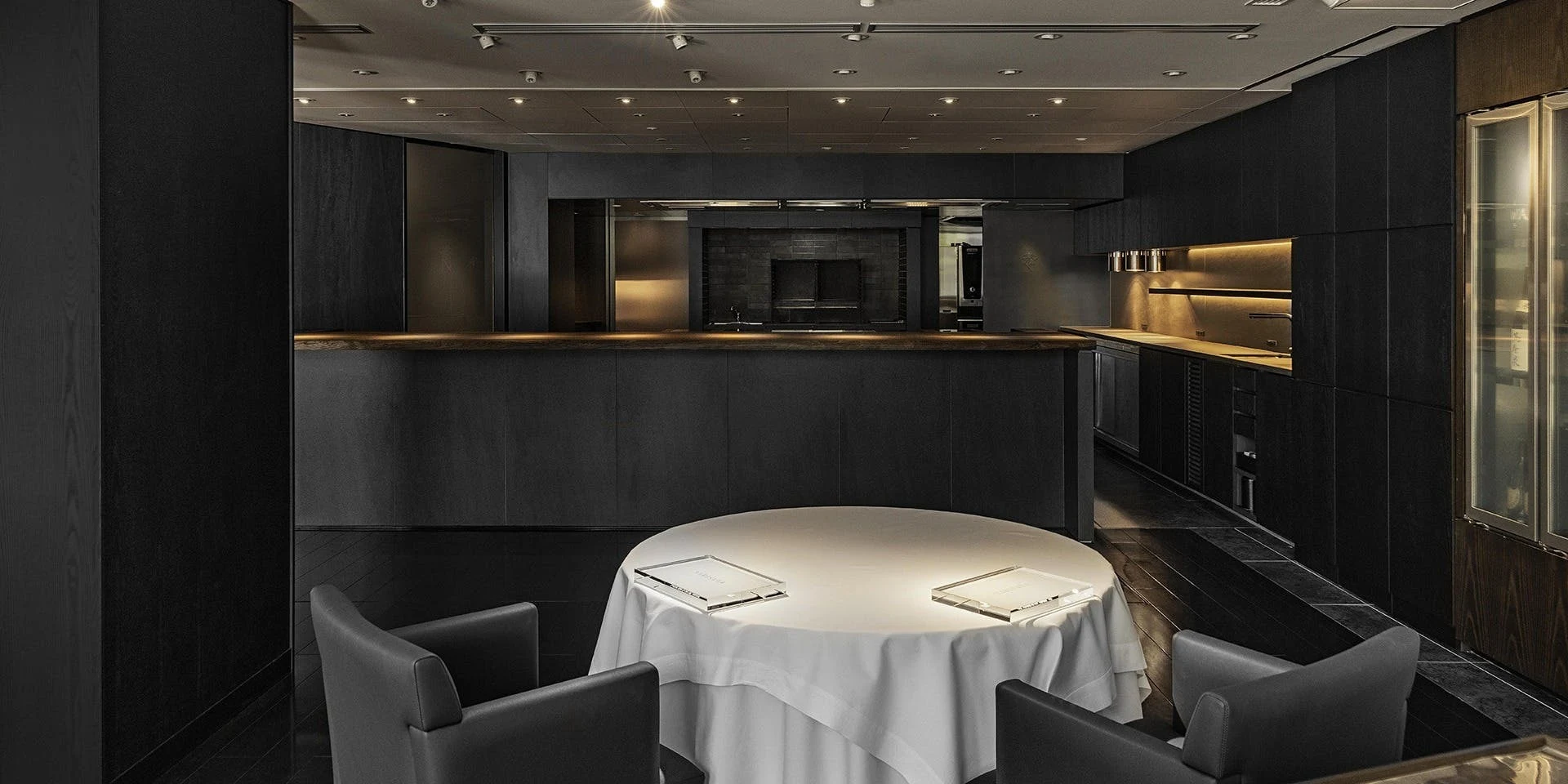
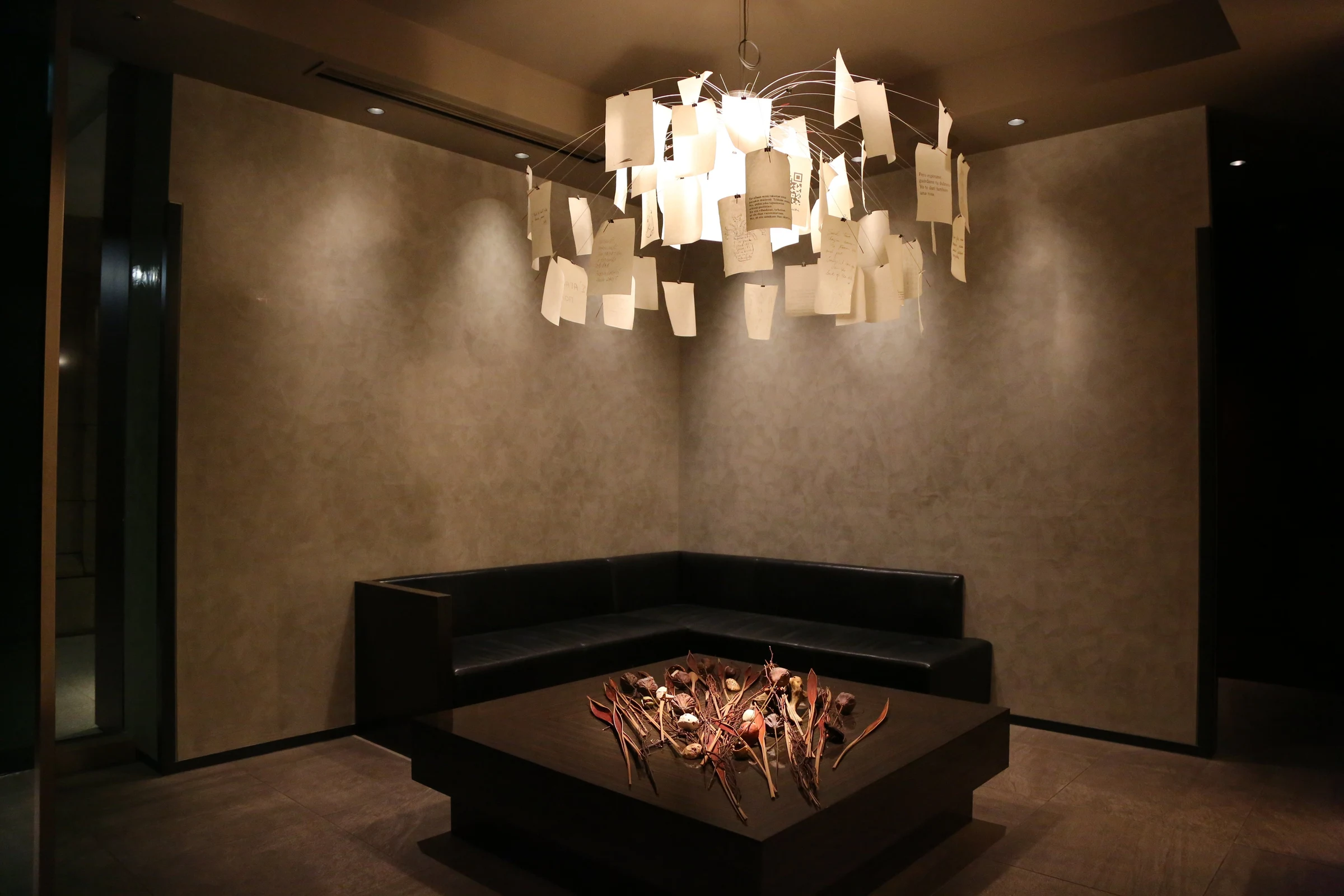
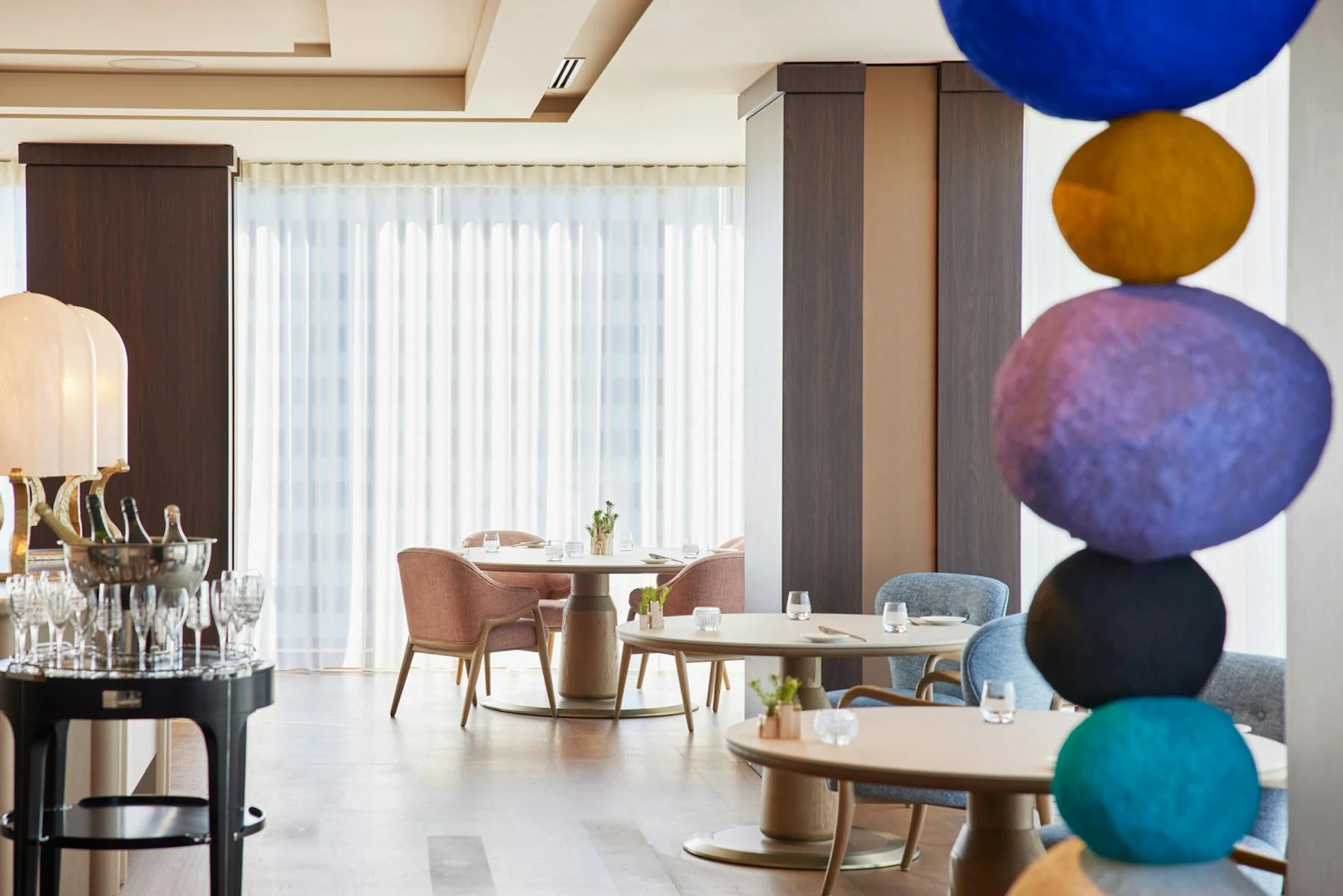
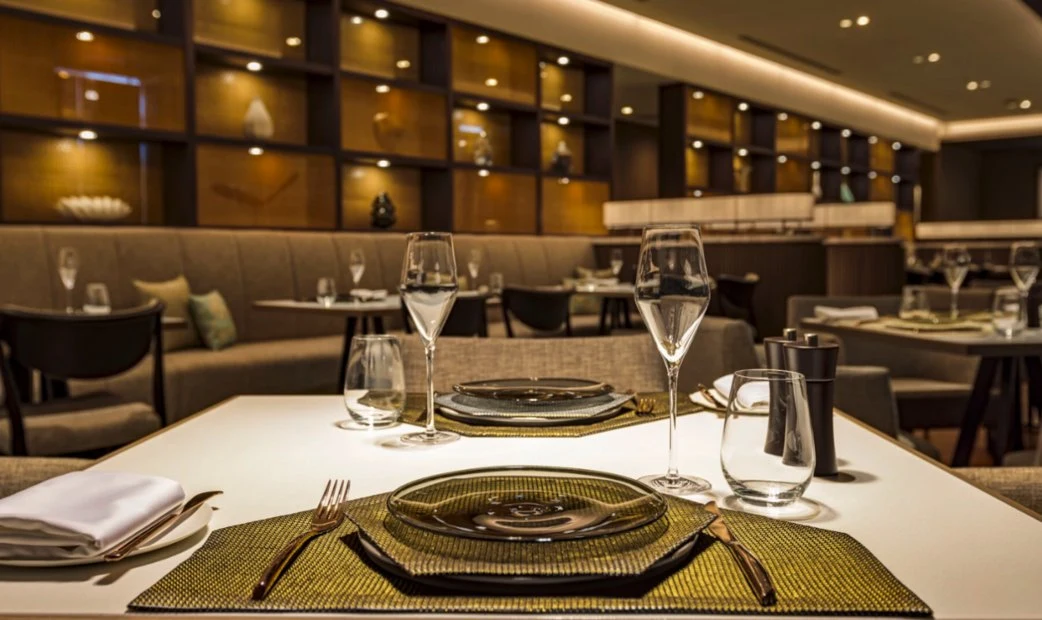
Pale gold moves through the room before service gathers pace. White tablecloths hold the line, regal chairs set the posture, and modern chandeliers keep the polish low rather than theatrical. Yoshio Taniguchi’s design gives the restaurant an ordered calm, with tall windows looking toward the hotel garden and the Tokyo skyline beyond it. The sound level stays low enough for the pass to feel composed, not hidden. Classical music, natural light, and the formal service style all pull in the same direction: a dining room made for sequence and attention. The counterpoint is on the plate, where French inheritance meets Noto vegetables, rice koji, sake lees, and sakura. The room does not need to announce that crossing. The soup and the glass do it.
A new room for an old line
Nouvelle Epoque’s place inside The Okura Tokyo matters because the restaurant carries a predecessor without copying it. La Belle Epoque gave the hotel a long French memory; the present room keeps that memory active through Japanese ingredients and a dining style suited to Toranomon’s diplomatic and corporate quarter. Recognition has followed the house rather than a single dish, with awards attached to Nouvelle Epoque itself. The work continues at the point where service discipline, French structure, and local season meet on the 5th floor of the Heritage Wing.
Questions
Frequently asked
What kind of restaurant is Nouvelle Epoque?
Nouvelle Epoque is a contemporary French-Japanese fine dining restaurant in Toranomon, Minato-ku, on the 5th floor of The Okura Tokyo Heritage Wing.
What is the cooking style there?
The kitchen works with French method and Japanese seasonal produce, with dishes shaped through prix fixe and tasting-menu formats. Organic vegetables from a dedicated farm in Noto, along with fermented ingredients such as sake lees and rice koji, are part of the restaurant’s account of its cooking.
What dishes is Nouvelle Epoque known for?
Named dishes include fillet of Japanese beef with seasonal vegetables, white asparagus cream soup, and a multi-layered dessert with green tea and sakura.
What should a visit there look like?
Reservations are essential, the dress code is formal, and valet parking is available. The room is designed with white tablecloths, modern chandeliers, tall windows, and a calm service style.
The field
How it compares
| Place | Cuisine | Notes | Awards |
|---|---|---|---|
| Nouvelle Epoque | Contemporary French-Japanese Fine Dining | Minato, $$$$ | · |
| Den | Modern Japanese Kaiseki | Tokyo | Michelin 2 Stars, World's 50 Best |
| Florilège | Modern French-Japanese Plant-Based Fine Dining | Tokyo | Michelin 2 Stars, World's 50 Best |
| Narisawa | Modern Japanese Satoyama Fine Dining | Tokyo | Michelin 2 Stars, World's 50 Best |
| Quintessence | Modern French Fine Dining | Tokyo | Michelin 3 Stars |
| Sazenka | Modern Chinese Fine Dining | Tokyo | Michelin 3 Stars, World's 50 Best |
| Sézanne | Modern French Fine Dining | Tokyo | Michelin 3 Stars, World's 50 Best |
Similar places
Modern Japanese Kaiseki
Den
Tokyo, Japan
★★ · 50 Best
Modern French-Japanese Plant-Based Fine Dining
Florilège
Tokyo, Japan
★★ · 50 Best
Modern Japanese Satoyama Fine Dining
Narisawa
Tokyo, Japan
★★ · 50 Best
Modern French Fine Dining
Quintessence
Tokyo, Japan
★★★
Modern Chinese Fine Dining
Sazenka
Tokyo, Japan
★★★ · 50 Best
Modern French Fine Dining
Sézanne
Tokyo, Japan
★★★ · 50 Best