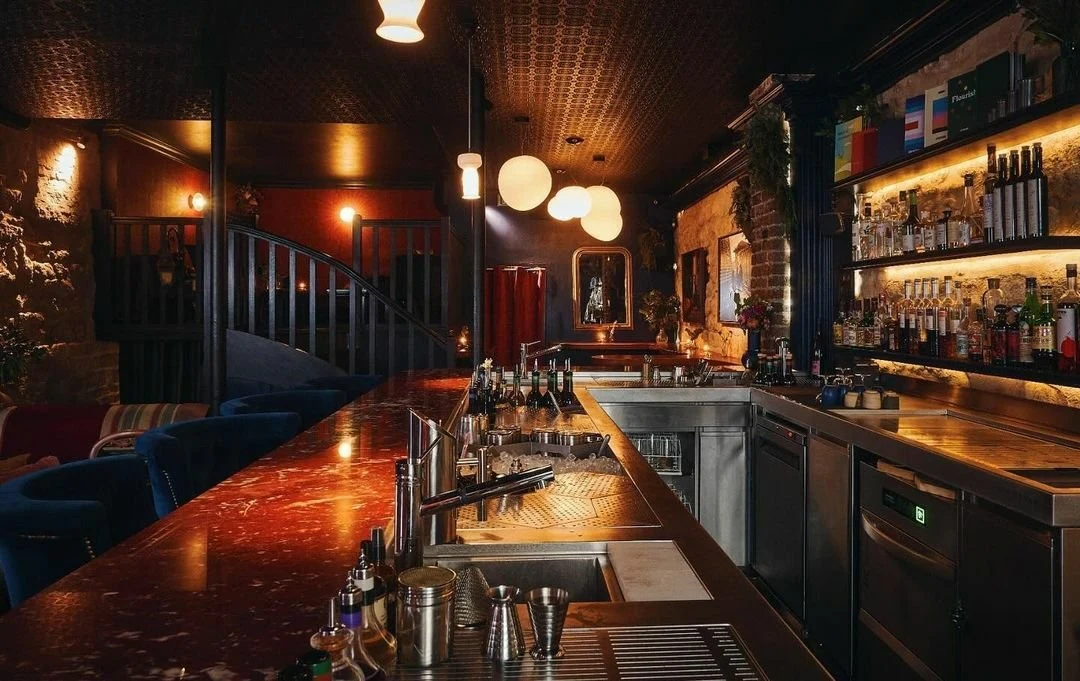
Nouvelle Vague is a bar in Tirana, ranked #28 in the World's 50 Best Bars 2025, with cocktails priced at about $25 per person. The interior reads as intimate and considered rather than loud, calibrated toward conversation and focused drinking rather than spectacle. Nouvelle Vague is located on Rruga Pjetër Bogdani, and the surrounding neighbourhood has become a reliable anchor for the city's emerging bar culture, making the walk in something of a shorthand for what Tirana's evenings now look like at their most considered.
Where Tirana's Bar Culture Stands Now
Across cities in the Western Balkans, the cocktail bar has moved from novelty to serious hospitality category in roughly a decade. Tirana has followed that arc with unusual speed. What started as a city known for strong coffee, raki poured without ceremony, and late-night socialising has produced, by 2025, a bar appearing in both the Top 500 Bars list (ranked #39) and the World's 50 Best Bars rankings (rising from #86 in 2023 to recognition again in 2024 at #95). That trajectory matters because it signals something structural, not just a single outlier performance. When a city produces a globally ranked bar, it tends to reflect changes in training pipelines, ingredient sourcing networks, and a local audience willing to pay for it. All three appear to be in place in Tirana. Nouvelle Vague is now in that conversation.
The Sunday email
Read about the people behind bars like Nouvelle Vague in the Sunday email.
Every Sunday we send a lead story and up to four more about the chefs, winemakers, sommeliers and hoteliers behind the restaurants, bars, wineries and hotels we cover.
Recent stories
Free. One email a week, and you can unsubscribe from any issue.
The Origin'al Programme: Raki as a Serious Spirit
The current cocktail menu, named Origin'al, is the clearest articulation of what separates Nouvelle Vague from the broader category of European bars with local-ingredient ambitions. Most operations in this register identify a regional ingredient, deploy it once or twice on a menu, and call it terroir. Origin'al goes further: it was constructed through direct sourcing relationships with small producers across Albania, with a dedicated lab space created to support technical experimentation before anything reached the menu. The result is a programme where raki, Albania's national spirit, is treated with the same structural seriousness that Japan's bartending culture applies to whisky or that New Orleans bartenders bring to aged rum at venues like Jewel of the South.
Raki in Albania is not a single thing. Distilled from grapes, mulberries, or other fruits depending on region and producer, it ranges from rough and unaged to something considerably more refined. The bartending challenge, and the editorial interest, lies in how those variables are managed technically. A bar like Kumiko in Chicago built its reputation on applying Japanese precision to American ingredient narratives. The structural move at Nouvelle Vague is comparable: applying the discipline of contemporary bartending to a spirit category that had not, until recently, been taken seriously in a formal cocktail context.
Drinks That Carry the Argument
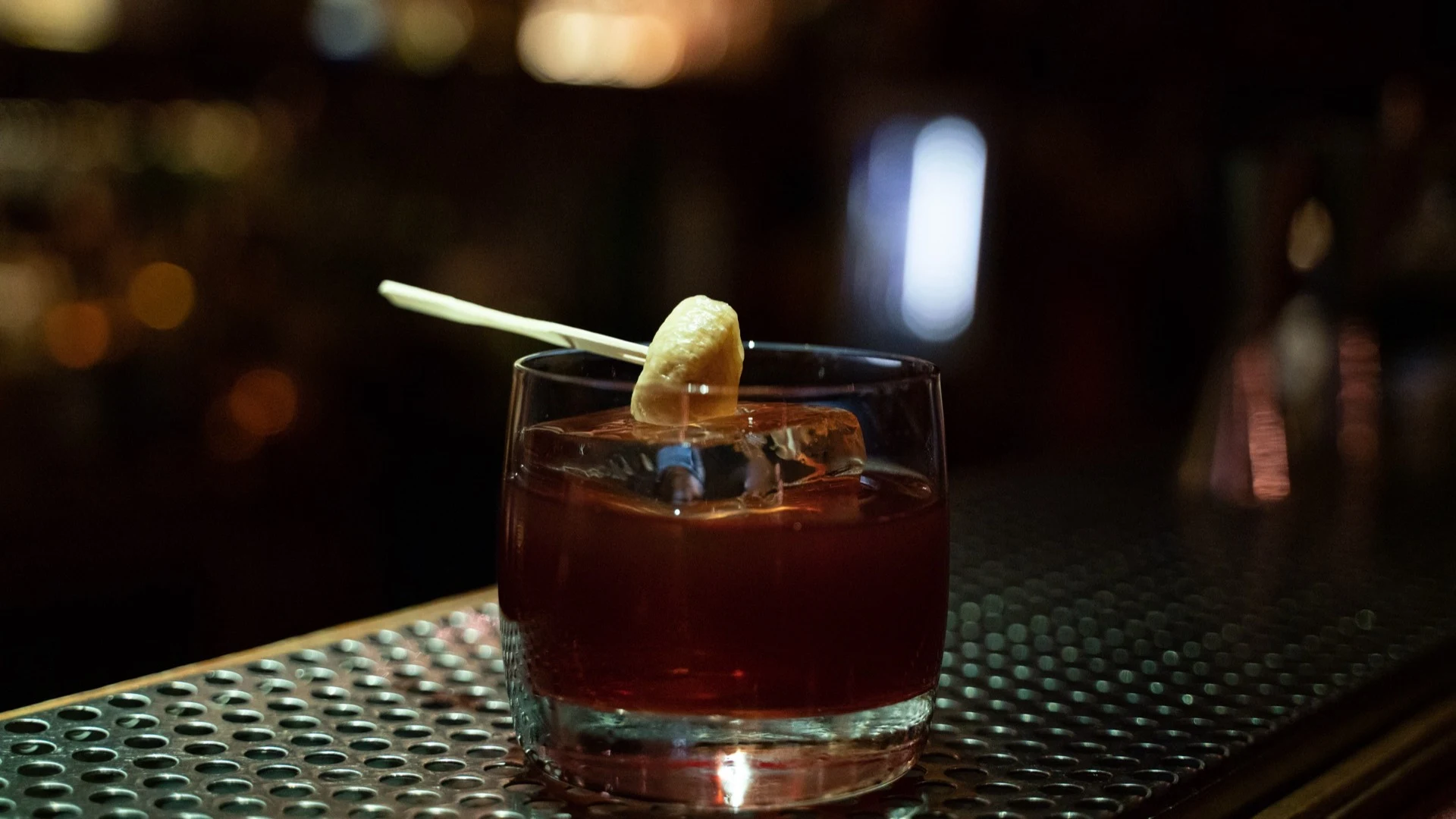
Three serves from the Origin'al menu illustrate the programme's range. Nou Whey combines hazelnut milk, tonka, elderflower, and pear raki, using dairy-alternative technique and aromatic layering to produce something that sits in the same technical register as the clarified and fat-washed serves that define bars at the top of global rankings. Black Sabah draws on the Albanian morning ritual of coffee paired with raki, a pairing so embedded in local culture it borders on ritual, and reframes it as an evening cocktail. The cultural reference is grounded, not decorative. The Deviated Negroni substitutes juniper raki for gin and uses fortified Kallmet wine, a native Albanian grape variety, in place of sweet vermouth, producing a Negroni that is recognisably within that template while being constructed entirely from Albanian components. That last point is the programme's consistent move: familiar cocktail frameworks, Albanian materials, technically executed results. It is a more defensible approach than novelty for its own sake, and it explains why the rankings have held across multiple years rather than reflecting a single strong debut.
The French New Wave Reference and What It Does
The bar takes its name from the French New Wave cinema movement, and that reference is worth taking seriously as a design philosophy rather than branding decoration. The French New Wave's defining gesture was to work within established forms while making the construction visible: jump cuts, direct address, handheld cameras in locations that classical cinema had rendered invisible. Applied to a cocktail bar, that logic produces a programme that honours existing templates (the Negroni, the flavour logic of local food traditions) while making the Albanian ingredient choices explicit and legible rather than seamlessly absorbed. Mariol Djata leads the creative side of that programme. In bars where the programme has genuine intellectual coherence, the bartender's role functions less like a chef's and more like a film editor's: the raw material is the tradition, and the craft is in the cut. Bars operating at this level of conceptual clarity tend to produce menus that reward attention on repeat visits, a different model from the one-visit showcase format that defines a lot of aspirational cocktail programming.
How It Fits the City
Tirana's bar scene is still defining its character. The city has undergone rapid urban change, with formerly closed-off neighbourhoods now housing design-conscious hospitality. Nouvelle Vague sits within that shift but is not defined by it: the programme would be legible and serious in any city, which is precisely what allows it to compete in global rankings. The bar represents one pole of a scene that runs from informal to technically precise. Radio Bar offers a different register of Tirana drinking, and the two together map a useful range of the city's current output. The broader global context for technically driven bars in smaller cities includes Bar Leather Apron in Honolulu, Julep in Houston, Superbueno in New York City, The Parlour in Frankfurt, and 1806 in Melbourne, all bars that built international reputations from cities not traditionally centred in global cocktail discourse. Nouvelle Vague's consistent rankings suggest a similar durability.
Questions
Frequently asked
What recognition does Nouvelle Vague hold?
Nouvelle Vague holds a place on a 50 Best list.
Who works at Nouvelle Vague?
Made By profiles Evis Cali (Co-Founder) and Sofokli Cali (Co-Founder) at Nouvelle Vague.
How expensive is Nouvelle Vague?
Nouvelle Vague is listed at a price level of $$.
The field
How it compares
| Place | Awards | Notes |
|---|---|---|
| Nouvelle Vague | 50 Best | Blloku, $$ |
| Attaboy | 50 Best | New York City |
| Little Red Door | 50 Best | Paris |
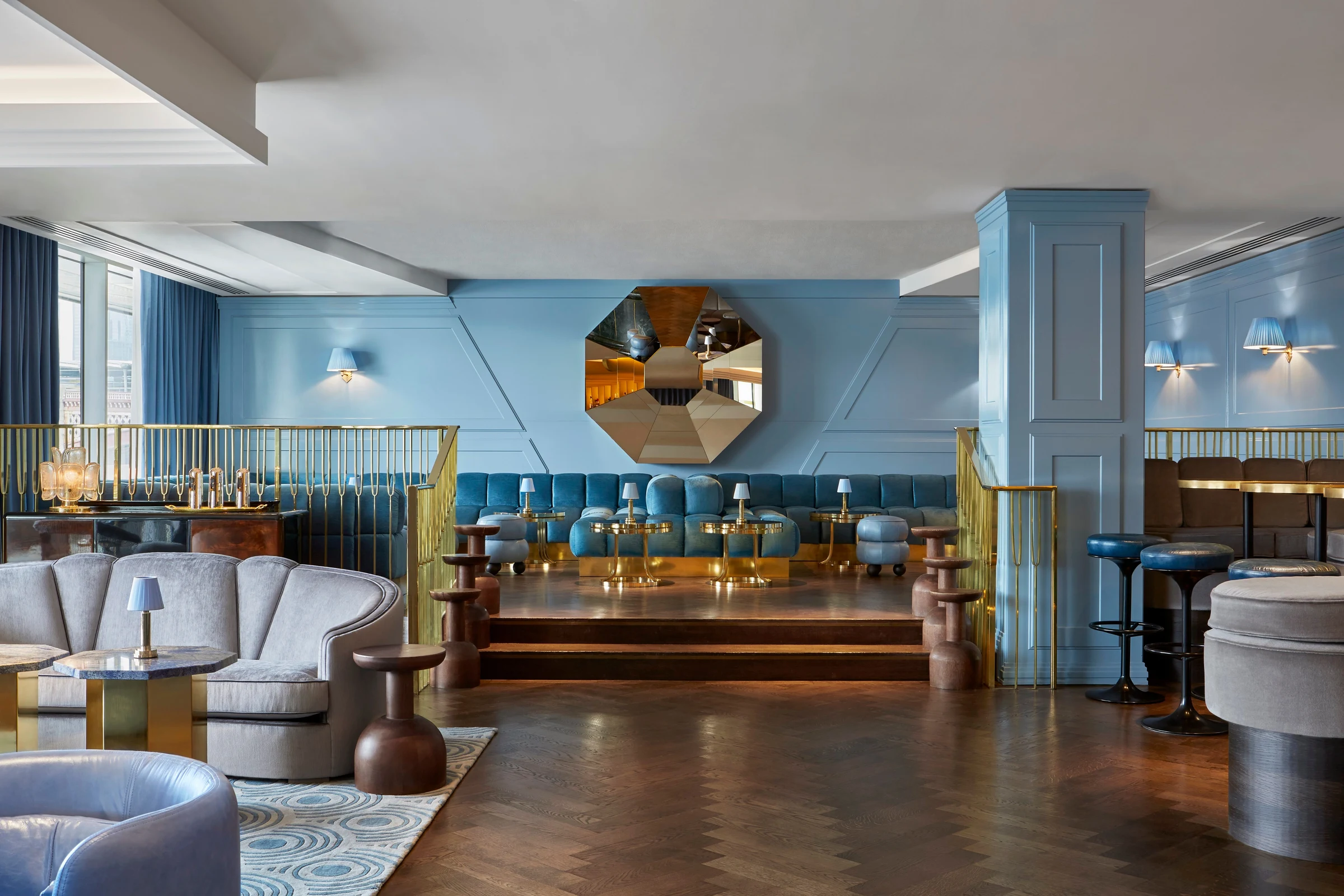
| Lyaness | 50 Best | London |
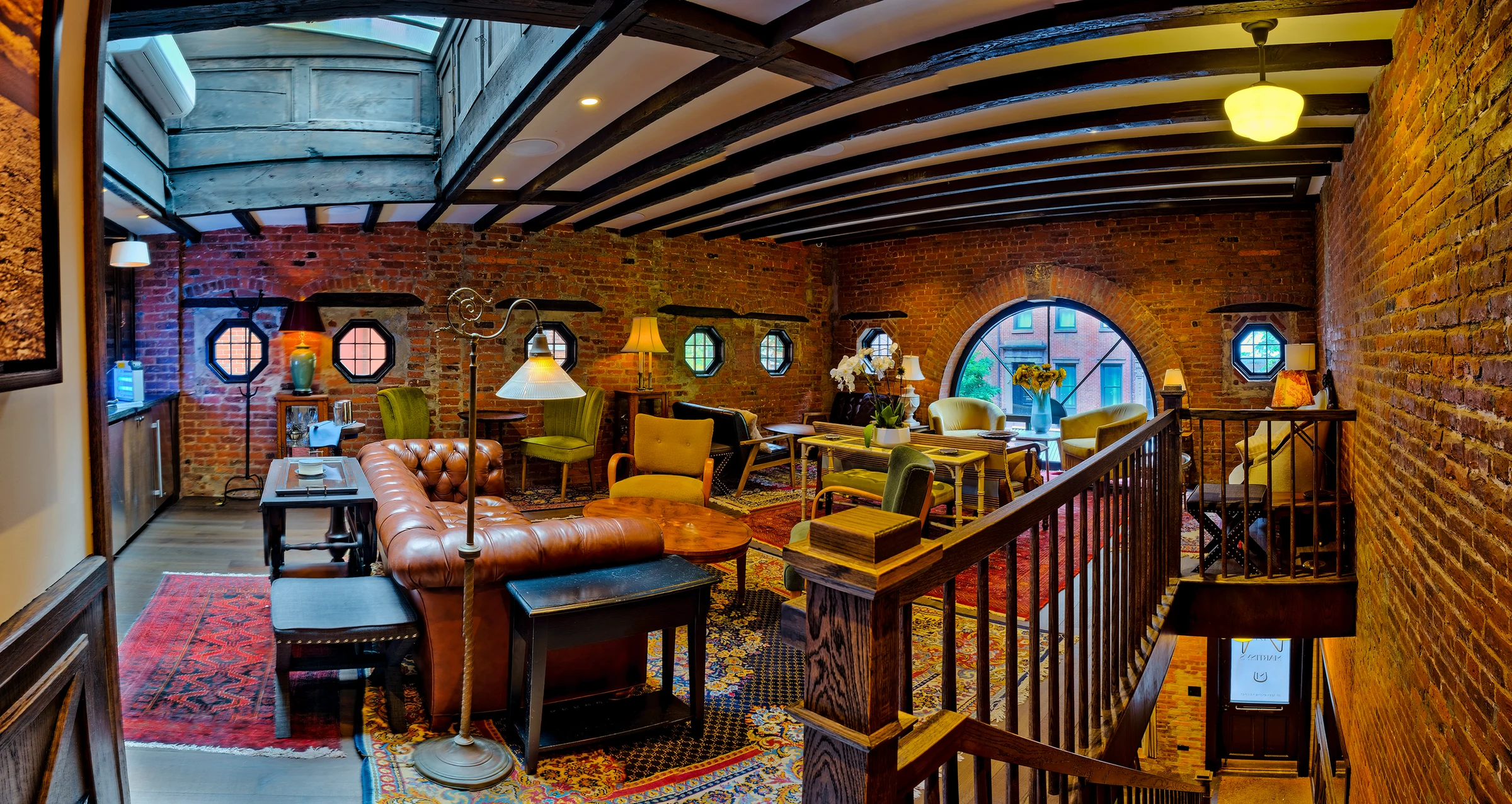
| Martiny’s | 50 Best | New York City |
| Nutmeg & Clove | 50 Best | Singapore |
| Origin Bar | 50 Best | Singapore |
Similar places

The Sunday email
Read about the people behind bars like Nouvelle Vague in the Sunday email.
Every Sunday we send a lead story and up to four more about the chefs, winemakers, sommeliers and hoteliers behind the restaurants, bars, wineries and hotels we cover.
Recent stories
Free. One email a week, and you can unsubscribe from any issue.