Noyashichi
- 01CuisineChinese-Japanese Fusion Omakase
- 02CityTokyo, Japan
Dashi inside a Chinese frame
- Michelin Plate · 2026
- Tabelog 100 #13: 3.8pts · 2026
- Michelin Plate · 2025
- Michelin Plate · 2024
Balance held through service
Composure comes before flourish at the Noyashichi pass in Tokyo. The room is built around omakase and a kitchen language that joins Chinese structure to Japanese restraint, and the format leaves no space for correction once a plate has left. Tempo, portion, sequence, the way a course lands after the one before it: all of that belongs to the same station.
That kind of work suits a small room. There is no brigade to absorb variation and no second dining room in which to hide a slow course, so consistency becomes the whole argument. A dish can carry contrast, but the pass decides whether the contrast stays legible, which is why the card stays short and the sequence is fixed by the kitchen rather than by the table. Michelin has recognised the cooking here, and the restaurant has been counted among the city's Chinese tables, but neither changes what has to happen between the wok and the counter.
Dashi inside a Chinese frame
The method at Noyashichi is not fusion as decoration. The kitchen overlays Chinese foundations with Japanese ingredients and habits of seasoning: kombu kelp in clear soup, dried bonito flakes for dashi, fish sashimi handled through the logic of steamed chicken with spicy sauce, chili oil applied with control rather than weight. Clay pot rice can take Sichuan-style bean curd or stir-fried beef. The gesture is Chinese in origin, then tightened by Japanese balance.
Dinner follows an omakase and tasting-menu shape, which gives the kitchen command of progression. Sichuan’s shuizhu soup appears with beef, daikon, burdock root, sesame oil, and Chinese peppers. Fujian’s Buddha’s Temptation is interpreted with seasonal matsutake mushrooms, gingko nuts, shark fin, and beef tendon, served individually rather than as spectacle. Fugu shirako mapo tofu shifts the familiar mapo register toward cream and marine richness. Bonito with eel and black vinegar brings another kind of depth, the sauce carrying brightness without making the plate heavy. Sake is the natural counterweight in the beverage program, meeting dashi, oil, spice, and rice without forcing the room toward a single tradition.
The room keeps its voice low
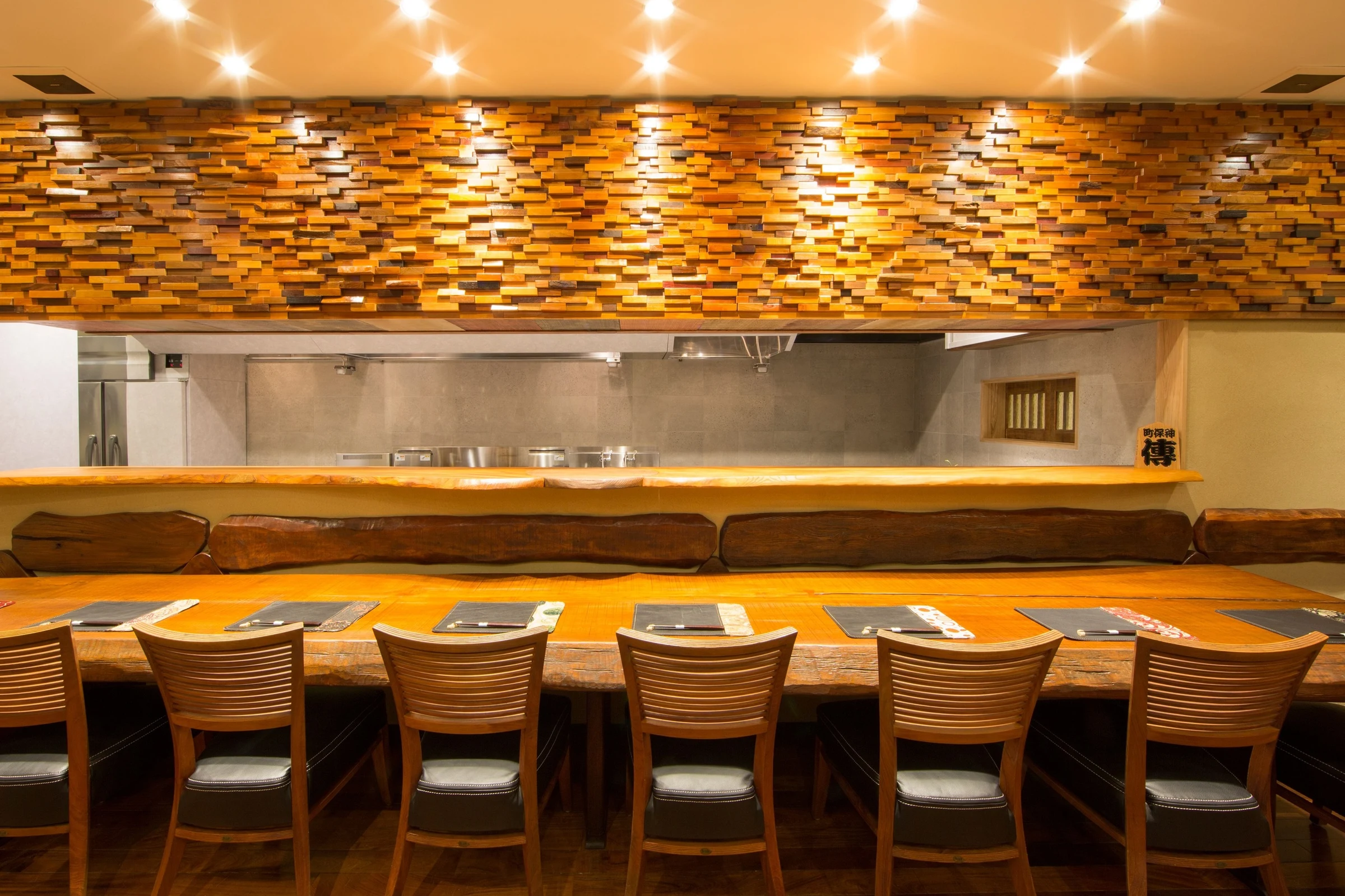
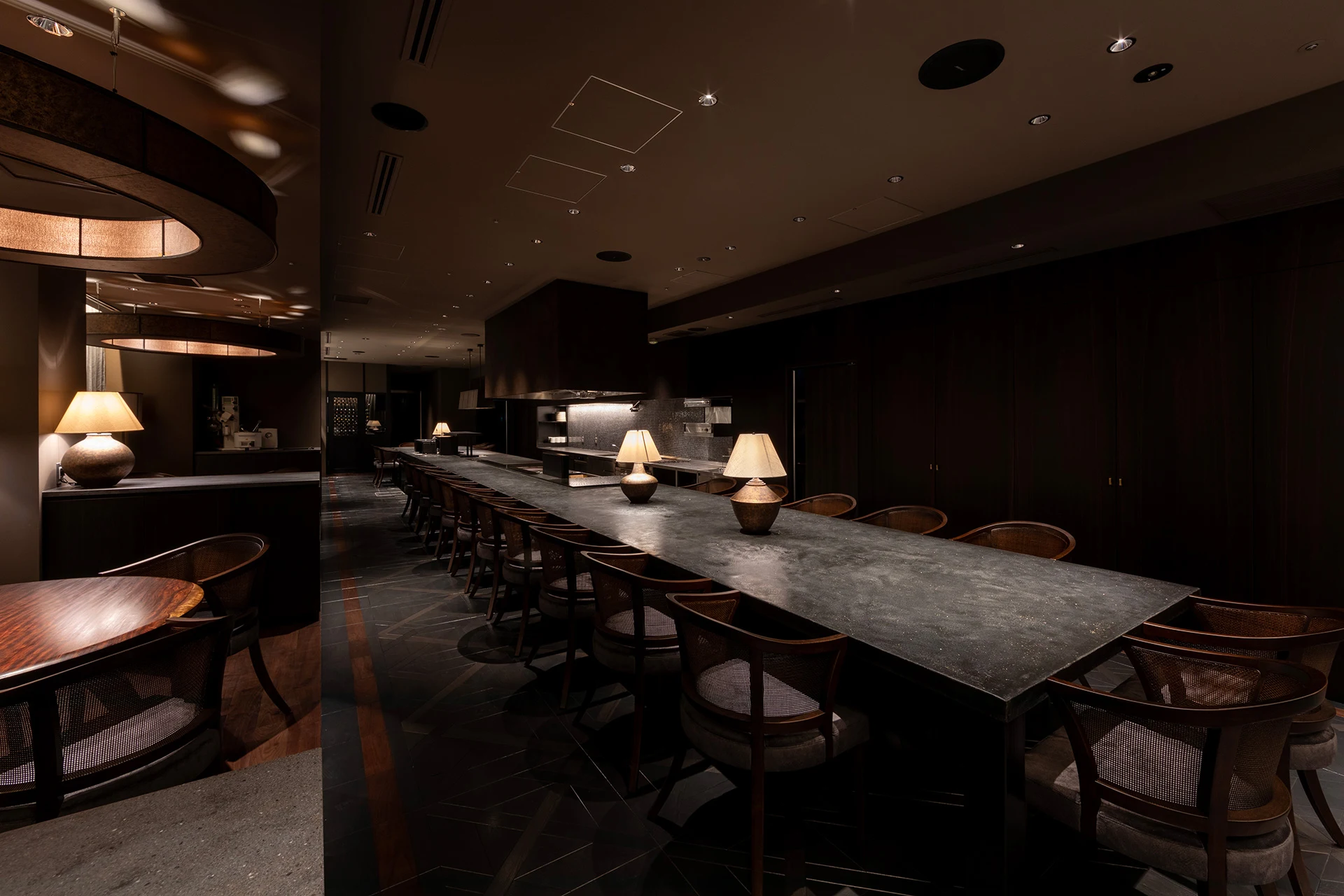
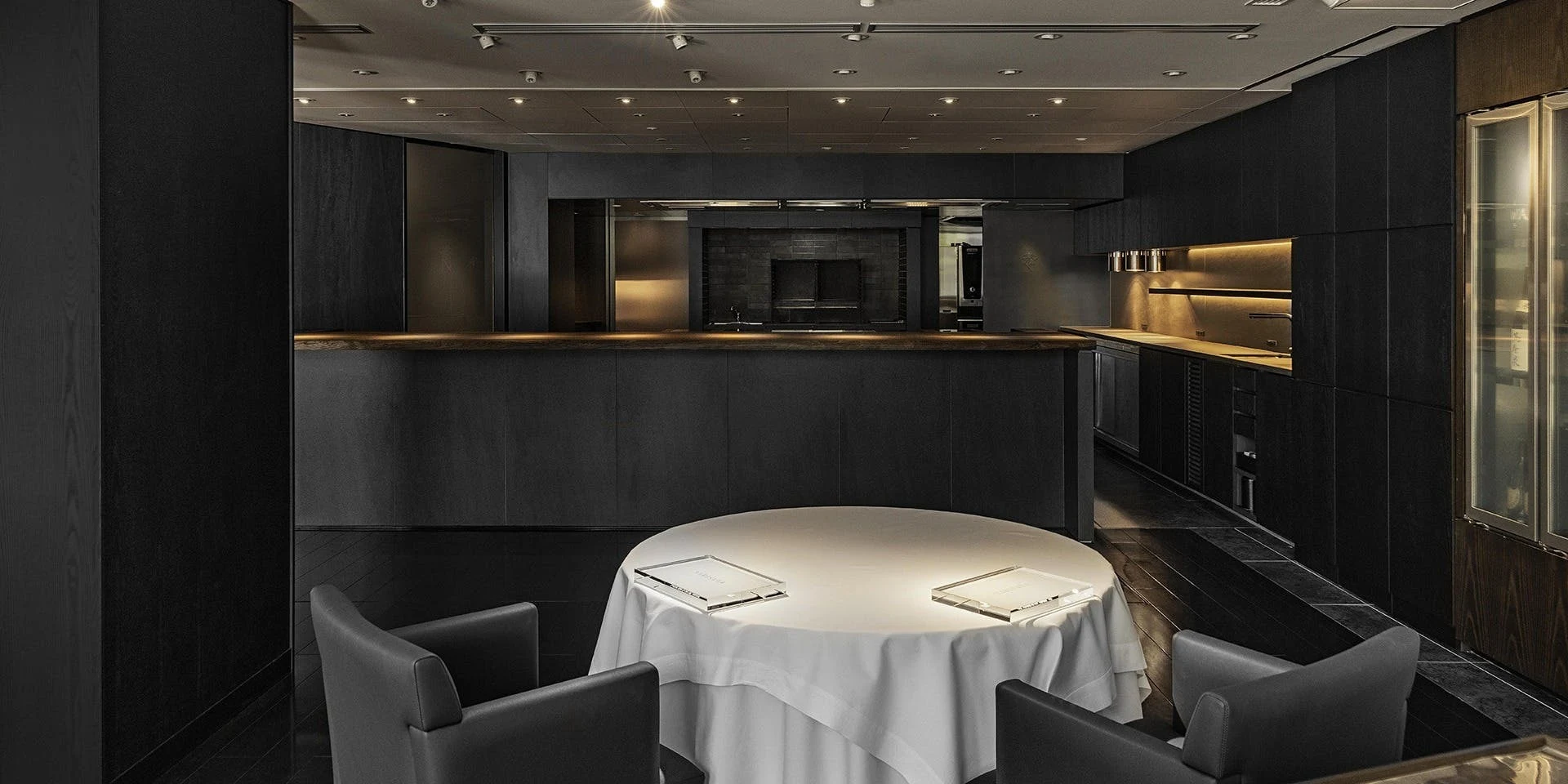
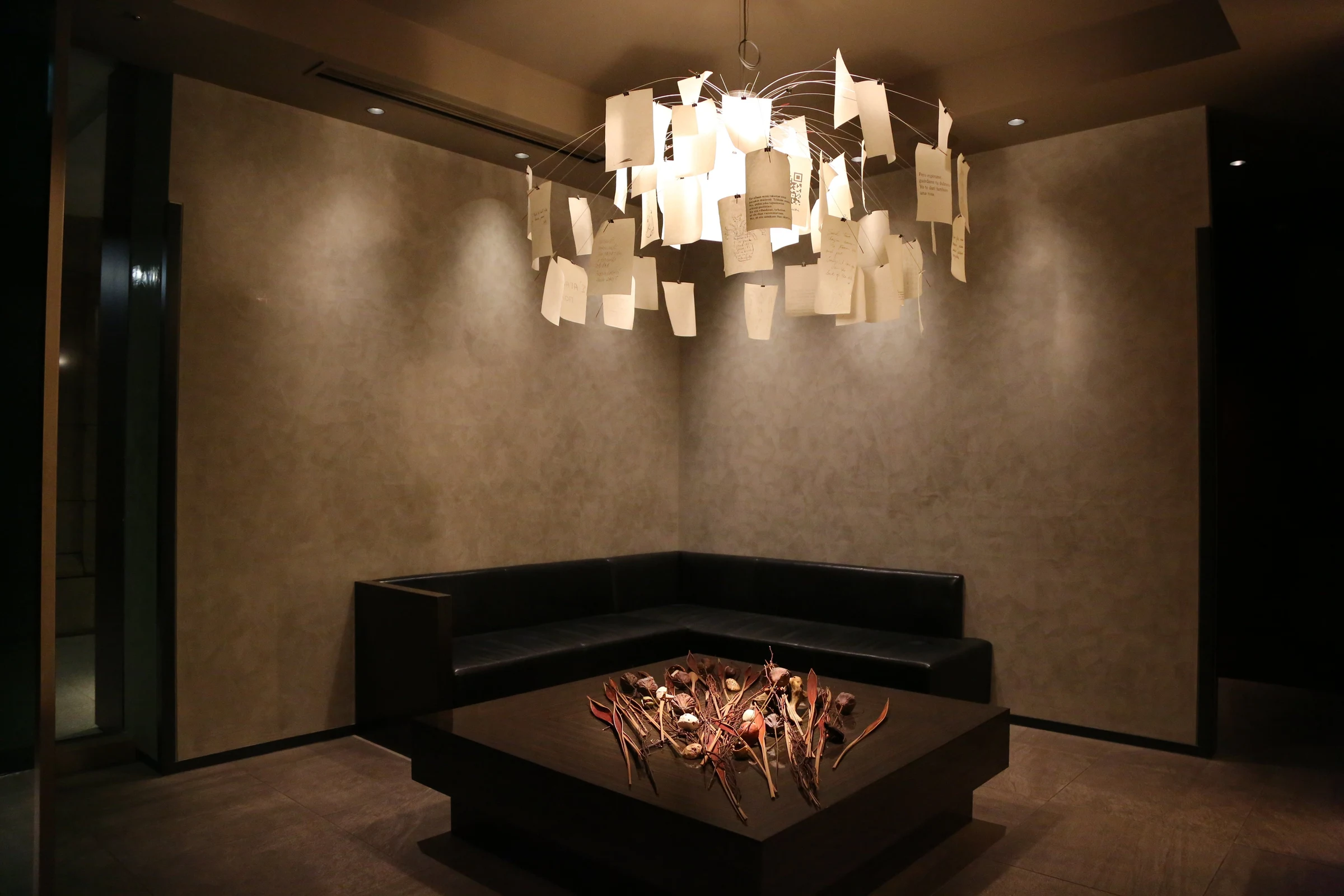
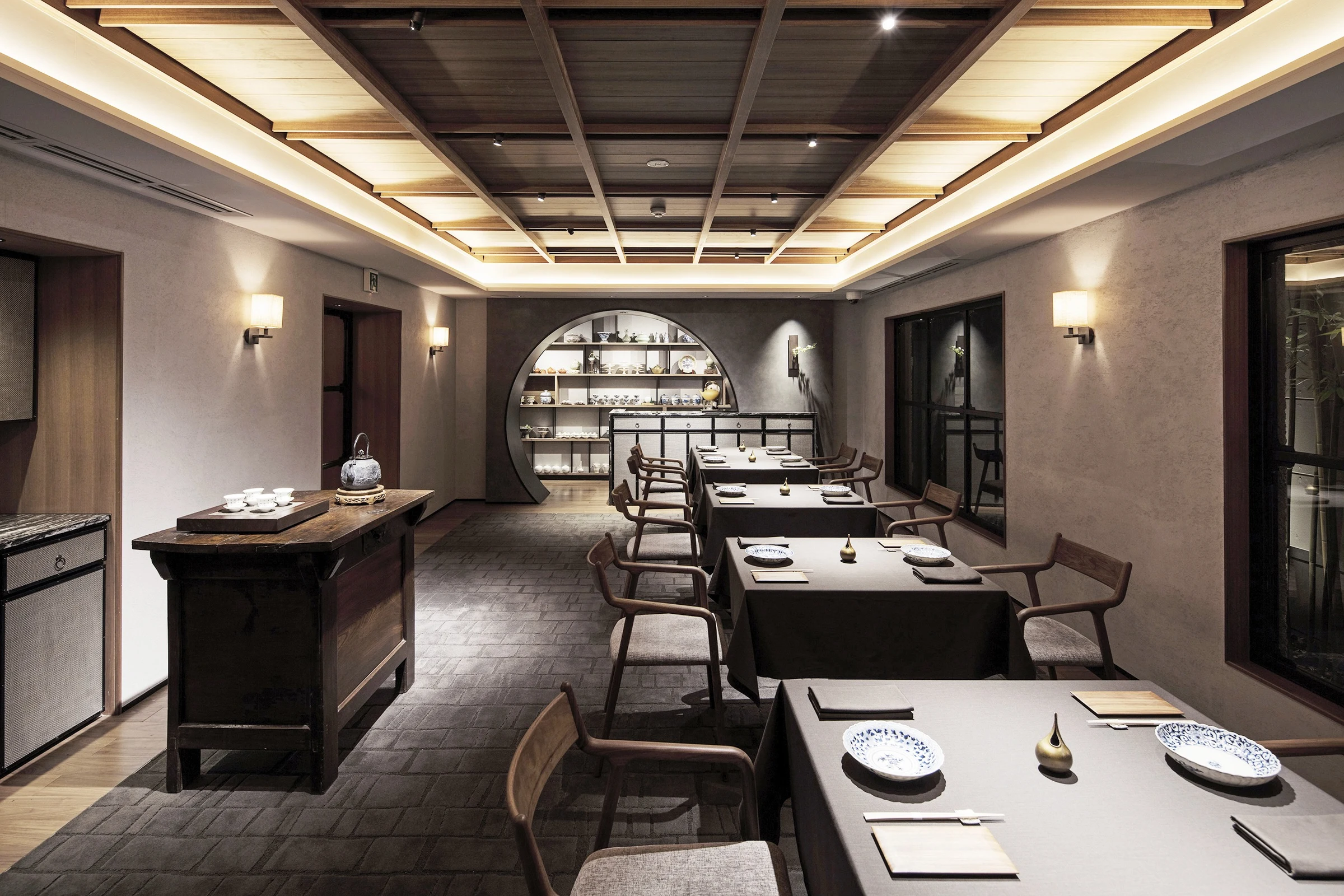
The room at Noyashichi is intimate and quiet, with the counter and the pass doing more work than the décor. Arakicho is not a soft setting; the neighborhood is dense with restaurants and built for diners who know when a kitchen has lost its nerve. Here, the design leaves space for the sequence. Plates arrive on Japanese serving ware, which matters because the food often moves between references before it reaches the table.
Service stays close to the craft rather than the performance of it. The room’s calm lets the kitchen’s smaller decisions register: the clean pull of dashi, the heat of chili oil, the texture of burdock beside beef, the way clay pot rice anchors a course after lighter fish. If there is a next movement to hold onto, it is not an announcement. It is the continuing pressure of the pass at Noyashichi, where Fugu shirako mapo tofu still has to arrive in balance.
Questions
Frequently asked
What kind of restaurant is Noyashichi?
Noyashichi is an omakase restaurant in Arakicho, Shinjuku, and its cooking joins Chinese foundations with Japanese dashi and seasoning.
What is the style of cooking here?
The kitchen works with a Chinese frame and Japanese restraint, using ingredients and habits of seasoning such as kombu kelp, dried bonito for dashi, and Japanese serving ware. Dishes mentioned in the house copy include clay pot rice, shuizhu soup with beef, Buddha’s Temptation with matsutake and gingko nuts, and fugu shirako mapo tofu.
Is booking required?
Reservations are essential at Noyashichi.
What should diners know about the format and service?
Dinner follows an omakase and tasting-menu shape, with a fixed sequence decided by the kitchen rather than the table. The room is intimate and quiet, and service stays close to the craft rather than the performance of it.
What are the practical details for visiting?
The restaurant is at 2-9 Arakicho, Shinjuku City, Tokyo 160-0007, Japan. It is open Monday to Saturday for lunch from 11:30 AM to 2:30 PM and for dinner from 5:30 to 11 PM, and it is closed on Sundays. The dress code is smart casual, street parking is listed, and the price tier is $$$$ at approximately $200 per person.
The field
How it compares
| Place | Cuisine | Notes | Awards |
|---|---|---|---|
| Noyashichi | Chinese-Japanese Fusion Omakase | Shinjuku, $$$$ | · |
| Den | Modern Japanese Kaiseki | Tokyo | Michelin 2 Stars, World's 50 Best |
| Florilège | Modern French-Japanese Plant-Based Fine Dining | Tokyo | Michelin 2 Stars, World's 50 Best |
| Narisawa | Modern Japanese Satoyama Fine Dining | Tokyo | Michelin 2 Stars, World's 50 Best |
| Quintessence | Modern French Fine Dining | Tokyo | Michelin 3 Stars |
| Sazenka | Modern Chinese Fine Dining | Tokyo | Michelin 3 Stars, World's 50 Best |
| Sézanne | Modern French Fine Dining | Tokyo | Michelin 3 Stars, World's 50 Best |
Similar places
Modern Japanese Kaiseki
Den
Tokyo, Japan
★★ · 50 Best
Modern French-Japanese Plant-Based Fine Dining
Florilège
Tokyo, Japan
★★ · 50 Best
Modern Japanese Satoyama Fine Dining
Narisawa
Tokyo, Japan
★★ · 50 Best
Modern French Fine Dining
Quintessence
Tokyo, Japan
★★★
Modern Chinese Fine Dining
Sazenka
Tokyo, Japan
★★★ · 50 Best
Modern French Fine Dining
Sézanne
Tokyo, Japan
★★★ · 50 Best