- Tabelog Silver #99: 4.5pts · 2026
- Opinionated About Dining Top Restaurants in Japan Recommended · 2026
- Opinionated About Dining Top Restaurants in Japan Ranked #325 · 2025
- Tabelog 100 #98: 4.4pts · 2025
- Tabelog Silver · 2025
- Opinionated About Dining Top Restaurants in Japan Ranked #394 · 2024
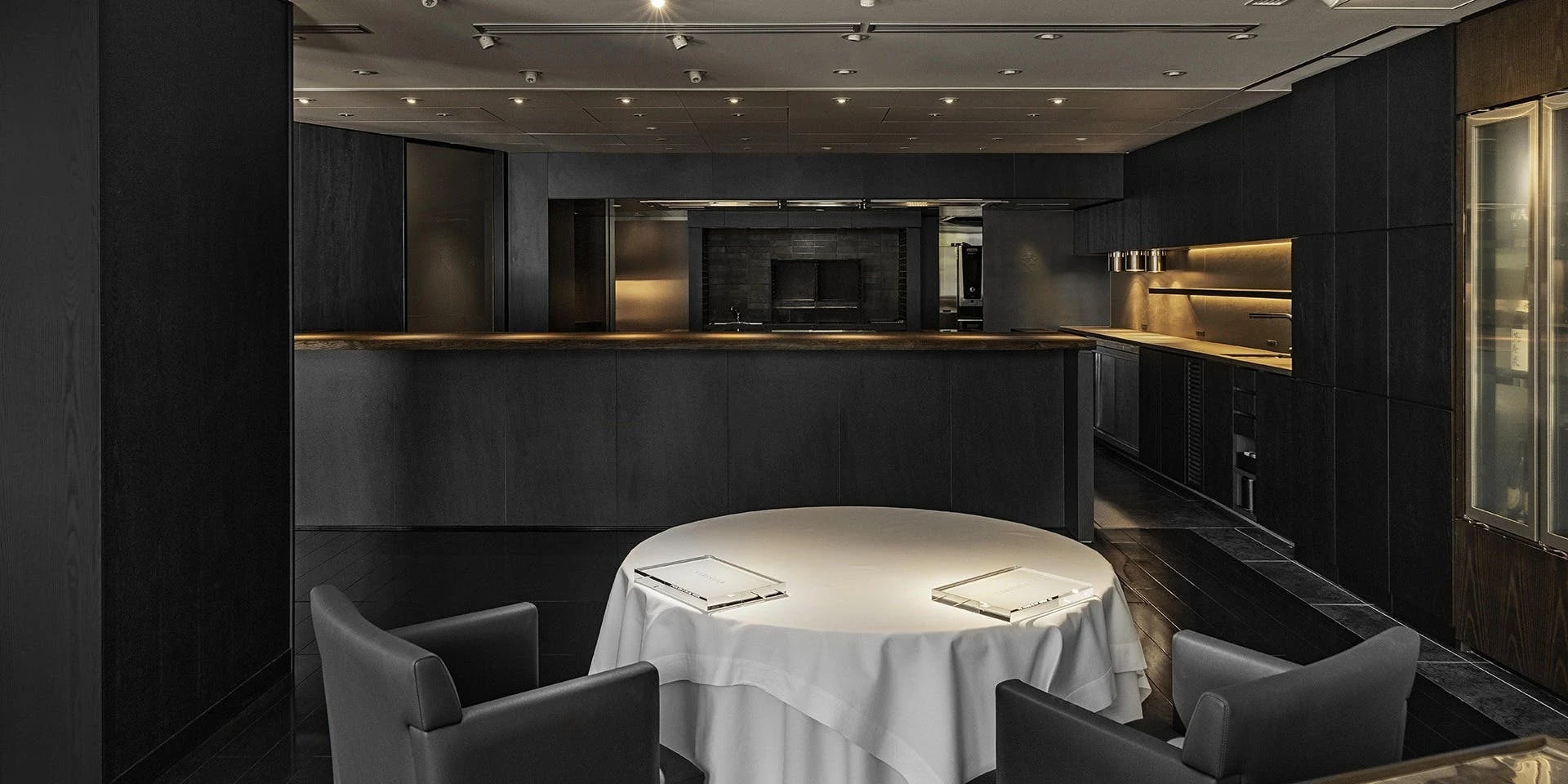
The approach is pure Ginza: polished fronts, compact upper-floor restaurants, and rooms that reveal themselves when the elevator opens. In Chuo, French dining need not mean chandeliers or hotel formality; a small counter can carry grand ambition when guests can read the kitchen’s rhythm.
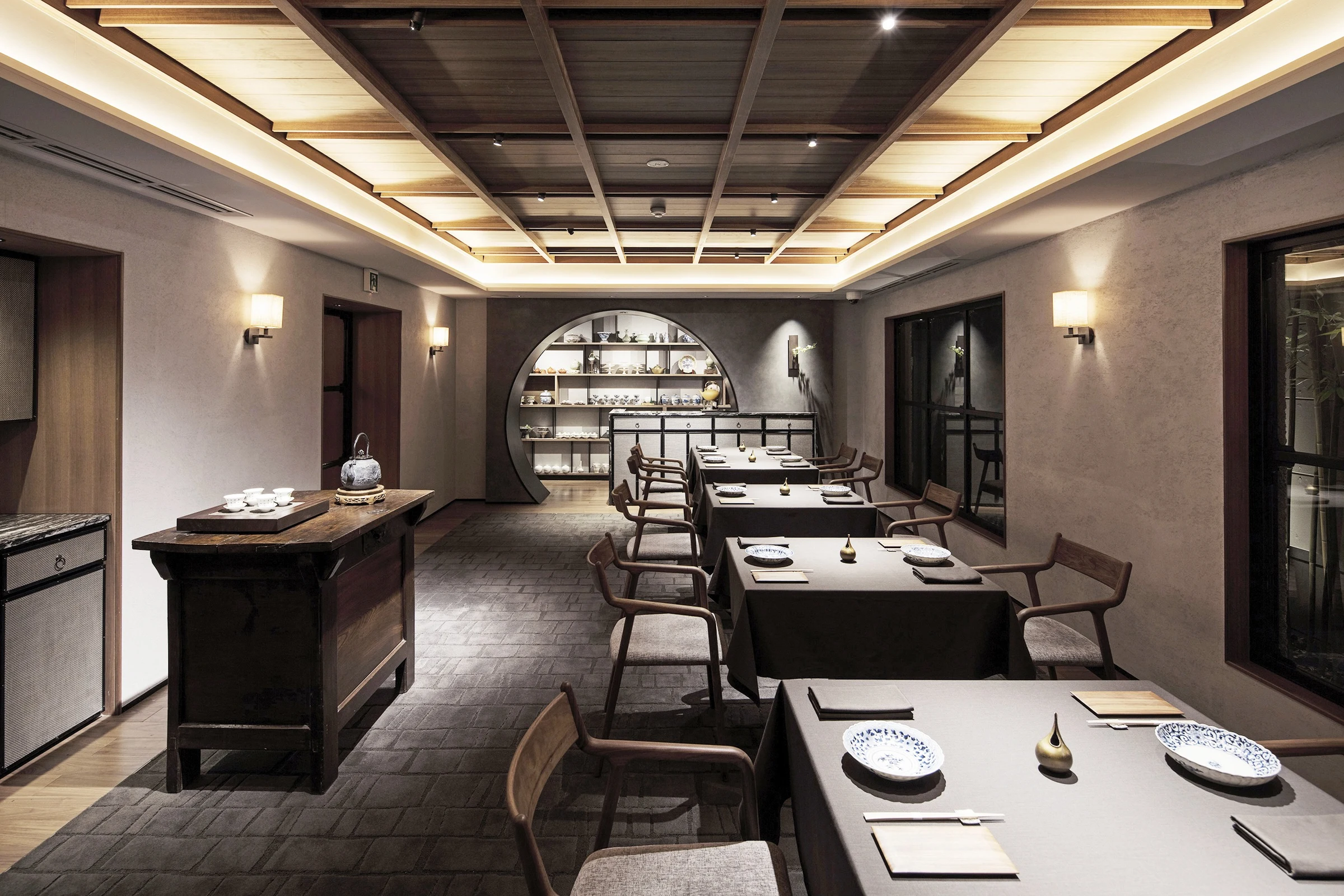
Oishi fits modern Ginza: counter-only, compact, and built around product, heat, and wine. Tokyo treats French technique as a language, not costume, and Ginza’s mature diners expect precision without excess explanation. This is not fusion theatre, but sourcing-led French cooking shaped by a Japanese market culture that prizes fish, season, and exact timing.
Fish-led French cooking in a Ginza counter format
Tokyo’s French scene spans hotel dining rooms, regular-driven bistros, and destination counters where purchasing decisions become the argument. Oishi sits in the last category. Listed as French, with a stated focus on fish and wine, it operates in a city where seafood supply chains can define a kitchen as clearly as sauce work or pastry technique.
That fish emphasis places it in a broader Tokyo pattern: French technique applied to Japanese produce with less visual drama than in export-facing dining rooms. At this tier, sourcing determines texture, portioning, temperature, and which wines make sense. A fish-led French counter in Ginza competes less with casual bistros than with small-format rooms built around product discipline.
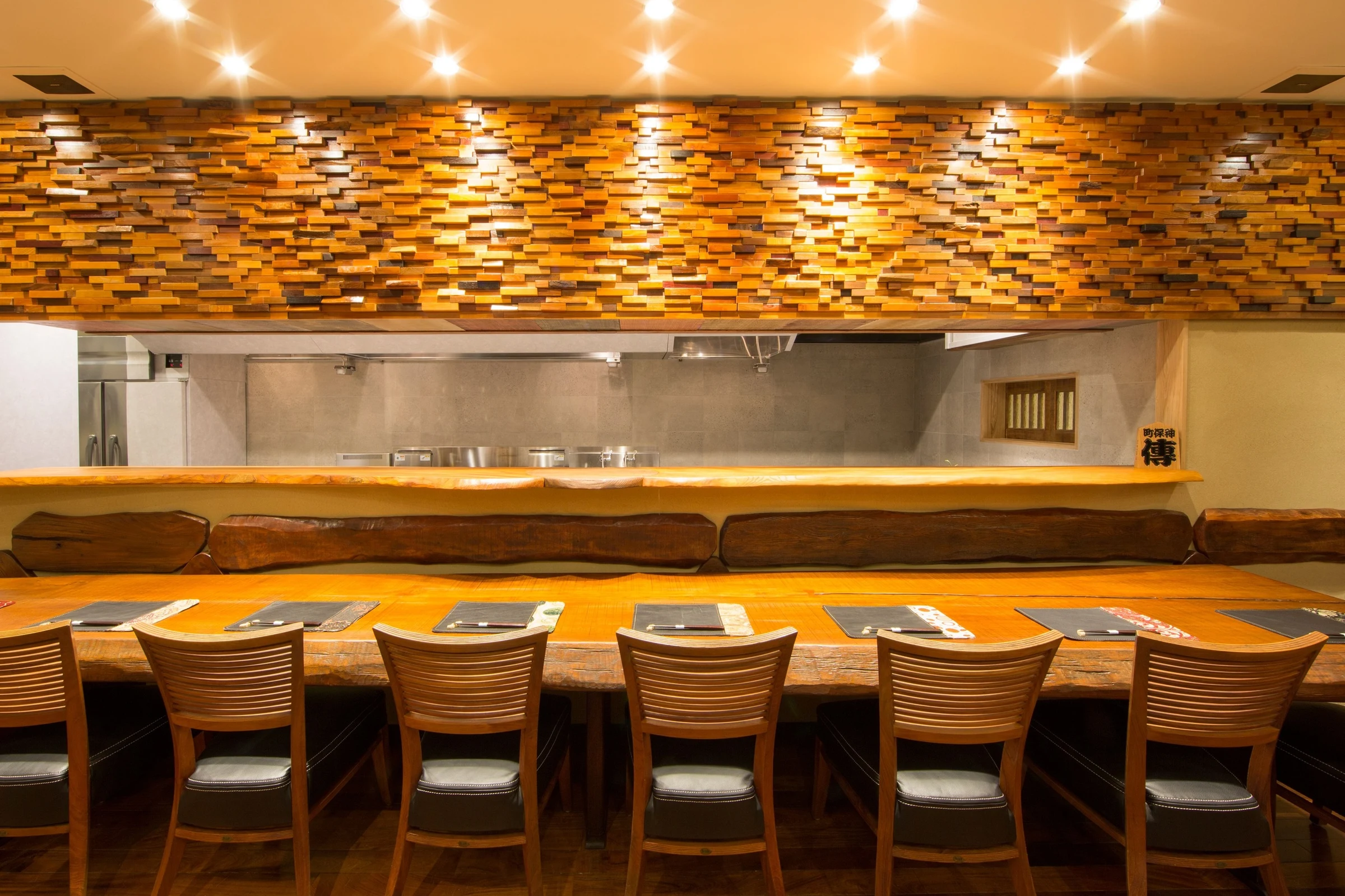
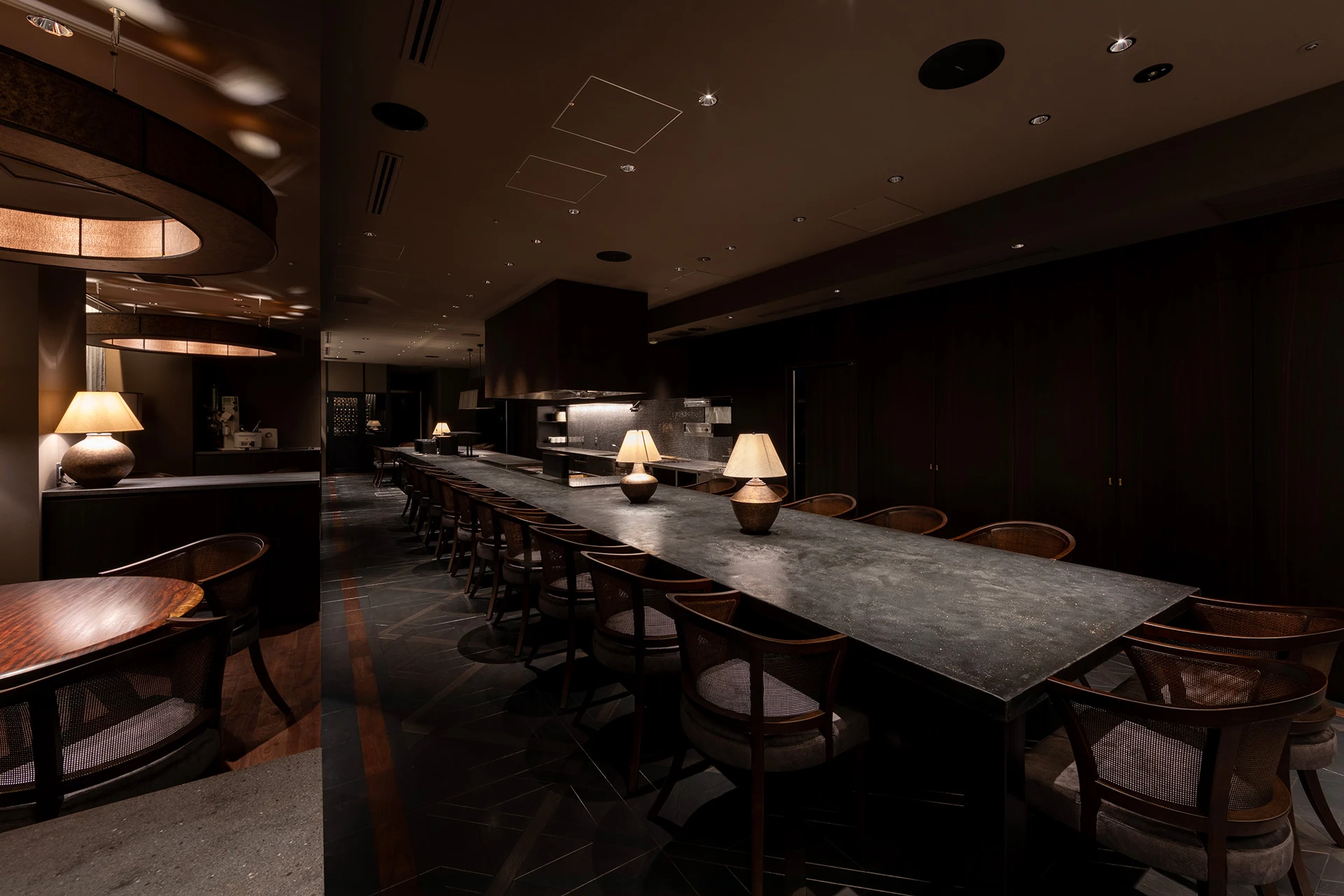
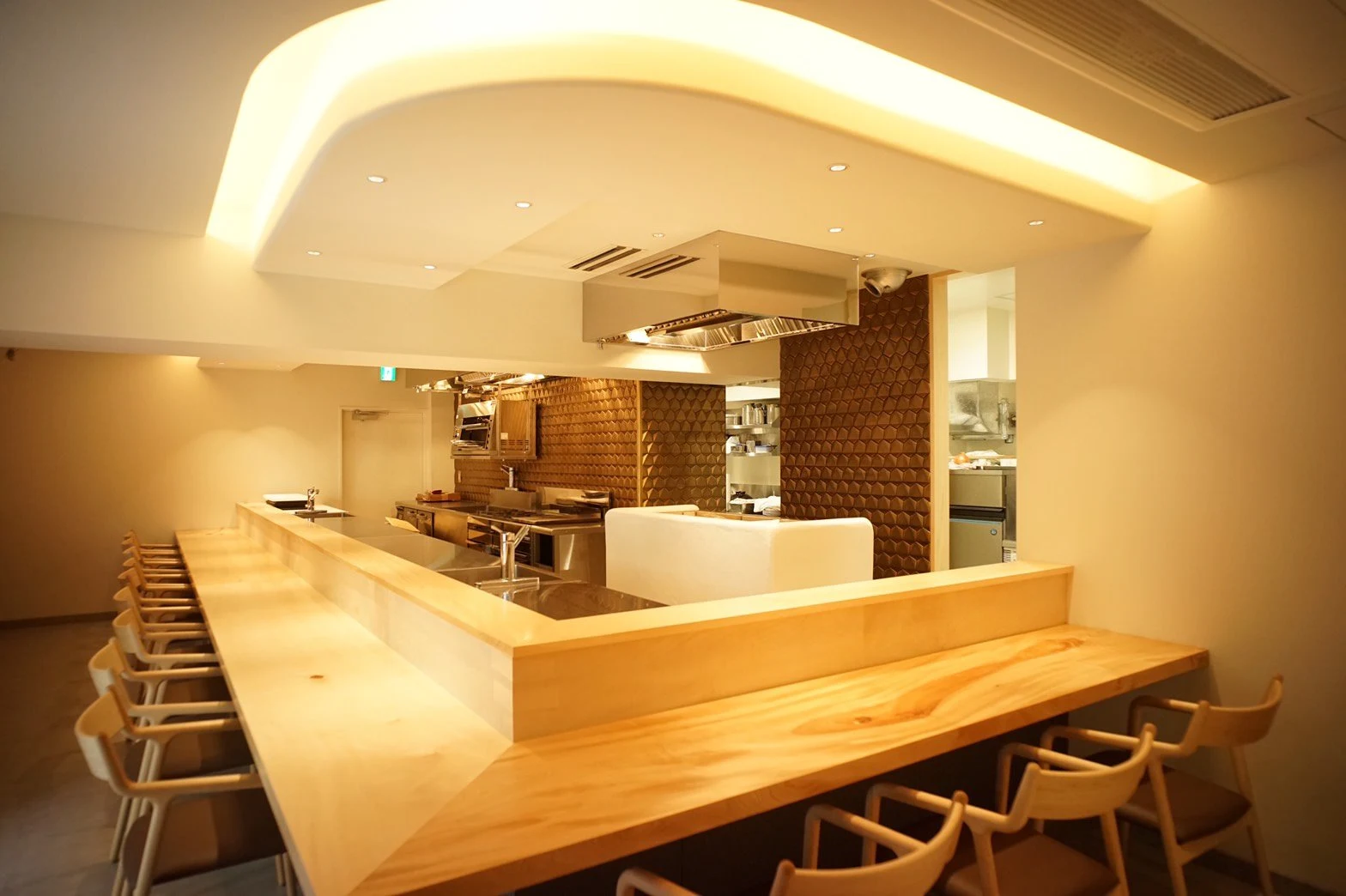
The 12 counter seats sharpen the point. Counter dining changes a French meal’s balance: the kitchen cannot hide behind distance, and service cannot become background. In Tokyo, the format is often linked to sushi, tempura, or kappo, but French counters are now a serious local form. They reward diners who watch sequencing, plating, and wine service as part of the meal.
Chef Yoshikazu Oishi gives the restaurant its name, but the place is best read through Ginza’s appetite for small, technically exact restaurants with narrow capacity and high repeat recognition. The chef detail is a credential; the larger story is Tokyo’s confidence in shrinking luxury into a counter and asking ingredients to carry the weight décor might carry elsewhere.
Why the awards matter in Tokyo's French conversation
Tabelog recognition has particular force in Japan because it reflects dense local reviewing culture, not a simple international checklist. Oishi’s Tabelog Award Silver recognition across 2021, 2022, 2023, 2024, 2025, and 2026 signals sustained local approval, not a single-season spike. Its 2026 Tabelog score is listed at 4.48, placing any Tokyo restaurant in a highly competitive band.
The restaurant was also selected for Tabelog French Tokyo 100 in 2021, 2023, and 2025. That matters because Tokyo’s French category is deep: classic technique, Japanese produce, wine-led rooms, counter formats, and chef-owned restaurants all compete in the same public conversation. Repeated inclusion suggests consistency as diners grow more alert to value, intimacy, and sourcing clarity.
There is an international signal too. Opinionated About Dining ranked Oishi among its Top Restaurants in Japan in 2024 and 2025, framing it for travelers who use global lists but want a venue grounded in Tokyo habits. The ranking is not the reason to go; it shows the format translates beyond local regulars without losing Ginza context.
Comparison clarifies the lane. Ginza Kitagawa 銀座 きた川 occupies a Japanese dining frame in the same city, while Toku Uchiyama points to another Tokyo expression of controlled, chef-led dining. These are not interchangeable reservations. They show Ginza holding several serious formats within walking distance: Japanese, French, counter, and private-room-adjacent sensibilities, all for diners who care more about execution than spectacle.
How to place it within a Tokyo dining itinerary
Think of Oishi as a focused Ginza dinner for travelers already comfortable with Tokyo’s reservation-only, counter-driven dining culture. It is not a broad survey of Japanese cuisine or a casual first-night landing, but a precise French entry in a city where European method and Japanese sourcing have become highly sophisticated.
For a wider Tokyo table map, pair it intellectually with other category-specific meals rather than letting it replace them. A yakitori booking such as 124. KAGURAZAKA (Yakitori) shows another counter tradition built on heat and timing, while . 鮪と炭火焼き うお炭 秋葉原店 pulls the conversation toward tuna and charcoal. 12/10 Shinjuku ten, 2D Cafe, and 3 Chome no Curry Ya San sit in different registers, reminders that Tokyo’s strength is not one hierarchy but specialized rooms.
Regional contrast helps too. A Tokyo French counter reads differently after -Grilled beef Sukiyaki- KAMAKURA TANUKIAN 鎌倉 たぬき庵 in Kamakura, [ki:] in Kyoto,.cafe in Osaka,.know in Kumamoto, (Shoku) Vietnam in Kawasaki, or [Curry Senmon Ten] Maruyama Kyoju. in Sapporo. Overseas Japanese-adjacent addresses such as Jōdo Saké Bar in Los Angeles and Onigiri Time in Pasadena show how different Tokyo’s original context feels once Japanese ingredients and formats leave Japan.
For broader planning, use Our full Tokyo restaurants guide to build a sequence around Ginza, Shinjuku, Kagurazaka, and beyond. Our full Tokyo hotels guide anchors nights by neighborhood, while Our full Tokyo bars guide, Our full Tokyo wineries guide, and Our full Tokyo experiences guide fill surrounding hours without flattening the city into one dining checklist.
The editorial case is clear: Oishi is a small Ginza French counter whose credibility rests on fish sourcing, wine seriousness, and repeated Japanese recognition. In a city saturated with high-ambition rooms, sustained approval over multiple years counts more than novelty. For careful diners, it belongs on the shortlist when the goal is not breadth, but a concentrated reading of how Tokyo now speaks French through Japanese ingredients.
Questions
Frequently asked
Who works at Oishi?
Made By profiles Yoshikazu Oishi (Chef) at Oishi.
How expensive is Oishi?
Oishi is listed at a price level of $$.
Where is Oishi and what does it serve?
Oishi is in Chūō, Tokyo, serving Creative Japanese with Sake Pairings.
The field
How it compares
| Place | Cuisine | Notes | Awards |
|---|---|---|---|
| Oishi | Creative Japanese with Sake Pairings | Chūō, $$ | · |
| Den | Modern Japanese Kaiseki | Tokyo | Michelin 2 Stars, World's 50 Best |
| Florilège | Modern French-Japanese Plant-Based Fine Dining | Tokyo | Michelin 2 Stars, World's 50 Best |
| Narisawa | Modern Japanese Satoyama Fine Dining | Tokyo | Michelin 2 Stars, World's 50 Best |
| Quintessence | Modern French Fine Dining | Tokyo | Michelin 3 Stars |
| Sazenka | Modern Chinese Fine Dining | Tokyo | Michelin 3 Stars, World's 50 Best |
| Sézanne | Modern French Fine Dining | Tokyo | Michelin 3 Stars, World's 50 Best |
In residence
Similar places
Modern Japanese Kaiseki
Den
Tokyo, Japan
★★ · 50 Best
Modern French-Japanese Plant-Based Fine Dining
Florilège
Tokyo, Japan
★★ · 50 Best
Modern Japanese Satoyama Fine Dining
Narisawa
Tokyo, Japan
★★ · 50 Best
Modern French Fine Dining
Quintessence
Tokyo, Japan
★★★
Modern Chinese Fine Dining
Sazenka
Tokyo, Japan
★★★ · 50 Best
Modern French Fine Dining
Sézanne
Tokyo, Japan
★★★ · 50 Best