Olivier Cazenave
- 01CityNarbonne, France
Vinification, maturing, and restraint
- Falstaff Winery - Listed · 2026
Vinification kept to its charge
Olivier Cazenave sets vinification and maturing at the center of his work as winemaker at Olivier Cazenave in Narbonne, France. The gesture he names is not expansion but restraint: to respect and awaken the qualities already present in the fruit, then let the wine find shape through the cellar. That language matters because it gives the bench-side measure of the place. The winemaker is not presented as a performer standing in front of the wine, but as the hand responsible for pressure, timing, and the degree of intervention.
Olivier Cazenave came to the work with training at Institut d'etudes judiciaires, a formation outside the usual cellar apprenticeship but not outside discipline. Structure, sequence, and precision carry into the way he describes the job now. He speaks of wines that are accessible, ready to drink, and still able to age and evolve. That is a practical brief. It asks the bottle to be open without becoming simple, and to hold enough architecture for time to act on it.
Ready now, built for later
The program is clearest in the named bottles: Echappée Bel Blanc, Bel a Ciao Vin Orange, and Echappée Bel Rouge. They give the cellar a range of registers, from white to orange to red, without requiring the house to dress them in heavy language. Cazenave’s stated method stays with vinification and maturing, the two parts of the work where choice becomes visible: when to extract, when to leave alone, when to protect freshness, when to let texture gather.
He says, “I want to propose wines that are proudly accessible, each of them ready to drink but equally ready to age and evolve.” The sentence is useful because it refuses the false split between pleasure and keeping. A wine can be ready at release and still carry a future in bottle. For a winemaker, that means the decisions in the cellar must leave the fruit legible while giving it enough balance to move, slowly, after the cork goes in.
The cellar as a place of control
The cellar here is best understood through control rather than display. In that frame, Narbonne is not treated as a backdrop. It is the place named on the page, the working address for a producer whose vocabulary keeps returning to identity, balance, and evolution.
The texture of the place comes through the bottles more than through a described tasting room. Echappée Bel Blanc asks for brightness, Bel a Ciao Vin Orange for contact and grip, Echappée Bel Rouge for depth. The discipline is to let those differences stand while keeping them within one cellar language. The final measure remains simple: whether Echappée Bel Rouge still sounds like itself after maturing.
Questions
Frequently asked
Who is Olivier Cazenave?
Olivier Cazenave is the winemaker at Olivier Cazenave in Narbonne, France. His work is centered on vinification and maturing.
What is his approach to winemaking?
His approach is based on restraint. He aims to respect and awaken the qualities already present in the fruit, then let the wine find its shape through the cellar.
What kind of wines does he make?
He says he wants to propose wines that are accessible, ready to drink, and still able to age and evolve.
Which wines are named on the page?
The named bottles are Echappée Bel Blanc, Bel a Ciao Vin Orange, and Echappée Bel Rouge.
What does the cellar focus on?
The cellar is presented as a place of control rather than display. The emphasis is on timing, pressure, and the degree of intervention, so the fruit stays legible while the wine gains balance.
The field
How it compares
| Place | Notes |
|---|---|
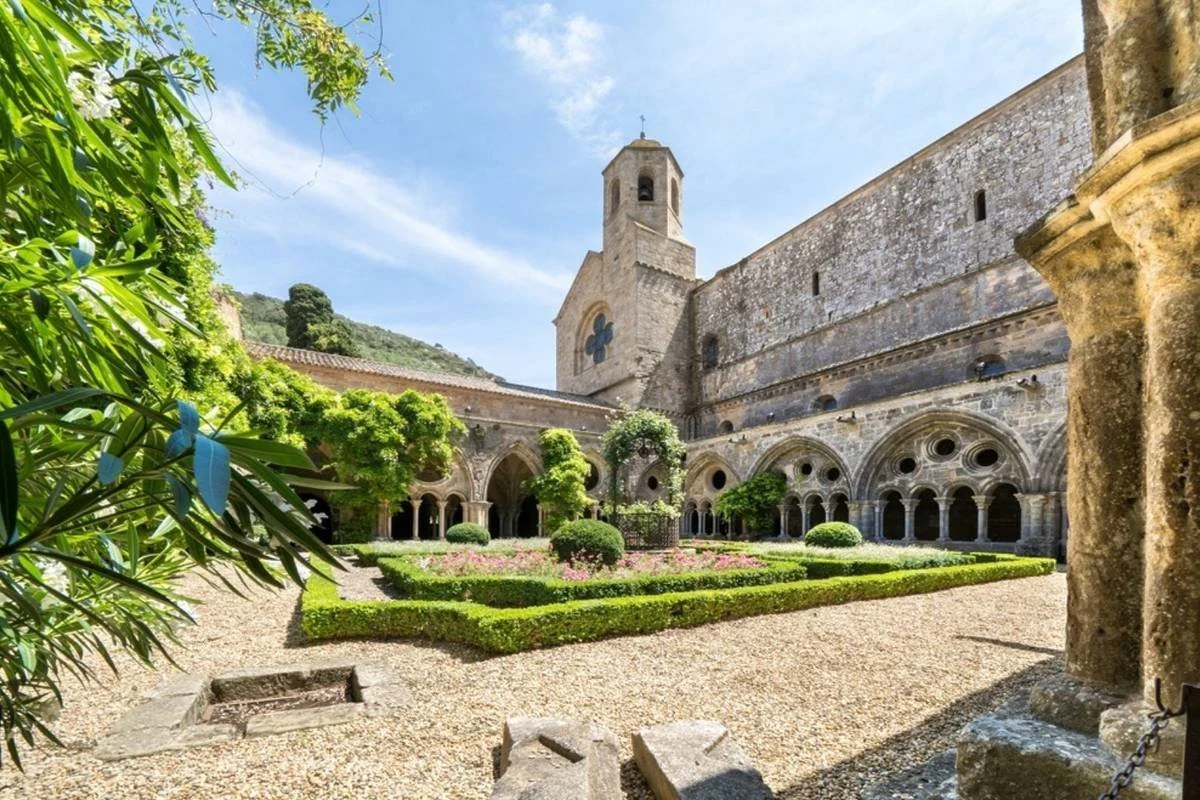
| Abbaye de Fontfroide | Narbonne |
| Château D’Aussieres – Domaines Barons de Rothschild | Narbonne |
| Château de la Soujeole | Narbonne |
| Château Rouquette-sur-Mer | Narbonne |
| Les Artisans du Bio - Domaine Ortola | Narbonne |
| Vignerons de la Méditerranée | Narbonne |