Omakase
- 01CuisineModern Japanese Omakase with Galician Seafood
- 02CityA Coruña, Spain
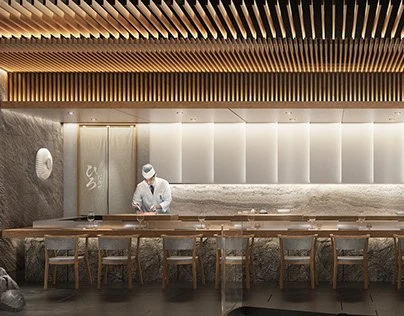
Auction seafood at the sushi counter.
- Michelin Plate · 2026
- Guía Repsol 1 Sol · 2026
- Michelin Plate · 2025
- Opinionated About Dining Top Restaurants in North America Recommended · 2023
The counter begins with the chef's choice
The fish is chosen before the room fills, pulled from the lonja and held for a counter built on trust. At Omakase in A Coruña, the counter works on that promise: the guest yields the sequence, and the chef answers with cut, temperature, rice, and timing. The restaurant's own language is omakase, not à la carte, and the format matters because it leaves the bench free to move with the day’s catch rather than a fixed list. Galicia gives the kitchen hotate scallops, Norway lobster, tuna, eel, and crayfish when the market allows; the Japanese method gives those products a frame of restraint. The public story of the house centres on fish butchery, slicing technique, tuna preparation, and the Itamae’s direct work at the counter. What it does state, clearly, is the discipline of the room: a single tasting progression, auction-sourced seafood, and a chef-led service in which each piece reaches the guest as part of a measured pass.
Galician seafood through Japanese timing
The craft at Omakase is not fusion as decoration. It is a daily negotiation between Atlantic product and Japanese sequence. The menu runs as one tasting, shaped by the lonja and by what the aging cabinet has made ready. Tuna is dry-aged for texture before it is cut as nigiri and brushed lightly with soy. Hotate is sliced thin, then finished with citrus and sea salt. Norway lobster sits in the same field of attention: local shellfish, handled with the economy of sushi rather than the abundance of a marisquería plate. The restaurant’s signature dishes name the argument plainly, hotate scallops, Norway lobster, and tuna, with the counter doing the explanation through repetition and small changes of pressure. Rice, knife angle, soy, salt, and rest time carry more force than garnish. The format also permits additions when the market gives them, including eel and crayfish, without breaking the line of the meal. A curated wine program sits beside the sushi, not above it, with pairings meant to meet fat, iodine, sweetness, and the quiet umami that comes from aged fish.
A bar, a cabinet, and a quiet room
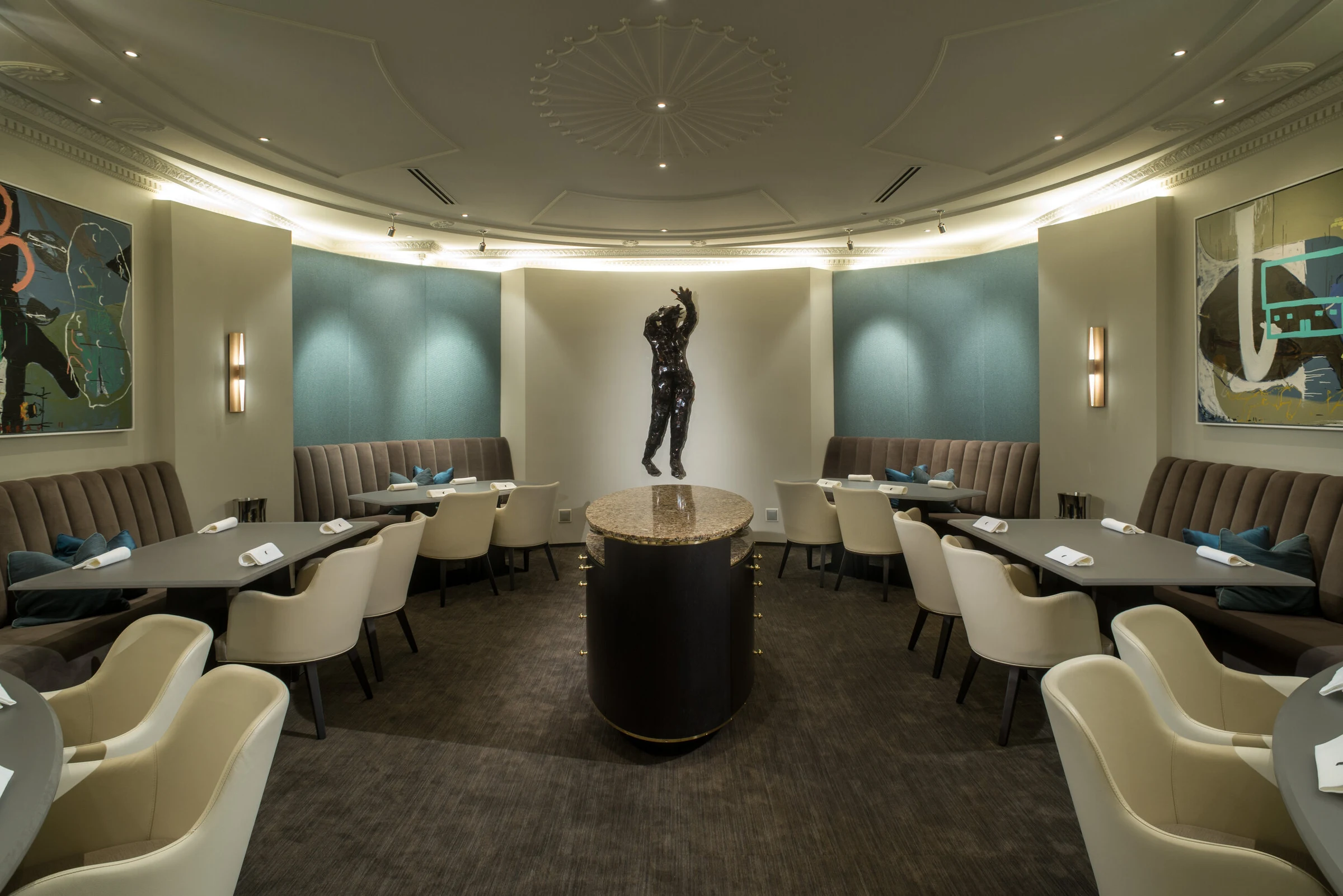
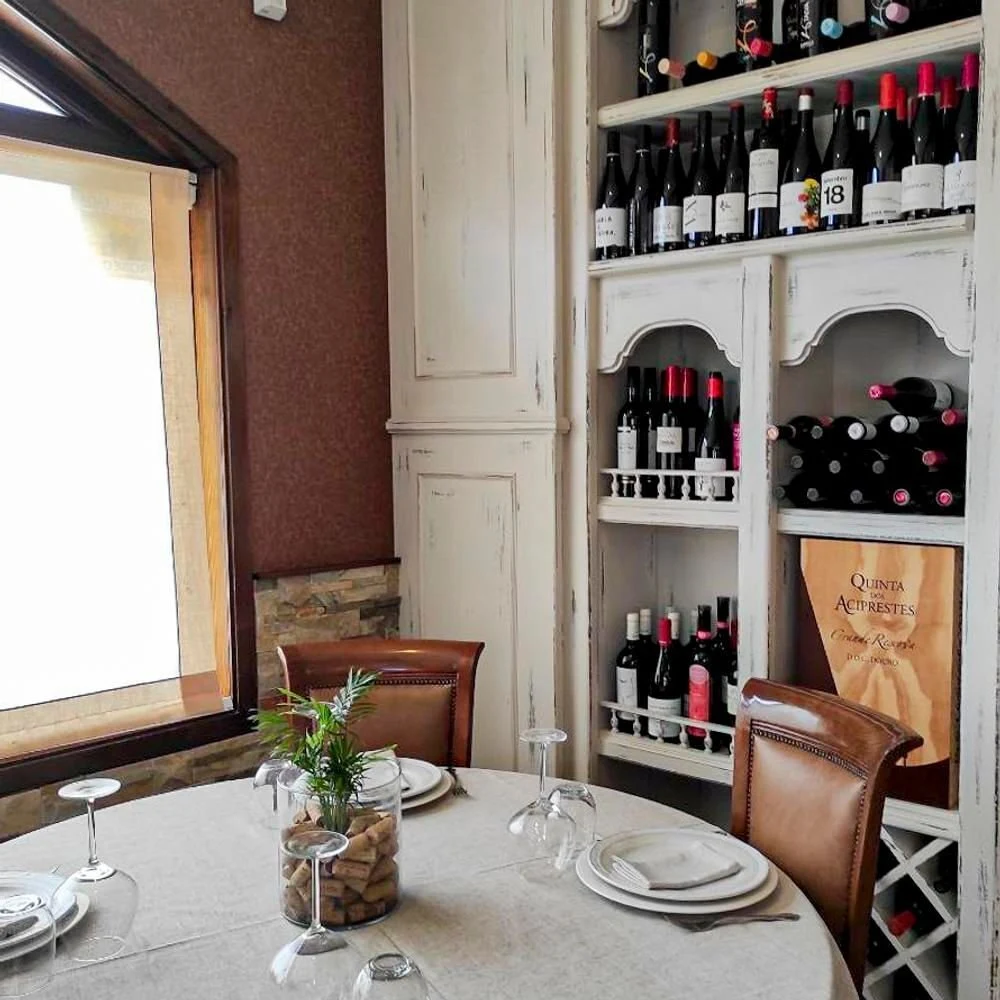
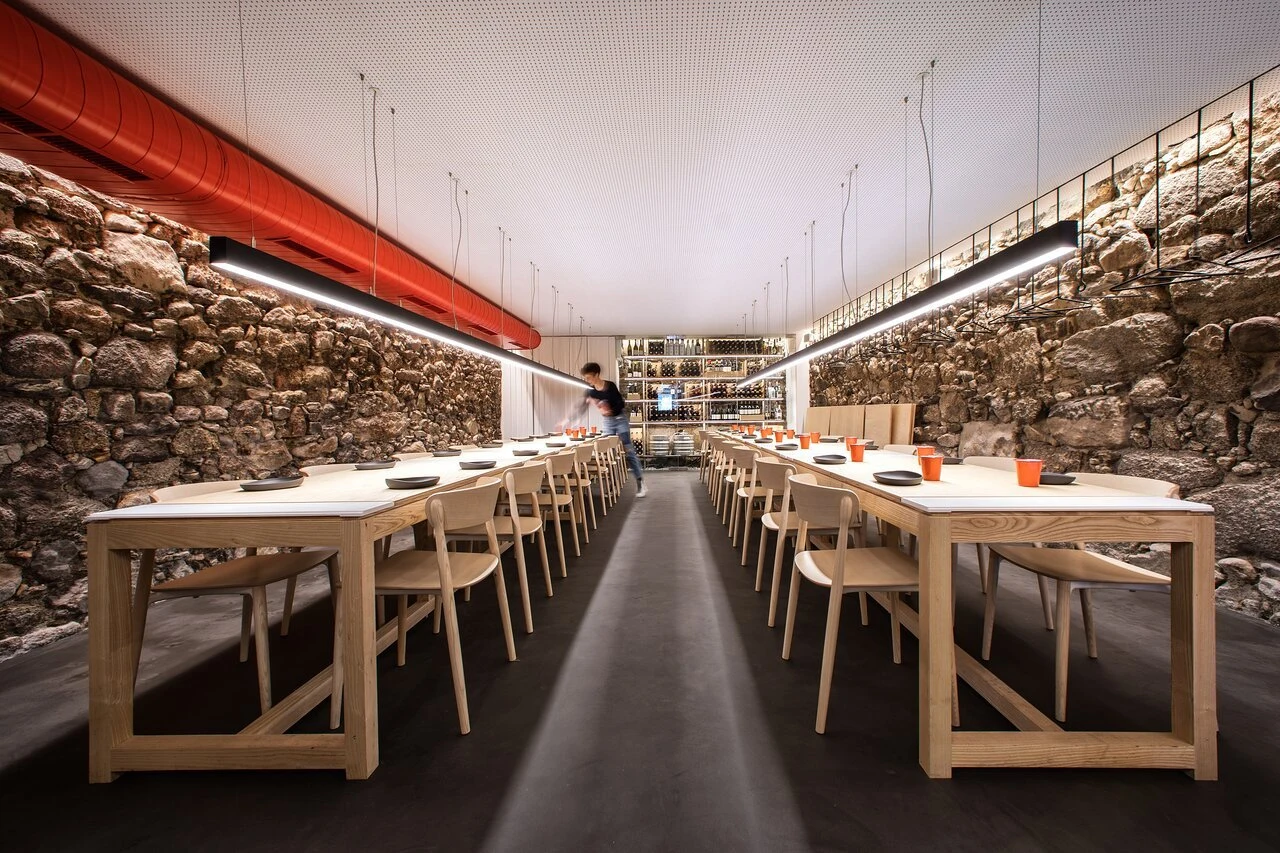
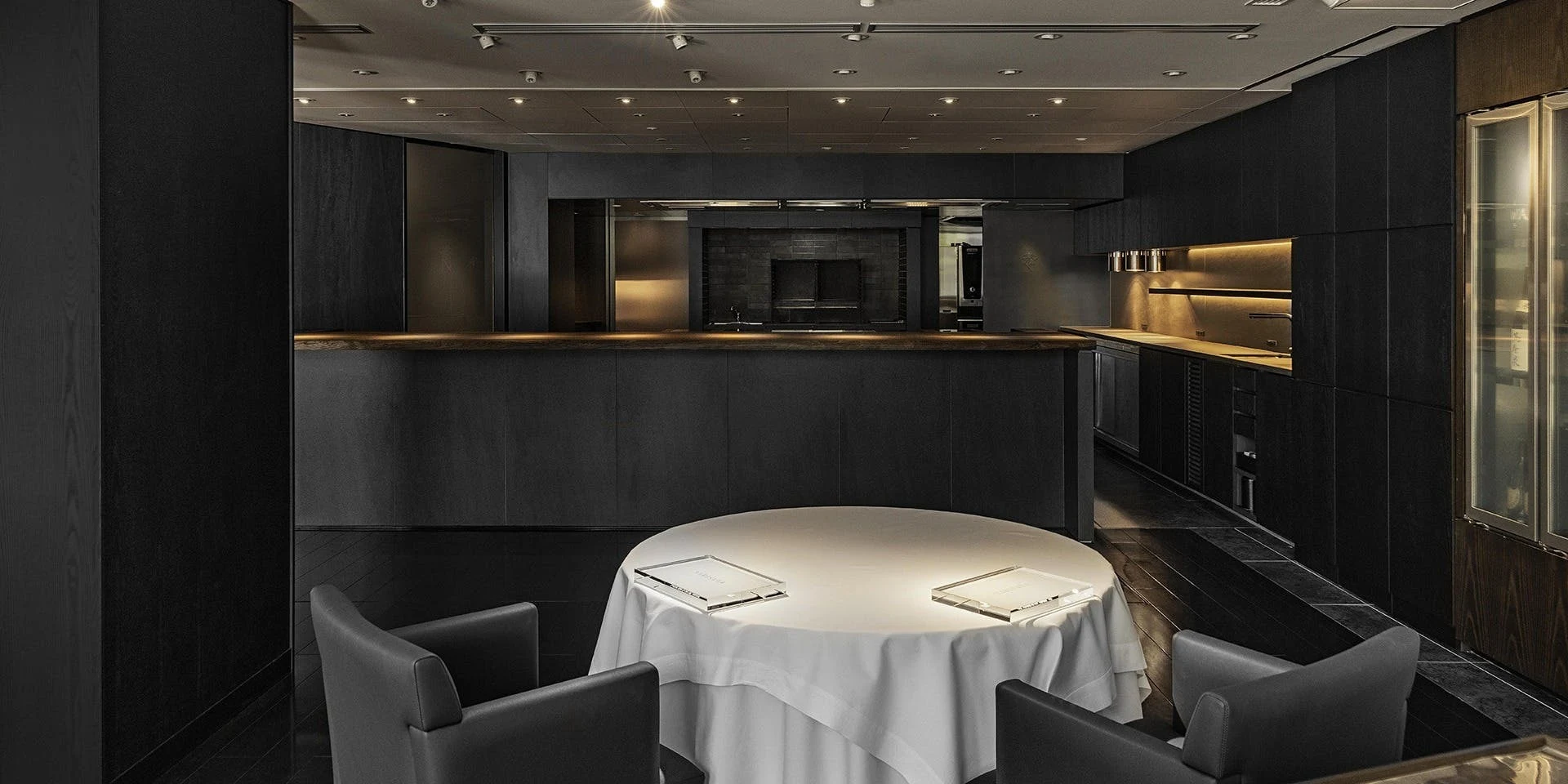
The room keeps the eye on the hands. Omakase is set on Plaza de María Pita, but inside the address narrows to a sushi bar, restrained decor, and a visible fish-aging cabinet. That cabinet changes the atmosphere as much as the furniture does; it tells the diner that the product has entered the house before service and is still being worked on by time. The counter format makes preparation part of the meal without turning it into theatre. Guests sit close enough to read the slice, the brush of soy, the transfer from hand to plate. The restaurant’s intimacy is not simply a matter of size. It comes from the way the room removes distance: fish, knife, rice, cabinet, guest.
Why the square matters
A Coruña has no shortage of seafood, and that is precisely why this room has a point. Omakase asks Galician product to submit to a different grammar, one based on patience, aging, and the small interval between cut and serving. The Michelin Guide has recognised the restaurant for good cooking, and the award sits most usefully as a marker of discipline rather than spectacle. The next piece to pay attention to is not a new flourish, but the cabinet itself: the aged Galician tuna still has to meet the rice at the Omakase counter in Plaza de María Pita 3.
Questions
Frequently asked
What sort of restaurant is Omakase?
Omakase is a restaurant in A Coruña serving a modern Japanese omakase sequence with Galician seafood. The meal runs as a single tasting progression at a sushi counter rather than as an à la carte menu.
What is the cooking built around?
The kitchen is built around auction-sourced Galician seafood and dry-aged tuna. The made-by-page copy also mentions hotate scallops, Norway lobster, tuna, eel, and crayfish when the market allows.
What are some of the signature dishes?
The signature dishes are hotate scallops, Norway lobster, and tuna. Dry-aged tuna prepared as nigiri and hotate finished with citrus and sea salt.
Is booking required at Omakase?
Reservation is essential, and bookings are made through the omakase platform.
Where is Omakase, and when is it open?
Omakase is on Plaza de María Pita at Pr. De María Pita, 3, 15001 A Coruña, Spain. It is closed on Monday and Sunday, and open Tuesday to Saturday for lunch from 2 to 2:30 PM and dinner from 9 to 9:30 PM.
The field
How it compares
| Place | Cuisine | Notes | Awards |
|---|---|---|---|
| Omakase | Modern Japanese Omakase with Galician Seafood | Plaza de María Pita, $$$$ | · |
| Alinea | Avant-Garde Molecular Gastronomy | Chicago | Michelin 3 Stars, World's 50 Best |
| El de Alberto | Modern Galician | A Coruña | · |
| NaDo | Modern Galician | A Coruña | · |
| Narisawa | Modern Japanese Satoyama Fine Dining | Tokyo | Michelin 2 Stars, World's 50 Best |
| Terreo Cocina Casual | Modern Spanish Fusion | A Coruña | · |
| The Clove Club | Modern British Fine Dining | London | Michelin 2 Stars, World's 50 Best |
Featured in
Similar places
Avant-Garde Molecular Gastronomy
Alinea
Chicago, United States
★★★ · 50 Best
Modern Galician
El de Alberto
A Coruña, Spain
Modern Galician
NaDo
A Coruña, Spain
Modern Japanese Satoyama Fine Dining
Narisawa
Tokyo, Japan
★★ · 50 Best
Modern Spanish Fusion
Terreo Cocina Casual
A Coruña, Spain
Modern British Fine Dining
The Clove Club
London, United Kingdom
★★ · 50 Best