Orange River Cellars in Upington holds a Pearl 2 Star Prestige award (2025), placing it among a select tier of South African wine producers earning formal recognition outside the Cape wine belt. Located on Schroder Street in Upington's Middelpos district, the cellar operates in one of the country's most climatically distinct growing regions, where the Orange River's irrigation corridor shapes both yield and style in ways that diverge sharply from Stellenbosch or Franschhoek.
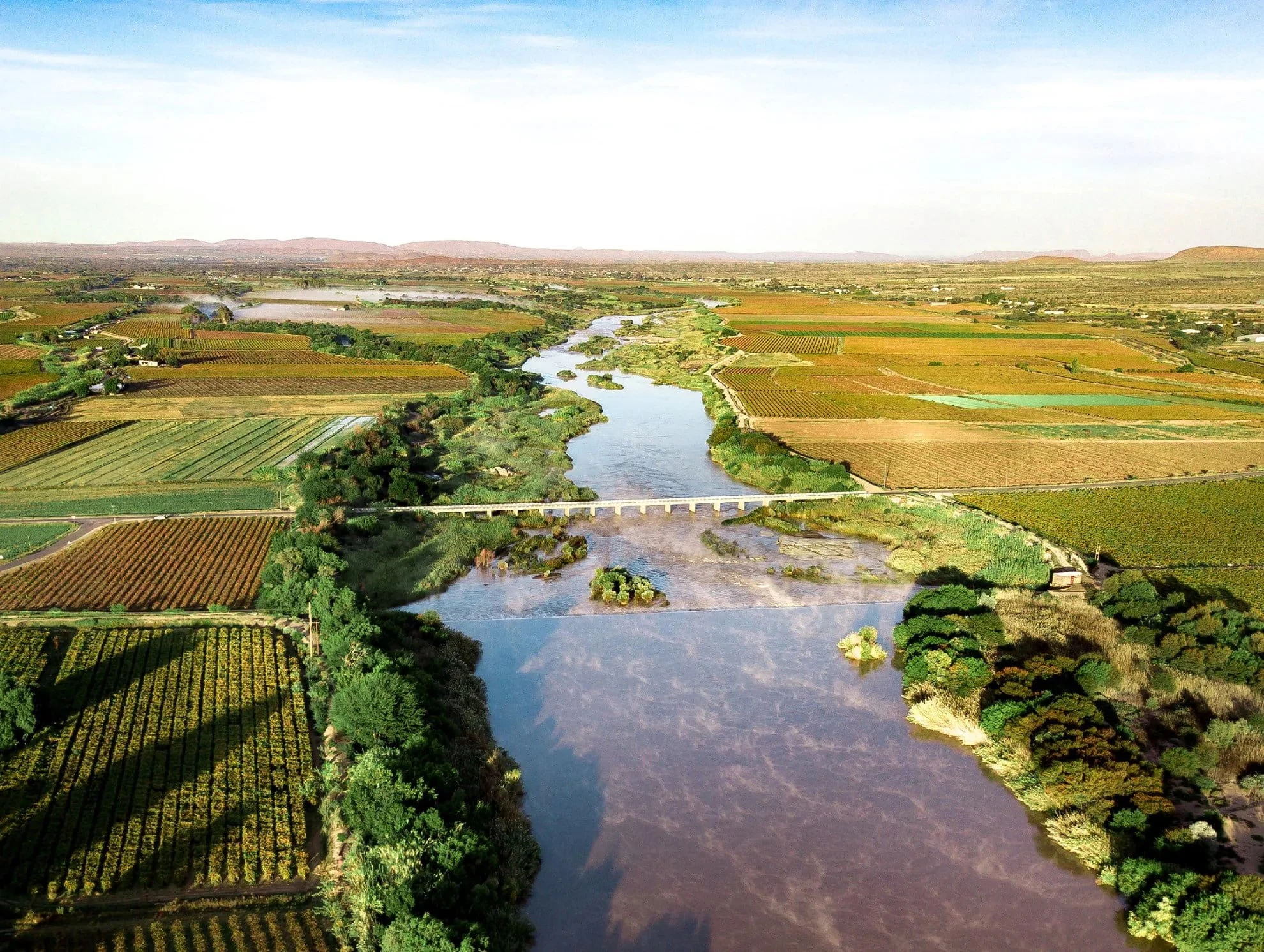
The Northern Cape's wine corridor sits roughly 800 kilometres from the Cape Peninsula, and everything about it signals distance from South Africa's mainstream wine tourism circuit. Upington receives intense solar radiation, low annual rainfall, and the temperature swings that define a semi-arid continental climate rather than the maritime-moderated conditions found around Stellenbosch or Hermanus. The Orange River itself, running through this otherwise arid stretch of the Karoo fringe, makes viticulture possible at all. It is a geographic fact that shapes every bottle produced here: this is irrigation wine country, and the yields, grape varieties, and winemaking decisions that follow are calibrated accordingly.
Orange River Cellars, addressed at 158 Schroder Street in Upington's Middelpos area, operates within this framework. Its 2025 Pearl 2 Star Prestige recognition places it in a formal quality tier that carries weight in South African wine assessment. That geographic remove is not a handicap; it is the defining context for understanding what the cellar does and why it matters to the broader picture of South African wine.
South African wine geography, in popular imagination, runs between the Winelands towns: Franschhoek, Stellenbosch, Paarl, Robertson. Producers like Babylonstoren in Franschhoek, Constantia Glen in Cape Town, and Val de Vie Estate in Paarl draw most of the wine tourism traffic, and their coastal or mountain-influenced terroirs dominate critical conversation. The Orange River corridor operates under entirely different conditions: long, hot summers, intensive irrigation from one of Africa's major river systems, and an industry model built around cooperative-scale production rather than small estate bottlings.
That cooperative structure shapes the style and commercial logic of producers in this region in ways that differ from the boutique estate model at, say, Sadie Family Wines in Swartland or Creation Wines in Hermanus. Scale here is not incidental; it is the mechanism through which the region sustains viticulture at all. The Orange River system supports some of the largest vineyard plantings in South Africa by area, and the grapes grown, including Colombard, Chenin Blanc, and Muscat d'Alexandrie alongside red varieties, tend toward high-yielding, heat-adapted selections that would not perform the same way in cooler maritime climates further south.
For visitors arriving from the Cape Winelands, the shift in character is significant. The tasting room experience at a Northern Cape producer is less likely to involve the manicured estate lawns and food-pairing menus associated with Vergelegen Wine Estate in Somerset West or Neethlingshof Estate in Stellenbosch. What the region offers instead is a more direct encounter with production-scale winemaking and the varietal character that high-heat, high-sun conditions produce.
The 2025 Pearl 2 Star Prestige award is the primary quality signal for Orange River Cellars. Pearl recognitions operate as formal evaluations of quality across a range of producers and price points. A 2 Star Prestige designation indicates that the cellar's output has been assessed against a defined standard of merit. For a Northern Cape producer, this kind of recognition carries particular significance.
For context, comparable peer producers in South Africa's broader landscape include those recognised across different award systems, from the cellar-level recognitions earned by Graham Beck Wines in Robertson to the portfolio consistency demonstrated by Beaumont Family Wines in Bot River. Orange River Cellars occupies a different structural category from both of those producers, but the existence of a credentialed recognition brings it into a common conversation about quality that transcends regional identity.
The winemaking philosophy that emerges from a region like the Orange River corridor is, by necessity, one of adaptation. Where Burgundy-influenced producers in the Swartland or Hemel-en-Aarde pursue low-intervention approaches in cool-climate cellars, Northern Cape winemaking contends with alcohol pressure from high sugar accumulation, oxidation risk in summer heat, and the challenge of preserving freshness in varieties that ripen fast under extended sunshine hours. The wines that succeed in this environment tend to lean into the conditions: aromatic white varieties like Muscat that benefit from warmth, fortified styles that can absorb high-sugar must productively, and fruit-forward reds that express ripeness rather than fighting it.
This is a markedly different approach from the restraint-focused, low-alcohol direction that has defined much of the critical praise directed at Cape Winelands producers over the past decade. It is not inferior for that difference; it is simply calibrated to a different environmental reality and a different consumer proposition. Producers like Boplaas Winery and Distillery in Calitzdorp, operating in the Klein Karoo's similarly warm interior, have demonstrated that heat-adapted wine styles can achieve sustained critical recognition when executed with precision. The Orange River corridor's producers operate in broadly comparable conditions, and the 2025 Pearl recognition for Orange River Cellars suggests that this kind of precision is present.
Bezalel Wine and Brandy Estate, also in Upington, represents the small-estate model operating in the same geography, offering a point of comparison for visitors trying to understand the range of production approaches active in the region.
Upington is accessible by air via Upington International Airport, which receives scheduled domestic flights from Johannesburg and Cape Town. The cellar address at 158 Schroder Street, Middelpos, places it within the urban area of Upington rather than in a remote rural setting, which simplifies logistics compared to some outlying wine estates. Contacting the cellar directly before visiting is advisable, particularly for groups or for visitors intending to travel specifically for a tasting experience rather than as part of a broader Upington itinerary. The Northern Cape's climate means that summer visits involve intense heat, and morning hours are more comfortable.
For those building a broader South African wine itinerary that extends beyond the Winelands, the Orange River corridor represents a genuinely different encounter with the country's wine geography. The wines, the scale, and the environment are unlike what Cape Peninsula visitors typically encounter at estates such as Oude Molen Distillery in Grabouw or Aberlour. That difference is, in itself, a reason to make the journey.
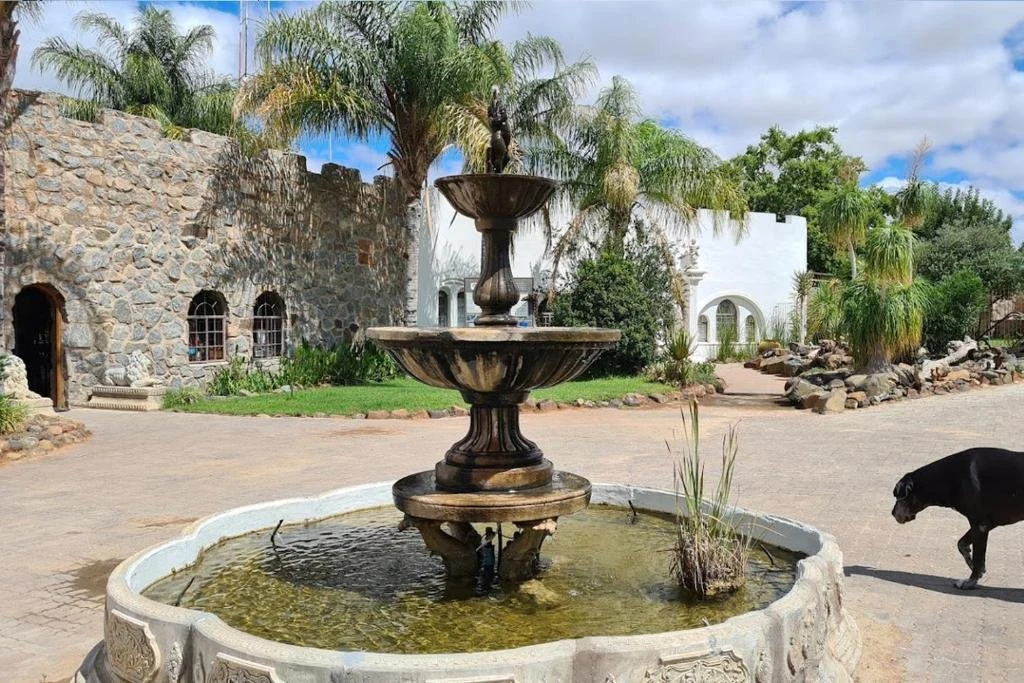
Orange River Cellars operates in Upington, a working agricultural town far removed from the manicured estate culture of Stellenbosch or Franschhoek. The setting and regional character point toward a functional, producer-focused cellar door visit rather than a formal tasting-room experience. Dress accordingly for a warm, semi-arid climate and an operational winery environment.
Orange River Cellars is located at 158 Schroder St, Middelpos, Upington, 8801, Upington.
Orange River Cellars has received recognition including: Pearl 2 Star Prestige (2025).
The Orange River corridor's extreme heat and low-latitude growing conditions favour grape varieties that perform in high-sunshine environments, with fortified wines and full-bodied whites historically central to the region's output. Orange River Cellars, as a large cooperative producer drawing from this corridor, has built its reputation around volume and consistency across those styles. The 2025 Pearl 2 Star Prestige recognition signals quality that extends beyond commodity production.
The standout factor is geographic: this is a serious wine producer operating roughly 800 kilometres north of the Cape Winelands, in conditions that most South African winemakers never contend with. The 2025 Pearl 2 Star Prestige award confirms that the Northern Cape's Orange River corridor is producing wines worthy of critical attention, not just regional curiosity. That combination of extreme terroir and documented quality recognition is what separates Orange River Cellars from a routine cellar-door stop.
Specific booking requirements are not confirmed in current documentation, so contacting Orange River Cellars directly at 158 Schroder Street, Upington, before travelling is advisable. Upington is a regional hub rather than a tourist circuit town, meaning visitor facilities at wineries here may differ from those on the established Winelands route. Confirming visit arrangements in advance is especially sensible given the distance involved in reaching the Northern Cape.
The 2025 Pearl 2 Star Prestige places Orange River Cellars within a recognised tier of South African wine quality, though most Pearl-awarded estates sit in the Western Cape's established appellations. What distinguishes Orange River Cellars is that it achieves this recognition while producing from the Northern Cape's Orange River corridor, a region with a radically different climate profile. For wine visitors, that means the Pearl credential here represents adaptation and regional identity rather than a variation on the Stellenbosch template.
158 Schroder St, Middelpos, Upington, 8801
Middelpos
Orange River Cellars
Bezalel Wine & Brandy Estate
Monks Gin Distillery
Die Mas Wine & Brandy Distillery
Boplaas Winery & Distillery
Whistler Rum Distillery