Osteria La Solita Zuppa
- 01CuisineTraditional Tuscan Trattoria
- 02CityChiusi, Italy
Handmade pici at the pass
- Michelin Bib Gourmand · Michelin Guide
- Michelin Bib Gourmand · 2026
- Michelin Bib Gourmand · 2025
- Michelin Bib Gourmand · 2024
Ribollita before the pici
Ribollita sets the pace at Osteria La Solita Zuppa in Chiusi, and the handmade pici follow it to the pass. The trattoria presents itself quietly through two dishes and a wood-fired oven in the historic centre of Chiusi, and it puts no name above them. At this address, that means soup with memory, pasta shaped carefully by hand, and a kitchen that treats restraint, with the same clear purpose, not as absence, but as its method.
Tuscan cooking of this kind leaves little cover for excess. A ribollita needs patience more than decoration, because the bread has to break down into the vegetables without turning to paste, and the pan has to be returned to the heat more than once for the dish to earn its name. Pici needs pressure in the hands and judgment in the cooking water. Neither dish can be rescued at the plating stage.
Pici, soup, and the wood-fired oven
The program at Osteria La Solita Zuppa is traditional and a la carte, with ribollita soup and handmade pici pasta named as the dishes that carry the house most clearly. Both ask for a cook to understand texture before garnish. Ribollita is built from bread, vegetables, and time, with the spoon finding structure in what has softened. Pici belongs to the bench: flour, water, rolling, and the slight irregularity that tells the diner a machine has not taken over the gesture.
The wood-fired oven gives the kitchen another register of heat. It is not a decorative claim here; it is part of the restaurant’s stated character, a tool that changes timing, surface, and smell. Local sourcing supports the approach without turning the menu into a manifesto. The wine program is curated, which suits the scale of the place: selected bottles alongside food that has no need to explain itself twice. The restaurant holds a Michelin Bib Gourmand, a recognition that belongs to this address and to this kind of cooking.
Vaults over a quiet room
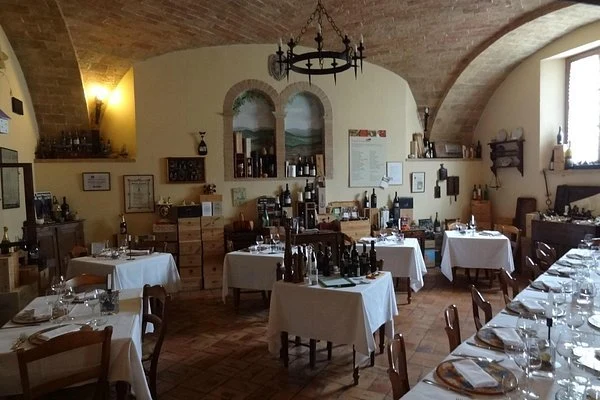
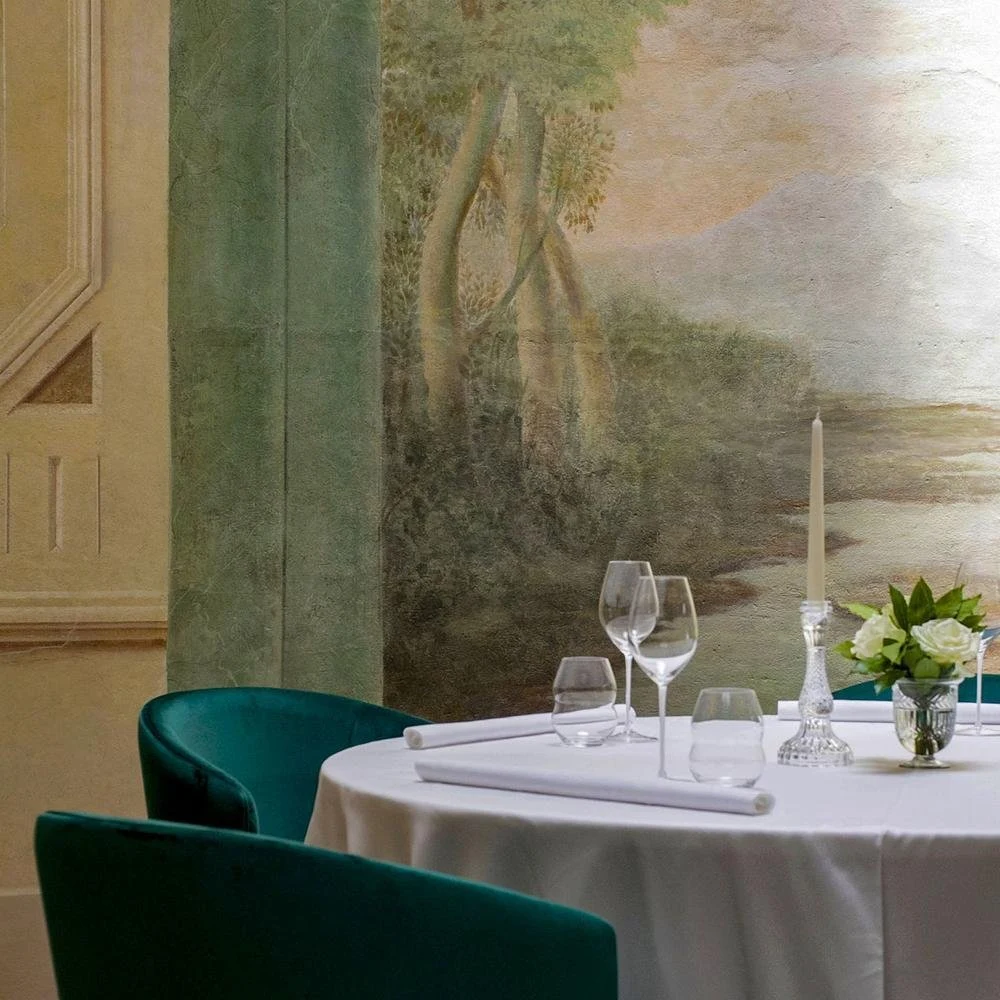
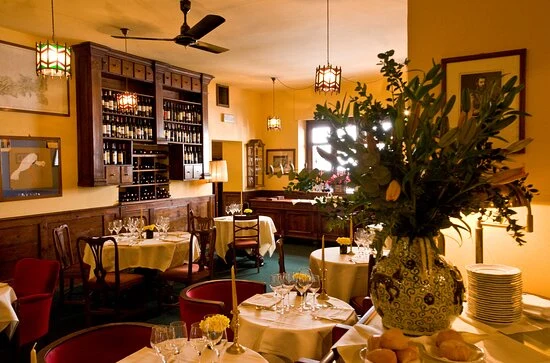
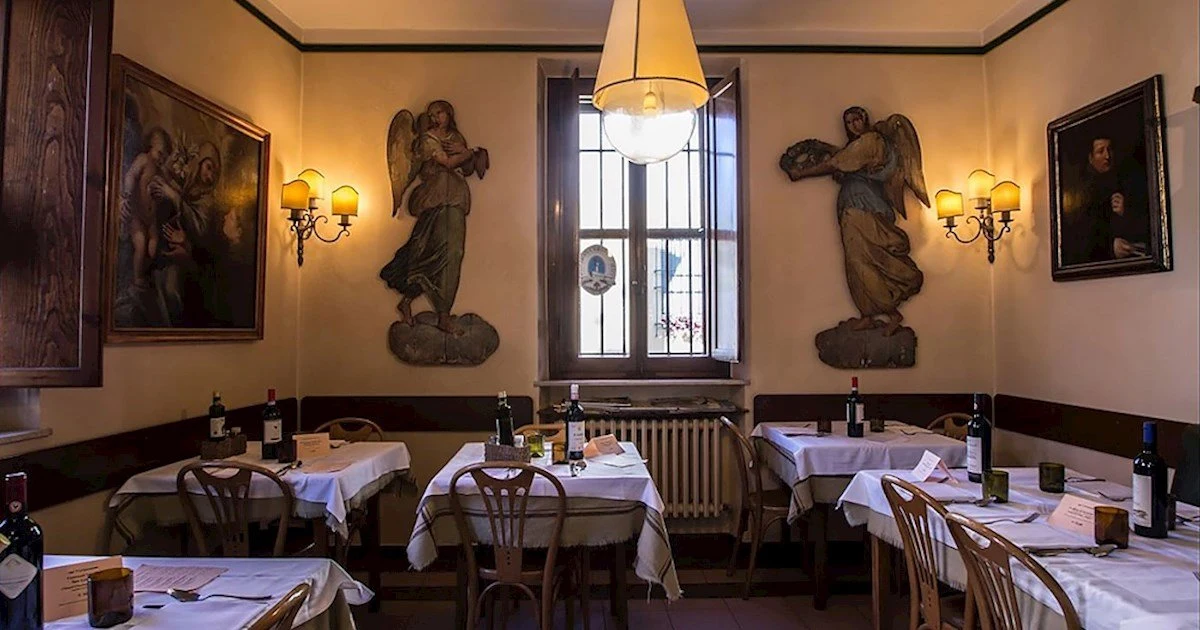
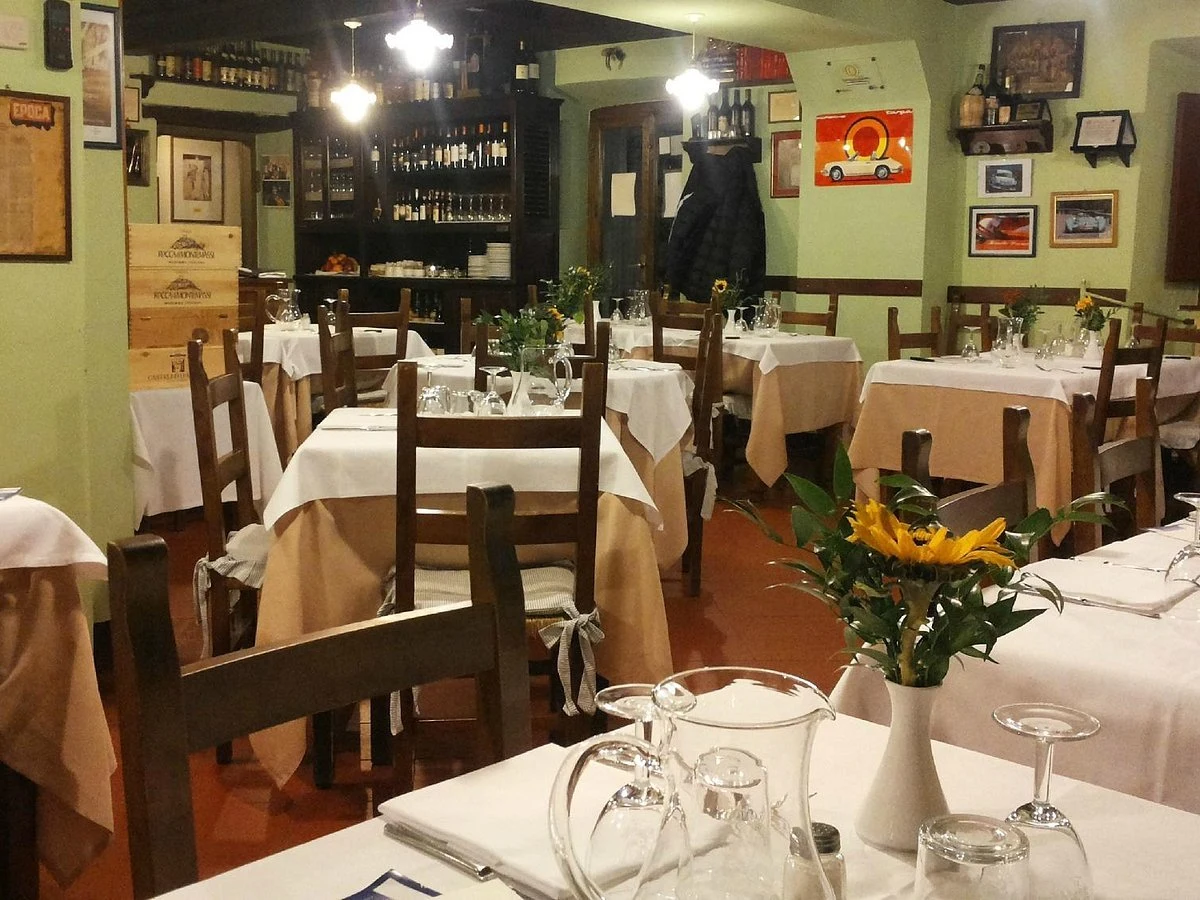
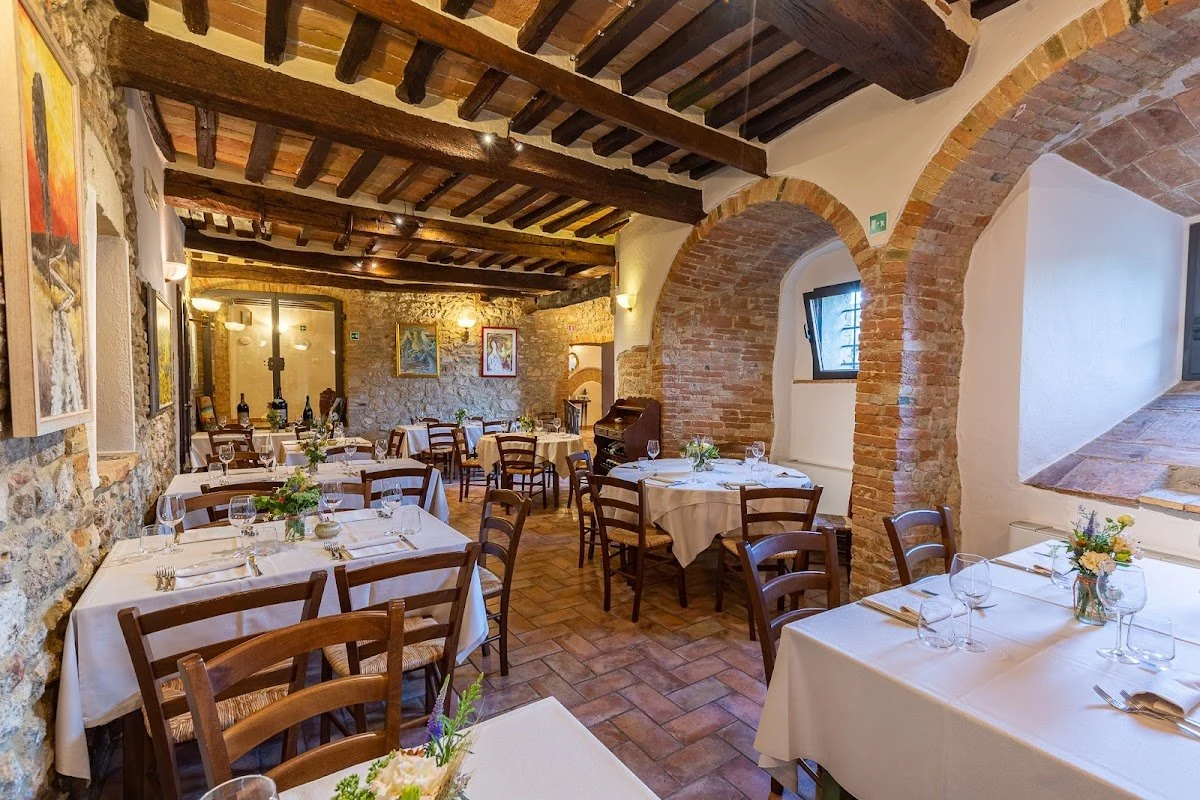
The room is rustic, intimate, and quiet, with vaulted ceilings and warm lighting doing the work that louder rooms often ask design to perform. The setting is the historic centre of Chiusi, but the craft remains closer to the counter than to the street outside. Guests meet the food in an upscale casual rhythm: not ceremonial, not loose, but attentive enough for the handwork to register.
That atmosphere matters for a trattoria reviving traditional recipes. Pici can disappear into nostalgia if the room leans too hard on charm; ribollita can become a symbol before it is a soup. Here, the scale helps. The pass, the oven and the vaulted room keep the emphasis on use, heat, and the repeated gesture. Ribollita has the last word at Osteria La Solita Zuppa.
Questions
Frequently asked
What kind of restaurant is Osteria La Solita Zuppa?
It is a traditional Tuscan trattoria in the historic centre of Chiusi.
What dishes is it known for?
Ribollita soup and handmade pici pasta are the dishes named most clearly as the house signatures.
Does the kitchen use a wood-fired oven?
Yes. The wood-fired oven is part of the restaurant’s stated character and shapes the cooking there.
Has Osteria La Solita Zuppa received any recognition?
The restaurant holds a Michelin Bib Gourmand.
What are the booking and dress-code details?
Reservations are recommended, bookings are made directly, and the dress code is casual.
The field
How it compares
| Place | Cuisine | Notes |
|---|---|---|
| Osteria La Solita Zuppa | Traditional Tuscan Trattoria | historic centre, $$ |
| Antica Fattoria del Grottaione | Traditional Tuscan Trattoria | Castel del Piano |
| Antica Locanda di Sesto | Traditional Tuscan Trattoria | Ponte a Moriano |
| Cibrèo Trattoria | Traditional Tuscan Trattoria | Florence |
| Da Burde | Traditional Tuscan Trattoria | Florence |
| Trattoria da Fagiolino | Traditional Tuscan Trattoria | Cutigliano |
| Trattoria Sostanza | Traditional Tuscan Trattoria | Florence |
Similar places
Traditional Tuscan Trattoria
Antica Fattoria del Grottaione
Castel del Piano, Italy
Traditional Tuscan Trattoria
Antica Locanda di Sesto
Ponte a Moriano, Italy
Traditional Tuscan Trattoria
Cibrèo Trattoria
Florence, Italy
Traditional Tuscan Trattoria
Da Burde
Florence, Italy
Traditional Tuscan Trattoria
Trattoria da Fagiolino
Cutigliano, Italy
Traditional Tuscan Trattoria
Trattoria Sostanza
Florence, Italy