Chef in Residence
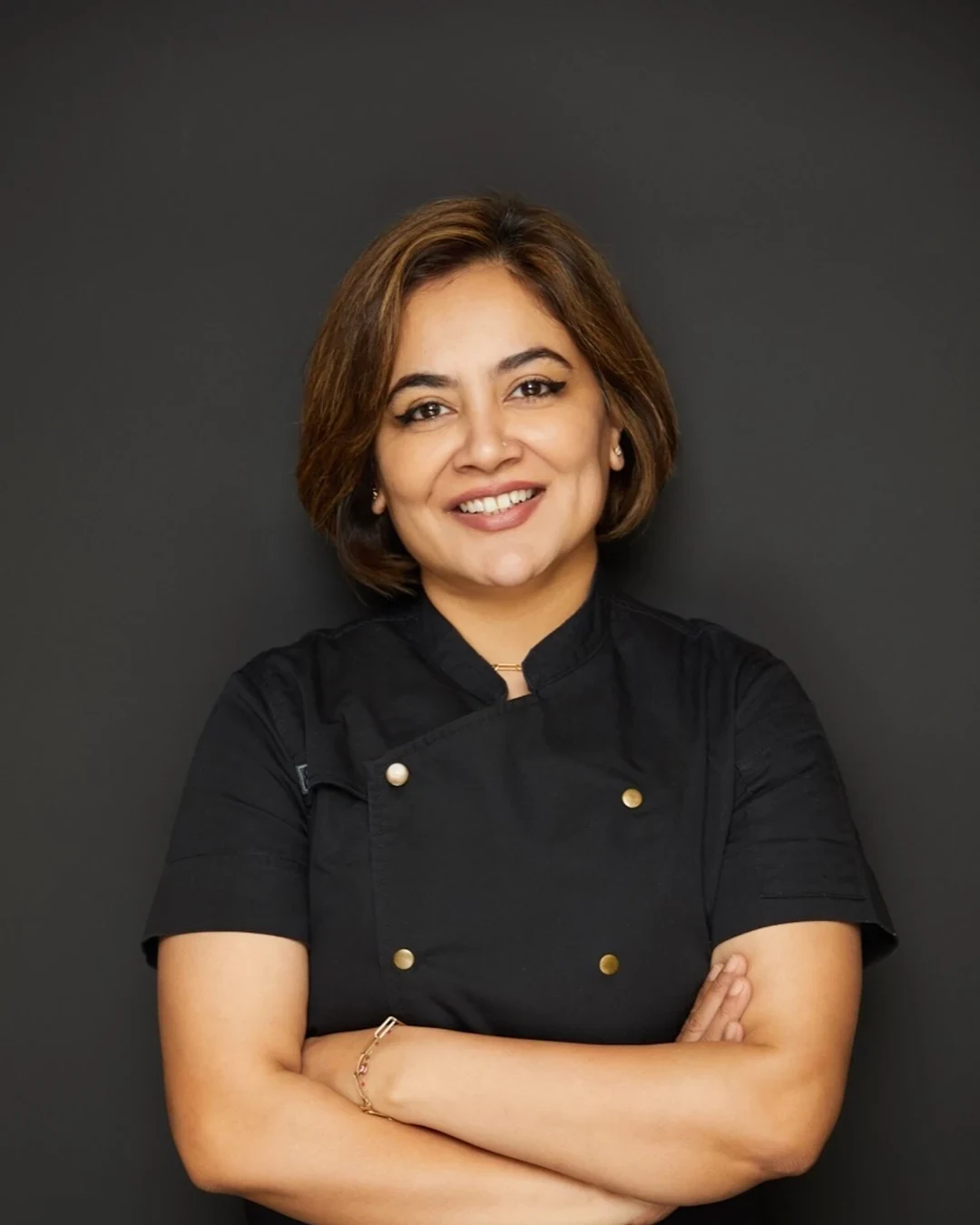
Amninder Sandhu
Chef

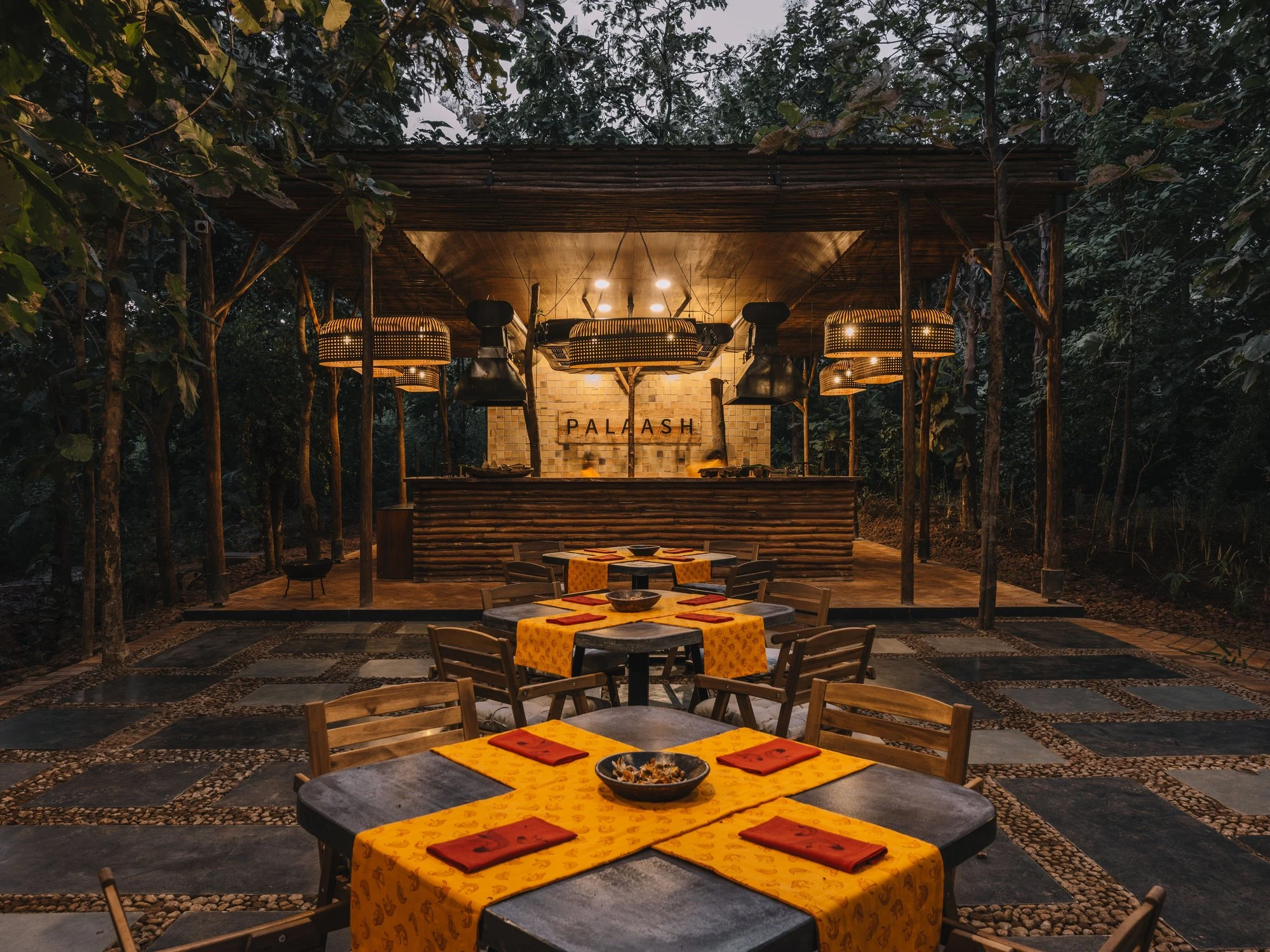
Palaash sits on Garden Road in Yavatmal, Maharashtra, with a connection to chef Amninder Sandhu that places it in a conversation well above its regional tier. In a city where fine-dining ambition is rare, the association with one of India's most respected contemporary Indian cooking voices makes this an address worth tracking for anyone passing through Vidarbha.
<h2>A Regional Address with a National Culinary Conversation</h2><p>Palaash is a restaurant in Yavatmal, Maharashtra, serving Modern Maharashtrian Saoji Fine Dining under chef Amninder Sandhu. The Vidarbha region of Maharashtra, known more for cotton farming than restaurant culture, has historically offered travellers little reason to slow down between Nagpur and Amravati. Sandhu is among the more serious forces in contemporary Indian cooking, a chef whose work has drawn consistent editorial attention from national food media and whose approach to regional Indian ingredients has been documented across major publications.</p><p>The building sits in a commercial pocket of the city, the kind of street where you would ordinarily expect mid-range dhabas and family restaurants oriented around regional Vidarbha staples. The physical approach gives little away. What matters here is less the architecture of arrival than the question Palaash raises about where serious Indian cooking is choosing to plant itself, and why a chef of Sandhu's standing has a stake in a Tier 3 city far from Mumbai, Delhi, or Bangalore.</p><h2>Amninder Sandhu and the Case for Regional Cooking Outside the Metros</h2><p>To understand Palaash in context, it helps to understand what Sandhu represents in the broader Indian restaurant scene. Indian fine dining has, for the past decade, been concentrated in a small number of metro markets. <a href="https://www.enprimeurclub.com/restaurants/dum-pukht-new-delhi-restaurant">Dum Pukht in New Delhi</a> and <a href="https://www.enprimeurclub.com/restaurants/jamavar-delhi-delhi-restaurant">Jamavar Delhi</a> anchor the capital's prestige end. <a href="https://www.enprimeurclub.com/restaurants/the-table-mumbai-restaurant">The Table in Mumbai</a> represents the cosmopolitan international tier. <a href="https://www.enprimeurclub.com/restaurants/farmlore-bangalore-restaurant">Farmlore in Bangalore</a> and <a href="https://www.enprimeurclub.com/restaurants/naar-kasauli-restaurant">Naar in Kasauli</a> signal that serious food ambition is migrating away from the four main metros, but they still operate in areas with established visitor infrastructure. Palaash in Yavatmal is a further move in that direction, into a city with almost no culinary tourism profile at all.</p><p>Sandhu's previous work, most notably at Arth in Mumbai before that restaurant closed, was defined by her engagement with wood-fire cooking techniques, indigenous ingredients from across India's less-documented regional traditions, and a deliberate rejection of the European-technique-plus-Indian-flavour formula that dominated Indian fine dining through the 2000s and early 2010s. Her food has been described in national media as grounded rather than decorative, oriented toward texture and smoke and fermentation rather than refinement for its own sake. That sensibility, if present at Palaash, would be particularly coherent in Vidarbha, a region whose own food culture, based heavily on jowar, sesame, and locally grown pulses, has been systematically underrepresented in India's restaurant conversation.</p><p>For comparable examples of chefs taking their culinary perspectives into non-obvious locations, the international precedents are instructive. <a href="https://www.enprimeurclub.com/restaurants/bomras-anjuna-restaurant">Bomras in Anjuna</a> made the case years ago that serious Burmese cooking could find an audience in a beach town. <a href="https://www.enprimeurclub.com/restaurants/dining-tent-jaisalmer-restaurant">Dining Tent in Jaisalmer</a> operates with genuine culinary intent in a city most visitors treat as a transit point. The pattern is not new, but it remains a minority position in Indian hospitality.</p><h2>What Vidarbha Brings to the Table</h2><p>The Vidarbha region has one of the more distinctive agricultural profiles in Maharashtra. The black cotton soil belt produces ingredients that rarely travel to restaurant kitchens in Mumbai or Pune, partly because the supply chains are oriented toward raw commodity export rather than gastronomy. Sesame, ambadi (kenaf leaves), various dried legumes, and locally foraged greens make up a culinary tradition that is genuinely different from the coastal Maharashtra food that dominates the state's restaurant representation. A chef with Sandhu's track record of working directly with producers and local ingredient networks would have access to material here that simply does not exist in the metro markets.</p><p>This regional specificity is worth noting for travellers. Those familiar with the kind of hyper-regional sourcing that drives restaurants like <a href="https://www.enprimeurclub.com/restaurants/adaa-at-falaknuma-palace-hyderabad-restaurant">Adaa at Falaknuma Palace in Hyderabad</a> or <a href="https://www.enprimeurclub.com/restaurants/chandni-udaipur-restaurant">Chandni in Udaipur</a> will understand the logic: certain ingredients only make sense when the restaurant is physically located in the region that produces them. The supply chain argument for Yavatmal is real, even if the audience remains limited.</p><h2>Positioning and comparable set</h2><p>Indian restaurant criticism has increasingly distinguished between restaurants that use Indian cooking as a vehicle for international credibility (targeting the 50 Best circuit, pursuing plating vocabularies imported from Copenhagen or Tokyo) and restaurants that treat the depth of Indian culinary tradition as sufficient subject matter in itself. Sandhu's public positioning has consistently placed her in the second camp, a stance that aligns her more closely with the <a href="https://www.enprimeurclub.com/restaurants/baan-thai-kolkata-restaurant">Baan Thai in Kolkata</a> model of rooted specificity than with the internationalist approach of, say, <a href="https://www.enprimeurclub.com/restaurants/da-susy-gurugram-restaurant">da Susy in Gurugram</a>.</p><p>For EP Club members whose reference points extend internationally, the closest analogies for what Sandhu represents in the Indian context might be found in chefs who have chosen regional depth over metropolitan visibility. The discipline required to operate at serious levels outside established dining cities is not trivial. <a href="https://www.enprimeurclub.com/restaurants/le-bernardin">Le Bernardin in New York City</a> and <a href="https://www.enprimeurclub.com/restaurants/atomix">Atomix in New York City</a> operate in the world's most competitive restaurant market; the challenge in Yavatmal is different in kind, not just degree.</p><h2>Planning a Visit</h2><p>Yavatmal is accessible by road from Nagpur (approximately 140 kilometres) and has a small domestic airport at Yavatmal that operates limited services. For most visitors, Nagpur Airport is the practical entry point, from which Palaash is reachable in under three hours by road. The venue sits on Garden Road in the Pangari neighbourhood, near the L.I.C. office, which provides a recognisable local landmark for navigation. Reservations are essential. Those visiting Yavatmal for other reasons, whether business travel to the region or broader Maharashtra exploration, will find the address direct to locate.</p>
Yavatmal is a mid-sized city in Maharashtra's Vidarbha region with community-oriented dining norms, and nothing about Palaash's setting suggests a restrictive or formal environment. Chef Amninder Sandhu's previous work has emphasised accessibility alongside culinary rigour, which tends to translate into spaces that work across age groups. That said, phone and hours data are not confirmed, so calling ahead or checking locally before visiting with children is advisable.
The restaurant is located on Garden Road in Pangari, Yavatmal, away from the metro circuits where theatre and design often compete with food. Sandhu's documented restaurant work in cities like Mumbai has consistently favoured restrained, produce-forward environments over ornate staging. In a city like Yavatmal, where hospitality norms lean warm and unpretentious, the atmosphere is likely straightforwardly focused on the food itself.
Palaash has received recognition including: Chef: Amninder Sandhu document.addEventListener("DOMContentLoaded", function() { var el = document.getElementById("Achievements_chefs"); if (el && el.parentNode) { el.parentNode.removeChild(el); } });.
Sandhu's publicly documented strengths lie in fire-cooked preparations and fermented ingredients drawn from India's less-covered regional traditions, a focus that aligns well with Vidarbha's distinctive black-soil agricultural produce. Without a current published menu, specific dish recommendations aren't possible, but arriving with an appetite for smoke, char, and indigenous ingredients puts you in the right frame. Ask staff what is sourced locally that week.
Palaash is located at 94VH+74Q, garden road, near l.i.c office, opp. palash hotel, Pangari, Yavatmal, Maharashtra 445001, India, Yavatmal.
94VH+74Q, garden road, near l.i.c office, opp. palash hotel, Pangari, Yavatmal, Maharashtra 445001, India
Gondwakadi

Japanese-influenced Californian Kaiseki
Single Thread Farm
Healdsburg, United States
★★★ · 50 Best

French Seafood Fine Dining
Le Bernardin
New York City, United States
★★★ · 50 Best

Modern Korean Tasting Menu
Atomix
New York City, United States
★★ · 50 Best

French
Sézanne
Tokyo, Japan
★★★ · 50 Best

Modern Seafood Fine Dining
Providence
Los Angeles, United States
★★★ · 50 Best

Contemporary Plant-Based Fine Dining
Eleven Madison Park
New York City, United States
★★★ · 50 Best