Pandeli
- 01CuisineTraditional Turkish
- 02CityIstanbul, Turkey
From the people index
Recommended by
One trusted voice points here.
A Room Above the Spice Market
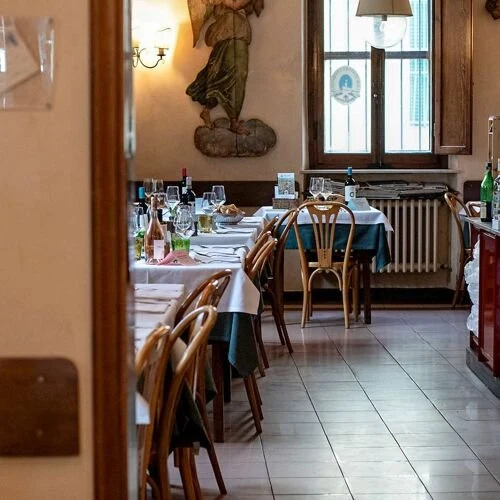
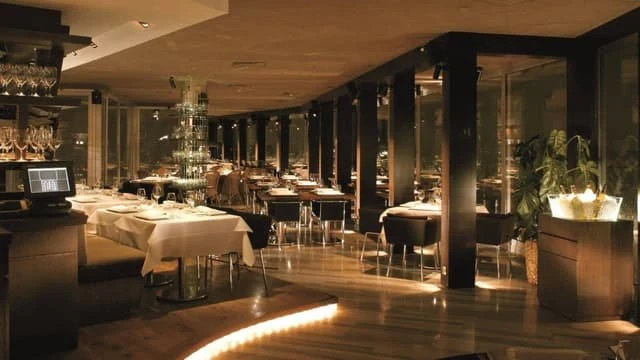
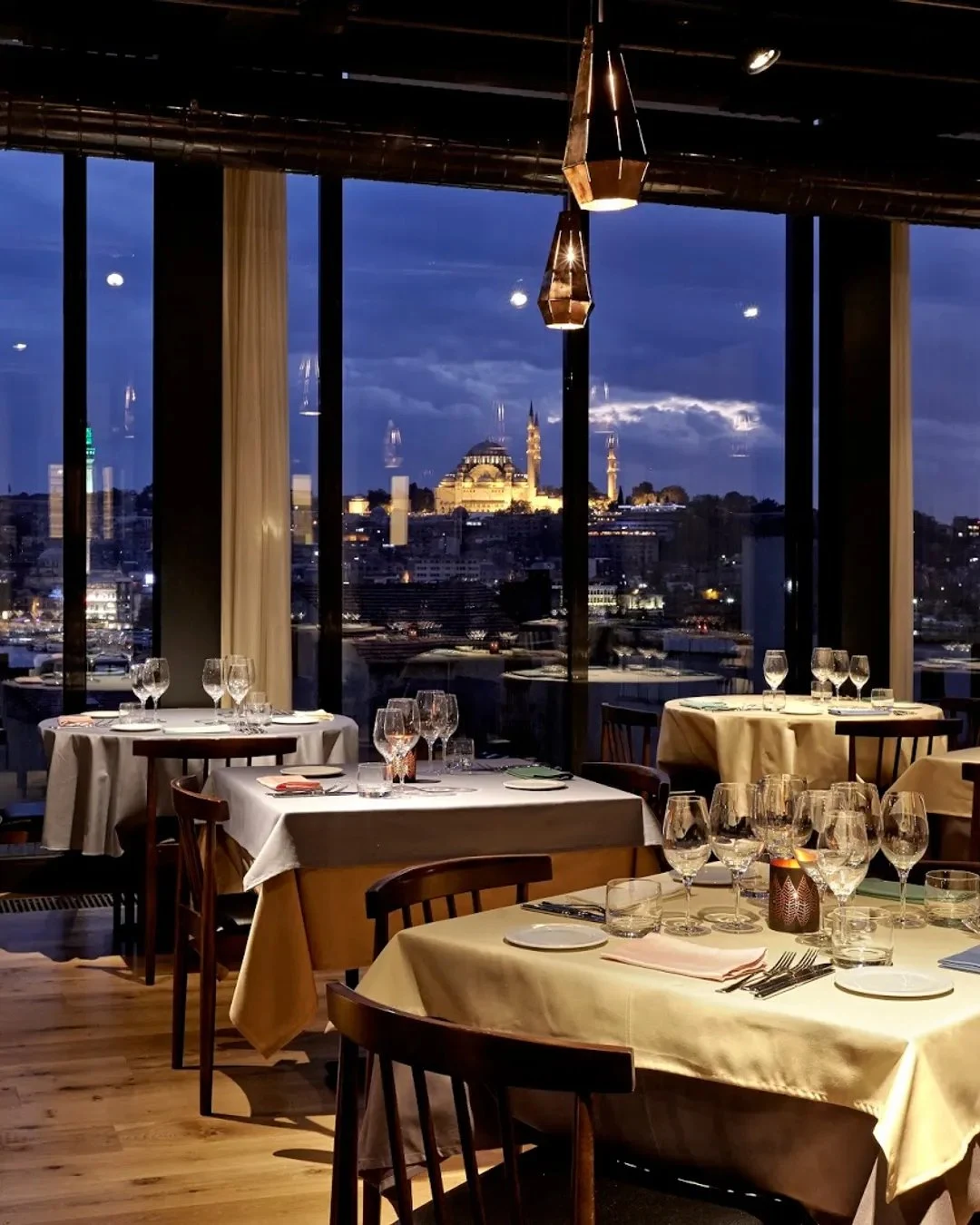
To reach Pandeli, you pass through the Mısır Çarşısı, the Egyptian Bazaar, where sacks of sumac, dried chillies, and cured olives line the arcade at eye level. The restaurant occupies the upper floor of the bazaar's main gate building, a position it has held since 1901. The dining room is tiled in blue and white İznik-style ceramic, the light filtered through arched windows that look out over the Golden Horn end of the bazaar. It is a room that reads as architectural before it reads as gastronomic: you are aware of the building's age before you register the menu.
That setting is not incidental. Traditional Turkish meyhane and lokanta culture has always placed the meal in direct relationship with its physical context, the street, the market, the neighbourhood. Pandeli sits at the centre of that tradition, operating in a part of Fatih where the bazaar economy remains active. The kitchen's job is to hold its ground against a backdrop that already does a great deal of work.
The Sunday email
Read about the people behind restaurants like Pandeli in the Sunday email.
Every Sunday we send a lead story and up to four more about the chefs, winemakers, sommeliers and hoteliers behind the restaurants, bars, wineries and hotels we cover.
Recent stories
Free. One email a week, and you can unsubscribe from any issue.
Where Pandeli Sits in Istanbul's Dining Picture
Istanbul's restaurant scene has split sharply over the past decade. On one side, a cluster of high-investment modern Turkish restaurants, Alaf, Aheste, and the ₺₺₺₺-tier group that includes Turk Fatih Tutak, Mikla, Neolokal, and Nicole, have reframed Anatolian ingredients through contemporary technique. On the other, a smaller number of older establishments continue to cook traditional Turkish food without the narrative repackaging. Pandeli belongs to the latter category and is priced accordingly at the single-₺ tier, placing it several brackets below the modern fine-dining cohort.
The 2025 Michelin Bib Gourmand designation confirms what its 4.2 Google rating across 2,229 reviews has long suggested: the kitchen is consistent and the value proposition is genuine. The Bib Gourmand category specifically recognises good cooking at a price that stays accessible, which makes it a useful signal here. Pandeli is not competing with 29 or Arkestra for the same diner; it is offering something architecturally and culinarily distinct at a fraction of the cost.
The Opening Spread: Where Traditional Turkish Cooking Proves Itself
In traditional Turkish table culture, the cold meze course is not a preliminary, it is the primary test of a kitchen's depth. The spread that arrives before any hot dish tells you where a restaurant's sourcing and technique actually sit. A properly made tarator carries walnut paste in the right proportion to bread; a good cacık is cold enough and the cucumber fine enough that it reads as sharp rather than dilute; patlıcan salatası, made from fire-roasted aubergine, should carry char and oil in balance without tipping into bitterness.
This is the editorial angle that separates old-school Istanbul lokanta cooking from its modernist successors. Restaurants like Aheste and the broader contemporary Turkish movement have found ways to reframe these same ingredients through plating and technique, but at a place like Pandeli the cold meze spread lands without architectural intervention. What you see on the plate is the thing itself. That directness is either exactly what you want or it is not, and the Michelin recognition suggests the kitchen is executing it well enough that informed critics think it is worth the journey.
The same logic extends to dolma and börek formats, which in a traditional setting arrive with a confidence that comes from repetition rather than reinvention. The broader Turkish meze tradition, which connects Istanbul to Izmir, to Anatolian table culture, and to diaspora restaurants like dede in Baltimore, treats these dishes as a collective expression rather than individual showpieces. Pandeli sits squarely in that collective.
Fatih and the Bazaar Quarter
The Fatih neighbourhood, and specifically the bazaar corridor running between the Grand Bazaar and the Egyptian Bazaar, is one of the few parts of central Istanbul where the commercial and culinary infrastructure has not been significantly reshaped by tourism. Pandeli's address, inside the bazaar gate at Mısırçarşı İçi 1, places it in an area that operates on market hours and market logic. The customer base has historically included traders, market workers, and regulars from the surrounding neighbourhood, a mix that tends to keep pricing honest and kitchens focused on repetition.
For context within Turkey's broader dining picture, the kind of traditional lokanta cooking Pandeli represents surfaces at restaurants like 7 Mehmet in Antalya, Narımor in Izmir, and Aravan Evi in Ürgüp, each of which anchors traditional Anatolian cooking to a specific regional identity. Pandeli's identity is specifically Ottoman-era Istanbul: the bazaar, the spice trade, the tiled interior that carries the visual grammar of the city's classical period.
The Ocakbaşı and Grill Tradition Nearby
Visitors who want to extend their Fatih itinerary into grill-focused Turkish cooking will find the city's ocakbaşı tradition well represented at Adana Ocakbaşı and Ali Ocakbaşı, both of which sit in a different culinary register from Pandeli's cold-meze and stew-led format. The two traditions, meze-anchored lokanta and live-fire kebab culture, represent the two dominant poles of everyday Turkish restaurant eating, and Istanbul gives you access to both within a short geographic range.
Questions
Frequently asked
What recognition does Pandeli hold?
Pandeli holds a Michelin Bib Gourmand.
How expensive is Pandeli?
Pandeli is listed at a price level of $$.
Where is Pandeli and what does it serve?
Pandeli is in Rustempasa, Istanbul, serving Traditional Turkish.
The field
How it compares
| Place | Cuisine | Notes | Awards |
|---|---|---|---|
| Pandeli | Traditional Turkish | Rustempasa, $$ | · |
| Arkestra | Modern European with Global Influences | Istanbul | Michelin 1 Star |
| Balıkçı Kahraman | Traditional Turkish Seafood Grill | Istanbul | · |
| Kıyı | Classic Turkish Seafood | Istanbul | · |
| Mikla | New Anatolian Kitchen | Istanbul | Michelin 1 Star, 50 Best |
| Neolokal | Modern Turkish Fine Dining | Istanbul | Michelin 1 Star, 50 Best |
| Turk Fatih Tutak | Modern Turkish Fine Dining | Istanbul | Michelin 2 Stars, 50 Best |
Similar places
Modern European with Global Influences
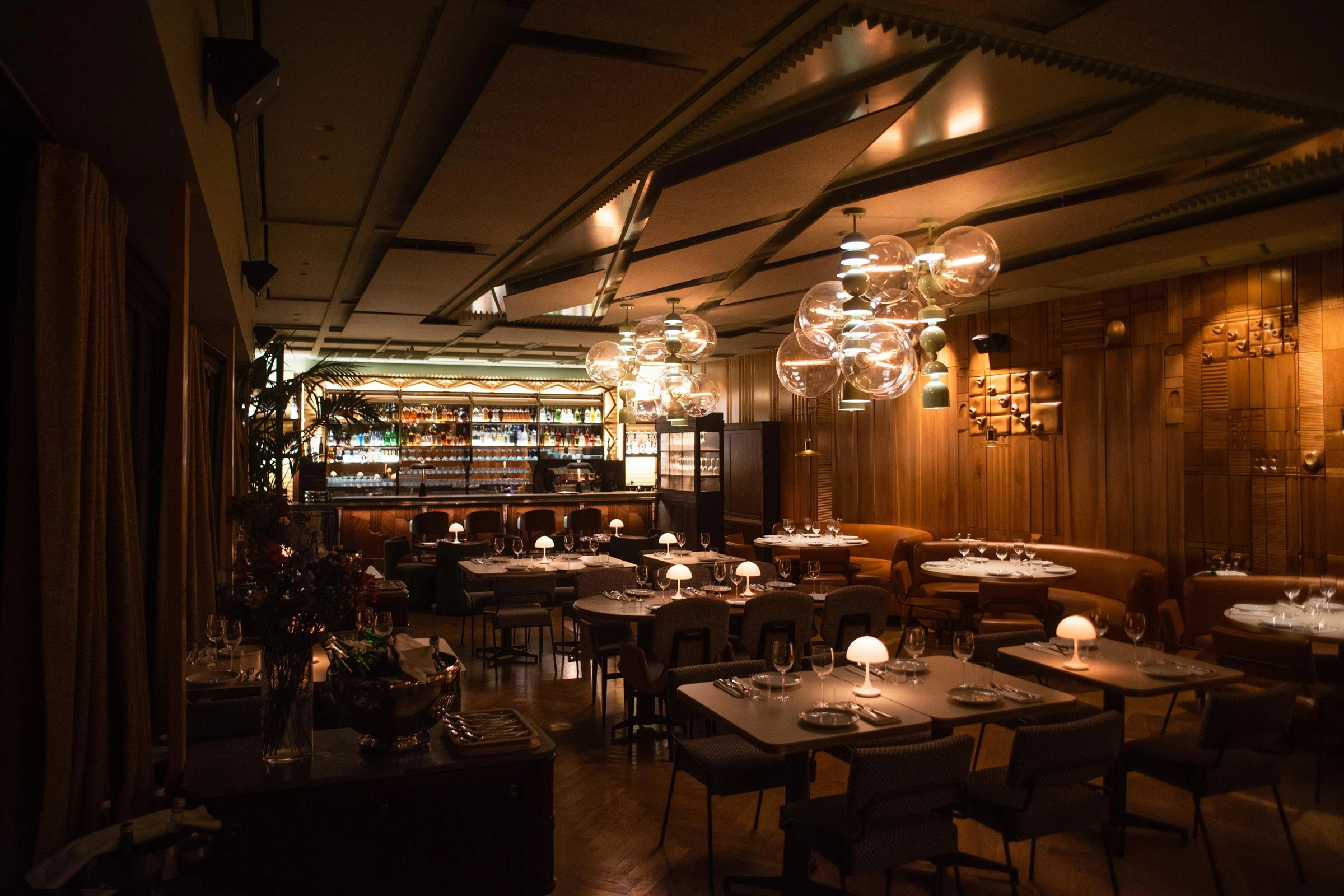
Arkestra
Istanbul, Turkey
★
Traditional Turkish Seafood Grill
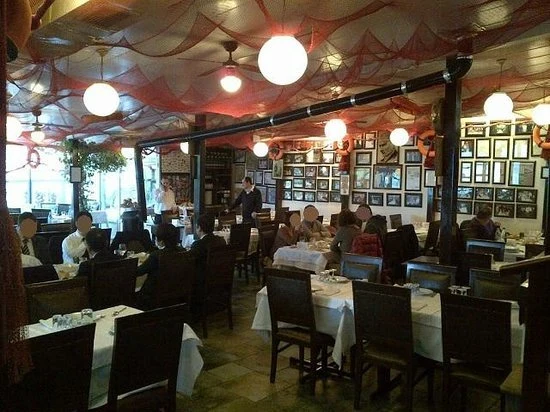
Balıkçı Kahraman
Istanbul, Turkey
Classic Turkish Seafood
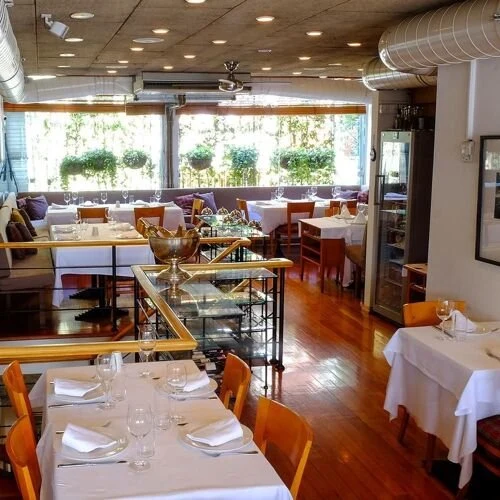
Kıyı
Istanbul, Turkey
New Anatolian Kitchen
Mikla
Istanbul, Turkey
★ · 50 Best
Modern Turkish Fine Dining
Neolokal
Istanbul, Turkey
★ · 50 Best
Modern Turkish Fine Dining
Turk Fatih Tutak
Istanbul, Turkey
★★ · 50 Best
The Sunday email
Read about the people behind restaurants like Pandeli in the Sunday email.
Every Sunday we send a lead story and up to four more about the chefs, winemakers, sommeliers and hoteliers behind the restaurants, bars, wineries and hotels we cover.
Recent stories
Free. One email a week, and you can unsubscribe from any issue.