Paolo Saracco
- 01CityCastiglione Tinella, Italy

- Falstaff Winery - Listed · 2026
Approaching Castiglione Tinella, the wine story is already visible: ridgelines, vineyard slopes, and the softer light of the Langhe hills. Moscato d’Asti can be misunderstood outside Piedmont, reduced to sweetness rather than read as a wine of place, timing, and balance. Paolo Saracco belongs to the more focused side of that tradition, where aromatic lift and low alcohol are central to the style, and where the point is not excess but precision, freshness, and clarity.
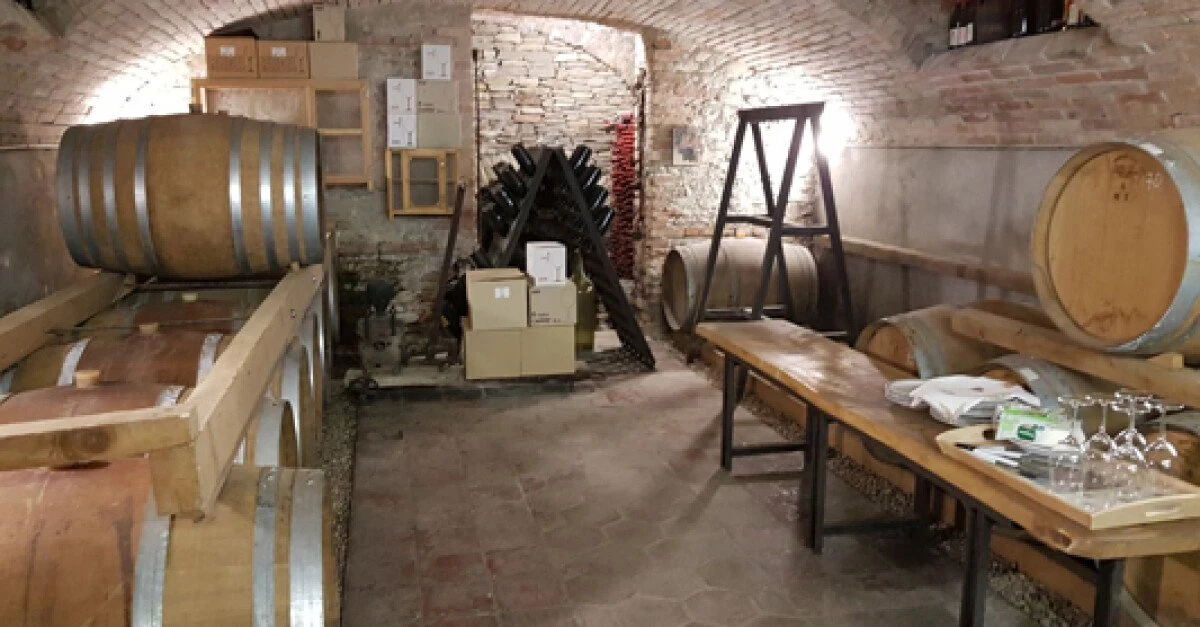
The estate’s identity is clear: a family-run Piedmont winery in the Langhe hills with a focus on Moscato d’Asti. Its character combines traditional vineyard work with modern winemaking, aiming for aromatic, balanced, low-alcohol sparkling wines that travel well beyond the local area. The setting is scenic, rustic, and classic rather than flashy, which matters because it keeps attention on the landscape and the wine rather than on spectacle.
Castiglione Tinella gives Moscato its serious frame
Moscato d’Asti works when perfume, sweetness, freshness, and lightness stay in balance. In Castiglione Tinella, Paolo Saracco presents that style through the lens of a hill-country Piedmont estate, where vineyard work and cellar precision both matter. The surrounding hills help make sense of the wine’s personality: bright, fragrant, and gentle in structure, yet still connected to a specific rural context.
The useful point for visitors is focus. Paolo Saracco is not best understood as a generic stop on a wine-country checklist, but as a producer associated with Moscato d’Asti and the aromatic, low-alcohol sparkling tradition of the Langhe. That makes it especially relevant for travelers who want to understand why this style has a distinct identity rather than treating it as simple sweet fizz. The appeal is in the details: the way aroma, sweetness, freshness, and sparkle need to sit together without any one element overwhelming the others.
The estate’s family-run character gives that position extra texture. Its appeal comes from continuity between place, vineyard work, and modern winemaking rather than from a showpiece format or a long list of extras. The wines are framed around balance, aromatics, and drinkability. For visitors, that makes the estate feel like part of a living local tradition, not just a polished destination placed in the countryside.
A focused cellar, not a showpiece portfolio
Central draw is Moscato d’Asti. The broader details of the cellar should not be overstated without confirmed information, but the identity of Paolo Saracco is firmly tied to aromatic, balanced, low-alcohol sparkling wine from a Piedmont estate in the Langhe hills. That clarity is part of the attraction: the estate is easiest to understand through its commitment to a style that depends on restraint, fragrance, and freshness.
That distinction is useful for travelers building a wine-country day around education rather than trophy hunting. Piedmont’s prestige conversation often leans toward powerful reds and long aging, but Moscato d’Asti belongs to a different rhythm: aromatic immediacy, freshness, and a lighter sparkling profile. Paolo Saracco is a strong reference point for that side of the region. It offers a way to see how Piedmont’s wine culture is not one-dimensional, and how delicacy can be as defining as structure.
The estate language around traditional vineyard work and modern winemaking points toward a careful balance between land and cellar. For Moscato d’Asti, the goal is not weight or grandeur, but fragrance, harmony, and a sparkling style that remains accessible while still feeling rooted in place. That balance is also why the wine can travel beyond the local area while still making the most sense when read against the hills, vineyards, and agricultural calm of Castiglione Tinella.
How to place it in a Castiglione Tinella itinerary
Visitors should think of Paolo Saracco as a scenic Langhe estate in Castiglione Tinella, well suited to travelers interested in Moscato d’Asti and the rural wine landscape around it. The mood is rustic and classic, with the focus on the estate’s identity rather than on invented service details. It fits best into an itinerary that values setting, regional context, and a clearer understanding of why Moscato d’Asti matters in this part of Piedmont.
For a fuller read on the area, pair this page with general Castiglione Tinella dining, hotels, bars, wineries, and experiences research. Keep Paolo Saracco at the center of the plan if the priority is Moscato d’Asti, family-run Piedmont wine culture, and a hill-country setting in the Langhe. In that role, it gives the visit a defined purpose: to see a classic local style through the estate most closely associated here with aromatic balance, low alcohol, and a sense of place.
Questions
Frequently asked
How expensive is Paolo Saracco?
Paolo Saracco is listed at a price level of $$$.
The field
How it compares
| Place | Notes |
|---|---|
| Paolo Saracco | Langhe / Moscato d'Asti area, $$$ |
| Ca' Richeta | Castiglione Tinella |
| Caudrina | Castiglione Tinella |
| Elio Perrone | Castiglione Tinella |
| Icardi | Castiglione Tinella |
| Matteo Soria | Castiglione Tinella |
| Simone Cerruti | Castiglione Tinella |