Pascal Cotat
- 01CitySancerre, France
- Falstaff Winery - Listed · 2026
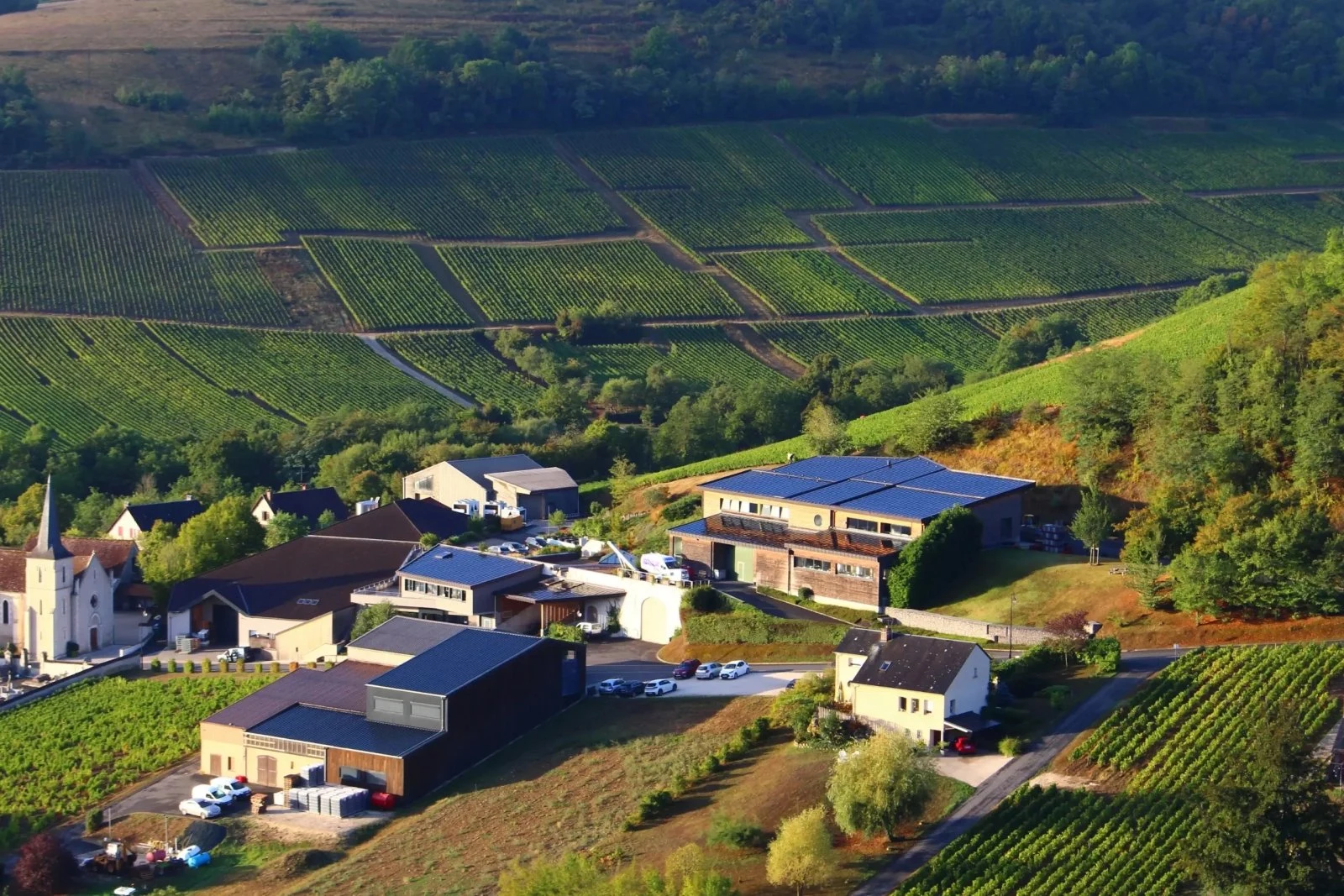
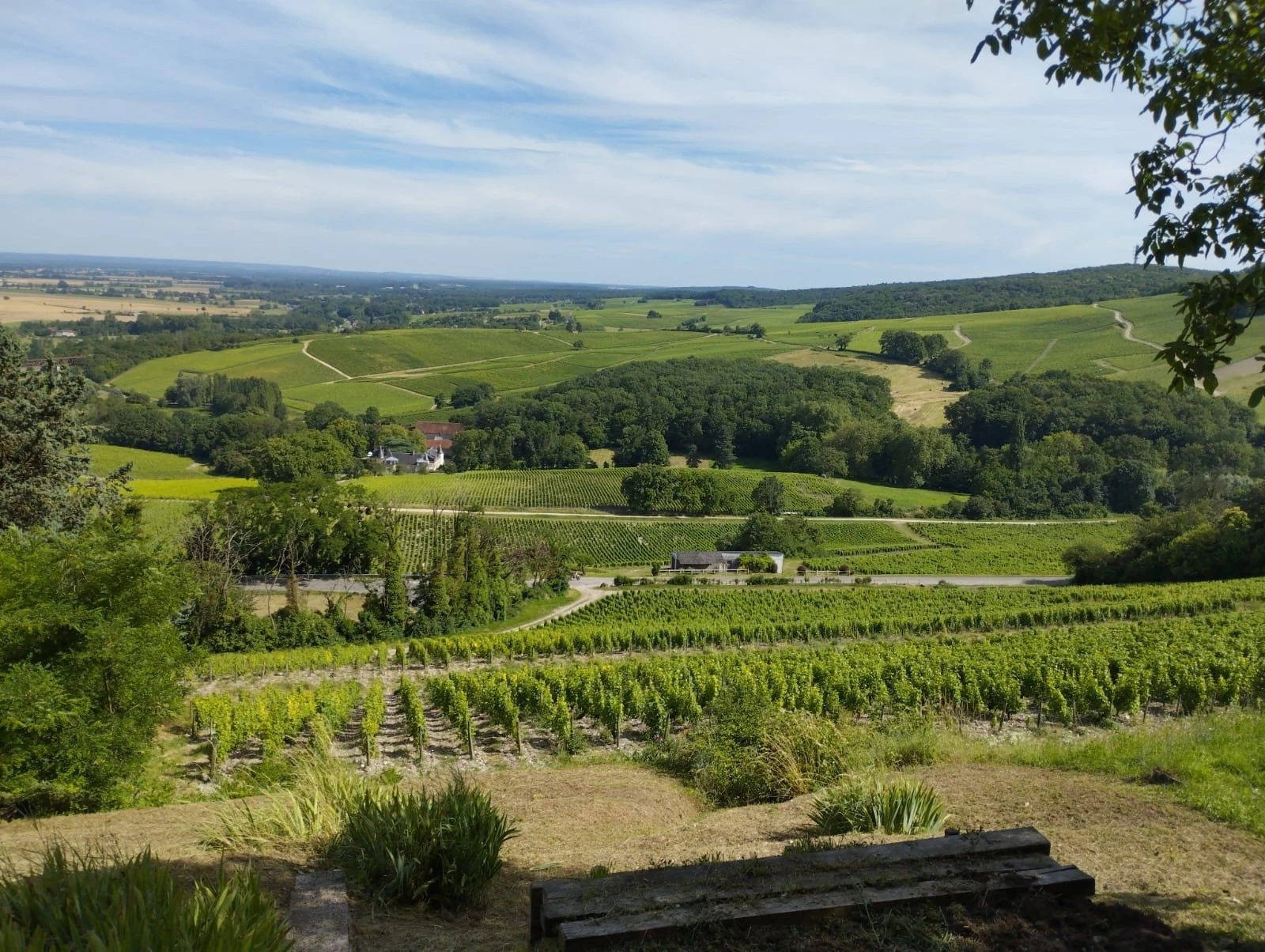
Approaching Sancerre through its vineyard roads, the drama is not architectural scale but slope, chalk, and exposure. The setting asks to be read through the land itself: the angle of the hillside, the pale mineral impression of the soils, and the way a small winegrowing address can feel deeply anchored without needing to announce itself loudly. Pascal Cotat is best understood as a small-scale winery rooted in a traditional, rustic atmosphere, with its identity tied to terroir-driven wines made for patience rather than quick spectacle.
The picture is intentionally narrow: Pascal Cotat is an intimate, quiet, iconic in Sancerre, associated with steep Chavignol slopes and chalky limestone-clay soils. That limited framing is useful, because it keeps the focus on what is known and central rather than stretching the venue into a broader story it has not been documented to support. Beyond that, specific claims about production history, named parcels, visitor format, grapes, cellar techniques, or personnel should be treated cautiously unless confirmed directly by the venue.
Chavignol slopes, chalky soils, and Sancerre with cellar weight
Sancerre is often discussed through freshness and immediacy, but Pascal Cotat’s appeal rests on a more patient idea of wine. The grounded draw is the relationship between steep Chavignol terrain, chalky limestone-clay soils, and long-aging, terroir-driven bottles. In this context, “terroir-driven” is not decorative language; it is the main reason to pay attention. The slopes and soils are not background scenery but the structure through which the wines are understood.
That makes the domaine more compelling for drinkers who care about place, texture, and time than for those looking for a broad, hospitality-led checklist. The emphasis is not on scale or polish; it is on a quiet winery atmosphere where the landscape and soils carry the story. The pleasure is slower and more focused, closer to listening carefully than collecting a set of tasting-room details. It suits a visitor or collector who is comfortable with restraint, and who sees Sancerre not only as a refreshing style but as a place capable of depth and development.
Because public details are limited, the safest way to approach Pascal Cotat is as a focused Sancerre reference rather than as a venue with a fully documented visitor program. Confirm any practical details directly before planning around a visit. That caution is not a drawback so much as part of the right expectation: this is not best framed as a guaranteed, all-purpose stop, but as a small, specific name whose significance is tied to land, reputation, and the promise of wines built for time.
A compact identity that rewards patience, not checklist tasting
Pascal Cotat’s identity is compact: traditional, small-scale, rustic, intimate, and strongly tied to terroir. That restraint is part of the appeal. There is no need to invent a broad portfolio, a formal tasting structure, or a detailed service model to explain why the name matters. In fact, adding too much would weaken the portrait. The venue’s strength lies in how little ornament it requires: Sancerre, Chavignol, chalky limestone-clay soils, and a patient understanding of wine are enough to establish the frame.
The price level is listed as $$$, placing it in a premium bracket without requiring unsupported claims about bottle prices, allocations, ratings, or awards. Its reputation is best framed through the essentials: Sancerre, Chavignol slopes, chalky limestone-clay soils, and wines intended for long aging. That premium positioning should be read less as a promise of luxury service and more as a signal of seriousness, scarcity of attention, and the kind of wine culture that values bottles over time rather than immediate convenience.
For readers comparing Sancerre options, Pascal Cotat should be treated as a quieter, more specific stop than a general visitor attraction. It is a venue for people drawn to terroir and cellar patience rather than to volume, amenities, or a highly produced hospitality experience. The right expectation is narrow, almost deliberately so: do not look for the widest overview of the region here, but for a concentrated expression of why certain Sancerre names carry weight among drinkers who prize origin, texture, and longevity.
How Pascal Cotat fits a Sancerre wine itinerary
Pascal Cotat fits best into a Sancerre itinerary built around landscape and wine character. Its appeal is narrow in the right way: iconic, intimate, rustic, and focused on the connection between steep Chavignol slopes, chalky limestone-clay soils, and long-aging wines. It belongs in a plan that leaves room to understand the vineyards and the rhythm of the area, rather than one that treats wineries as interchangeable stops. The surrounding idea is simple: in Sancerre, the land is not just pretty context, but the central argument.
For a fuller stay, pair Pascal Cotat with other dining and wine research in Sancerre generically, confirming current access, availability, and practical arrangements directly before making plans. The story is strong enough without adding unconfirmed addresses, formats, awards, or neighboring venue names. Kept within that careful frame, Pascal Cotat reads as one of those rare entries where restraint is more persuasive than embellishment: small-scale, traditional, quietly iconic, and meaningful because its identity remains so closely bound to slope, soil, and time.
Questions
Frequently asked
How expensive is Pascal Cotat?
Pascal Cotat is listed at a price level of $$$.
The field
How it compares
| Place | Notes | Awards |
|---|---|---|
| Pascal Cotat | Chavignol, $$$ | · |
| Caves des Vins de Sancerre | Sancerre | · |
| Château de Sancerre | Sancerre | · |
| Domaine Christian Salmon | Sancerre | · |
| Domaine Fouassier | Sancerre | · |
| Domaine Henri Bourgeois | Sancerre | World's 50 Best |
| Joseph Mellot | Sancerre | · |