Pertinence
In Residence
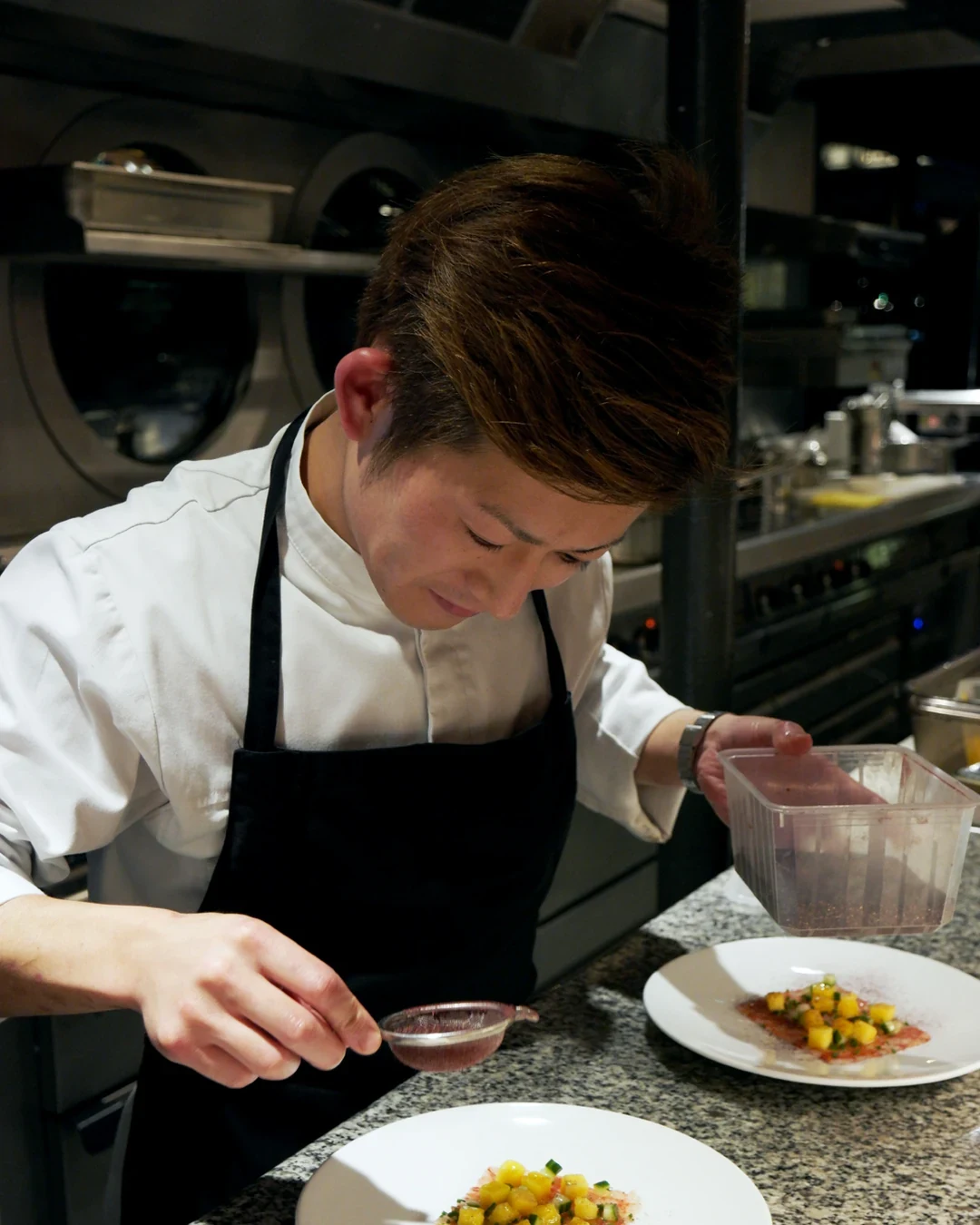
Ryunosuke Naito
Chef
- 01CuisineFrench-Japanese Fusion Fine Dining
- 02CityParis, France
- 03RecognitionOne Michelin Star
- 1 Michelin Star · Michelin Guide
- Michelin 1 Star · 2026
- Gault & Millau Remarkable Restaurant: 15.5pts · 2025
- Michelin 1 Star · 2025
- Opinionated About Dining Classical in Europe Ranked #199 · 2025
- Opinionated About Dining Classical in Europe Ranked #191 · 2024
- Michelin 1 Star · 2024
- Opinionated About Dining Classical in Europe Recommended · 2023
Where the 7th Arrondissement's Dining Tradition Meets Precision Cooking
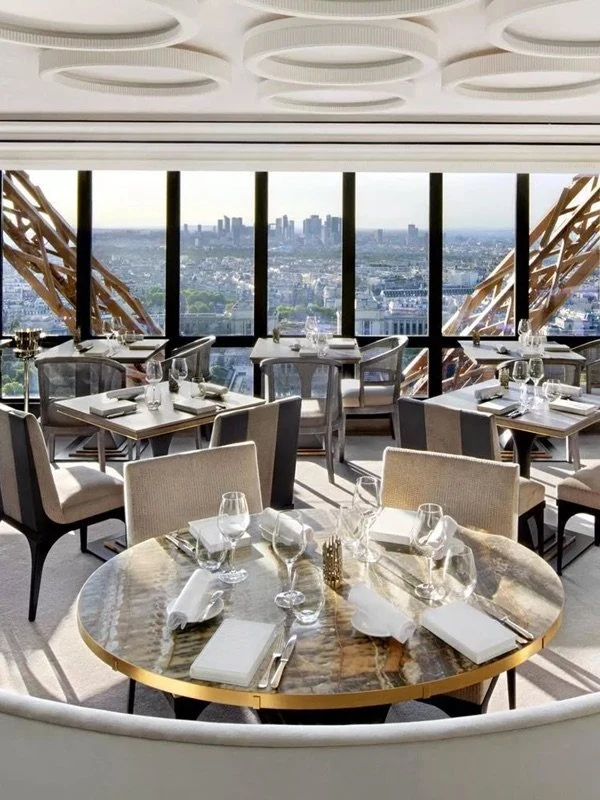
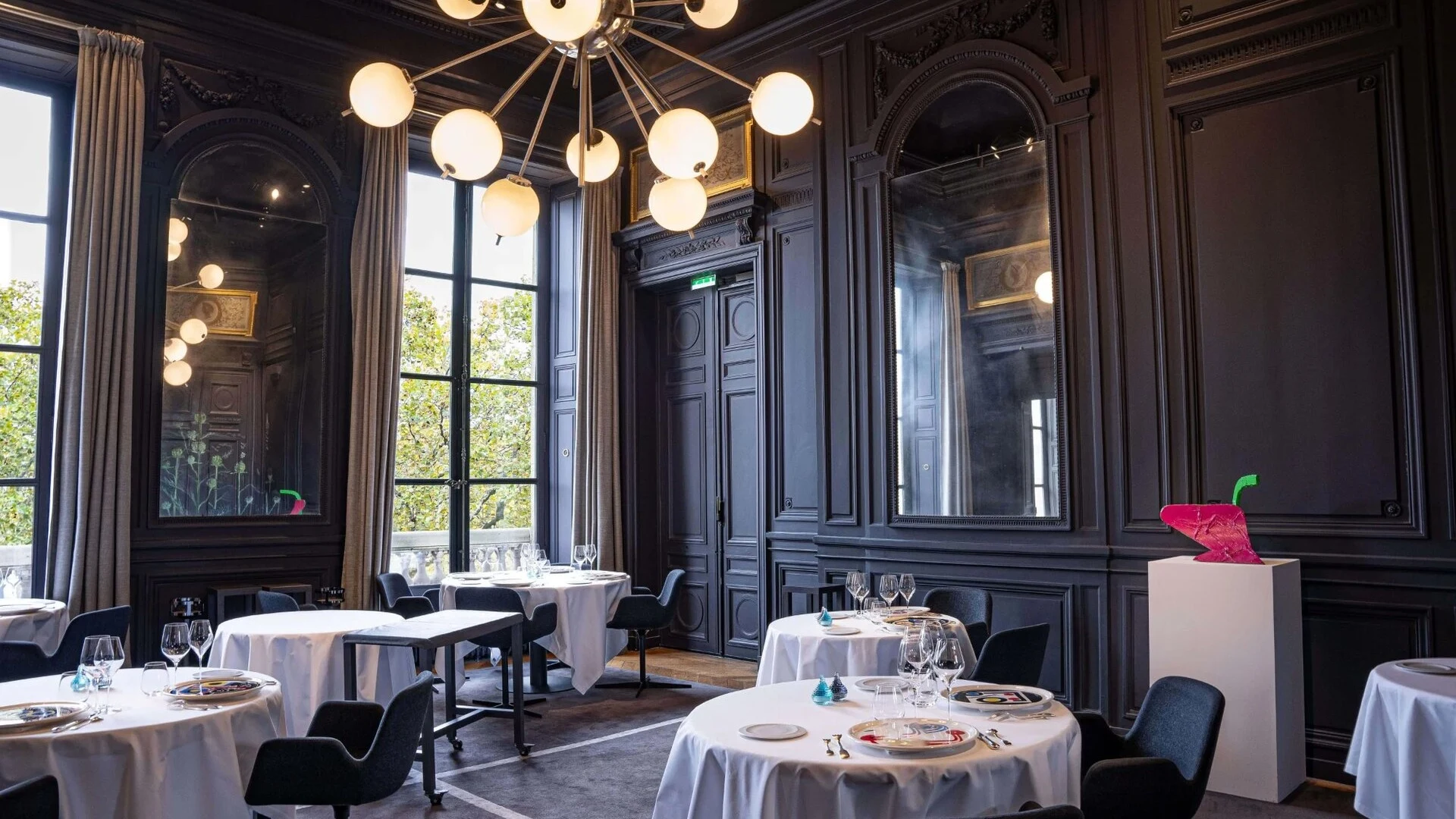
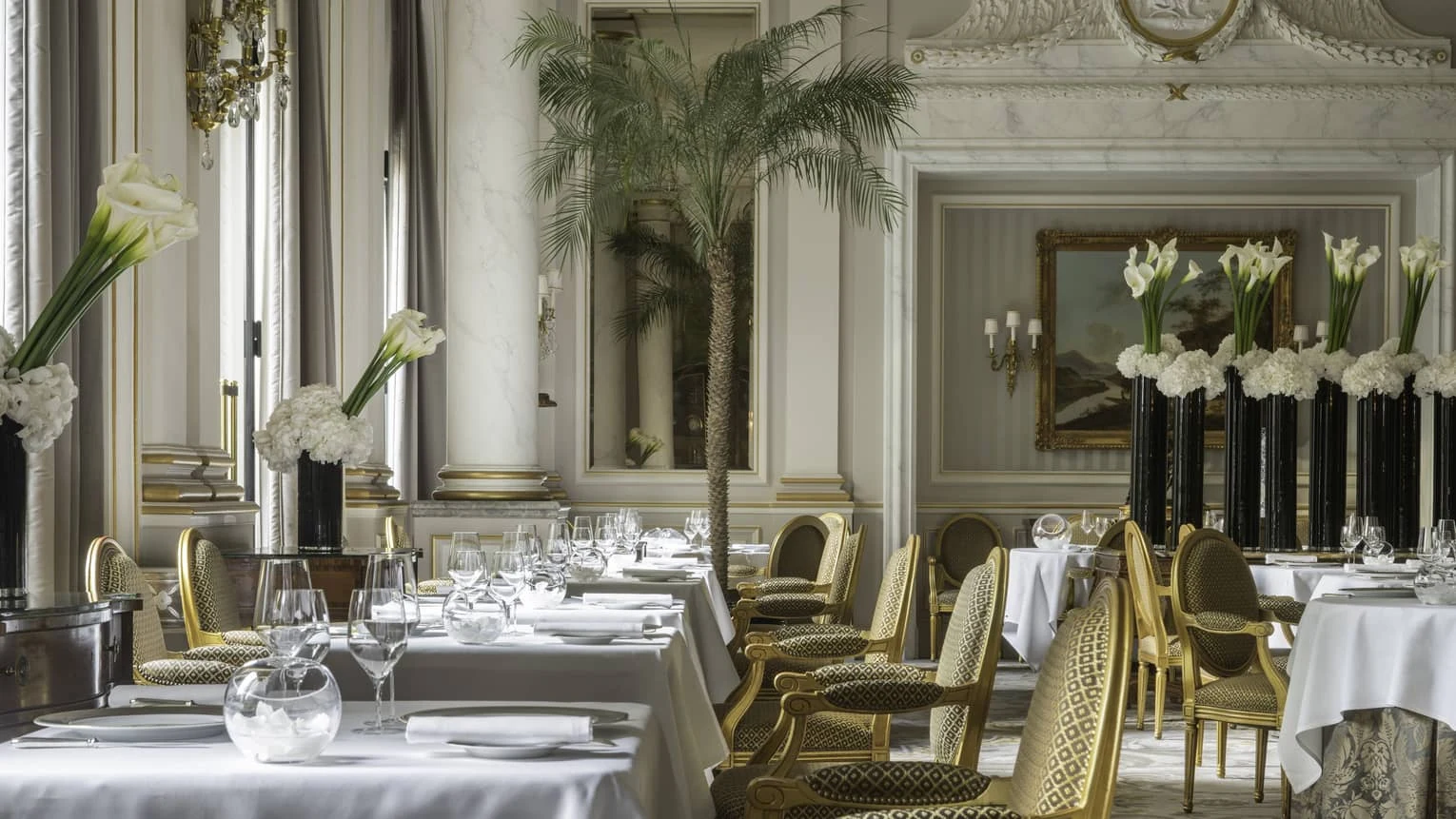
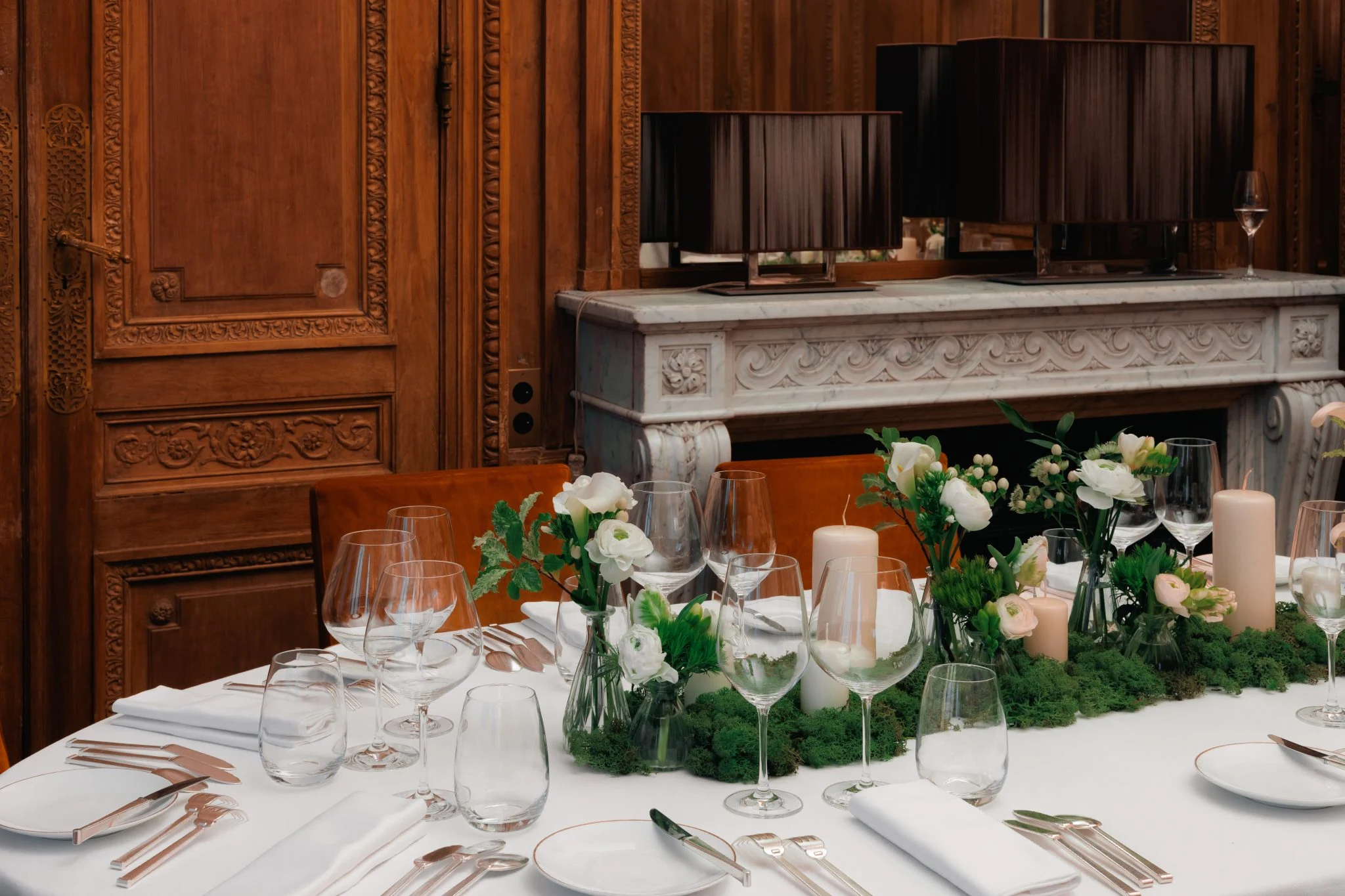
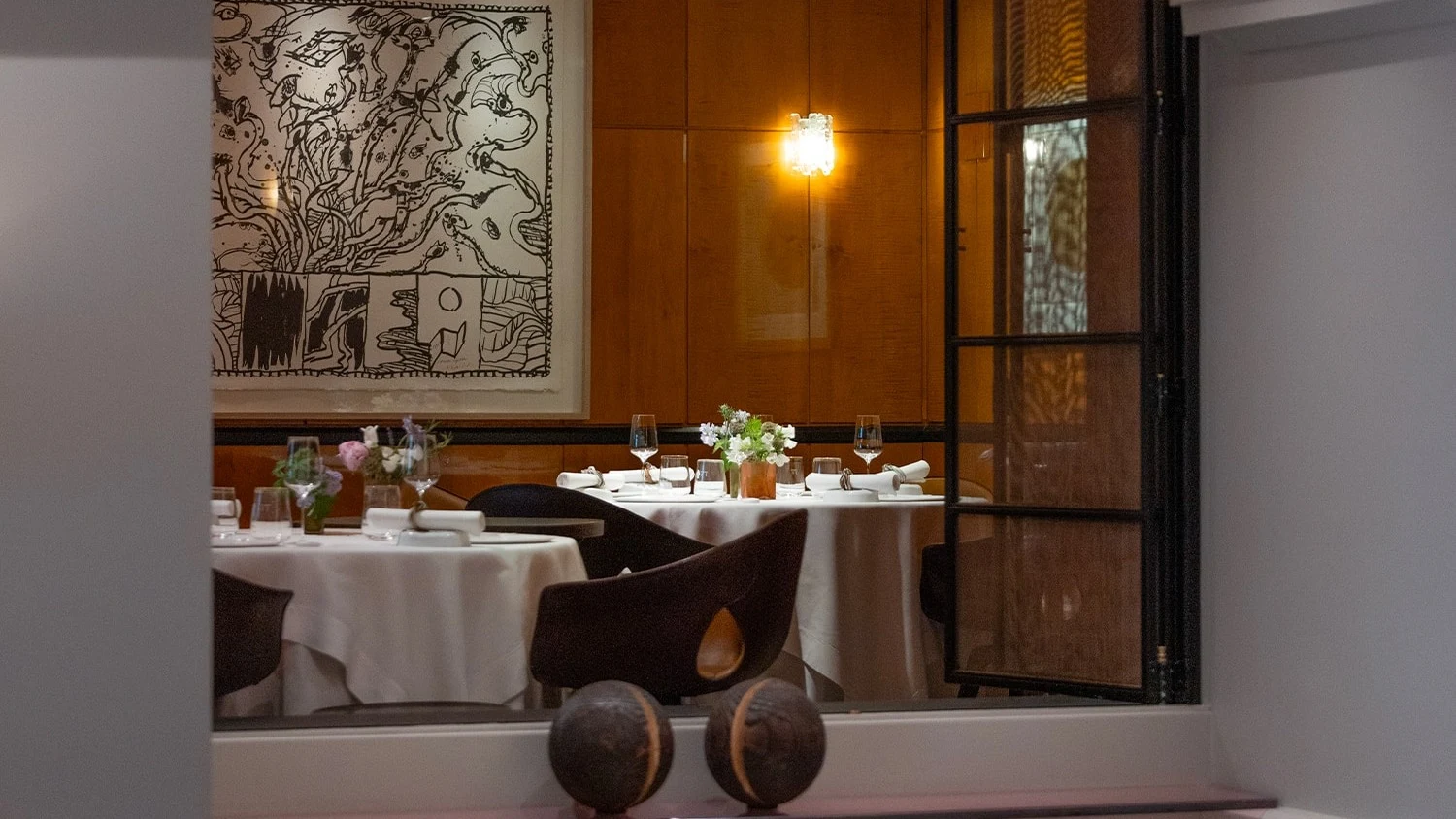
The 7th arrondissement has long been the quieter counterpoint to the gastronomic theatre of the 8th and 1st. While Le Cinq and Guy Savoy anchor Paris's grandest dining rooms, the streets around the Champ-de-Mars have historically housed a different register: smaller rooms, more focused menus, kitchens that communicate through the plate rather than the setting. Pertinence is a one-star French-Japanese fusion fine dining restaurant at 29 Rue de l'Exposition in Paris's 7th arrondissement.
The bistro as a Parisian institution carries specific obligations. It implies proximity, a certain directness between kitchen and guest, and a menu structure that resists the sprawl of tasting-menu maximalism. What the modern iteration of that format has produced, in a handful of addresses across the city, is something more technically rigorous than the bistro canon suggests but no less rooted in it. Pertinence occupies this territory with precision: a Michelin star, consecutive Opinionated About Dining Classical in Europe rankings at #191 in 2024 and #199 in 2025, and a Google score of 4.9 across 234 reviews that points to consistency rather than occasional brilliance.
The Sunday letter
Find new places through the people who run them.
Our Sunday email brings you the chefs, winemakers and hoteliers behind our newest stories. See a sample before you subscribe.
See a sample of the Sunday emailOne email a week. Unsubscribe from any issue.
Chef Ryunosuke Naito and the Franco-Japanese Current in Paris
Paris has accumulated a notable cohort of Japanese-born chefs working inside the classical French tradition, and the results have consistently drawn serious critical attention. La Scène and L'Orangerie represent different positions within that broader story. The Franco-Japanese approach tends to bring a particular economy to French technique: less reduction for its own sake, sharper attention to textural contrast, and a discipline around seasoning that the classical French canon sometimes trades for richness.
Chef Ryunosuke Naito at Pertinence sits inside this current. The OAD Classical in Europe category is a meaningful signal here: it identifies kitchens that work within established French traditions rather than departing from them, which suggests the cooking at Pertinence is grounded in classicism even as it draws on a cross-cultural sensibility.
What the Format Tells You
In Paris, the structure of service hours often communicates more about a kitchen's ambitions than any other single factor. Pertinence operates Tuesday through Saturday, with lunch seatings at 12:15 and dinner at 19:30. The narrow entry windows, each running a compressed fifteen-to-thirty minutes for arrivals, are characteristic of a tasting-menu format where the kitchen controls pacing from the first course. Monday and Sunday are closed entirely.
This is not a restaurant you walk into on impulse. It requires planning, which is itself a signal about the tier it operates in. Among Paris's €€€€ modern French addresses, the comparable set includes Alléno Paris au Pavillon Ledoyen, Kei, Plénitude, and L'Ambroisie.
Across France more broadly, the critical conversation around modern French cooking tracks through addresses such as Flocons de Sel in Megève, Mirazur in Menton, and the foundational legacy work at Troisgros, Paul Bocuse, Bras, and Auberge de l'Ill. Within Paris itself, the Franco-Japanese strand finds other expressions, including Hélène Darroze at The Connaught, whose work straddles the French-international divide, and regional Alsatian cooking as practised at La Fourchette des Ducs in Obernai. Pertinence fits within a France-wide moment of chefs who have absorbed classical training and are now asking what fidelity to that tradition actually requires.
The Bistro Tradition, Revisited
The word bistro has been stretched to cover an enormous range of Parisian establishments, from neighbourhood zinc counters serving steak-frites to rooms with serious wine lists and cooking that would have qualified as haute cuisine two generations ago. The common thread, historically, was scale and directness: a small room, a kitchen in close conversation with the dining room, and a menu that committed to something specific rather than trying to satisfy every appetite.
What the current generation of starred small restaurants in Paris has done is essentially reclaim that directness while adding technical ambition. The bistro format, at its finest, creates the conditions for cooking that is personal rather than institutional. A kitchen working at Pertinence's scale, with its controlled seating windows and tight operating week, can calibrate each service in a way that larger, higher-volume rooms cannot. The Michelin star and OAD recognition function as external validation of what that format, executed with discipline, can produce.
The comparison with larger Paris institutions is instructive. Tour d'Argent and the multi-Michelin grands maisons carry the weight of their own history in every service; the cooking must negotiate with the room's expectations as much as with the ingredients. A quieter address in the 7th operates without that gravity, which is both a freedom and a different kind of pressure. The cooking has to justify itself entirely on its own terms.
Planning Your Visit
Pertinence sits at 29 Rue de l'Exposition in the 7th arrondissement, within walking distance of the Champ-de-Mars and the Eiffel Tower. The operating week runs Tuesday through Saturday. Lunch service accepts arrivals from 12:15; dinner from 19:30. The narrow arrival windows strongly suggest advance reservations are the only reliable path to a table, and the combination of a Michelin star and strong OAD ranking means lead times at the €€€€ price point should be treated as meaningful. Book early.
The price range places Pertinence in the upper tier of Paris dining, consistent with a tasting-menu format and starred kitchen. For further orientation around Paris dining at this level,
Questions
Frequently asked
What recognition does Pertinence hold?
Pertinence holds 1 Michelin star.
Who works at Pertinence?
Made By profiles Ryunosuke Naito (Chef) at Pertinence.
How expensive is Pertinence?
Pertinence is listed at a price level of $$$$.
Where is Pertinence and what does it serve?
Pertinence is in Gros-Caillou, Paris, serving French-Japanese Fusion Fine Dining.
The field
How it compares
| Place | Awards | Cuisine | Notes |
|---|---|---|---|
| Pertinence | Michelin 1 Star | French-Japanese Fusion Fine Dining | Gros-Caillou, $$$$ |
| Arpège | Michelin 3 Stars, World's 50 Best | Vegetable-Focused French Fine Dining | Paris |
| Epicure | Michelin 3 Stars | Contemporary French Fine Dining | Paris |
| Guy Savoy | Michelin 2 Stars, World's 50 Best | Classic French Fine Dining | Paris |
| Le Cinq | Michelin 3 Stars, World's 50 Best | Modern French Fine Dining | Paris |
| Le Taillevent | Michelin 2 Stars, World's 50 Best | Classic and Modern French Fine Dining | Paris |
| Pierre Gagnaire | Michelin 3 Stars, World's 50 Best | Avant-Garde French Fine Dining | Paris |
In residence
Similar places
Vegetable-Focused French Fine Dining
Arpège
Paris, France
★★★ · 50 Best
Contemporary French Fine Dining
Epicure
Paris, France
★★★
Classic French Fine Dining
Guy Savoy
Paris, France
★★ · 50 Best
Modern French Fine Dining
Le Cinq
Paris, France
★★★ · 50 Best
Classic and Modern French Fine Dining
Le Taillevent
Paris, France
★★ · 50 Best
Avant-Garde French Fine Dining
Pierre Gagnaire
Paris, France
★★★ · 50 Best
The Sunday letter
Get the next Made By story in your inbox.
We send one email every Sunday morning with the places and people we covered that week.
See a sample of the Sunday emailOne email a week. Unsubscribe from any issue.