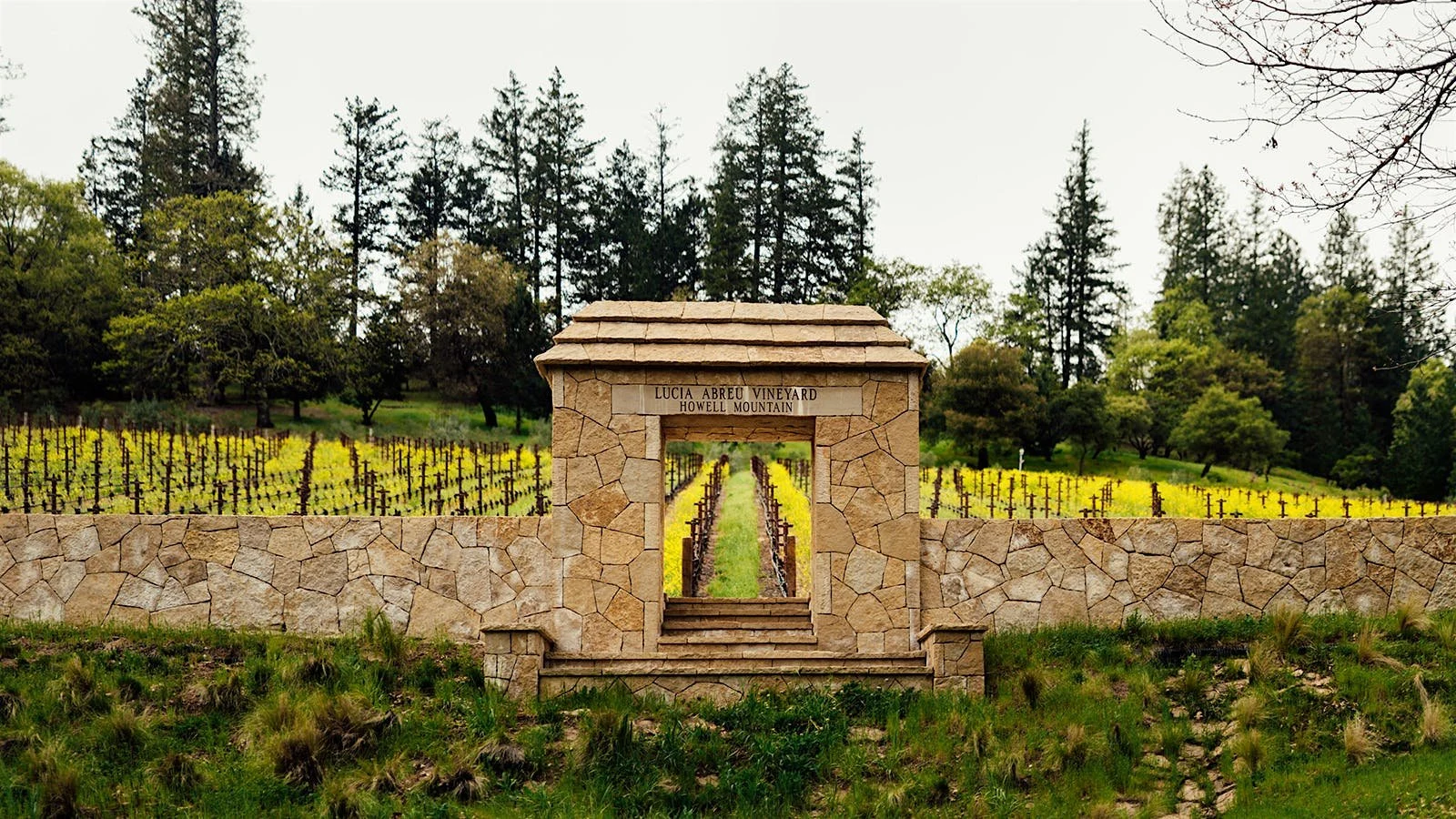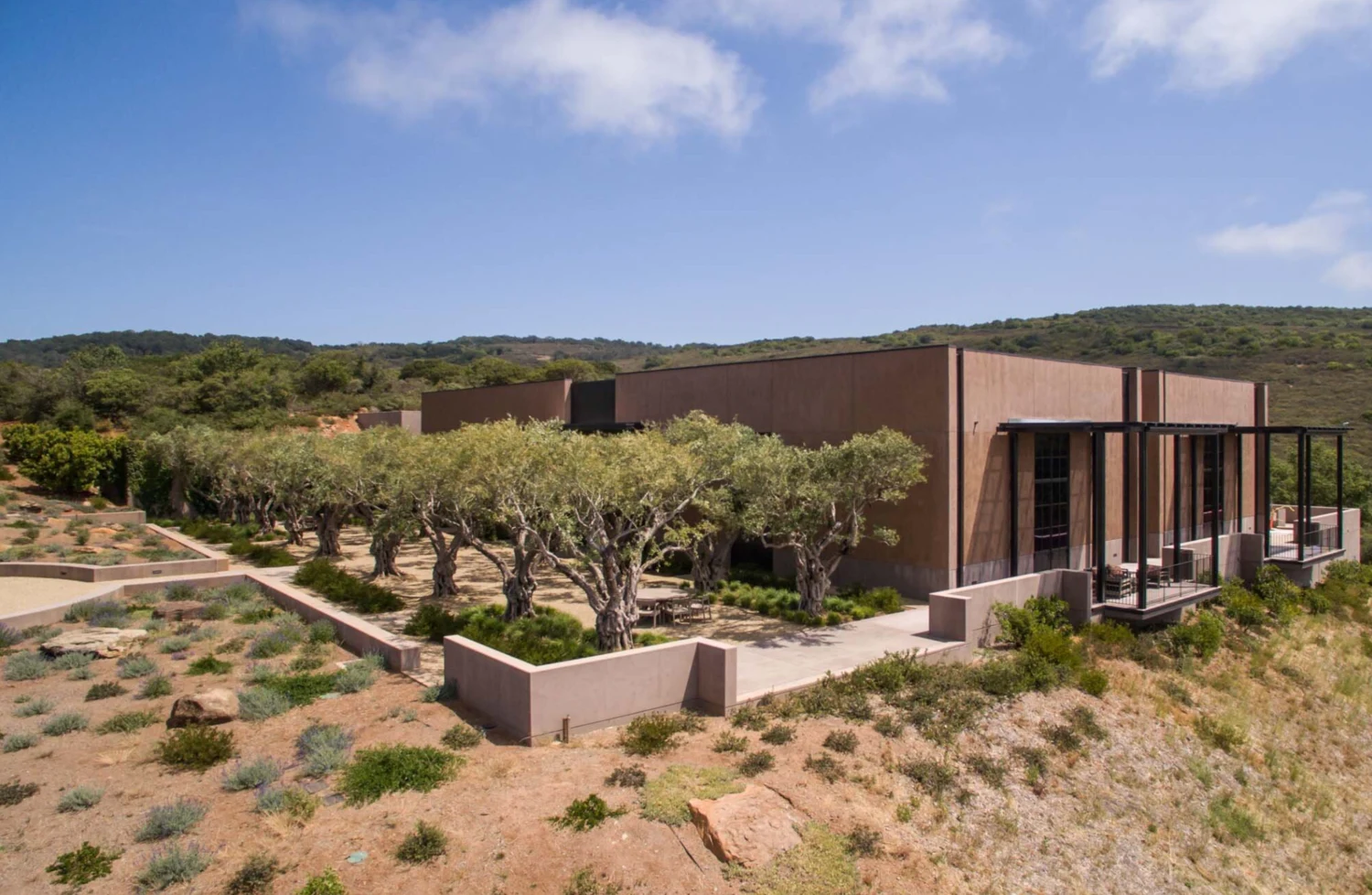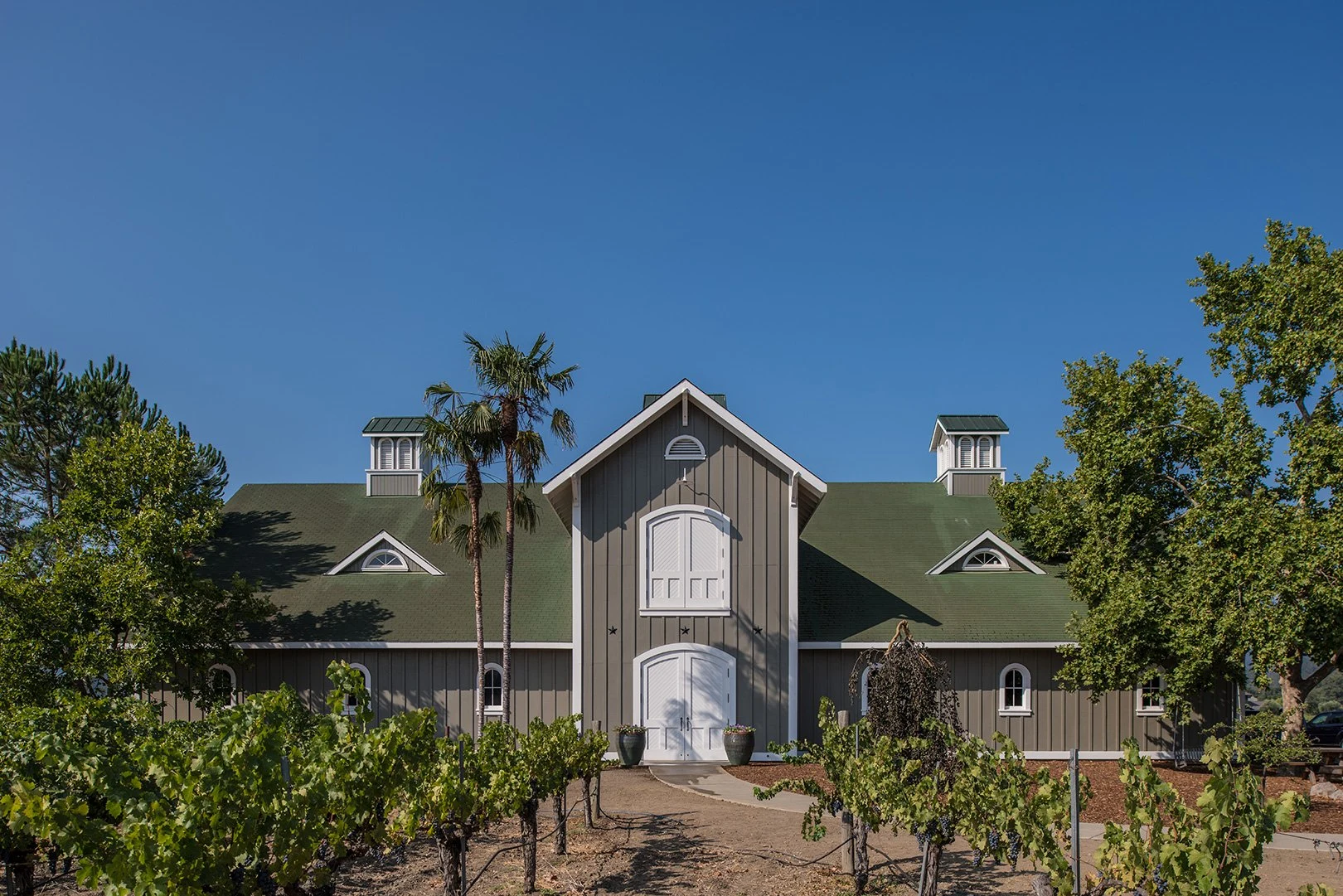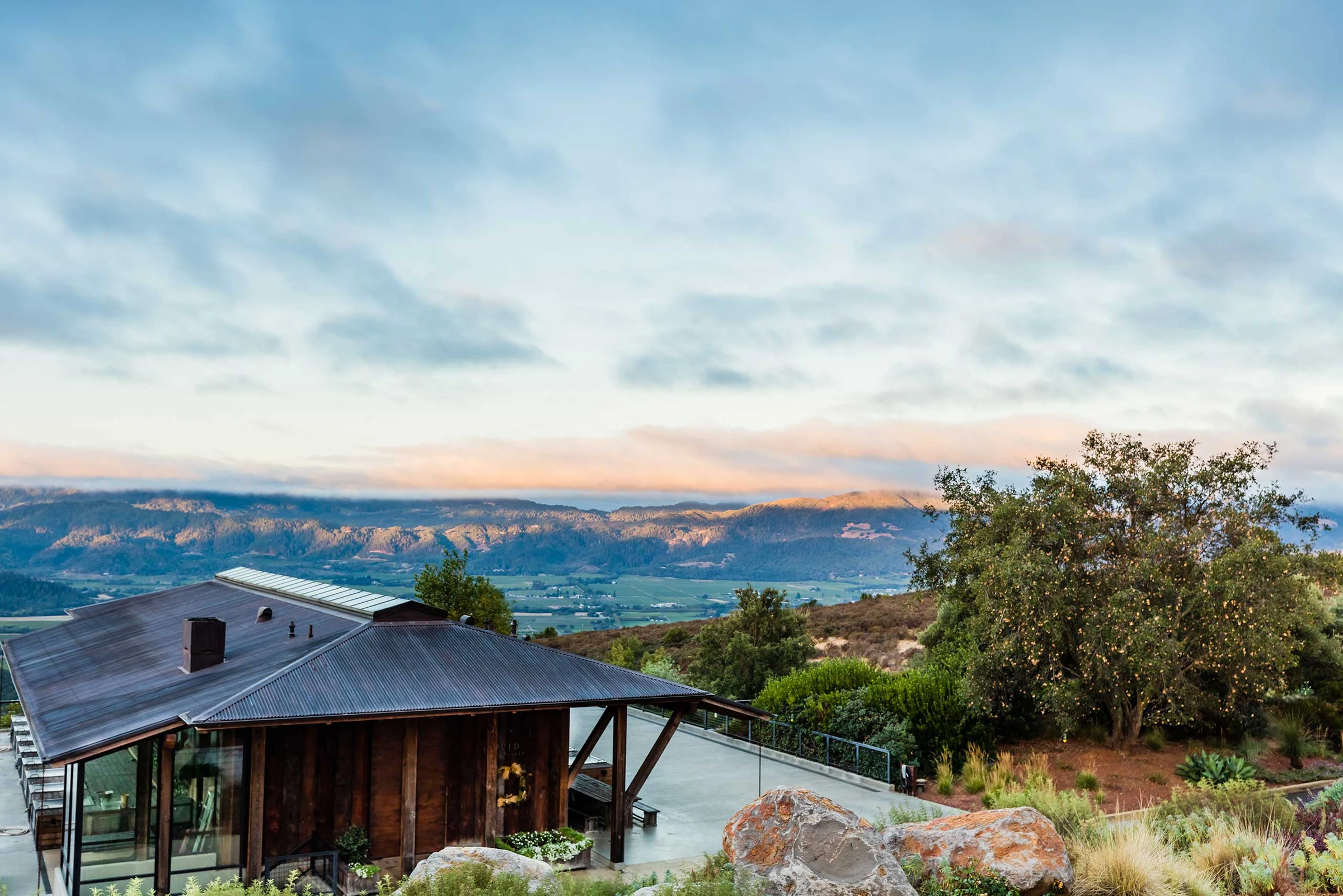

Philip Togni Vineyard occupies a rare position among Spring Mountain's elevation-driven Cabernet houses, holding a Pearl 2 Star Prestige rating from EP Club in 2025. Sited at 3780 Spring Mountain Road in St. Helena, the estate represents the kind of small-production, mountain-farmed winemaking that Napa's serious collectors have long tracked at allocation level. It belongs to a comparable set defined by site specificity, low yields, and long cellar expectations rather than visitor volume.
<h2>Spring Mountain and the Case for Elevation</h2><p>Napa Valley's floor-level reputation is built on warm, well-drained benchland and a recognizable commodity style: ripe, structured Cabernet Sauvignon priced into a global collector market. But the valley's mountain appellations operate on a different logic. Spring Mountain District, running west of St. Helena along a ridge that climbs above the fog line, produces Cabernets with cooler diurnal swings, thinner volcanic soils, and tannin profiles that read differently in the glass from their valley-floor counterparts. Philip Togni Vineyard, at 3780 Spring Mountain Road, sits inside that elevation-driven tradition and was awarded Pearl 2 Star Prestige by EP Club in 2025.</p><p>The distinction between Spring Mountain and the valley floor is not purely stylistic preference. It reflects measurable growing conditions: the mountain blocks receive less heat accumulation, yields per acre run lower, and the soils shift from deep alluvial deposits to fractured volcanic and sedimentary rock. Wines from this zone typically carry more structural tension at release and often benefit from longer cellaring windows than their Oakville or Rutherford counterparts. Philip Togni Vineyard has operated within that framework across multiple decades.</p><h2>Where Philip Togni Sits in the St. Helena comparable set</h2><p>St. Helena concentrates a disproportionate share of Napa's prestige wineries, and the competition for collector attention is real. On the valley floor, estates like <a href="https://www.enprimeurclub.com/wineries/dana-estates-st-helena-winery">Dana Estates</a> and <a href="https://www.enprimeurclub.com/wineries/chappellet-winery-st-helena-winery">Chappellet Winery</a> anchor different points on the quality and style spectrum. Chappellet, also a mountain-sited property with deep Napa roots, provides the clearest historical parallel in terms of elevation farming and generational continuity. Meanwhile, newer allocation-model houses such as <a href="https://www.enprimeurclub.com/wineries/accendo-cellars">Accendo Cellars</a> and <a href="https://www.enprimeurclub.com/wineries/brand-napa-valley">Brand Napa Valley</a> have built followings through small-production, site-specific Cabernet programs that appeal to the same collector segment Philip Togni addresses.</p><p>The older reference point in the valley is <a href="https://www.enprimeurclub.com/wineries/charles-krug">Charles Krug</a>, Napa's oldest operating winery and a marker of how the region's identity has evolved over more than 150 years. Philip Togni Vineyard occupies a different tier within that historical arc: a property that came of age during Napa's post-Judgment-of-Paris expansion and established a reputation for age-worthy Cabernet that has outlasted many of its contemporaries. Its Pearl 2 Star Prestige recognition from EP Club in 2025 reflects that endurance rather than a recent critical discovery.</p><h2>The Mountain Farming Argument</h2><p>Across California's premium wine regions, the argument for mountain-farmed fruit has intensified as valley-floor land costs and yields push producers toward consistency over character. On Spring Mountain, the tradeoffs are explicit: lower tonnage per acre, more physical difficulty in farming steep terrain, and wines that can be austere and closed in youth. That last quality is a feature, not a defect, for a collector market willing to hold bottles for five to fifteen years post-vintage. The same calculation runs through estate programs at comparable California mountain addresses, from the Santa Cruz Mountains to the ridge vineyards above Sonoma Valley.</p><p>Philip Togni Vineyard's positioning within this argument is established by decades of production rather than recent repositioning. For collectors building cellars around Napa's mountain Cabernet tier, it sits alongside properties like <a href="https://www.enprimeurclub.com/wineries/artesa-vineyards-and-winery">Artesa Vineyards and Winery</a> and <a href="https://www.enprimeurclub.com/wineries/alpha-omega-winery-rutherford-winery">Alpha Omega Winery</a>.</p><h2>Napa in a National Context</h2><p>Spring Mountain Cabernet doesn't exist in isolation from California's wider premium wine map. Producers in other regions have built comparable reputations for site-specific, low-intervention farming that prioritizes longevity over approachability. <a href="https://www.enprimeurclub.com/wineries/adelaida-vineyards">Adelaida Vineyards in Paso Robles</a> works limestone-rich soils in the Adelaida District with a similar commitment to site expression over stylistic conformity. On the Central Coast, <a href="https://www.enprimeurclub.com/wineries/alban-vineyards">Alban Vineyards in Arroyo Grande</a> established the case for Rhône varieties farmed at elevation with minimal intervention, and <a href="https://www.enprimeurclub.com/wineries/andrew-murray-vineyards">Andrew Murray Vineyards in Los Olivos</a> has built a following around a similar ethos in Santa Barbara County.</p><p>Further north, Oregon's <a href="https://www.enprimeurclub.com/wineries/adelsheim-vineyard-newberg-winery">Adelsheim Vineyard in Newberg</a> represents the Willamette Valley's generational estate model, where longevity and site commitment carry weight similar to what Philip Togni Vineyard represents on Spring Mountain. In California's Central Coast, <a href="https://www.enprimeurclub.com/wineries/alexander-valley-vineyards-geyserville-winery">Alexander Valley Vineyards in Geyserville</a> offers another comparison point for family-held estates with multi-decade track records. These parallels are useful because they frame how collectors approach Spring Mountain: not as a curiosity within Napa, but as part of a broader California tradition of mountain and site-specific farming that operates outside the valley-floor consensus.</p><h2>Planning a Visit to Spring Mountain</h2><p>Spring Mountain Road runs west from St. Helena and climbs steadily through residential and vineyard land before reaching the higher elevation estates. The road is narrow in sections and the addresses are spread across several miles of ridge terrain, so visits to this part of Napa require more planning than a simple valley-floor drive. Philip Togni Vineyard sits at 3780 Spring Mountain Road, and given the estate's small-production, allocation-oriented model, visits are typically by appointment rather than walk-in. Collectors and serious buyers should contact the estate directly to confirm current availability and visit formats, as policies at allocation-level wineries in this tier differ significantly from the tasting-room-forward approach of larger Napa operations.</p><p>For a broader view of St. Helena's dining, drinking, and hospitality options beyond the mountain producers, see St. Helena's dining and hospitality options across price tiers and formats. St. Helena itself is compact and walkable, with a concentration of wine-focused restaurants within a short distance of the main corridor.</p><h2>What the 2 Star Prestige Rating Signals</h2><p>EP Club's Pearl 2 Star Prestige designation, awarded in 2025, places Philip Togni Vineyard within a tier that recognizes sustained performance rather than a single outstanding vintage or recent surge. Within Napa's Spring Mountain District, that kind of consistent recognition matters more than it might in younger or more fashionable wine regions, because the comparable set here is built on estates with long track records. The rating positions Philip Togni alongside the upper tier of California's small-production, site-specific Cabernet producers: not the entry-level Napa market, and not the trophy-wine bracket defined purely by price and scarcity, but the serious middle ground where quality credentials and cellar-worthiness are the primary selection criteria for collectors.</p><p>For those tracking California's mountain Cabernet tier across multiple regions, Philip Togni Vineyard remains one of the clearest reference points for what Spring Mountain can produce when farming precision and site specificity are the organizing principles rather than volume or approachable-on-release style.</p>
Philip Togni Vineyard has received recognition including: Pearl 2 Star Prestige (2025).
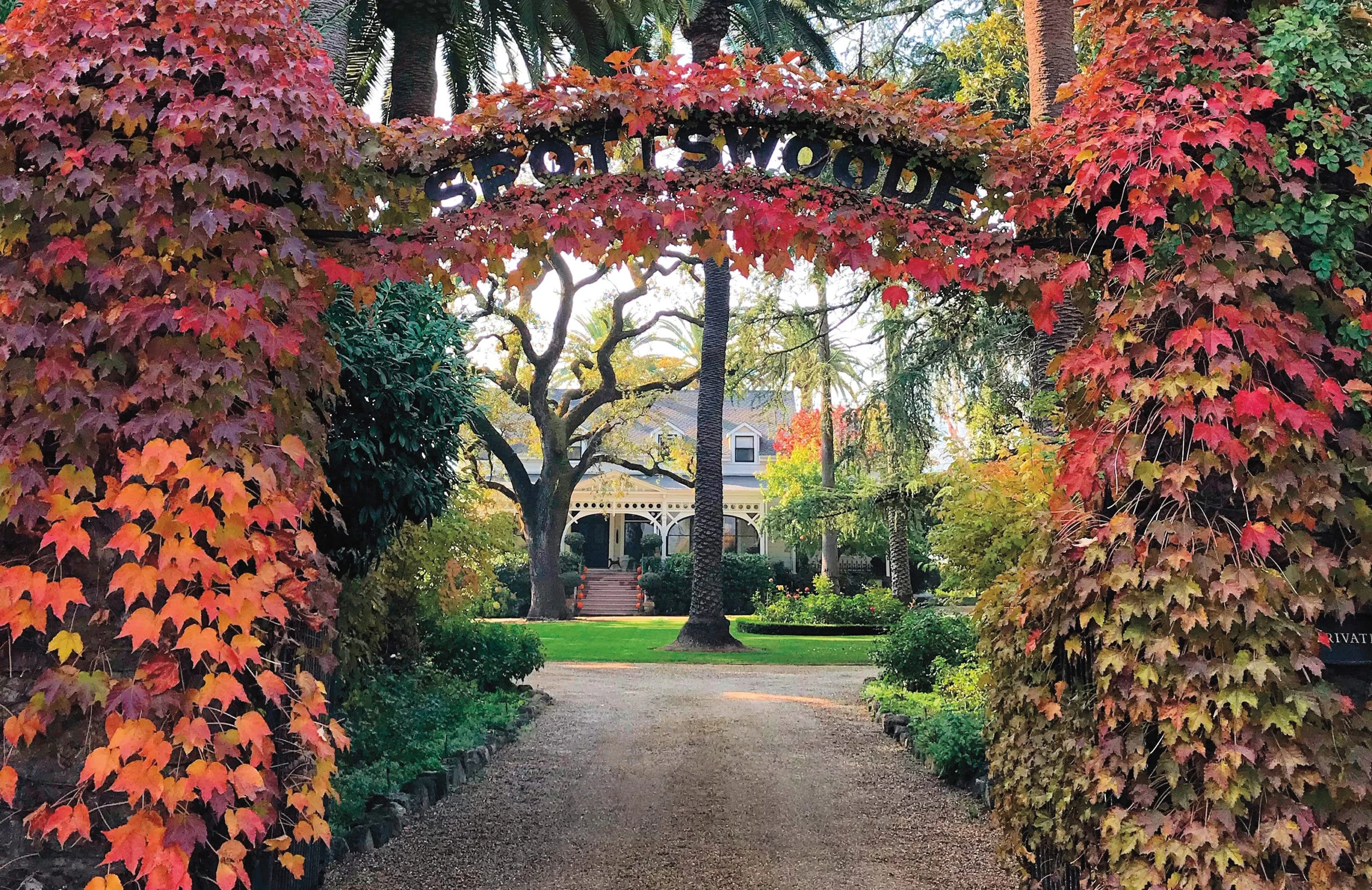
Philip Togni Vineyard is located at 3780 Spring Mountain Rd, St Helena, CA 94574, St. Helena.
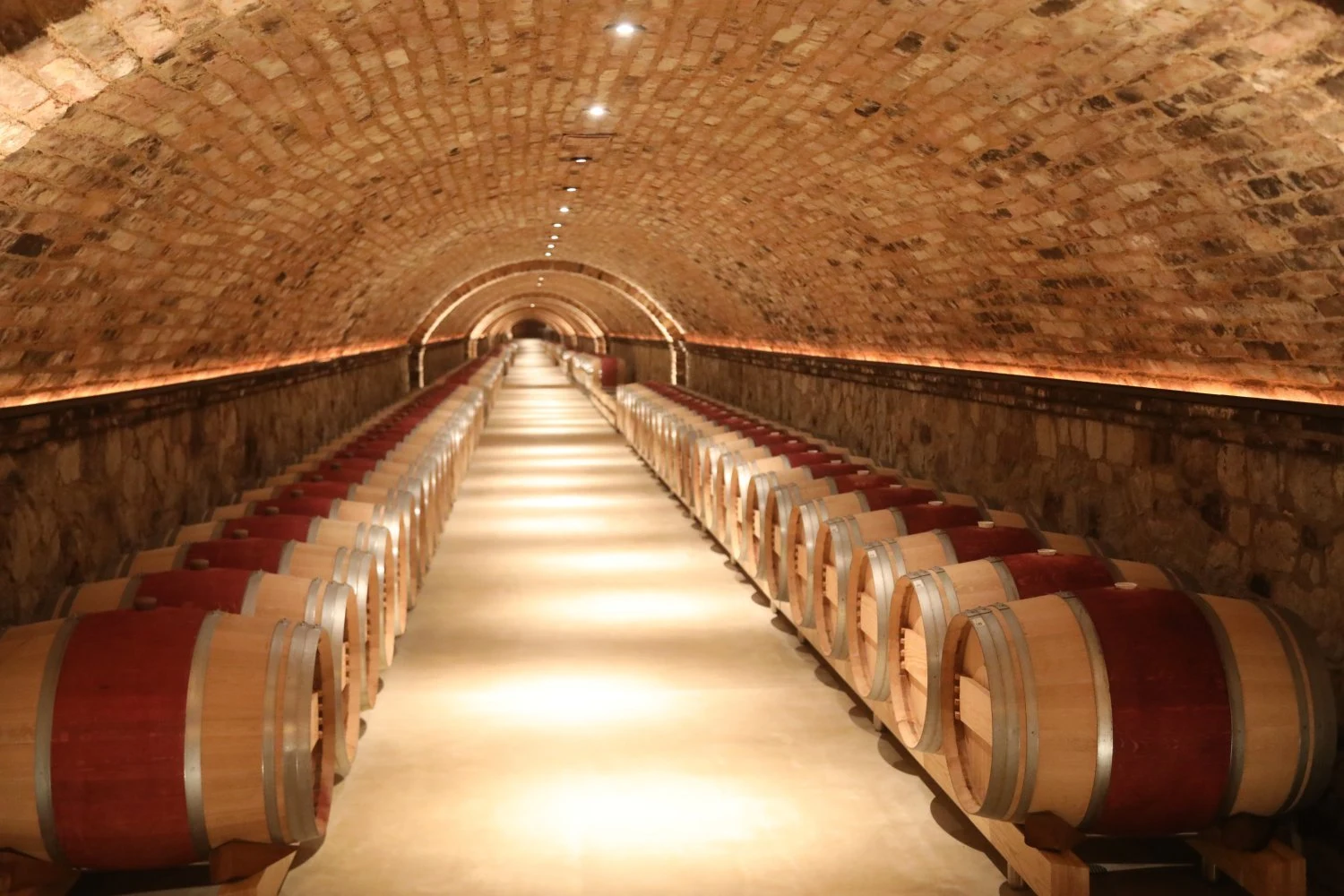
The core production is Cabernet Sauvignon from the Spring Mountain estate block, farmed at elevation above St. Helena on Spring Mountain Road. The wine reflects the cooler temperatures and volcanic soils of the Spring Mountain District, which tend to produce tighter structure and longer aging potential than Napa floor-level fruit. EP Club awarded the vineyard Pearl 2 Star Prestige in 2025, placing it within Napa's top tier of sustained-performance producers.
Philip Togni Vineyard is known for small-production, mountain-farmed Cabernet Sauvignon from the Spring Mountain District, sourced from the estate at 3780 Spring Mountain Road above St. Helena. The winery operates outside the high-volume commercial model that defines much of Napa Valley, with output that reaches collectors rather than retail shelves. Its EP Club Pearl 2 Star Prestige designation (2025) recognizes consistent quality across multiple vintages rather than a single breakout release.
3780 Spring Mountain Rd, St Helena, CA 94574
Spring Mountain District
Anderson's Conn Valley Vineyards