Philipp Reiß Wein
- 01CityBaden-Baden, Germany
- Falstaff Winery - Listed · 2026
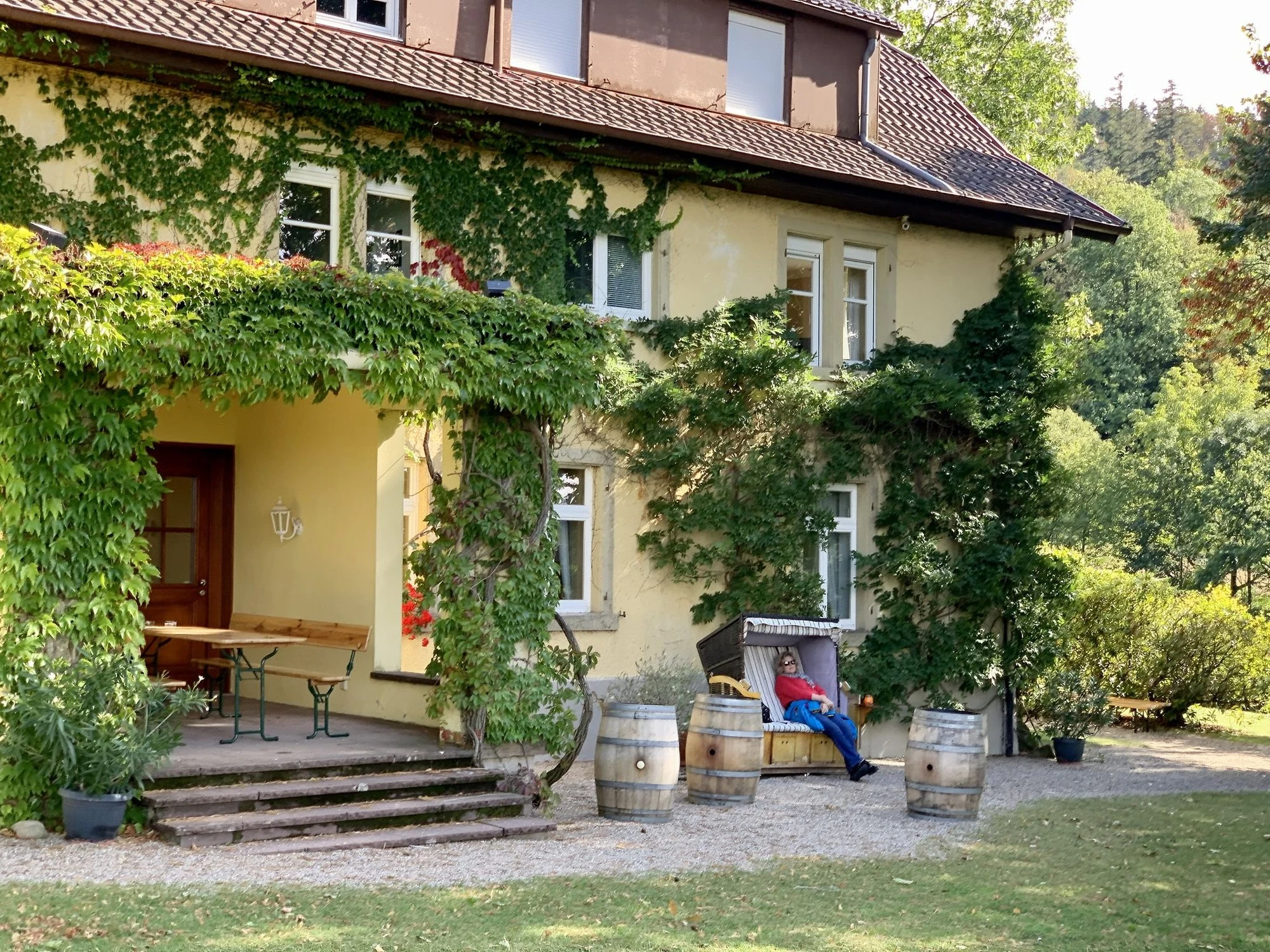
Approaching Baden-Baden’s Rebland side changes the city’s register. Spa-town formality gives way to a quieter, more rural mood, and Philipp Reiß Wein fits that shift. It is best understood as a small, artisanal winery in Baden-Baden, focused on handcrafted, low-intervention wines rather than a grand or touristic cellar-door experience. The appeal begins with that change of pace: this is a place to think less about display and more about landscape, craft and the slower feeling of being outside the city’s more polished rhythm.
The draw is not spectacle. It is the combination of a scenic Rebland setting, an intimate scale and a down-to-earth approach that keeps the focus close to nature. For visitors looking for a rustic, hidden-gem wine stop in Baden-Baden, Philipp Reiß Wein offers a more personal-feeling alternative to broader, more polished wine tourism. Its strength is the sense that the wine experience remains modest in scale, rooted in its surroundings and shaped by a hands-on identity rather than by performance.
Rebland terroir at small-estate scale
The strongest argument for Philipp Reiß Wein is its scale and mood. The picture is of a small, artisanal Baden-Baden winery with a focus on handcrafted, low-intervention wines. That makes the experience feel closer to the land than to ceremony, with an intimate atmosphere that suits travelers who prefer understatement. In this context, smallness is not a limitation so much as the point: it frames the visit around closeness, simplicity and a more direct connection to the Rebland setting.
Rather than presenting it through grape lists, production figures or formal accolades, the honest way to frame Philipp Reiß Wein is by its low-intervention focus and nature-led character. The setting is rustic and scenic, and the tone is cozy rather than grand. That restraint matters, because it keeps expectations aligned with what the venue do best: offer a grounded, handcrafted wine stop where atmosphere and place carry much of the experience.
For readers mapping Baden-Baden’s wine culture, Philipp Reiß Wein represents a quieter Rebland register. It should be considered on its own terms: small, artisanal, intimate and grounded in a handcrafted wine identity. It is not the Baden-Baden of formal rooms and polished rituals, but the Baden-Baden of the surrounding wine landscape, where the city’s edge softens into a more rural frame.
A quiet visit built around nature and intimacy
Philipp Reiß Wein is well suited to visitors who want a calm, down-to-earth wine experience in Baden-Baden. The atmosphere is nature-focused, intimate and rustic, without the sense of a large, touristic operation. That makes it especially appropriate for travelers who value a relaxed rhythm and who are comfortable with a venue whose charm lies in its modesty rather than in elaborate presentation.
What can be said with confidence is that the venue’s appeal rests on its small-scale, handcrafted wine focus and its scenic Rebland character. The experience is best approached with that in mind: as a quiet wine stop defined by place, craft and a low-intervention sensibility, not as a checklist-driven tasting destination.
The price level is listed as $$, placing it in a moderate range for planning purposes. Beyond that, avoid assuming a particular service style or program unless confirmed directly with Philipp Reiß Wein. Because the identity described is small and intimate, it is better to plan with flexibility and let the venue’s own current arrangements guide the visit.
How to place it in a Baden-Baden itinerary
Philipp Reiß Wein suits travelers who want Baden-Baden’s Rebland as a lived, nature-facing wine setting rather than a polished add-on to the city’s spa and cultural itinerary. It fits a slower, quieter day built around rustic scenery, handcrafted wine and an intimate atmosphere. In an itinerary, it works well when treated as a change of texture: a move from urban elegance toward something more grounded and open-air in feeling.
For a fuller city day, place Philipp Reiß Wein alongside other Baden-Baden dining, drinking, hotel and cultural plans in a general way, while keeping the winery itself as the Rebland anchor. Travelers interested in low-intervention wine should treat it as a small, artisanal Baden-Baden stop rather than as a venue defined by awards, varieties or formal tasting formats. Its value lies in how clearly it offers a quieter, less manufactured perspective on the area’s wine culture.
FAQs
What's the atmosphere like at Philipp Reiß Wein?
In Baden-Baden, Philipp Reiß Wein has a down-to-earth, nature-focused and intimate atmosphere. The mood is rustic, scenic, cozy and more hidden-gem than grand or touristic, with a price level marked as $$. It is well suited to visitors who appreciate understatement and a calm Rebland setting.
What's the main draw of Philipp Reiß Wein?
The main draw is its identity as a small, artisanal winery in Baden-Baden’s Rebland with a focus on handcrafted, low-intervention wines. It appeals most to visitors looking for a quiet, nature-led wine stop, where the setting and small-estate feeling are central to the experience.
How hard is it to get in to Philipp Reiß Wein?
Because Philipp Reiß Wein is described as small and intimate, it is sensible to check directly before visiting. The price level is $$. Planning ahead helps keep expectations aligned with the venue’s modest scale and quieter character.
Questions
Frequently asked
How expensive is Philipp Reiß Wein?
Philipp Reiß Wein is listed at a price level of $$.
The field
How it compares
| Place | Notes |
|---|---|
| Philipp Reiß Wein | Steinbach (Rebland), $$ |
| Weingut Alex Schwank | Baden-Baden |
| Weingut Doppelgarage Varnhalt | Baden-Baden |
| Weingut Holger Dütsch | Baden-Baden |
| Weingut Knapp | Baden-Baden |
| Weingut Nägelsförst | Baden-Baden |
| Weingut Schloss Neuweier | Baden-Baden |