Piancornello
- 01CityMontalcino, Italy

- Falstaff Winery - Listed · 2026
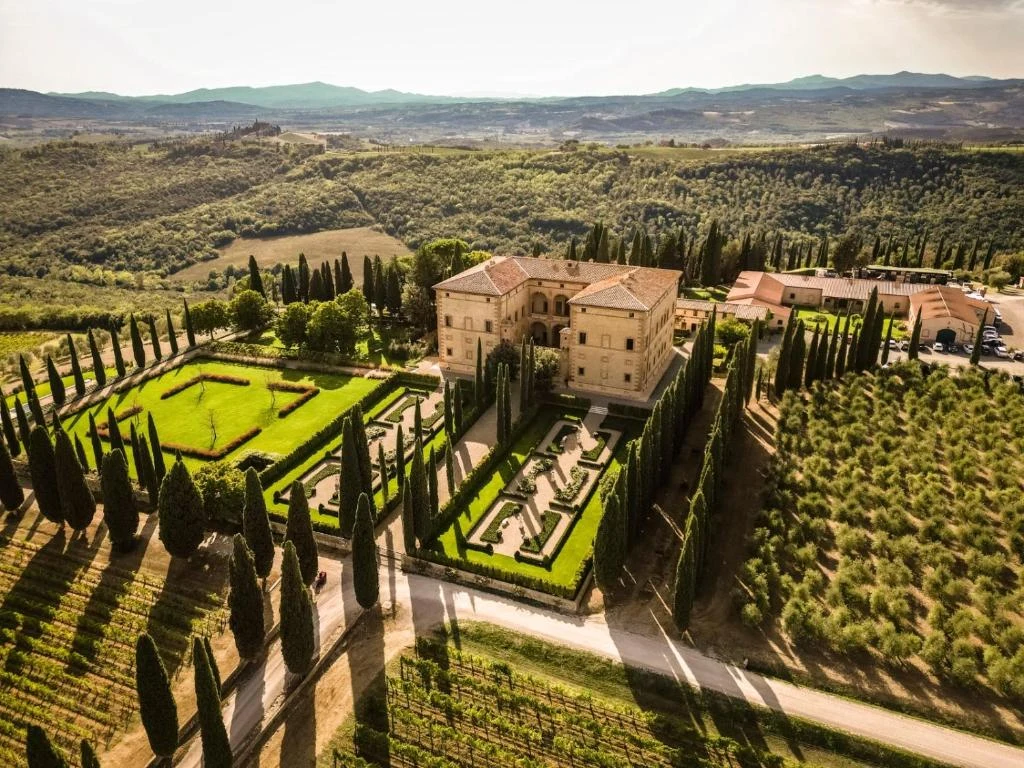
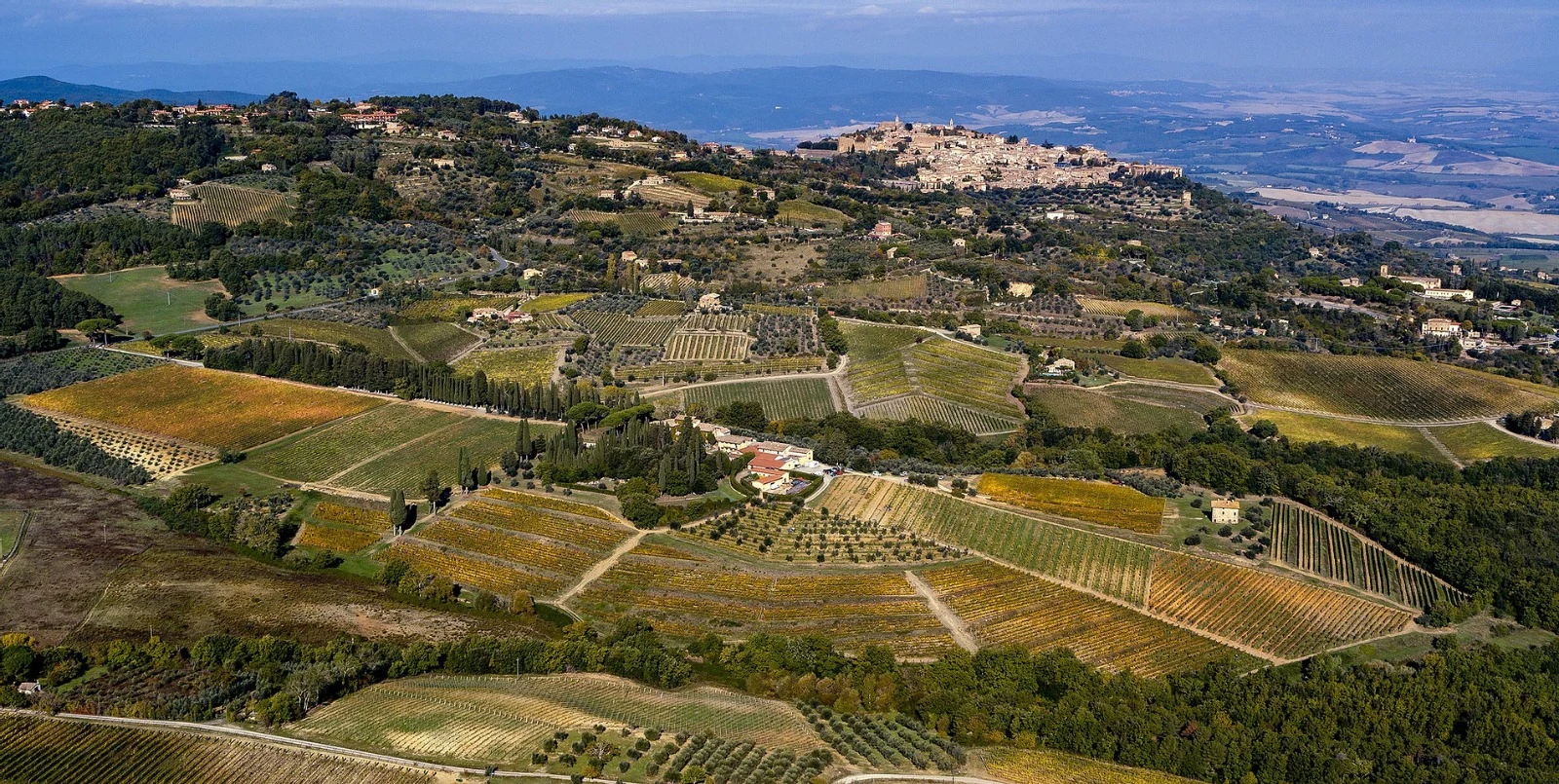
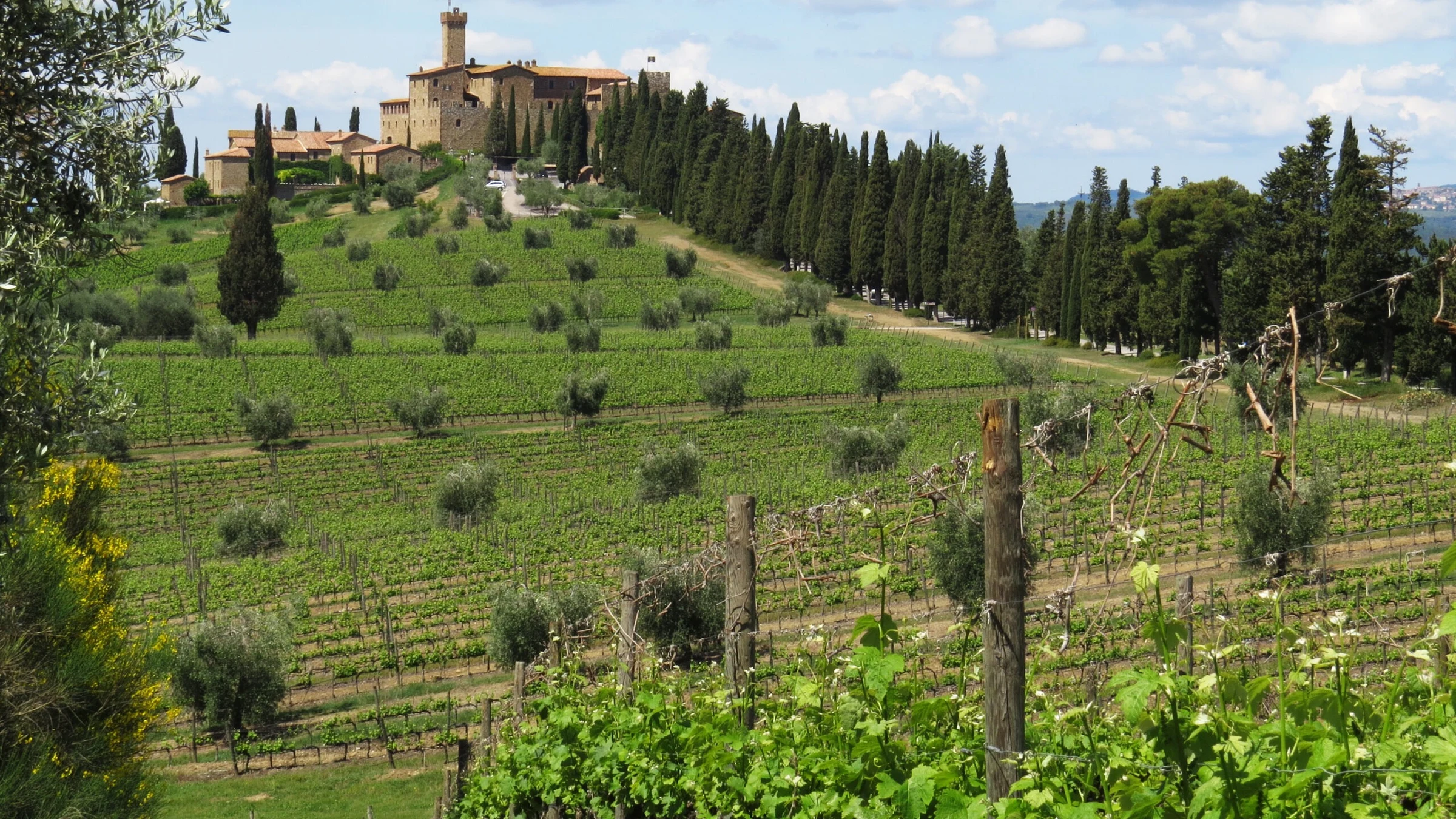
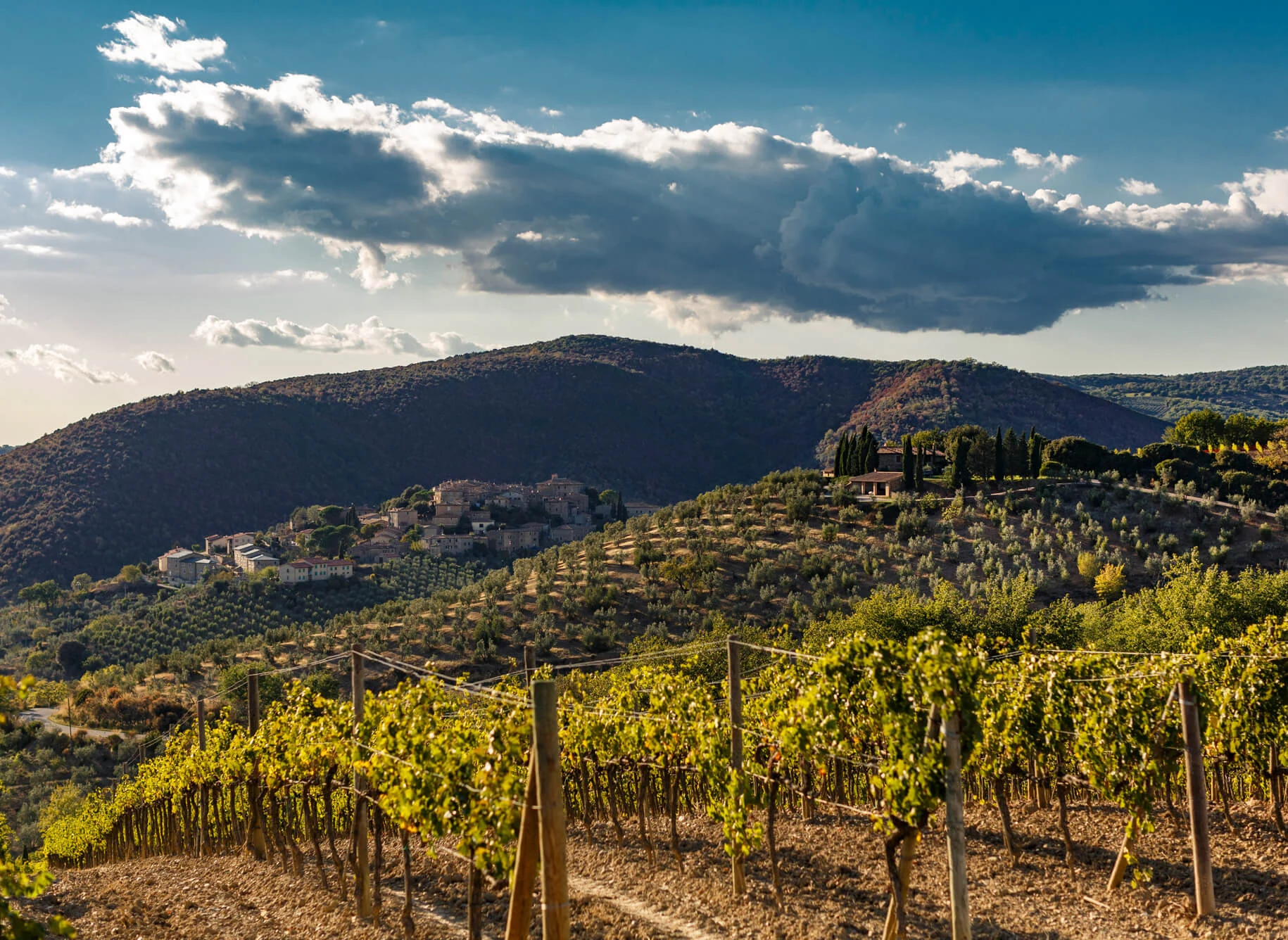
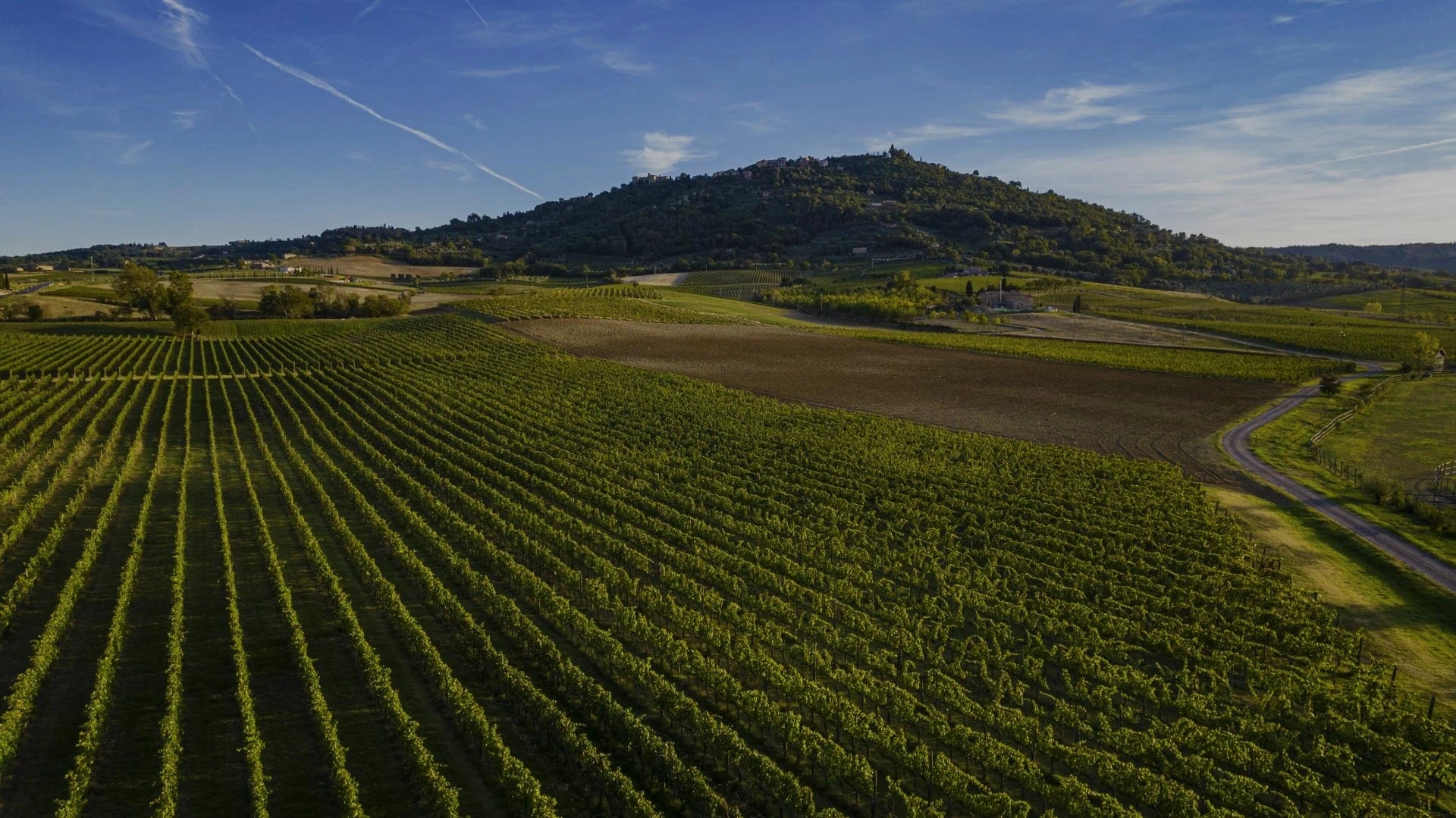
Approaching Piancornello means entering a quieter, agricultural side of Montalcino: vineyards, a rural 18th-century farmhouse, and long views toward the Val d’Orcia and Mount Amiata. The picture is not a detailed hospitality brief or a full technical winery profile; it is a family-run organic Brunello estate with a tranquil, rustic Tuscan countryside atmosphere. The emphasis falls on landscape and continuity rather than spectacle, with the estate read most clearly through its fields, farmhouse, and position in one of Tuscany’s defining wine territories.
That setting is central to how to understand Piancornello. For travelers researching Montalcino, the grounded appeal is the combination of Brunello country, organic farming, family continuity, and a classic rural landscape. It is the sort of place best approached with attention to the larger scene around it: vines set into the countryside, rural architecture, and the visual pull of the Val d’Orcia and Mount Amiata beyond.
Montalcino gives the Brunello its frame
Piancornello is best described as an organic Brunello estate in Montalcino rather than as a restaurant, resort, or highly formal destination. Its identity comes from the surrounding vineyards, the 18th-century farmhouse, and the calm rural atmosphere overlooking the Val d’Orcia and Mount Amiata. In that sense, the estate’s frame is not only viticultural but also deeply spatial: it belongs to a range of working agriculture, open views, and traditional Tuscan forms.
The dependable editorial point is simpler: Piancornello sits within Montalcino’s Brunello landscape and presents a rustic, family-run estate experience shaped by its countryside setting. That description matters because it keeps expectations aligned with what is clearly supported: a Brunello estate rooted in place, rather than a venue defined by elaborate visitor infrastructure or a separate hospitality concept.
For visitors, that means expectations should be grounded in place rather than in promises about a particular tour structure, cellar program, or service format. The estate’s atmosphere is rural and tranquil, with vineyards and steep rocky hillsides providing the main context. Its character is therefore less about a scripted list of amenities and more about the experience of being in a recognizably Montalcino environment, where the countryside itself carries much of the appeal.
A Brunello estate profile rooted in place
Piancornello’s identity is tied to Brunello in Montalcino, but the available confirmed data does not support a detailed list of individual bottlings, vintages, grape percentages, scores, or award history. Those specifics should be checked directly with the estate or current release materials before planning around them. For an editorial overview, the safer and more useful focus is the estate’s broader profile: organic farming, family operation, Brunello territory, and a rural farmhouse setting.
What can be stated confidently is that Piancornello is an organic Brunello estate with a classic rustic Tuscan countryside character. Its appeal is not built here on trophy claims or numerical ratings, but on the setting: vineyards, a historic farmhouse, and views across one of Tuscany’s most recognizable wine landscapes. That makes the estate especially legible to travelers who are less interested in collecting accolades and more interested in understanding how Brunello is situated in its physical and agricultural context.
The family-run nature of the estate is also part of the profile. Rather than presenting Piancornello as a corporate wine-tourism venue, the grounded description is of an agricultural Brunello property with a quiet rural register. The tone is modest and place-led: farmhouse, vineyards, organic cultivation, and the surrounding hills together form the main narrative. This is the core of the venue’s appeal, and it is enough without adding unsupported claims about production details or visitor programming.
How to place it within a Montalcino itinerary
For travelers building a wine-focused route, Piancornello suits a day shaped around Montalcino’s countryside: vineyards, steep rocky hillsides, farmhouse architecture, and views toward the Val d’Orcia and Mount Amiata. It is a strong fit for visitors who want a rustic Brunello-estate atmosphere rather than an urban dining stop. The point is to treat it as part of a landscape-led itinerary, where movement through the countryside, the sight of the vines, and the rural setting are central to the experience.
Readers mapping a broader stay can pair this kind of estate visit with other dining, wine, lodging, bar, and experience planning in Montalcino. Piancornello functions best in that wider context, as one piece of a trip organized around Brunello and the surrounding Tuscan countryside rather than as a self-contained resort-style anchor.
Within a wider European wine lens, Piancornello should be understood first through its Montalcino setting: a family-run organic Brunello estate centered on an 18th-century farmhouse, with a tranquil rural atmosphere and vineyard views. Its value is in the coherence of those elements. The estate brings together the name of Brunello, the physical calm of the countryside, and the continuity of a family-run agricultural property, giving travelers a clear, restrained way to place it within Montalcino.
Questions
Frequently asked
How expensive is Piancornello?
Piancornello is listed at a price level of $$$.
The field
How it compares
| Place | Notes | Awards |
|---|---|---|
| Piancornello | Sesta (between Sant’Angelo in Colle and Castenuovo dell’Abate), $$$ | · |
| Argiano | Montalcino | · |
| Azienda Agricola Casanova di Neri di Giacomo Neri | Montalcino | World's 50 Best |
| Biondi-Santi Tenuta Greppo | Montalcino | · |
| Castello Banfi | Montalcino | World's 50 Best |
| Poggio di Sotto | Montalcino | · |
| Valdicava | Montalcino | · |