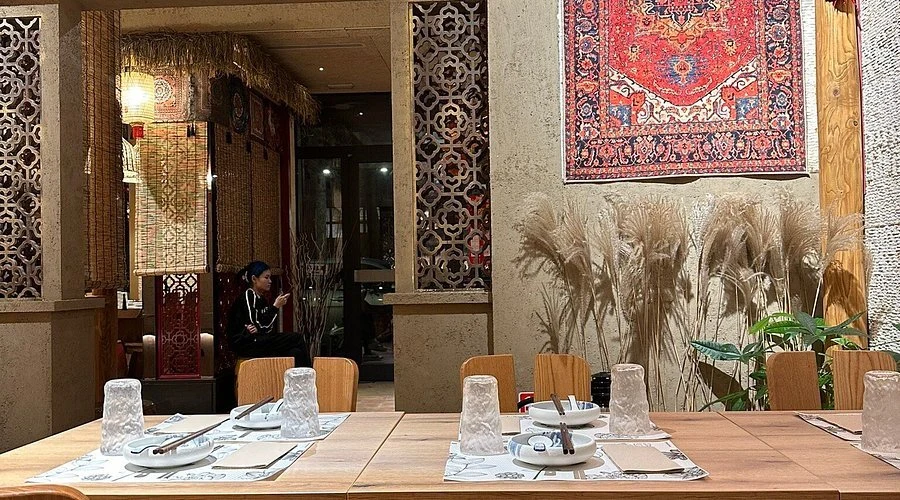
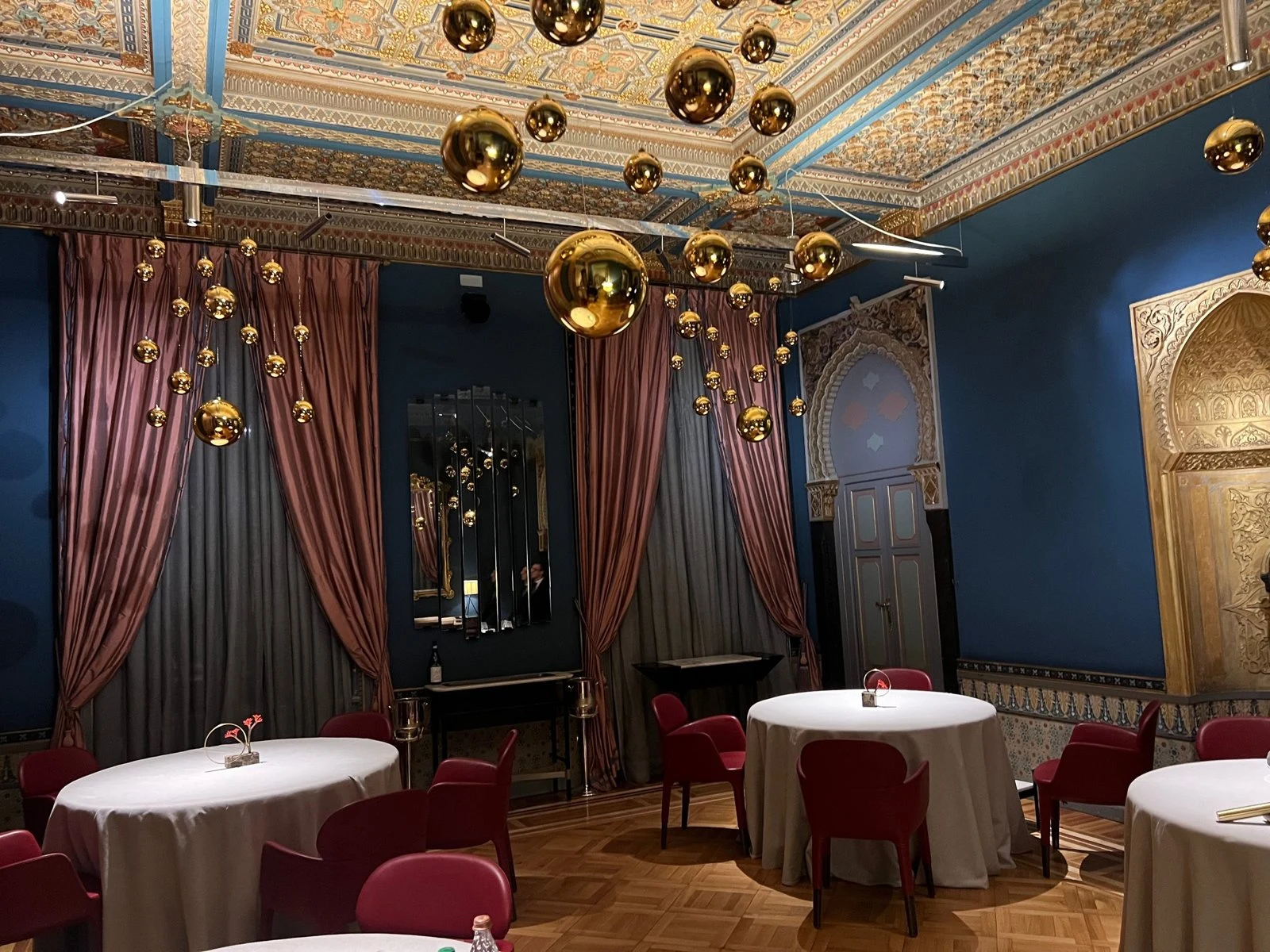
Piazzetta Milù
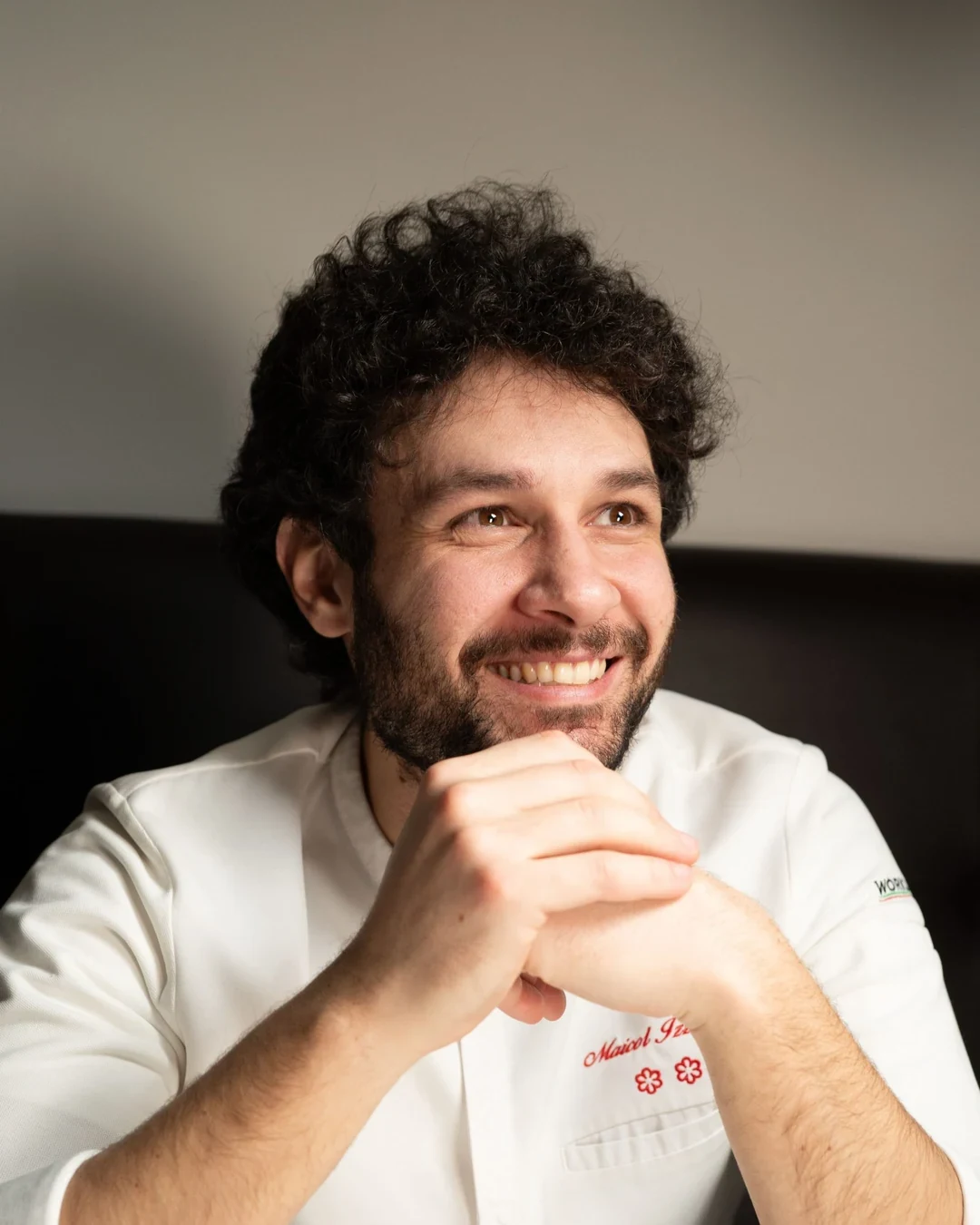
In Residence
Maicol Izzo
Chef
- 01CuisineModern Italian Fine Dining
- 02CityCastellammare di Stabia, Italy
- 03RecognitionTwo Michelin Stars
- 2 Michelin Stars · Michelin Guide
- Opinionated About Dining Newly Added European Restaurants · 2026
- Opinionated About Dining Top Restaurants in Europe Recommended · 2026
- La Liste Top Restaurants: 84pts · 2026
- Falstaff Restaurant - 95 Falstaff Points · 2026
- Michelin 2 Stars · 2026
- La Liste Top Restaurants: 85.5pts · 2025
- Michelin 2 Stars · 2025
- Michelin 2 Stars · 2024
Where the Bay of Naples Meets Serious Creative Cooking
Piazzetta Milù is a two-Michelin-star restaurant in Castellammare di Stabia, Italy, with modern Italian fine dining and a smart-casual dress code. That context matters: finding a two-Michelin-star kitchen here, on Corso Alcide de Gasperi rather than in Naples or along the Amalfi coast, is not an accident of geography so much as a statement about how Italy's serious creative restaurant tier has quietly spread beyond the usual northern anchors. Piazzetta Milù belongs to the same national conversation as Osteria Francescana in Modena, Enrico Bartolini in Milan, and Le Calandre in Rubano.
A Format Built Around Sequence and Surprise
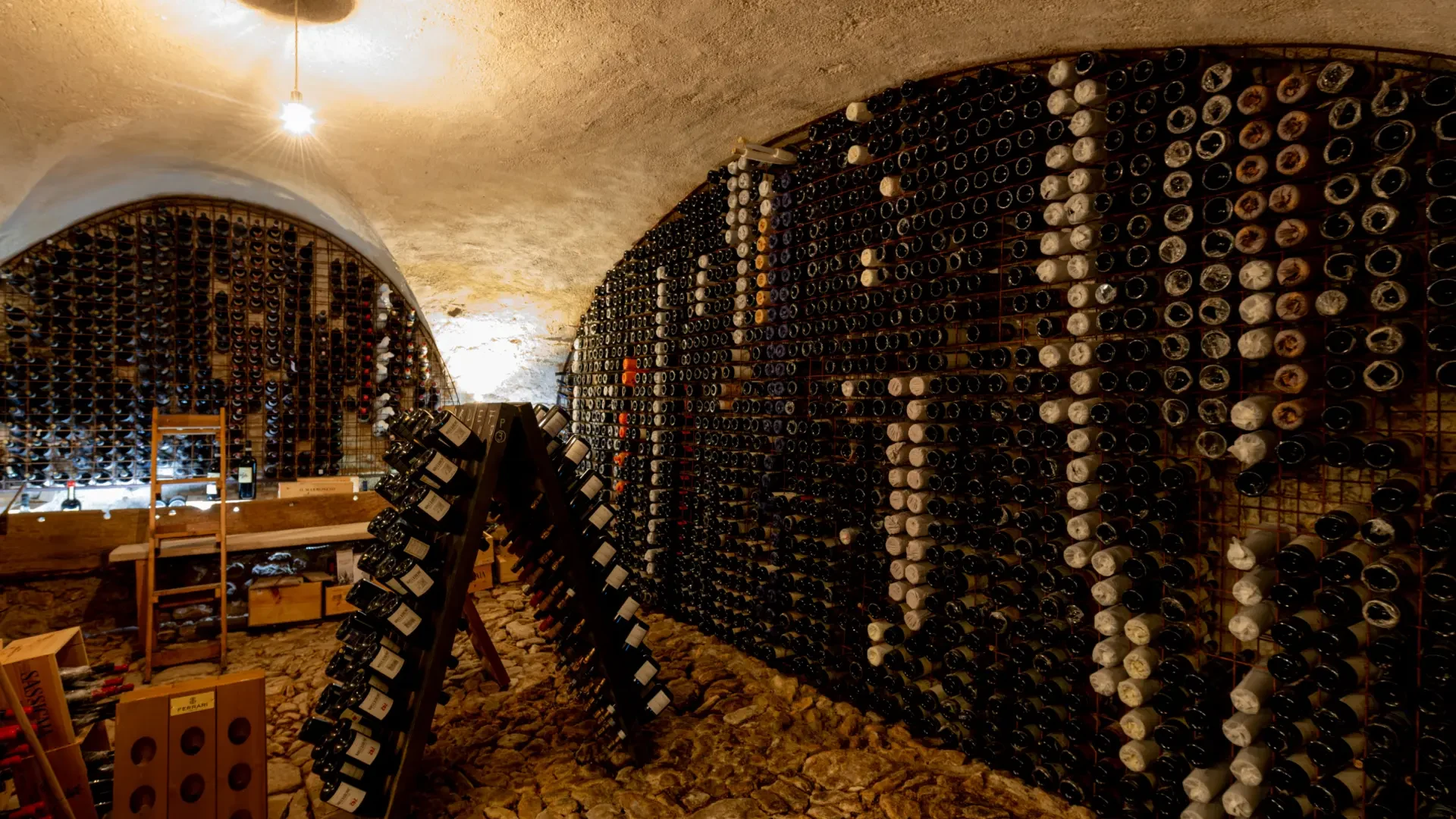
The restaurant's format structures the meal as a deliberate sequence. Guests begin in the wine cellar, where the first courses arrive surrounded by an assembled collection chosen by Emanuele Izzo. The shift from cellar to dining room mid-meal is more than theatrical staging: it marks a change of register in both the food and the atmosphere, with a brief pass through the kitchen available on the way. The staged shift from cellar to dining room gives the meal a clear arc.
The tasting menu is a single long format with no à la carte fallback. For visitors accustomed to Italian fine dining operating on looser, more à la carte terms, Piazzetta Milù's insistence on one extended surprise sequence puts it closer in philosophy to the approach taken at Reale in Castel di Sangro or Piazza Duomo in Alba than to the more flexible southern Italian dining tradition. That is a deliberate positioning choice.
The Chef's Training and What It Produces
Italy's two-star creative tier has historically been concentrated in the north, in regions with longer institutional ties to European haute cuisine training circuits. When a young southern Italian chef arrives at that level, the question is always which training lineage shaped the technique. Maicol Izzo's path through other kitchens before returning to run the family address produced a cooking style that sits at the intersection of absorbed technique and local instinct. His 2024 Michelin Young Chef Award, one of the more carefully considered single-chef distinctions the guide issues, recognised that synthesis rather than simply rewarding novelty.
The dishes that have drawn the most attention illustrate how that synthesis works in practice. A tagliolini constructed from cardoncelli mushrooms, finished with aged parmesan and white truffle, uses the grammar of a classic northern pasta course while replacing the pasta itself with a pressed mushroom preparation. A fake bread slice made from the same mushroom arrives to collect the residual sauce once the bowl is cleared. The technical point is not the trick itself but the proportion of thought behind it: the dish earns its conclusion. This kind of restrained wit, where technique serves the flavour logic rather than overriding it, characterises the cooking that has come to define Italy's better creative kitchens, from Atelier Moessmer Norbert Niederkofler in Brunico to Uliassi in Senigallia.
The broader Italian creative scene has moved in recent years toward what might be called disciplined imagination: fewer pyrotechnic departures from ingredient logic, more precision in how technique is deployed to extend rather than obscure what the produce already offers. Maicol Izzo's cooking lands squarely within that current. His background in multiple kitchens before returning home is a training pattern shared by a number of the chefs currently running Italy's most discussed creative tables, and it produces a particular kind of confidence: enough external reference to avoid provincialism, enough local rootedness to give the food a geographic identity.
The Family Operation and What It Adds
Izzo family structure running both kitchen and floor is less common at this level than it might appear. Most two-star operations in Europe separate the creative kitchen from the hospitality function, often bringing in professional front-of-house directors from outside the family or the local area. Here, Emanuele handles wine and floor alongside brother Valerio, while Maicol commands the kitchen. The result, according to those who have documented the experience, is a warmth of welcome that reads as genuine rather than scripted, a quality that is harder to manufacture at this price tier than many operators acknowledge.
Emanuele's wine selection, staged in the cellar as the meal's opening context, is part of the editorial argument the restaurant makes about itself: that the wine and food are conceived together rather than operating as parallel tracks. For guests who want to understand the local Campanian wine tradition alongside the cooking, this format provides more entry points than a conventional trolley service or by-the-glass list delivered to a seated table.
Where It Sits in the Regional Context
The Campanian coast has several serious addresses at or near this level. Quattro Passi in Marina del Cantone operates in the same price tier and draws on similar coastal proximity.
Italy's creative restaurant tier has diversified geographically in the past decade. The long dominance of Modena, Milan, and the Piedmont axis has not collapsed, but it has been complicated by serious kitchens appearing in less expected locations.
Planning a Visit
Castellammare di Stabia sits roughly 30 kilometres south of Naples, reachable by the Circumvesuviana rail line from Naples Centrale, which makes it accessible without a car. For those building an extended itinerary around the bay, the city's location between Pompeii and Sorrento means a meal here can anchor a wider day rather than requiring a dedicated journey. The restaurant's price tier (€€€€) and two-star positioning mean advance booking is advisable, particularly on weekends and during the summer months when the Campanian coast sees higher visitor density.
Questions
Frequently asked
What recognition does Piazzetta Milù hold?
Piazzetta Milù holds 2 Michelin stars.
Who works at Piazzetta Milù?
Made By profiles Maicol Izzo (Chef) at Piazzetta Milù.
How expensive is Piazzetta Milù?
Piazzetta Milù is listed at a price level of $$$$.
Where is Piazzetta Milù and what does it serve?
Piazzetta Milù is in Castellammare di Stabia, Castellammare di Stabia, serving Modern Italian Fine Dining.
The field
How it compares
| Place | Awards | Cuisine | Notes |
|---|---|---|---|
| Piazzetta Milù | Michelin 2 Stars | Modern Italian Fine Dining | Castellammare di Stabia, $$$$ |
| 8 1/2 Otto e Mezzo Bombana (Shanghai) | Michelin 2 Stars | Modern Italian Fine Dining | Shanghai |
| La Pergola | Michelin 3 Stars | Modern Italian Fine Dining | Rome |
| Le Calandre | Michelin 3 Stars, World's 50 Best | Modern Italian Fine Dining | Rubano |
| Reale | Michelin 3 Stars, World's 50 Best | Modern Italian Fine Dining | Castel di Sangro |
| Seta | Michelin 2 Stars | Modern Italian Fine Dining | Milan |
| Villa Crespi | Michelin 3 Stars | Modern Italian Fine Dining | Orta San Giulio |
In residence
Similar places
Modern Italian Fine Dining
8 1/2 Otto e Mezzo Bombana (Shanghai)
Shanghai, China
★★
Modern Italian Fine Dining
La Pergola
Rome, Italy
★★★
Modern Italian Fine Dining
Le Calandre
Rubano, Italy
★★★ · 50 Best
Modern Italian Fine Dining
Reale
Castel di Sangro, Italy
★★★ · 50 Best
Modern Italian Fine Dining
Seta
Milan, Italy
★★
Modern Italian Fine Dining
Villa Crespi
Orta San Giulio, Italy
★★★