Pàng
- 01CuisineTaiwanese-Mexican Taqueria
- 02CityTaipei, Taiwan
- Michelin Bib Gourmand · Michelin Guide
- Michelin Bib Gourmand · 2026
- Michelin Bib Gourmand · 2025
- Michelin Bib Gourmand · 2024
A Mexican Kitchen Built on Taiwanese Ground
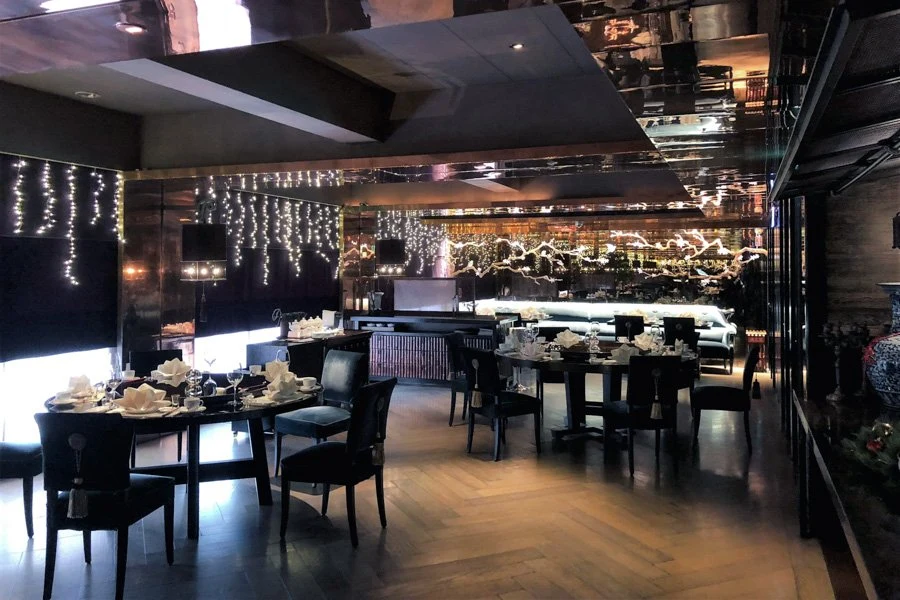
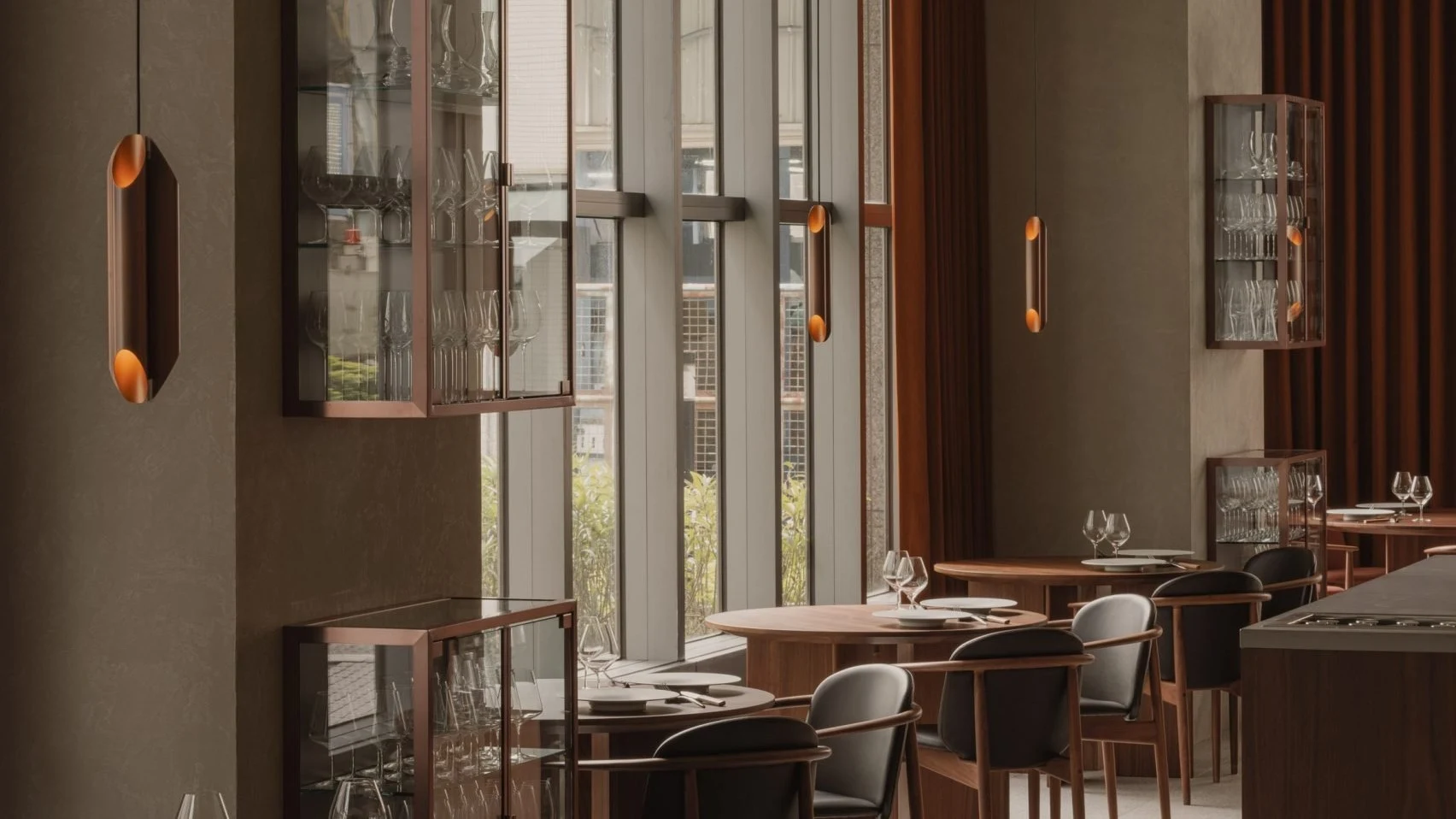
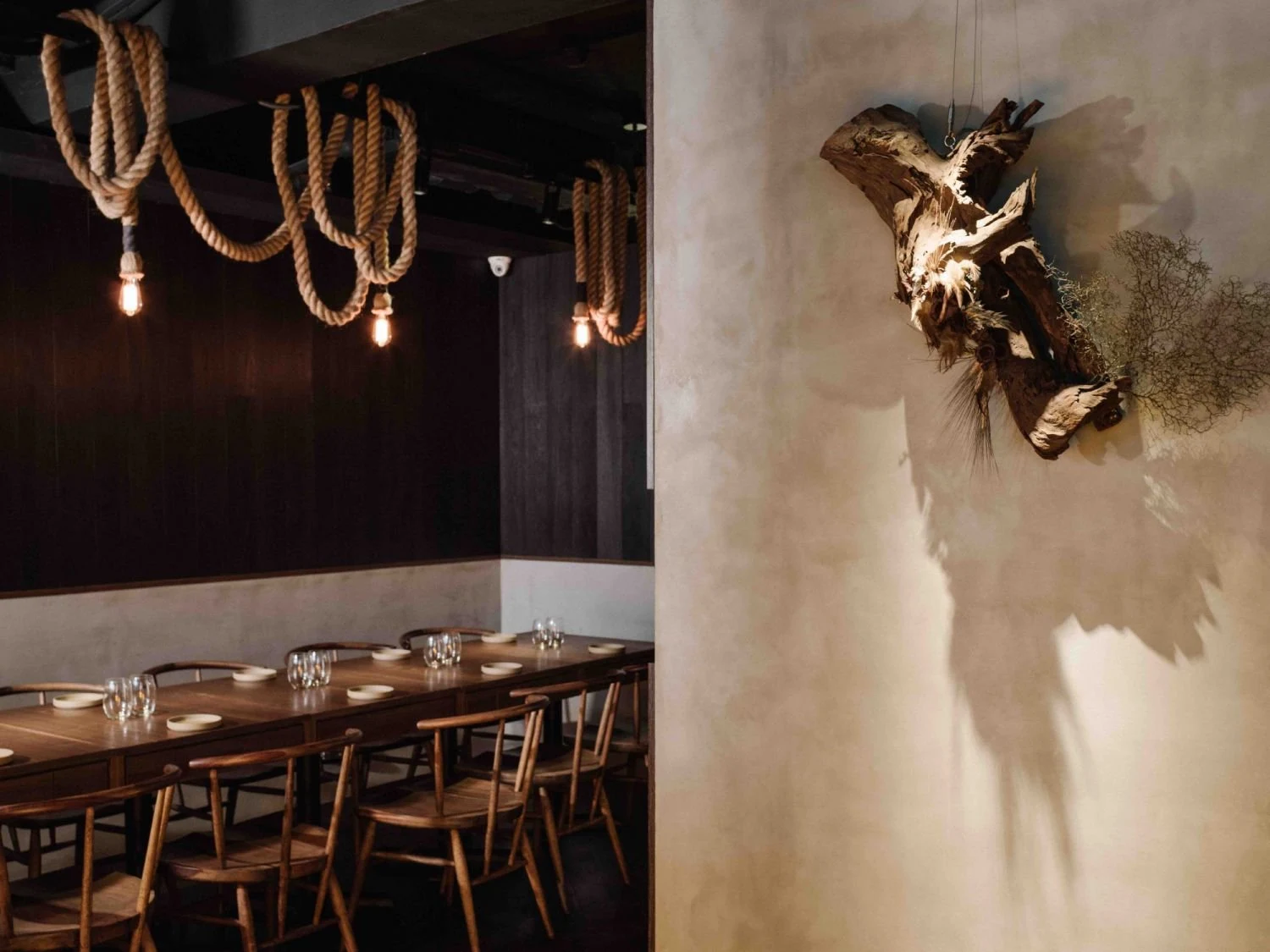
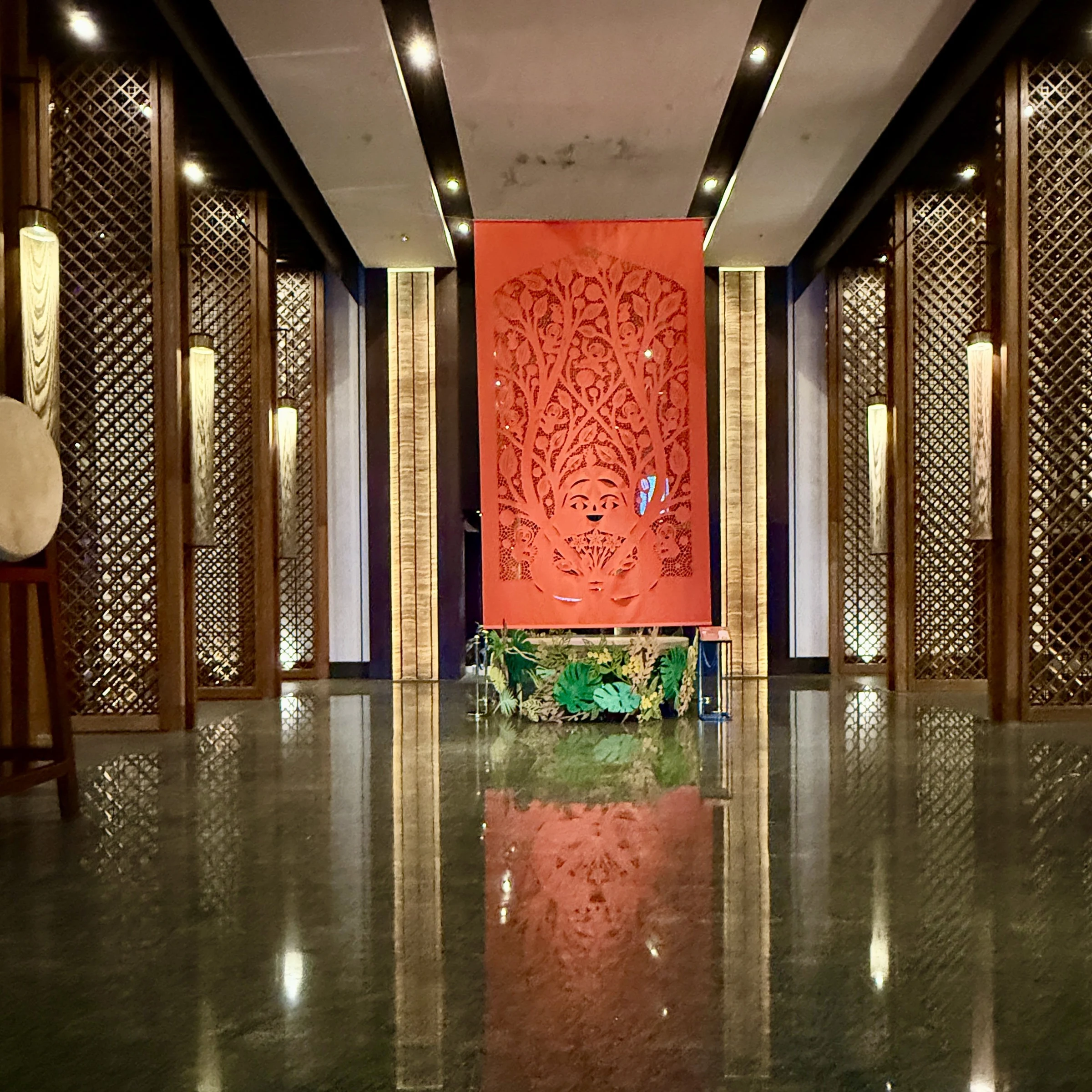
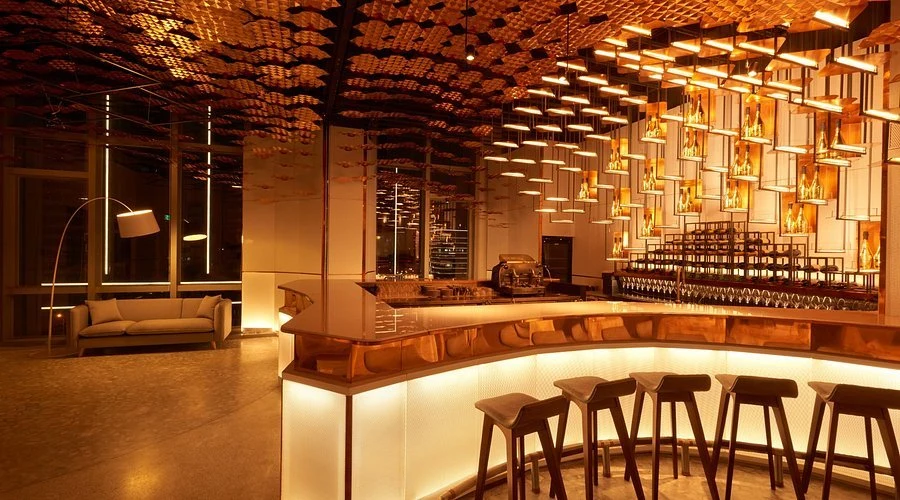
Da'an District has developed one of Taipei's most textured dining corridors, where long-running Taiwanese institutions sit alongside a growing number of internationally trained chefs working in formats that don't map neatly onto local tradition. Wenchang Street sits within that broader pattern. At street level, Pàng reads as a casual neighbourhood restaurant: a simple room in wood tones and neutrals, with orange tables providing the only real visual punctuation. What the space doesn't announce is that the cooking inside has earned a 2024 Michelin Bib Gourmand, a designation that recognises quality-to-price ratio rather than fine dining register.
That distinction matters here. The Bib Gourmand category has become a reliable signal for a specific type of restaurant that Taipei does well, technically serious cooking in informal settings, priced accessibly and aimed at regulars rather than occasion diners. Pàng sits in that tier. logy, Taïrroir, or Le Palais, all of which operate at $$$$ and require advance planning of a different order. Pàng operates at $$, a different conversation about value entirely.
How the Menu Is Structured
Mexican cooking in Asia tends to fork in one of two directions: broad-strokes approximation using locally available ingredients with no particular fidelity to technique, or an approach where the fundamental logic of the cuisine, masa, slow-cooked proteins, fermented and pickled condiments, is preserved and then redirected through the local ingredient context. Pàng belongs to the second category, and that distinction shapes everything about how the menu reads.
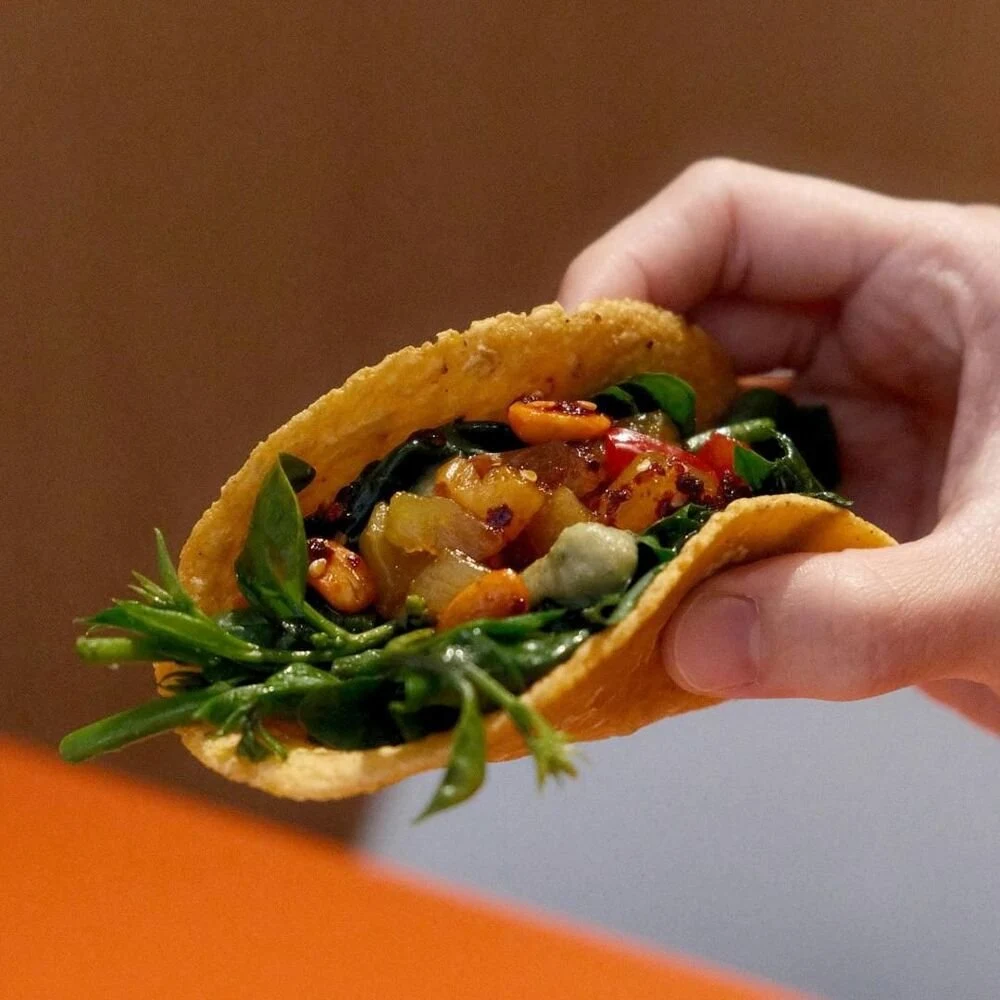
The architecture of a Mexican taco menu is deceptively structured. The tortilla isn't neutral wrapping, it's a position statement. Pàng makes its own soft corn tortillas in-house, which immediately separates the kitchen from the majority of Mexican-adjacent operations in Taipei where flour tortillas or pre-made corn alternatives are standard. Masa production requires both sourcing commitment (dried corn, not corn flour) and time investment at service. That it's done here at a $$ price point is the clearest single signal of what the kitchen prioritises.
The cochinita pibil taco anchors the menu as the dish that carries the most accumulated technique. The pibil preparation involves long, slow cooking with achiote paste and citrus, a Yucatecan method where time is the primary ingredient. The version here layers slow-cooked pork with house-made habanero salsa and hibiscus-pickled onion. The hibiscus element connects to a broader Taiwanese pantry sensibility: hibiscus (洛神花, luòshén huā) is widely used in Taiwanese preserved foods and beverages, and its application here as a pickling agent for onion is the kind of ingredient substitution that reads as logical rather than decorative. The acidity and floral depth it contributes to the onion works in the same structural role as the agua de jamaica pickles that appear in Mexican cooking, but draws from a local source.
This is the editorial logic of the menu as a whole: Mexican structural forms, the taco, the slow braise, the chilli salsa, the pickled component, executed with precision and populated with Taiwanese ingredients where the substitution is coherent rather than arbitrary. Pujol in Mexico City represents the reference benchmark, while Animalón in Valle de Guadalupe shows how the cuisine adapts to a specific regional terroir context. Alma Fonda Fina in Denver explores similar territory in a diaspora setting. Pàng's version of this conversation is shaped by the specific ingredients and culinary references available in Taipei.
Harald Pollak and the Americophile Positioning
Cross-cultural kitchens in Taipei more often run the Asian-to-European direction, Taiwanese chefs trained in France or Japan, bringing those techniques back to local ingredients. The reverse, a European-background chef working through Latin American forms in Taiwan, is a less common configuration. Harald Pollak leads the kitchen at Pàng, representing a less-travelled route in the city's chef scene. His described identity as an Americophile positions the restaurant within a cultural framework that centres the Americas broadly, not just Mexico, a framing that likely gives the menu some latitude to draw on Central and South American references alongside specifically Mexican technique.
That background feeds directly into the menu's credibility. The difference between a restaurant that applies Mexican flavours as surface-level seasoning and one that understands the structural grammar of the cuisine, masa, achiote, the role of acid and heat, the logic of slow cooking, is usually traceable back to whether the kitchen has actually worked within the tradition. The Bib Gourmand recognition suggests Michelin's inspectors found that credibility present.
Taipei's Cross-Cultural Dining Context
Taipei's restaurant scene has developed a particular fluency with cross-cultural format. Taïrroir is perhaps the most cited example of the Taiwanese-ingredient-meets-European-technique approach at the tasting-menu level. Molino de Urdániz brings Spanish contemporary cooking to the city. L'Atelier de Joël Robuchon represents the French fine dining tier. What Pàng adds is a Latin American thread that has been largely absent from Taipei's internationally recognised dining tier. It also does so at a price point that makes it accessible to a different audience than the tasting-menu circuit.
JL Studio in Taichung and GEN in Kaohsiung illustrate how cross-cultural sophistication extends beyond Taipei. In the south, A Cun Beef Soup in Tainan and Akame in Wutai Township show the range of Michelin-recognised cooking across the island.
Know Before You Go
Address: 181 Wenchang St, 1F, Da'an District, Taipei City 106, Taiwan
Cuisine: Mexican with Taiwanese ingredients
Price range: $$ (accessible; Michelin Bib Gourmand tier)
Chef: Harald Pollak
Awards: Michelin Bib Gourmand (2024)
Booking: Reservations are recommended
Hours: Mon: 12–5:30 PM; Tue: 12–9 PM; Wed: 12–9 PM; Thu: 12–9 PM; Fri: 12–9 PM; Sat: 12–9 PM; Sun: 12–9 PM
Nearest guides: Our full Taipei restaurants guide | Taipei hotels | Taipei bars | Taipei wineries | Taipei experiences
Questions
Frequently asked
What recognition does Pàng hold?
Pàng holds a Michelin Bib Gourmand.
How expensive is Pàng?
Pàng is listed at a price level of $$.
Where is Pàng and what does it serve?
Pàng is in Tong'an, Taipei, serving Taiwanese-Mexican Taqueria.
The field
How it compares
| Place | Cuisine | Notes | Awards |
|---|---|---|---|
| Pàng | Taiwanese-Mexican Taqueria | Tong'an, $$ | · |
| Le Palais | Fine Dining Cantonese | Taipei | Michelin 3 Stars |
| logy | Modern Japanese-Taiwanese Fusion Omakase | Taipei | Michelin 2 Stars, World's 50 Best |
| Moon Moon Food (雙月食品社) | Modern Fine Dining | Taipei | Michelin 2 Stars |
| Mume | Modern Taiwanese-European Fusion | Taipei | World's 50 Best |
| Silks House | Refined Cantonese | Taipei | World's 50 Best |
| Taïrroir | Taiwanese-French Fusion Fine Dining | Taipei | Michelin 3 Stars |
Similar places
Fine Dining Cantonese
Le Palais
Taipei, Taiwan
★★★
Modern Japanese-Taiwanese Fusion Omakase
logy
Taipei, Taiwan
★★ · 50 Best
Modern Fine Dining
Moon Moon Food (雙月食品社)
Taipei, Taiwan
★★
Modern Taiwanese-European Fusion
Mume
Taipei, Taiwan
50 Best
Refined Cantonese
Silks House
Taipei, Taiwan
50 Best
Taiwanese-French Fusion Fine Dining
Taïrroir
Taipei, Taiwan
★★★