Podere di Pomaio
- 01CityArezzo, Italy
- Falstaff Winery - Listed · 2026
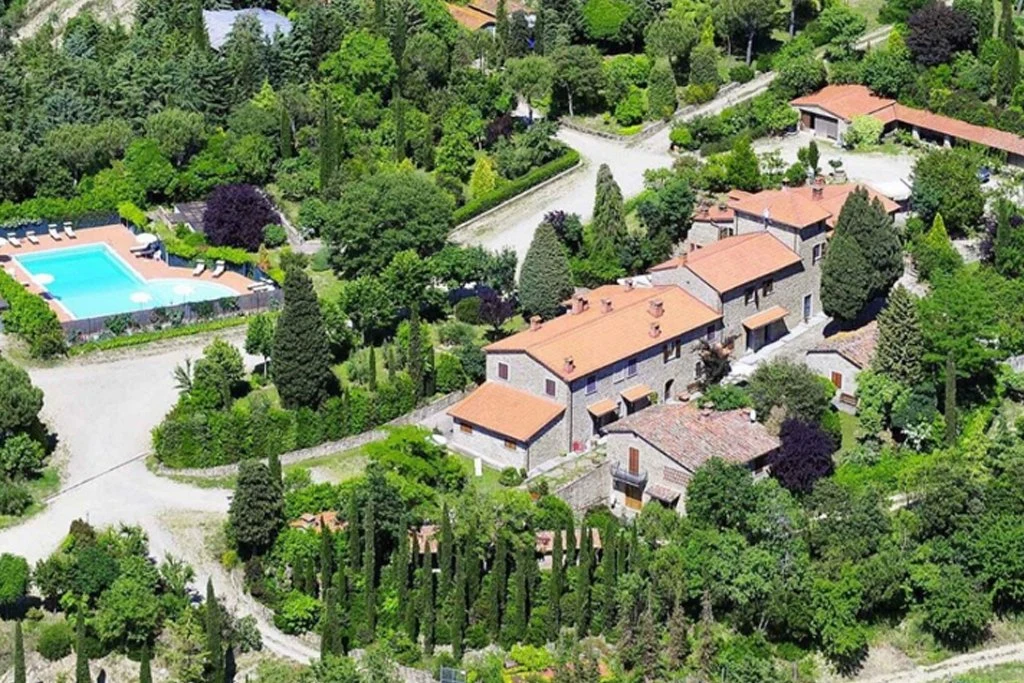
The approach to Arezzo’s higher ground changes the register of Tuscan wine travel. The city gives way to terraced hills, and Podere di Pomaio is best understood as a Tuscan wine estate shaped by landscape, quiet, and a close relationship with nature. The picture is not of a city-centre venue or a high-volume stop, but of a scenic estate above Arezzo with a contemporary bio-architecture cellar and restored nineteenth-century villas. In that sense, the experience begins before any formal tasting or visit detail is considered: it is first a shift in pace, away from the urban fabric and toward a more contemplative hillside setting.
What is clear is the atmosphere: tranquil, intimate, and rooted in the terraced hills above Arezzo. The available information points less toward spectacle and more toward mood, with the estate’s identity carried by the relationship between built elements, restored structures, and the surrounding landscape.
A Tuscan wine estate where setting drives the story
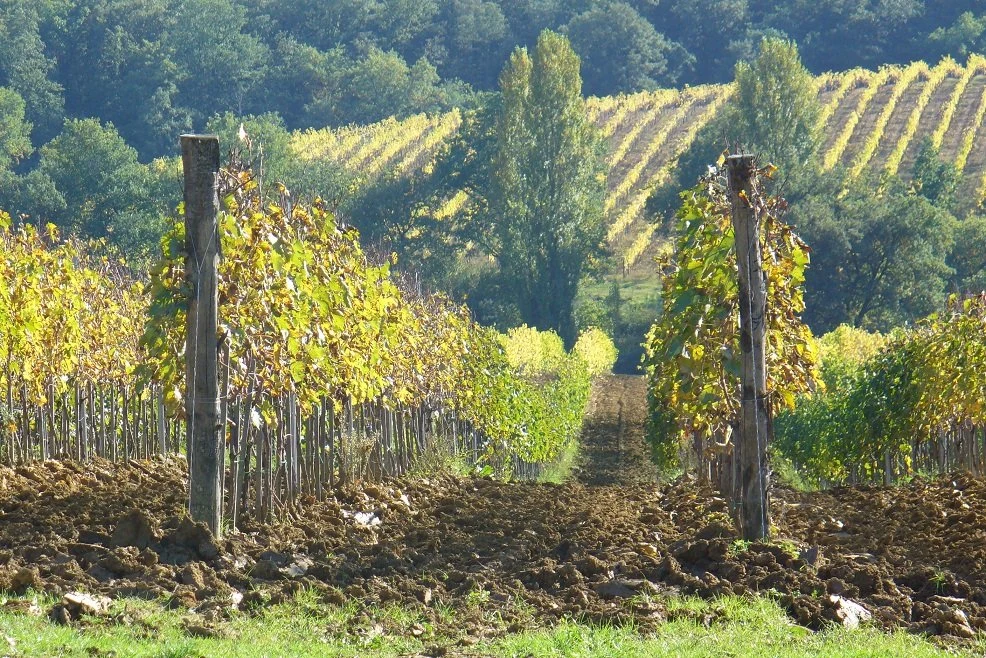
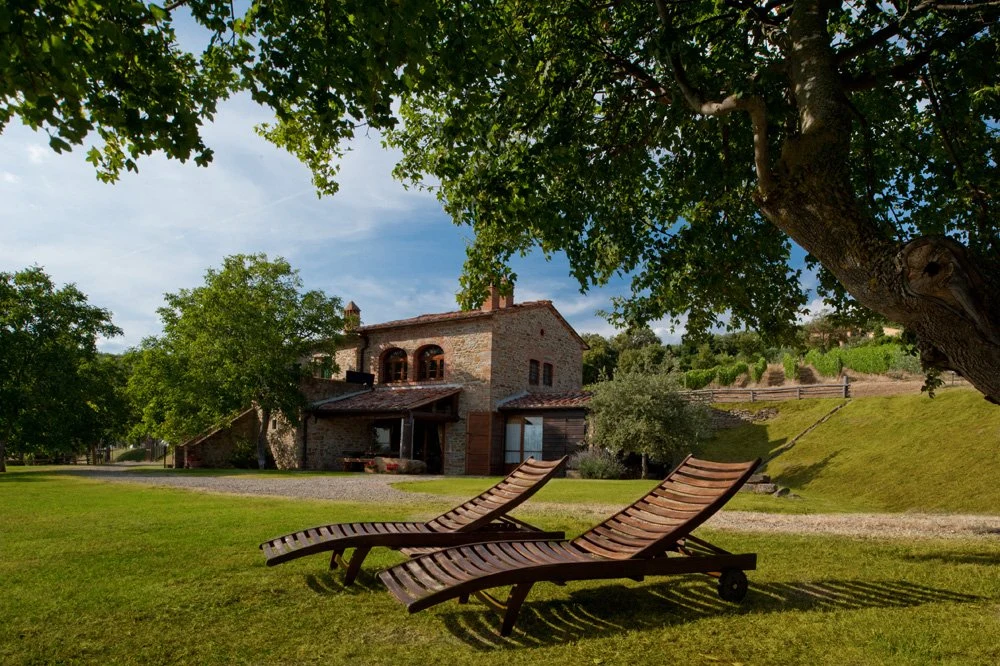
Podere di Pomaio’s appeal is the combination of a hillside position above Arezzo, terraced land, contemporary bio-architecture, and lovingly restored nineteenth-century villas. That mix gives the estate a more design-conscious and nature-focused identity than a conventional urban venue. It also places the visitor’s attention on how the property sits in its surroundings: the terraces, the architecture, and the older villas all contribute to a sense of continuity between cultivation, restoration, and contemporary use.
The estate’s character is described as eco-friendly, scenic, and intimate. Those details matter because they frame the experience around place: hills, architecture, restored buildings, and a quieter Tuscan atmosphere. Rather than treating the estate only as a point on a wine itinerary, it is more accurate to read it as a setting where the landscape is part of the hospitality. Specific claims about grape varieties, wine classifications, production volumes, awards, or tour structures are not confirmed in the public record provided here, so they should not be treated as established facts.
For planning purposes, the price is $40 per person. Beyond that, the dependable information is the setting and mood: an eco-friendly Tuscan wine estate on terraced hills above Arezzo, with a contemporary cellar and restored villas creating a calm, close-to-nature backdrop. That makes the known value proposition relatively simple: visitors are considering a place defined by scenery, architecture, and quiet rather than by a long list of programme details.
Wine-estate hospitality, with details best confirmed directly
Podere di Pomaio is presented as a wine estate rather than a standard restaurant or bar. The description supports an experience oriented around scenery, sustainability-minded architecture, and the atmosphere of the hills above Arezzo. This distinction is useful for expectations: the estate is not being positioned here as an interchangeable dining room or a casual counter stop, but as a countryside property where the environment is central to the visit.
Details such as opening hours, reservation requirements, specific tasting formats, accessibility, parking, food service, dietary accommodations, and villa booking arrangements are not confirmed in the information supplied here. Travellers should therefore confirm practical arrangements directly before planning around them. That is especially important because the strongest confirmed elements are qualitative rather than logistical: the peaceful setting, the terraced hillside context, the restored villas, and the contemporary bio-architecture cellar.
What can be said confidently is that the estate’s appeal is not only in wine as a product, but in the broader setting: terraced hills, contemporary bio-architecture, restored nineteenth-century villas, and a tranquil environment that emphasizes closeness to nature. For visitors who value atmosphere, that broader setting is not incidental; it is the core of the estate’s identity as presented here.
How to read Podere di Pomaio in the Arezzo wine scene
The Arezzo area rewards travellers who look beyond the most familiar Tuscan routes. Podere di Pomaio’s case is a focused one: an eco-friendly wine estate above Arezzo, with terraced hills, a contemporary bio-architecture cellar, and restored nineteenth-century villas creating an intimate countryside atmosphere. Its role in a local itinerary is therefore best understood through those confirmed strengths, rather than through assumptions about wine lists, cellar formats, or restaurant-style services.
At $40 per person, it offers a clearly stated price point, while other practical details should be checked directly before visiting. The price gives travellers a useful anchor, but it does not replace the need to confirm the shape of the experience, especially if timing, access, food, or accommodation questions are important to the plan.
Travellers comparing options in and around Arezzo can consider Podere di Pomaio alongside other local dining and wine experiences in a general sense, while treating this estate’s confirmed strengths as setting, architecture, sustainability-minded character, and closeness to nature. On the information available, the estate stands out less for a catalogue of specifics and more for a coherent sense of place: hillside, terrace, restored villa, contemporary cellar, and a quieter Tuscan rhythm above Arezzo.
Questions
Frequently asked
How expensive is Podere di Pomaio?
Podere di Pomaio is listed at a price level of $$$.
The field
How it compares
| Place | Notes |
|---|---|
| Podere di Pomaio | Pomaio (hills above Arezzo), $$$ |
| Buccia Nera | Arezzo |
| Château Rieussec | Fargues |
| Colle Acacia | Arezzo |
| Gratena | Arezzo |
| Podere Il Carnasciale | Arezzo |
| Tenute San Fabiano | Arezzo |