Poggio Nardone
- 01CityMontalcino, Italy

- Falstaff Winery - 3 Stars · 2026
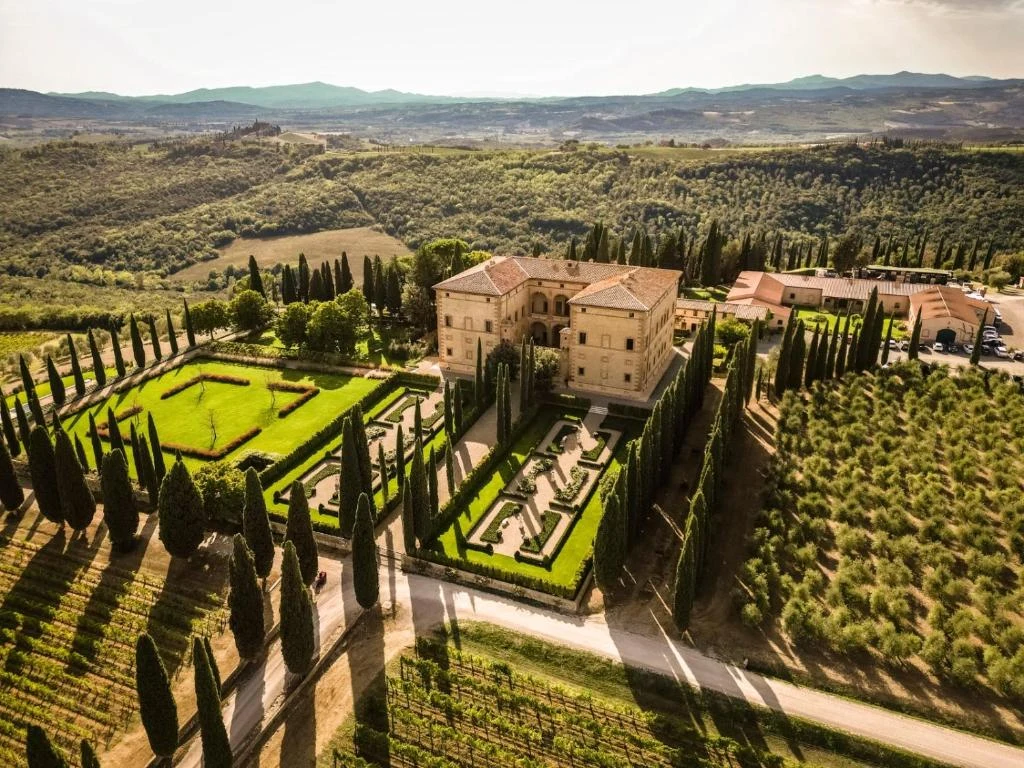
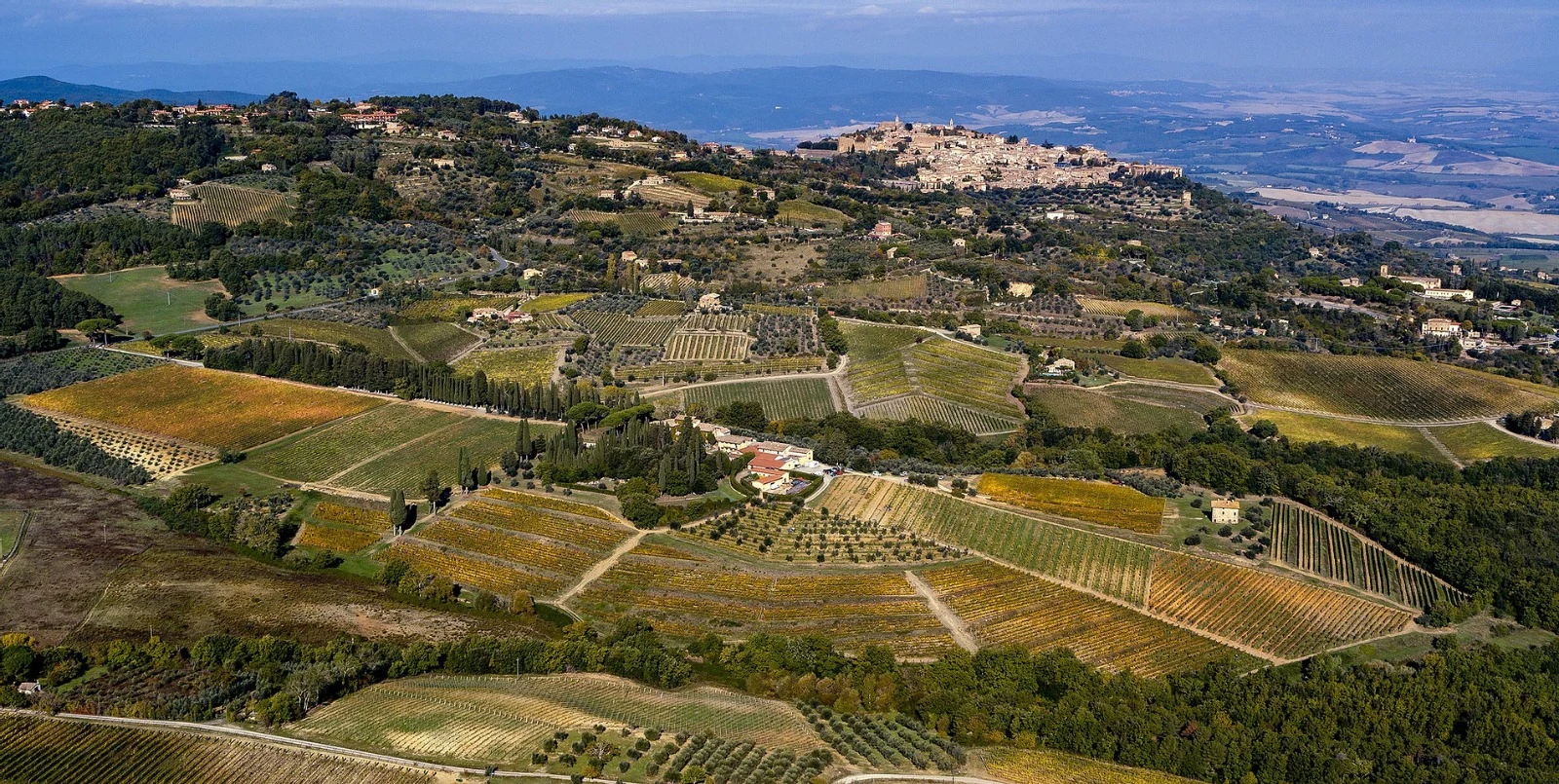
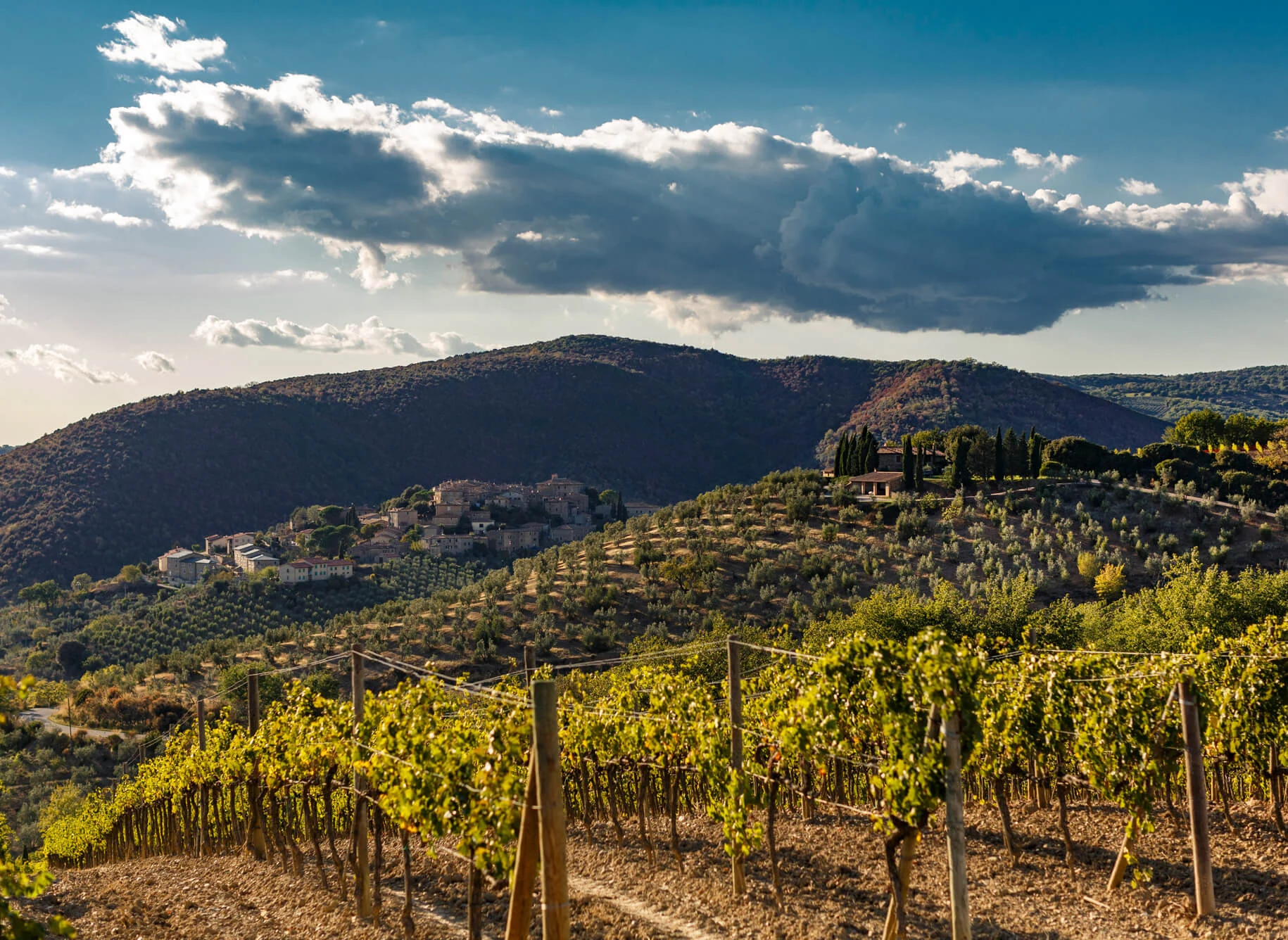
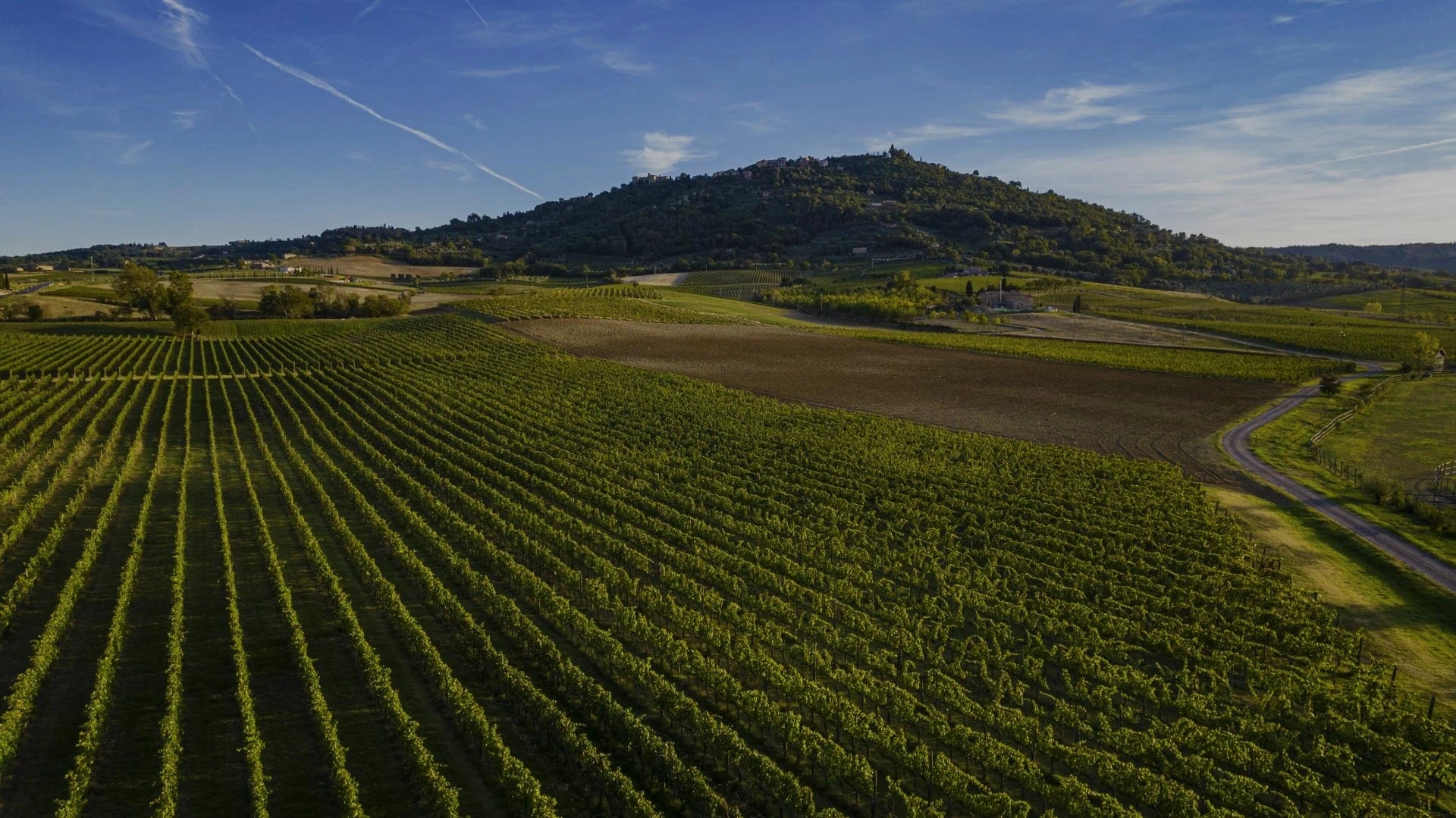
Poggio Nardone is a small, family-run Tuscan estate in Montalcino, focused on Brunello and Rosso di Montalcino. Its setting is part of the appeal: hillside vineyards surrounded by oak and holm oak woods, with a working cellar atmosphere. The picture is rustic, classic, and centered on careful, traditional red-wine production, rather than on a broad hospitality concept or a long list of documented visitor features.
Because the confirmed information is narrow, the ideal way to read Poggio Nardone is as a focused Montalcino wine estate rather than as a venue defined by amenities or a documented visitor program. In practical terms, that means the estate’s strongest identity comes from place, scale, and wine category: Montalcino, family operation, hillside vines, woodland edges, and the familiar local language of Brunello and Rosso di Montalcino.
Brunello and Rosso di Montalcino in a classic estate setting
Poggio Nardone’s identity is rooted in Montalcino and in the traditional red-wine language of Brunello and Rosso di Montalcino. The estate is described as small and family-run, with hillside vineyards set among oak and holm oak woods. That gives the venue a classic Tuscan frame without overstating technical details about parcels, soils, altitude, barrel regimes, or release schedules. The available description is evocative but deliberately limited: it supports an image of a traditional red-wine estate, not a technical dossier.
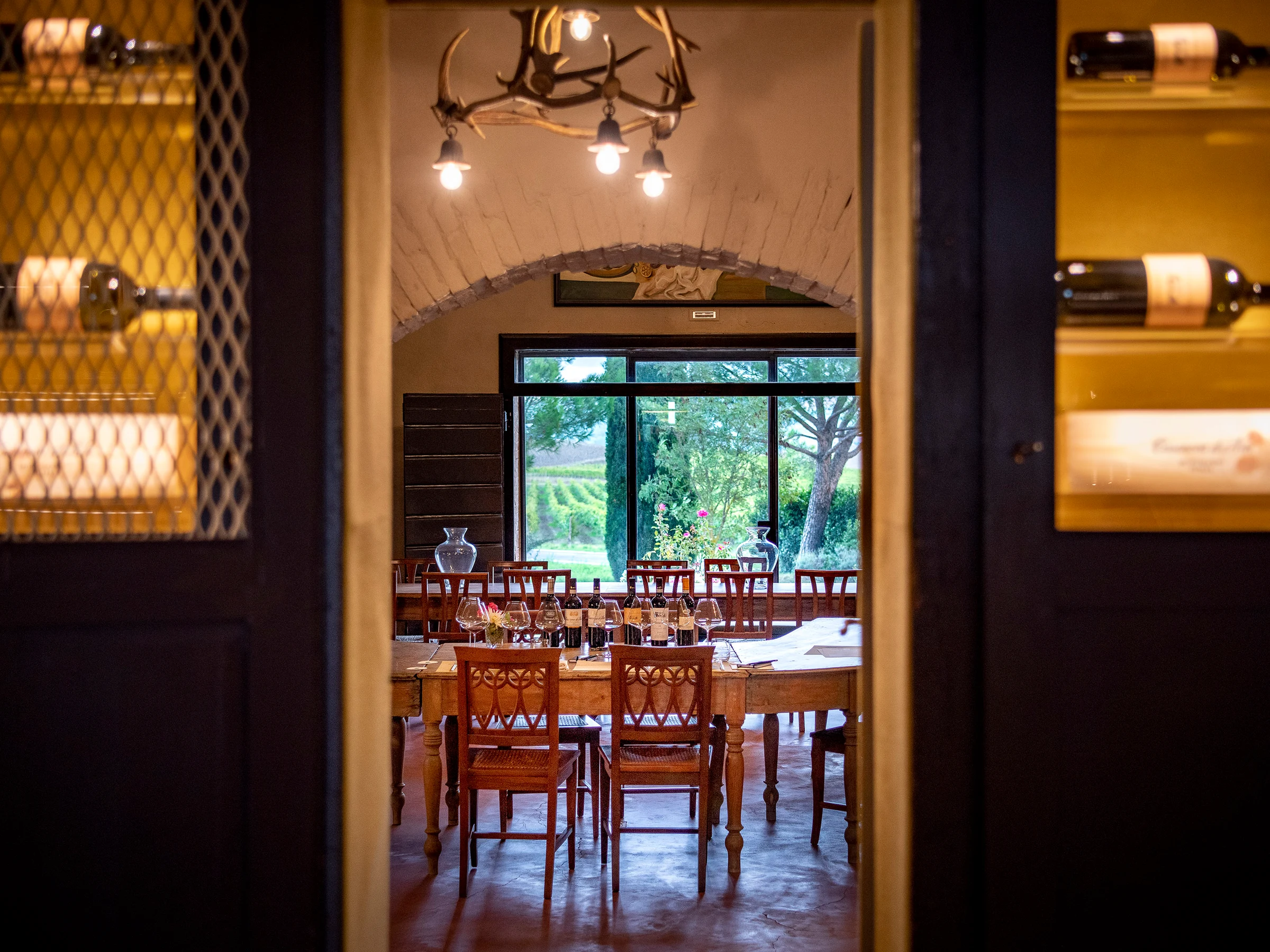
The working-cellar atmosphere is the important grounded cue. Poggio Nardone is best understood as a rustic, classic estate whose emphasis is careful red-wine production. For readers comparing Montalcino stops, that makes it a direct entry: Brunello, Rosso di Montalcino, hillside vineyards, and a traditional cellar mood. It is the kind of profile where the appeal sits in the essentials, with the estate’s family scale and rural surroundings doing much of the descriptive work.
Those details should be checked directly with the estate or current official sources if they matter to a visit or purchase decision. The available information is enough to place Poggio Nardone in context, but not enough to confirm the practical particulars that often shape an actual stop in wine country.
A focused red-wine profile rather than extras
The confirmed focus is Brunello and Rosso di Montalcino. Beyond that, this page does not verify specific labels, Riserva releases, vintages, grapes, aging methods, or critical ratings. The safest characterization is therefore simple: Poggio Nardone is a small Montalcino estate with a red-wine focus and a traditional, careful production identity. That simplicity is not a weakness; it is the boundary of what can be stated with confidence from the confirmed material.
That restraint is useful for planning. Some Montalcino venues may be promoted through architecture, visitor spaces, or detailed experience formats; Poggio Nardone’s profile is quieter. It is defined by family scale, hillside vineyards, oak and holm oak surroundings, and a working cellar atmosphere. The result is a venue page that should be read less as a promise of programmed hospitality and more as a concise portrait of a traditional wine-producing estate.
The price level is listed as $$$. No confirmed menu, tasting fee, bottle price, reservation policy, language availability, payment method, accessibility detail, food service, take-out, delivery, or dietary accommodation is included in the data. For that reason, any decision that depends on logistics should be confirmed before relying on the page. The description can help set expectations about style and focus, but it should not be treated as a substitute for up-to-date operational information.
How to place it in a Montalcino itinerary
Poggio Nardone fits a Montalcino itinerary as a classic, rustic wine-estate reference point focused on Brunello and Rosso di Montalcino. Its confirmed strengths are the fundamental ones: a small family-run structure, a hillside vineyard setting, woodland surroundings, and a cellar-oriented identity. That makes it most relevant for travelers or readers who are trying to understand the traditional red-wine side of Montalcino without needing the estate to be described through add-ons.
For comparison, keep the frame local and general: other Montalcino dining and wine-country stops may offer different levels of hospitality, food service, or visitor programming. Poggio Nardone’s confirmed appeal is narrower and more traditional: a small family-run estate, hillside vineyards, woodland surroundings, and a working cellar atmosphere centered on red wine. In an itinerary, that narrower profile can still be useful, especially as a counterpoint to venues whose identities are built more heavily around services, facilities, or fully described experiences.
Questions
Frequently asked
How expensive is Poggio Nardone?
Poggio Nardone is listed at a price level of $$$.
The field
How it compares
| Place | Notes | Awards |
|---|---|---|
| Poggio Nardone | Montalcino, $$$ | · |
| Argiano | Montalcino | · |
| Azienda Agricola Casanova di Neri di Giacomo Neri | Montalcino | World's 50 Best |
| Biondi-Santi Tenuta Greppo | Montalcino | · |
| Castello Banfi | Montalcino | World's 50 Best |
| Poggio di Sotto | Montalcino | · |
| Valdicava | Montalcino | · |