Ponto Final
- 01CuisineTraditional Portuguese Seafood
- 02CityAlmada, Portugal
The South Bank Reading of Lisbon
Cross the Tagus from Lisbon's Cais do Sodré ferry terminal and the city you left behind becomes a panorama. The south bank of the river belongs to Almada, and along its waterfront runs the Rua do Ginjal, a largely unrestored ribbon of 18th- and 19th-century warehouses and taverns clinging to the cliff face above the water. Ponto Final sits at number 72 along that stretch, where the road effectively ends and the river fills the entire frame. The address is not incidental to the experience: it is the experience. Portuguese dining has long assigned moral weight to the view from the table, and few coordinates on the Lisbon estuary make the argument more plainly.
What the Ginjal Represents in Portuguese Food Culture
The Rua do Ginjal's character is best understood as counter-programming to Lisbon's increasingly curated restaurant scene. While the capital has produced a cohort of Michelin-recognised kitchens, from Belcanto in Lisbon to the coastal ambition of Casa de Chá da Boa Nova in Leça da Palmeira, the Ginjal has preserved a different register: the working-port tasca, built around proximity to the water rather than distance from it. The tradition here is grilled fish, honest wine, and a table positioned where the ferry traffic and the river light do the decorating. That format has deep roots in Portuguese culinary identity, where the cozinha de pesca, the fisherman's kitchen, occupies a cultural status distinct from urban fine dining.
Portugal's relationship with the sea as a food source is not nostalgic sentiment. It is structural. The country has one of the highest per-capita fish consumption rates in Europe, and its coastal cooking traditions, bacalhau in its dozens of preparations, fresh sardines grilled over charcoal, percebes pulled from Atlantic rocks, are treated as living practice rather than heritage performance. The Ginjal's riverside restaurants, Ponto Final among them, operate within that living tradition, and the setting enforces the connection in a way that no landlocked kitchen can replicate.
The Room and the River
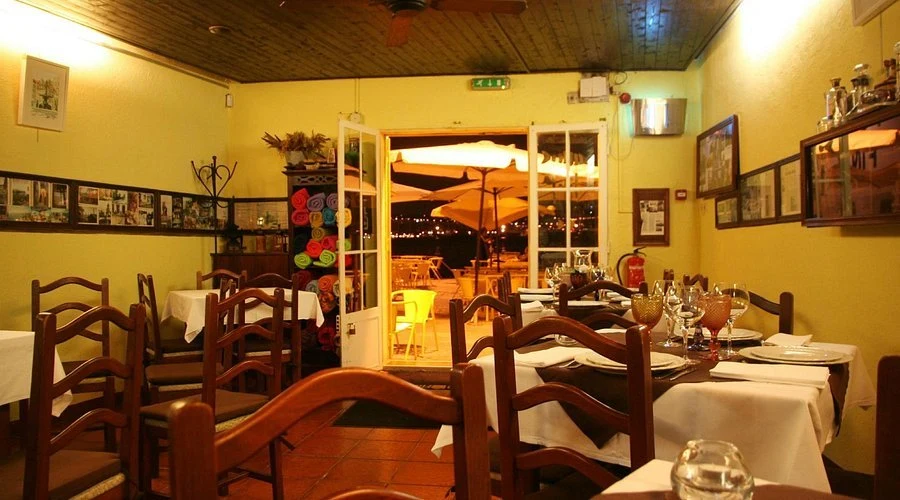
Arriving at Ponto Final by ferry from Cais do Sodré takes approximately ten minutes and deposits you at Cacilhas, from where the Ginjal is a short walk along the waterfront path. The approach on foot gives you the cliff to one side and the river opening ahead. The restaurant occupies a converted warehouse-format space typical of the Ginjal's architectural stock, with terrace seating extending toward the water's edge. The panorama from that terrace takes in the Ponte 25 de Abril, the Cristo Rei monument, and Lisbon's hillside silhouette from Alfama to Belém, a view that changes register entirely at dusk when the city's lights replace the afternoon glare.
This is the kind of setting that recurs in Portuguese dining's most culturally resonant moments. The country has a long tradition of pairing significant meals with significant water views, from the Douro-facing tables at The Yeatman in Vila Nova de Gaia to the Atlantic exposure of Fortaleza do Guincho in Cascais. Ponto Final belongs to the same geographical logic, though it operates in a completely different register: no formal service codes, no tasting menu architecture, no sommelier programme. What it shares with those addresses is the insistence that place is primary.
Almada's Dining Position
Almada is not a destination city in the way that Porto or the Algarve coast draws international itineraries. It functions primarily as a Lisbon satellite, and its restaurant scene reflects that: a mix of neighbourhood tascas, a few newer addresses including Ataoka Ramen Lab and Fidalgue Sushi, and a waterfront strip on the Ginjal that draws visitors primarily for the view and the informality. The city sits outside Portugal's Michelin geography, which concentrates its Portuguese starred kitchens in Lisbon, Porto, and the Algarve. Addresses like Ocean in Porches, Vila Joya in Albufeira, Bon Bon in Lagoa, and Al Sud in Lagos define the Algarve's formal end of the spectrum; Almada plays an entirely different role in the national dining map.
That positioning is not a limitation. It is a clarification. Ponto Final is not competing with the creative Portuguese kitchens at Antiqvvm in Porto or A Cozinha in Guimaraes. It occupies a category defined by access, setting, and the kind of directness that Portugal's tavern tradition has always valued over technical elaboration. In that comparable set, which includes the Ginjal's other riverside restaurants, the competition is for the leading terrace angle and the freshest catch, not for Michelin attention.
Where It Sits Relative to the Broader Portuguese Scene
Portugal's fine dining tier has expanded considerably over the past decade. Beyond Lisbon's concentration of recognised kitchens, addresses like Il Gallo d'Oro in Funchal, A Ver Tavira in Tavira, and G Pousada in Bragança extend the country's dining ambition into its regions. Internationally, the conversation about serious seafood-focused cooking reaches beyond Portugal entirely: Le Bernardin in New York City and Atomix in New York City represent what concentrated technique and investment can do within a single cuisine lane. Ponto Final does not position itself against any of that. Its argument is geographic and cultural: that eating fish at a table on the Tagus, watching the ferries cross and the bridge turn red in the late light, is a form of Portuguese dining that carries its own authority.
Planning Your Visit
The practical logic of a Ponto Final visit runs through the ferry rather than the road. The Transtejo ferry from Cais do Sodré to Cacilhas runs frequently throughout the day and evening, and the crossing is brief enough that it functions as an aperitif rather than a transit ordeal. From Cacilhas, the Ginjal waterfront path leads directly to the restaurant's address at number 72. The terrace fills quickly on weekends and during summer evenings when the light on the river is at its most persuasive, so arriving in the mid-afternoon or booking in advance for dinner is the more reliable approach. The Ginjal as a whole is best experienced outside of peak summer lunch hours, when the path and the terraces are less crowded and the river has more room to assert itself.
Questions
Frequently asked
How expensive is Ponto Final?
Ponto Final is listed at a price level of $$.
Where is Ponto Final and what does it serve?
Ponto Final is in Cacilhas, Almada, serving Traditional Portuguese Seafood.
The field
How it compares
| Place | Cuisine | Notes | Awards |
|---|---|---|---|
| Ponto Final | Traditional Portuguese Seafood | Cacilhas, $$ | · |
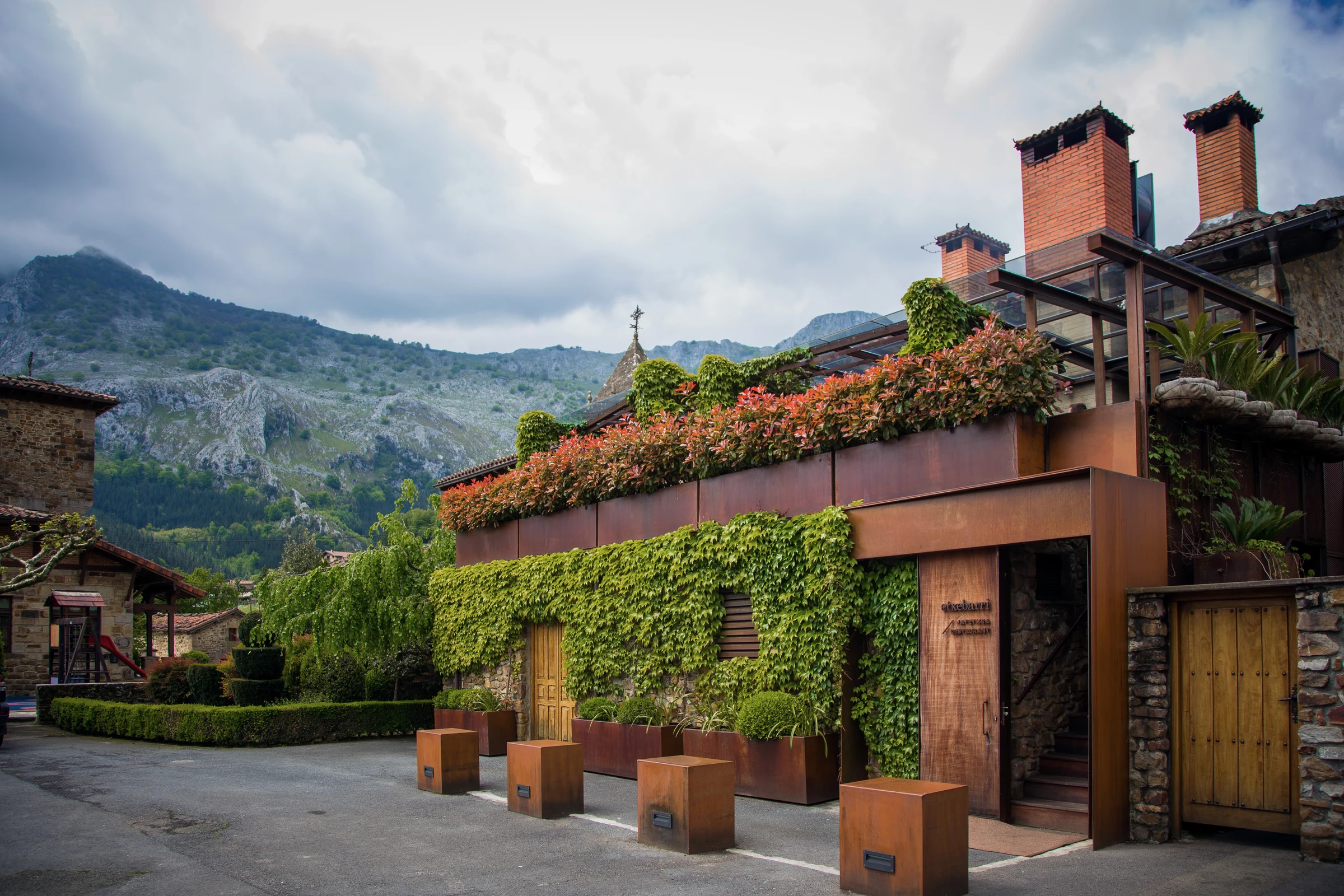
| Asador Etxebarri | Basque Wood-Fired Grill | Atxondo | Michelin 1 Star, World's 50 Best |
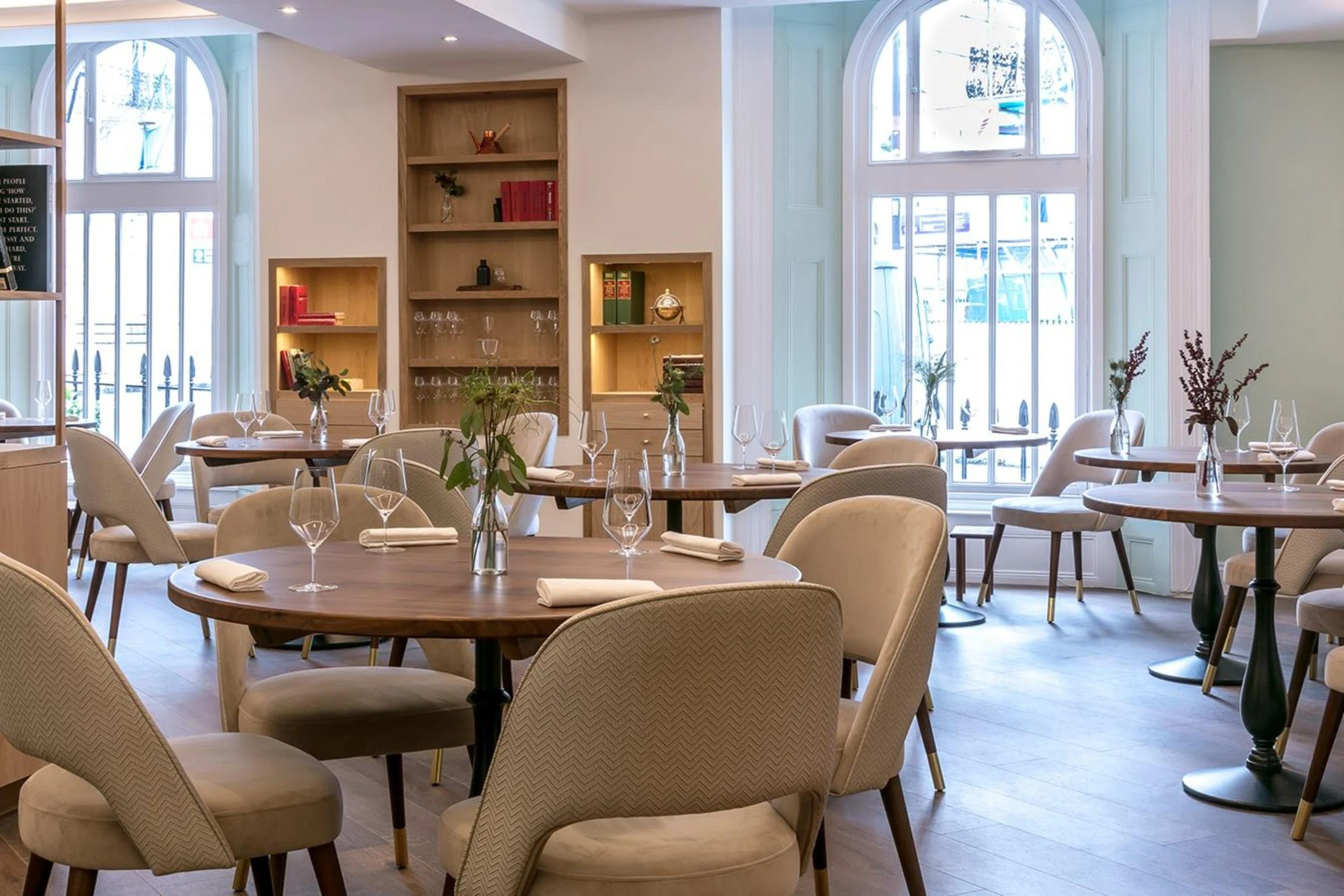
| CORE by Clare Smyth | Modern British Fine Dining | London | Michelin 3 Stars, World's 50 Best |
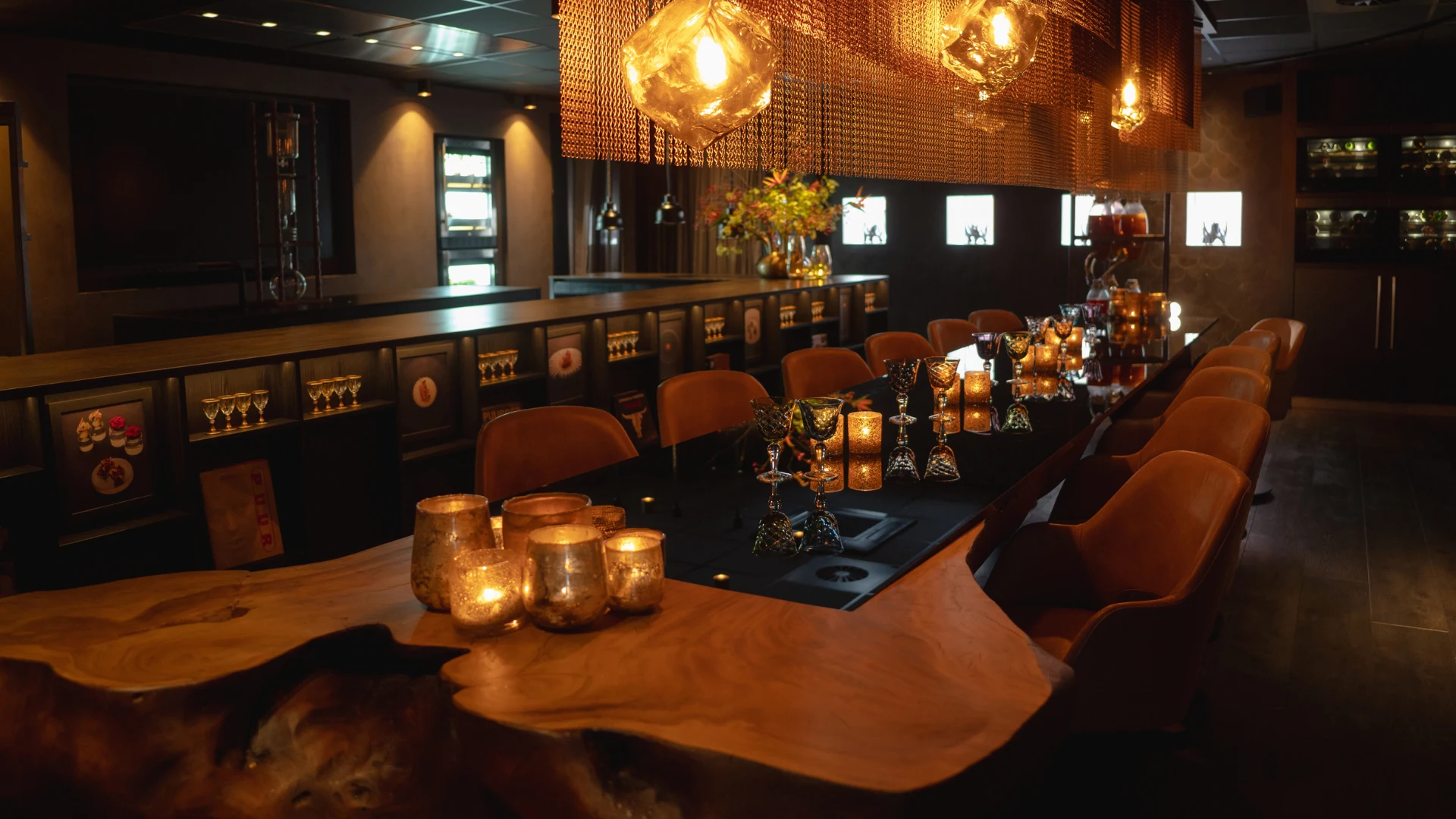
| De Librije | Modern Dutch Fine Dining | Zwolle | Michelin 3 Stars, World's 50 Best |
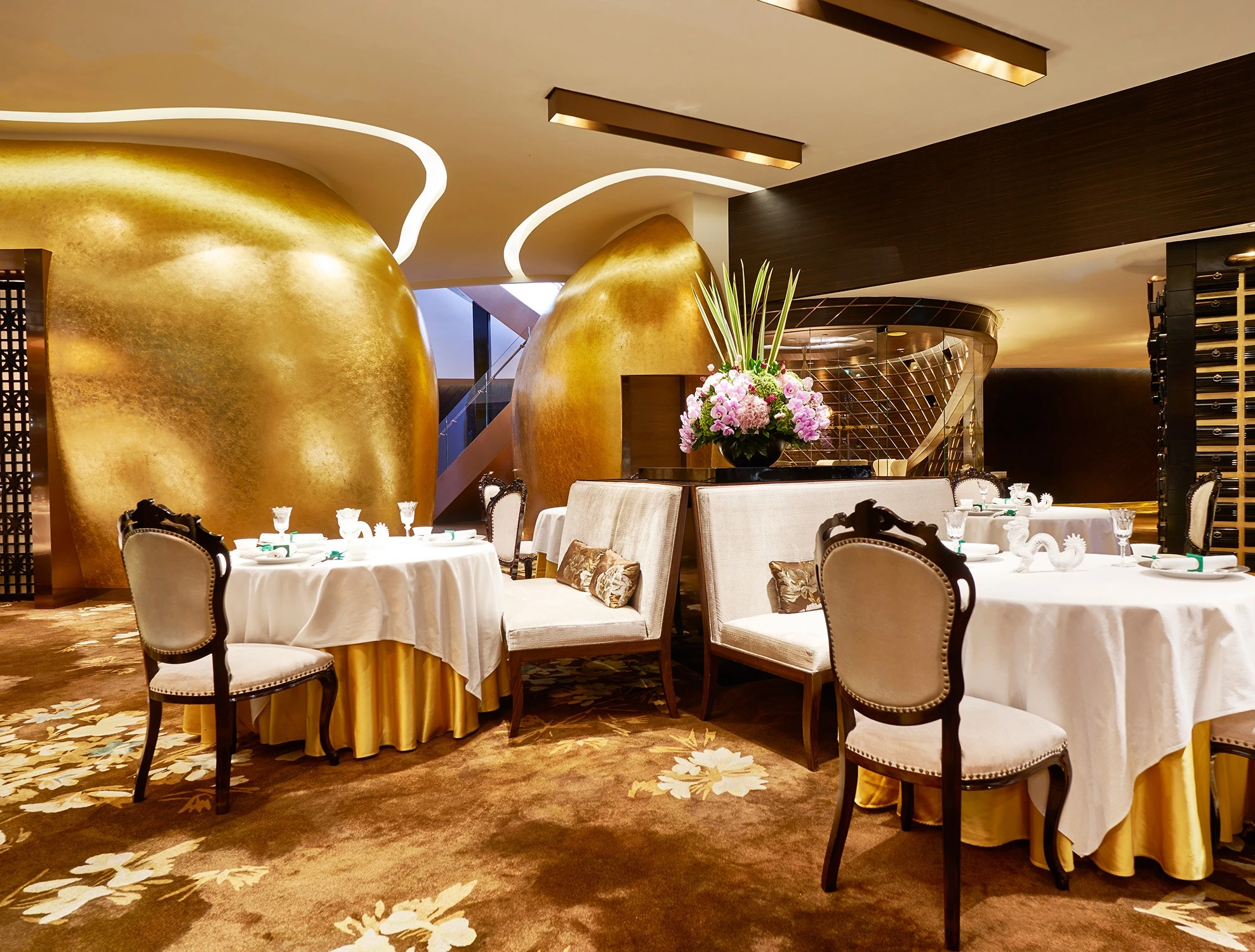
| Jade Dragon | Three Michelin-Star Cantonese Fine Dining | Macau | Michelin 3 Stars, World's 50 Best |
| Osteria Francescana | Avant-Garde Italian Contemporary | Modena | Michelin 3 Stars, World's 50 Best |
| Quintonil | Modern Mexican Fine Dining | Mexico City | Michelin 2 Stars, World's 50 Best |
Similar places
Basque Wood-Fired Grill
Asador Etxebarri
Atxondo, Spain
★ · 50 Best
Modern British Fine Dining
CORE by Clare Smyth
London, United Kingdom
★★★ · 50 Best
Modern Dutch Fine Dining
De Librije
Zwolle, Netherlands
★★★ · 50 Best
Three Michelin-Star Cantonese Fine Dining
Jade Dragon
Macau, Macau
★★★ · 50 Best
Avant-Garde Italian Contemporary
Osteria Francescana
Modena, Italy
★★★ · 50 Best
Modern Mexican Fine Dining
Quintonil
Mexico City, Mexico
★★ · 50 Best