Port of Leith Distillery
- 01CityEdinburgh, United Kingdom
Whisky Returns to the Water: Leith's Distilling Revival
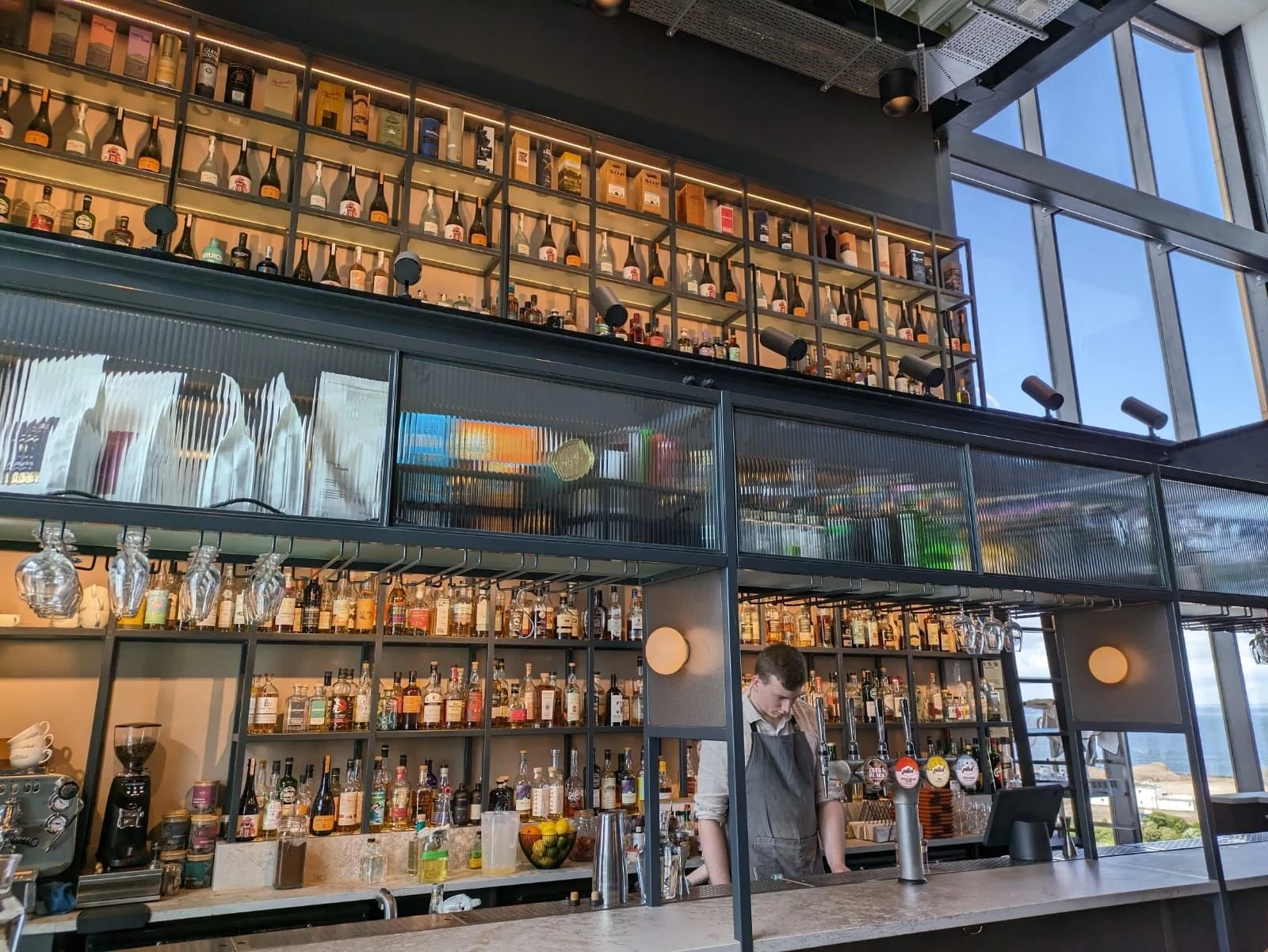
The story of spirits production in Leith is older than most people realise. For centuries, the port handled the import of molasses, the export of finished whisky, and the unglamorous logistics that underpinned Scotland's most traded commodity. Then the industry centralised, rural distilleries consolidated, and Leith's relationship with whisky became archival rather than active. Port of Leith Distillery, a modern Scottish gastropub at 11 Whisky Quay in Edinburgh, represents the reversal of that trajectory. It sits where the Water of Leith meets the Firth of Forth, in a converted grain silo that reads as functional architecture repurposed rather than sanitised, exposed concrete, industrial scale, the building's history legible in its bones.
Arriving at Whisky Quay, the surrounding context matters. This stretch of Leith has been mid-transformation for years, with creative studios, waterfront hospitality, and residential development accumulating alongside the older maritime infrastructure. The distillery is not an isolated heritage attraction but part of a neighbourhood that has reclaimed its waterfront identity through density and mixed use. That positioning shapes what visiting feels like: less museum, more working operation that happens to be accessible.
Urban Distilling and the Craft Production Shift
Scotland's distilling geography has, for most of the last century, been defined by remoteness. Speyside, Islay, the Highlands, the canonical regions draw authority partly from their distance from population centres, their water sources, their weather. Urban distilling inverts that logic. When a distillery operates inside a city, the relationship between production and audience compresses. Visitors are not making pilgrimages; they are passing through or making a short detour. The experience has to function differently.
Port of Leith Distillery operates within this urban craft model, which has grown across the United Kingdom and Europe over the past decade as licensing reform and changing consumer expectations made city-centre production viable. In Edinburgh specifically, the category sits alongside a broader premium drinks culture that spans gin distilling, independent bottling, and the kind of whisky retail infrastructure, auction houses, specialist merchants, collector networks, that makes the city a serious market rather than just a tourist draw. Edinburgh's whisky scene is stratified: volume tourism at one end, serious collector engagement at the other, with the craft urban distillery occupying a middle position that tries to address both.
The Silo Setting and What It Signals
Grain silos are not sentimental buildings. They were built to store commodity at scale, and their architecture reflects that priority: height, volume, structural efficiency. Repurposing one for whisky production carries a certain logic, both functions require controlled environment and significant vertical space, but it also makes an argument about what the distillery wants to be. The building is not dressed up. It signals that production is the point, and that the visitor experience is built around access to that production rather than layered over it.
This distinguishes Port of Leith Distillery from the category of heritage visitor centres attached to established rural operations, where the distillery itself may be off-limits and the experience is curated around brand history. Here, the building is the brand history, and it is still being written. Single malt Scotch whisky requires a minimum of three years in cask before it can be legally labelled as such, which means any distillery that opened in recent years is still in the accumulation phase, spirit is maturing, and the full product story is still developing. That temporal reality is itself an interesting lens for visitors: you are seeing a distillery at an earlier stage of its identity formation than you would at an established Speyside operation.
Leith as Context: Eating, Drinking, and Where Port of Leith Distillery Fits
Leith's hospitality character has shifted considerably. The neighbourhood that once had a reputation primarily as a working port now holds some of Edinburgh's most serious restaurant addresses. Martin Wishart and The Kitchin both operate here at the ££££ bracket, anchoring a dining scene that punches above the neighbourhood's square footage. Timberyard, with its Nordic-influenced modern British approach, adds a different register. The distillery sits within this broader premium hospitality concentration rather than separate from it, which is relevant for planning purposes: a visit to Whisky Quay can be combined with dinner at one of Leith's established restaurants without requiring much geographic extension.
For visitors building an Edinburgh itinerary around serious food and drink, the city's restaurant tier is well-documented. AVERY and Condita represent the creative modern cuisine end of the spectrum, alongside the recognised addresses in Leith. Internationally, readers with a reference point from operations like CORE by Clare Smyth in London or Le Bernardin in New York City will find Edinburgh's premium hospitality operating at a different scale but with comparable seriousness at its upper tier.
Planning a Visit to Port of Leith Distillery
Whisky Quay is reachable by a short walk from Leith's main thoroughfare, Ocean Terminal, or by taxi from Edinburgh city centre in under fifteen minutes depending on traffic. The waterfront setting means the approach on foot along the shore has its own character, particularly in the longer daylight hours of a Scottish summer evening. For those combining the distillery with dinner in Leith, timing a late afternoon visit before an evening reservation makes practical sense geographically.
Visitors with broader UK travel plans may find useful points of comparison in rural distillery visits across Scotland, or in the kind of producer-access experiences increasingly common at England's premium food and drink addresses, from L'Enclume in Cartmel to Moor Hall in Aughton, both of which have developed strong producer-to-plate narratives of their own. The appetite for access and process transparency that drives those experiences is the same appetite Port of Leith Distillery addresses on the drinks side.
Questions
Frequently asked
How expensive is Port of Leith Distillery?
Port of Leith Distillery is listed at a price level of $$$.
The field
How it compares
| Place | Notes |
|---|---|
| Port of Leith Distillery | Leith Docks, $$$ |
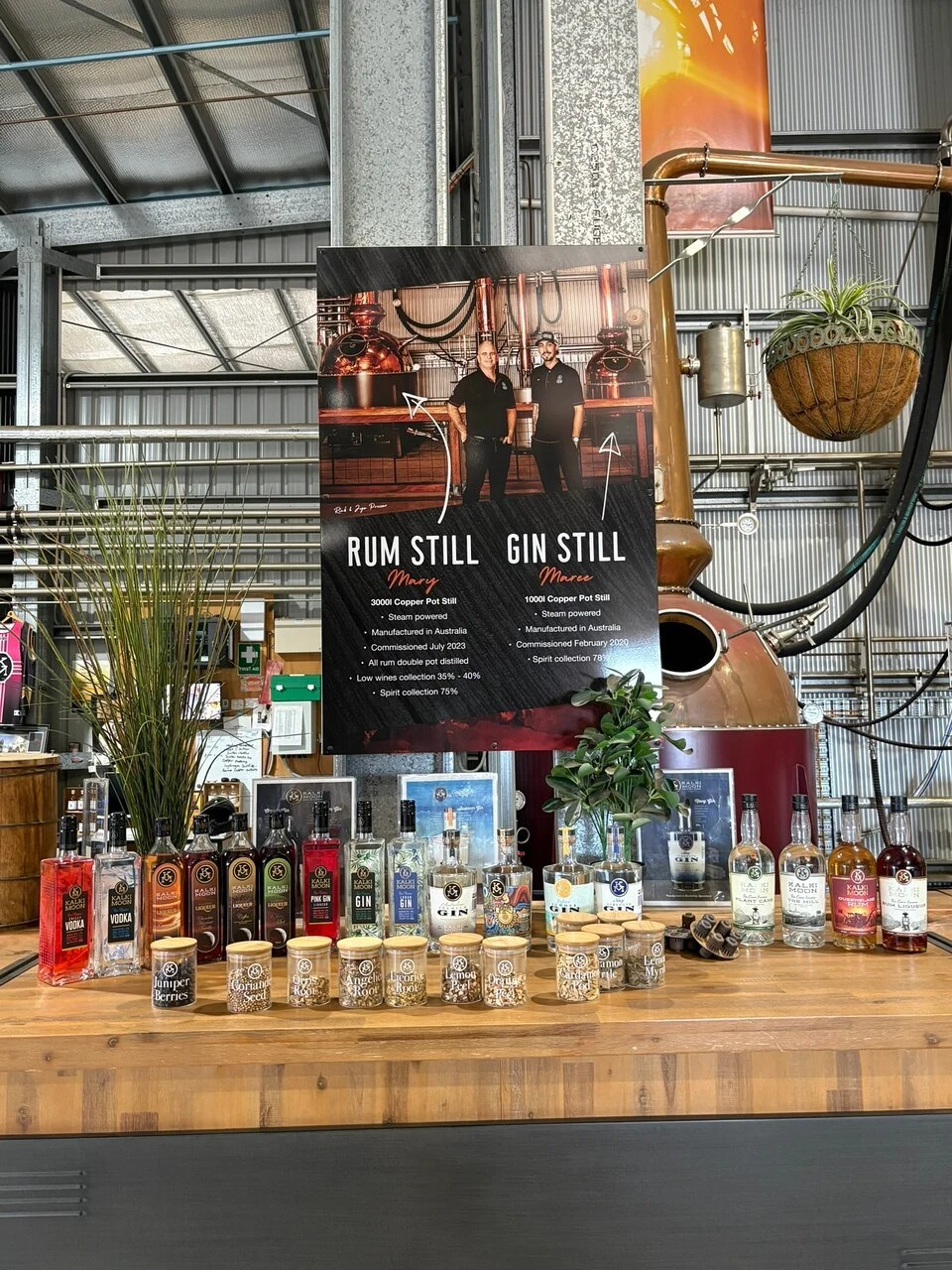
| Kalki Moon Distilling | Bundaberg |
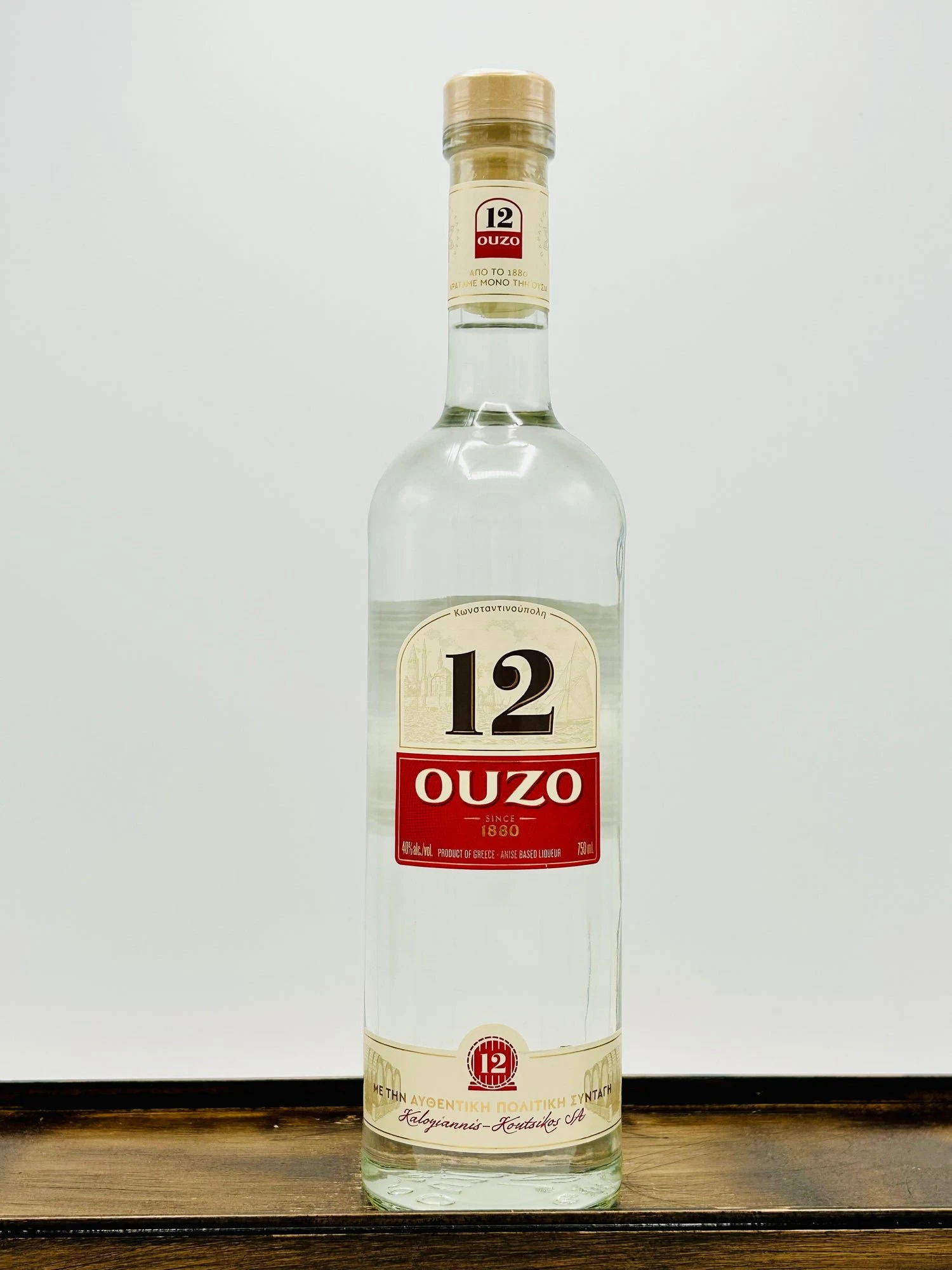
| Kaloyannis Distillery (Ouzo 12) | Volos |
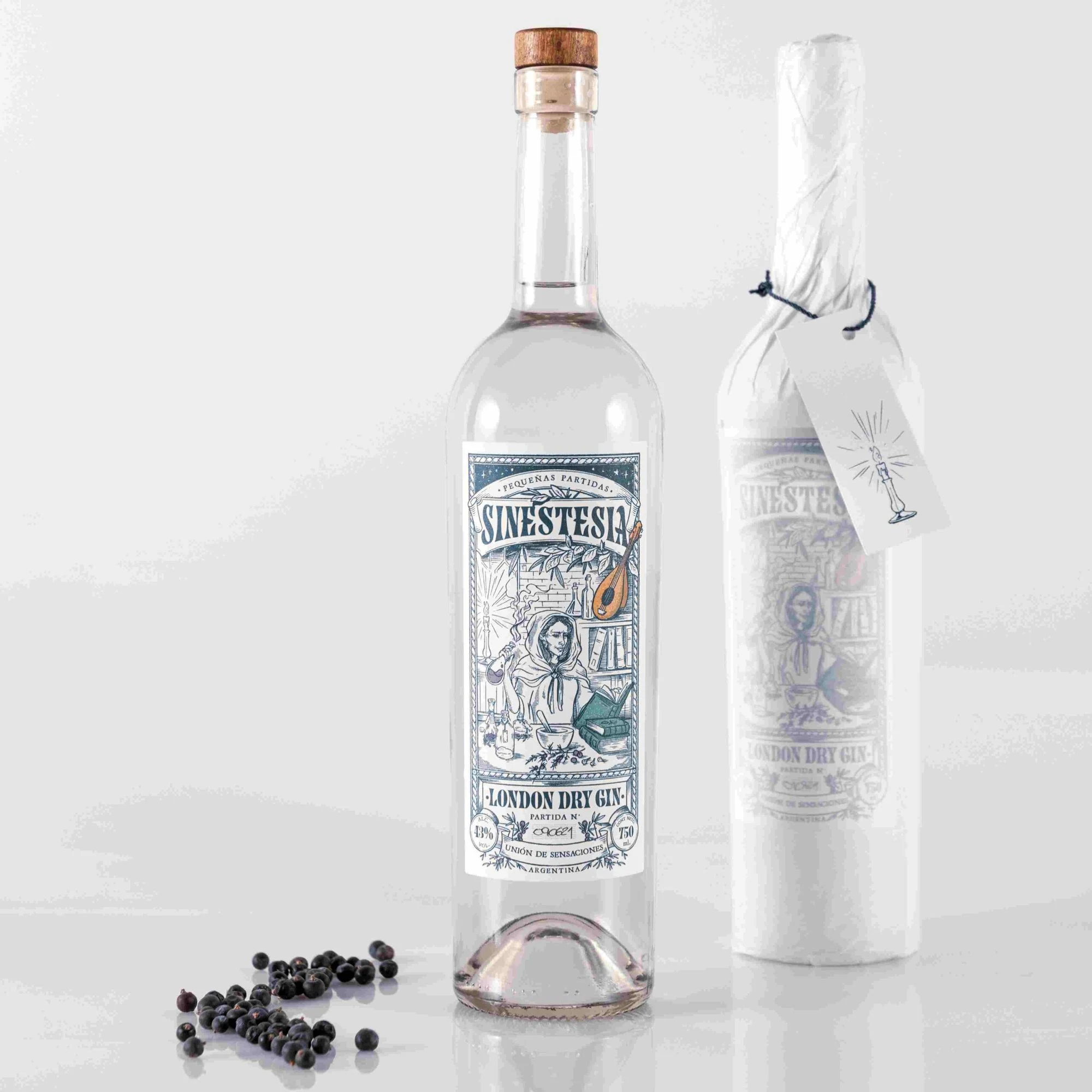
| Sinestesia Destilería | Buenos Aires |
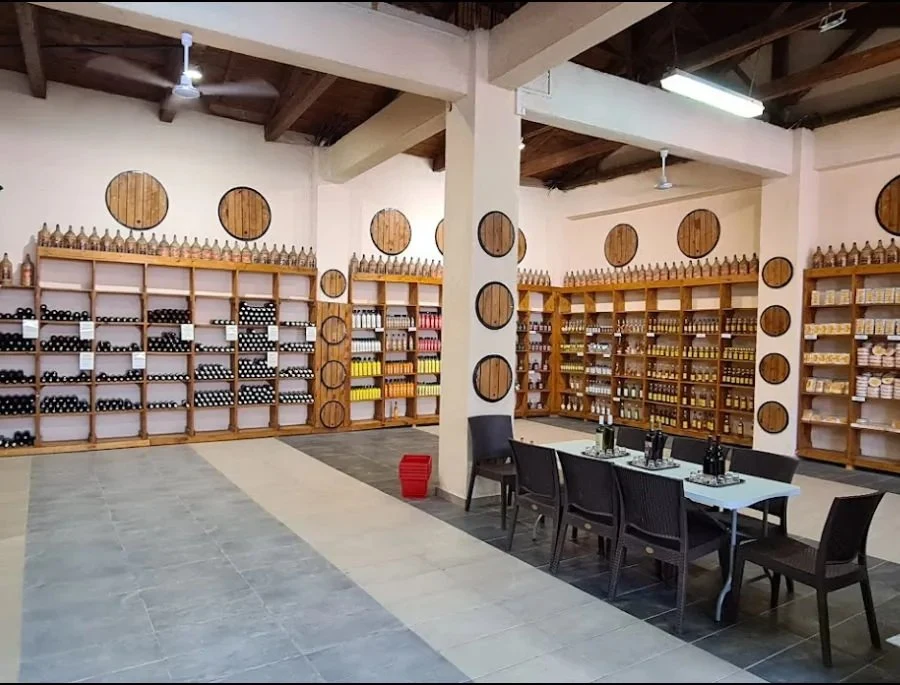
| Vassilakis Distillery | Heraklion |
| Wilderer Distillery | Paarl |
| Zululand Distilling Co. (Tapanga Rum) | Gingindlovu |