Pulker's Heuriger
- 01CityRuhrsdorf, Austria
- Falstaff Winery - Listed · 2026
Approach the southern side of the Wachau and the grammar of the place changes quickly: vineyard rows, apricot trees, river light, and tavern tables replace the staged polish of a formal cellar door. The Heuriger tradition works because it refuses to separate wine from appetite. Wine is not presented as an abstract object in glassware; it is tied to bread, spreads, roasts, cheese, conversation, and the agricultural mood of the Danube valley.
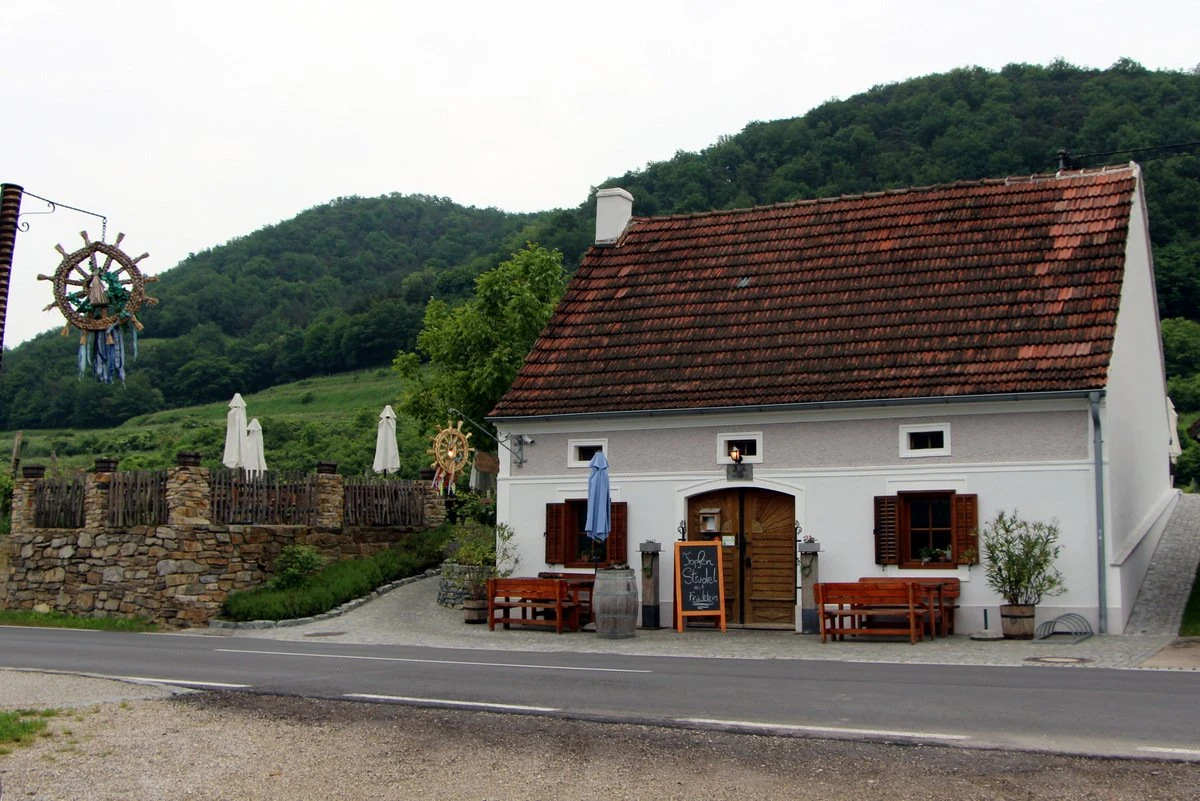
Pulker's Heuriger belongs to that older Austrian category: a wine-grower tavern rather than a conventional restaurant. The distinction matters. In a region where visitors can treat wine country as a sequence of appointments, the Heuriger format restores a slower hierarchy. The land comes first, then the wine, then the table. The Wachau's stone terraces, river corridor, fruit trees, and village scale are not backdrop here; they shape the way the meal is meant to be understood.
Wachau wine culture served at tavern tempo
A classic Heuriger is built around the current wine and the social function of drinking it locally. That makes the format unusually resistant to luxury theatre. The point is not a choreographed pairing menu or a collector's vertical. It is the local wine-grower opening a tavern table to the rhythms of the region, with food that gives the wine weight and context.
At Pulker's Heuriger, the emphasis sits squarely in that tradition. The setting is described as a rustic garden and terrace under apricot trees, with views across the Danube, vineyards, Ried Achleiten, and the ruins of Dürnstein. Those details are not decorative. Wachau identity depends on the collision of river climate, steep viticulture, and fruit agriculture; a tavern framed by vines and apricot trees communicates that more directly than a polished tasting counter.
The wine identity is similarly place-led. The venue is tied to the Wachau appellation and associated with Bernd Pulker, named as winemaker in the venue details and as chef in Gault&Millau's listing, with Christian Haidn listed as sous chef and Clemens Rohrhofer as maitre. That overlap between wine and kitchen leadership is instructive: the Heuriger is not merely serving wine beside food, it is using food to hold the wine in its local setting.
Gault&Millau lists Pulker's Heuriger in its 2026 guide as an “Empfehlung außerhalb der Haubenwelt,” a recommendation outside the toque-award system. That is the right kind of recognition for this format. A Heuriger should not be judged as if it were chasing haute cuisine signals; its authority lies in regional continuity, confident simplicity, and a room where wine country remains agricultural rather than theatrical.
Roasts, spreads, bread, and the logic of abundance
The food reads as Wachau tavern language rather than restaurant authorship. House-made roasts, mature Austrian cheeses, spreads, rustic bread, rolls, and the Pulker-Torte form the core grammar. The table is meant to absorb wine, not distract from it. This is where the Heuriger tradition becomes editorially interesting: the meal is less about choice than trust in a known regional repertoire.
Specific dishes matter because they explain the format. Homemade spreads, fresh vegetables, game from local hunters, goat cheese, black pudding, pork fat spread, onion-and-paprika cheese spread, ham, pickles, and roasted pork belly with crackling have all been described in coverage of the tavern's food program. The effect is not refinement for its own sake; it is density, salt, fat, acidity, and bread, the practical architecture of wine tavern eating.
That structure also explains why the place sits outside normal restaurant expectations. A Heuriger can feel menu-light because the decision is often simpler than in a dining room: wine, food, and the table filling with what belongs to the house style. For travelers used to tasting flights and reservation scripts, this is a useful recalibration. The Wachau is not only a landscape for Riesling and Grüner Veltliner; it is a social culture of drinking locally, eating generously, and allowing time to loosen.
The Pulker-Torte adds another clue to the tavern's reputation. Gault&Millau identifies it alongside the house-made roasts as a recognizable marker, which places the kitchen's identity in durable regional memory rather than novelty. In a wine region, that durability has value. It tells the visitor that the food is not trying to modernize the Heuriger into something sleeker; it is protecting the tavern's vernacular.
How to read the setting before choosing the table
The practical question is not whether this is a fine-dining address. It is not. The better question is whether the traveler wants Wachau wine culture in its social form. The venue's outdoor seating, garden, terrace, vineyard setting, conversational noise level, family suitability, group friendliness, and dog-friendly policy all point toward a relaxed tavern model. Cash is listed among payment options, a useful signal in rural wine-country hospitality.
For a broader Ruhrsdorf plan, treat the Heuriger as part of a wine-country circuit rather than a standalone meal. Nearby editorial planning can begin with Our full Ruhrsdorf restaurants guide, then widen into Our full Ruhrsdorf wineries guide, Our full Ruhrsdorf hotels guide, Our full Ruhrsdorf bars guide, and Our full Ruhrsdorf experiences guide. For wine-focused mapping beyond the tavern table, also look at Weingut Georg Frischengruber.
Austria's wider drinks culture ranges well beyond Wachau taverns, and that contrast helps define what makes this format specific. Compare the category map through »der Steiner« Hans Steiner in Podersdorf am See, ®walzer in Gneixendorf Bei Krems, 1516 Brewing Company Distillery in Vienna, A-Nobis Sektkellerei in Zurndorf, Abfindungsbrennerei Franz in Leithaprodersdorf, Achs-Wendelin Weine in Gols, Aeijst Distillery in Sankt Nikolai im Sausal, & Handwein in Mannheim, and 00 Wines in Carlton. Pulker's Heuriger belongs at the agricultural, table-bound end of that spectrum: less collector performance, more Wachau translated through wine, bread, pork, cheese, apricot trees, and river air.
Questions
Frequently asked
How expensive is Pulker's Heuriger?
Pulker's Heuriger is listed at a price level of $$.
The field
How it compares
| Place | Notes | Awards |
|---|---|---|
| Pulker's Heuriger | Rührsdorf / Rossatz-Arnsdorf, $$ | · |
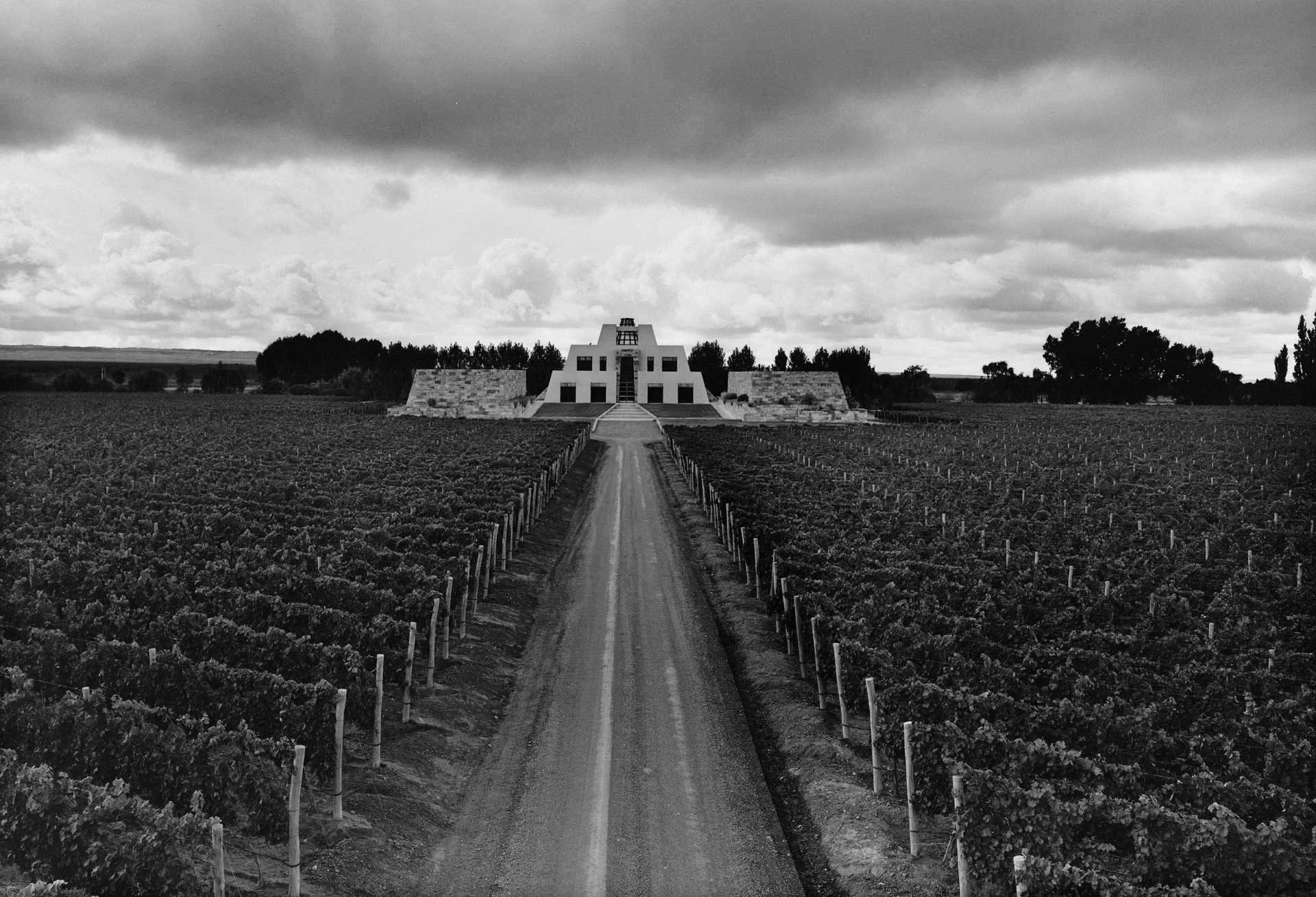
| Catena Zapata | Agrelo | World's 50 Best |
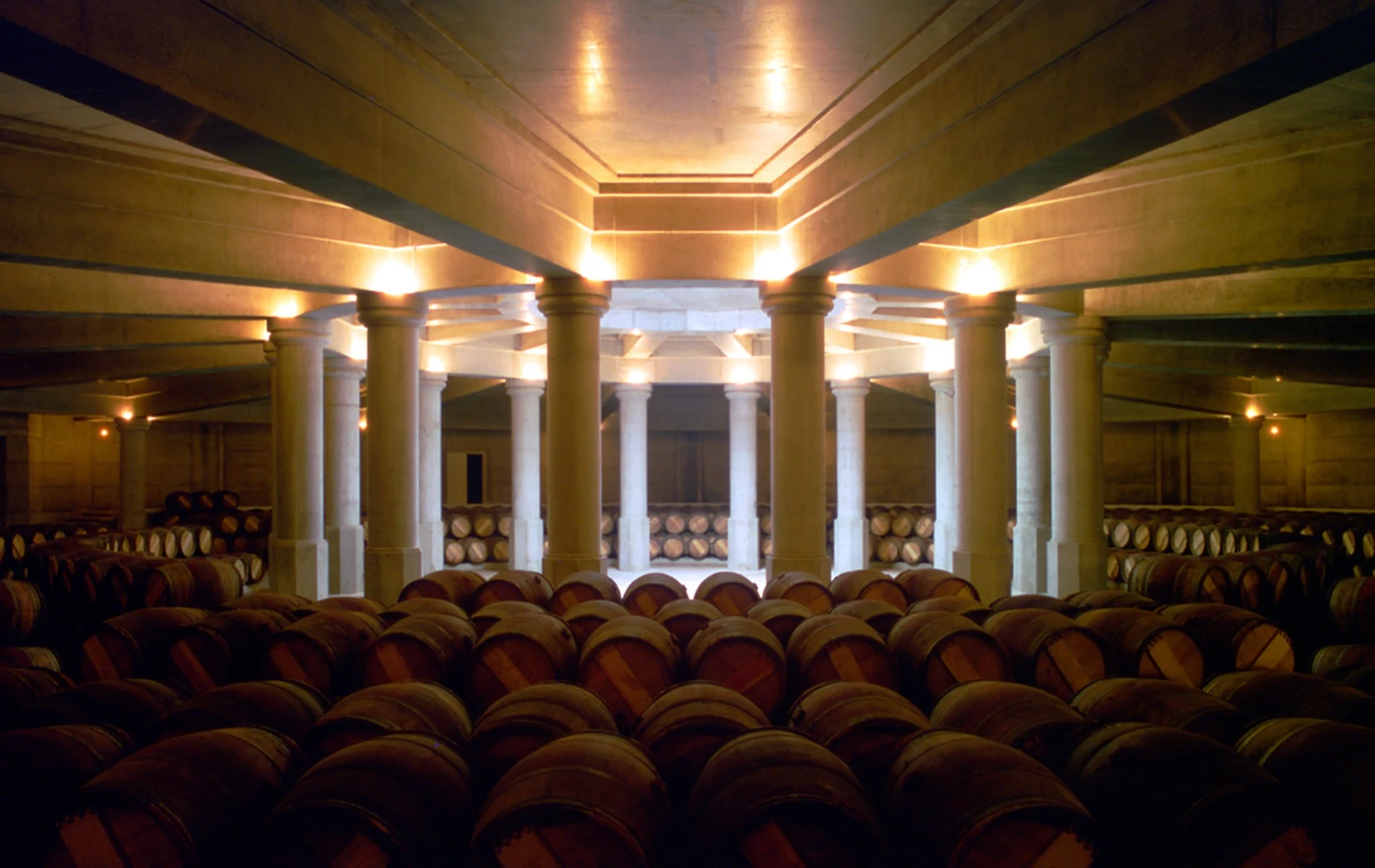
| Chateau Lafite Rothschild | Pauillac | · |
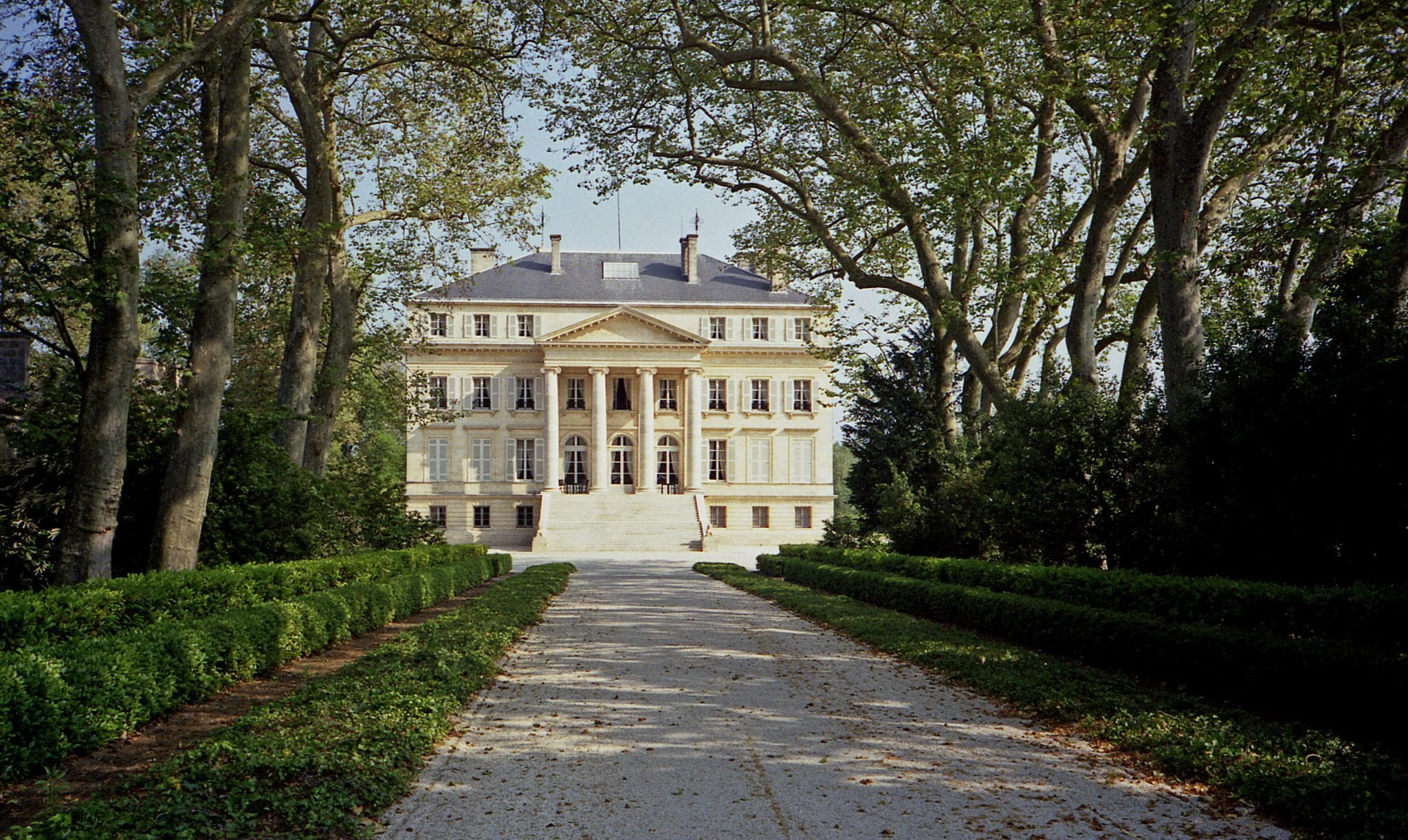
| Château Margaux | Margaux | World's 50 Best |
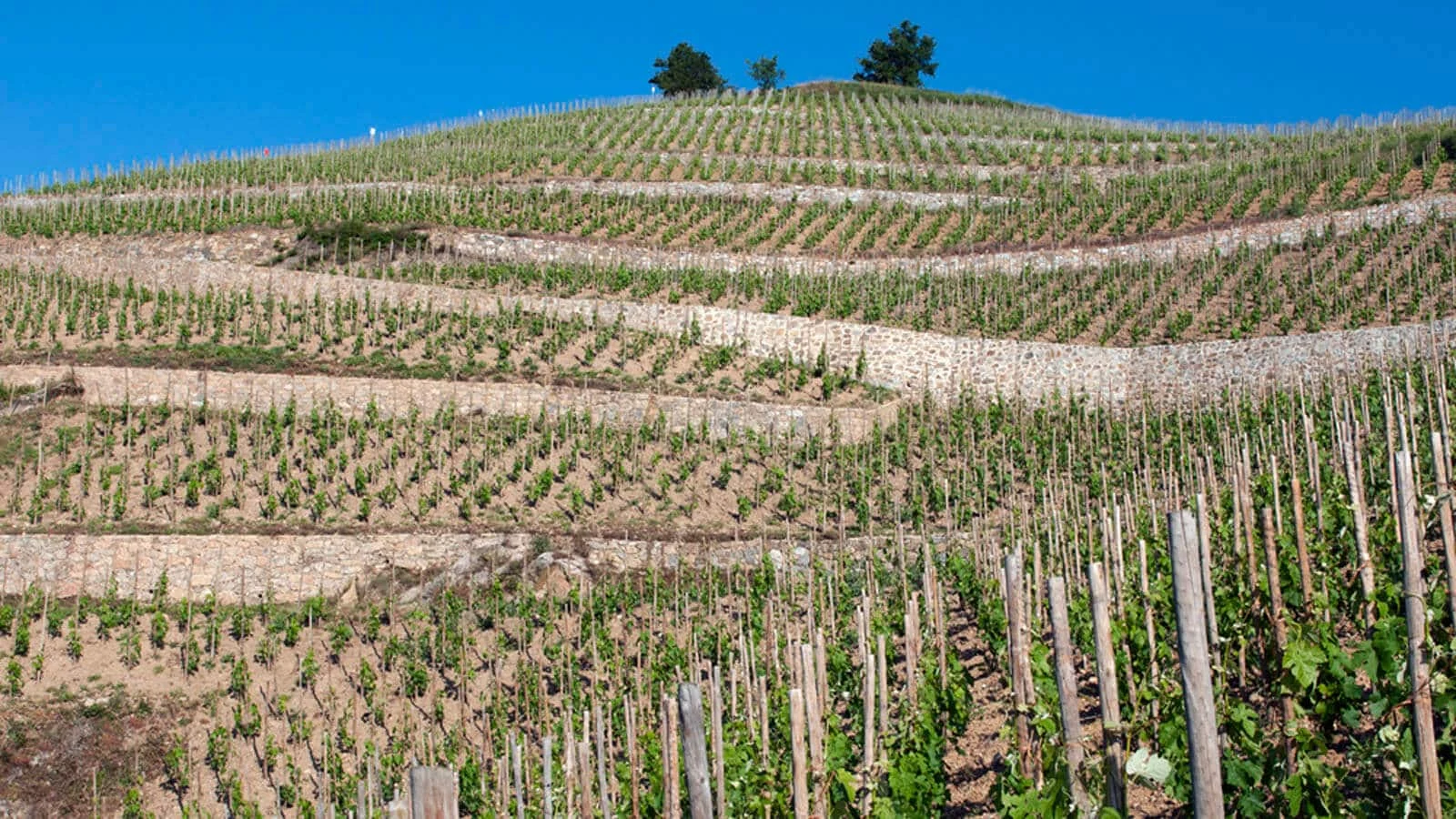
| Domaine Jean-Louis Chave | Mauves | · |
| Hundred Acre | Napa | · |
| Weingut Georg Frischengruber | Ruhrsdorf | · |