Quinta do Homem
- 01CityPico, Portugal
- Falstaff Winery - Listed · 2026
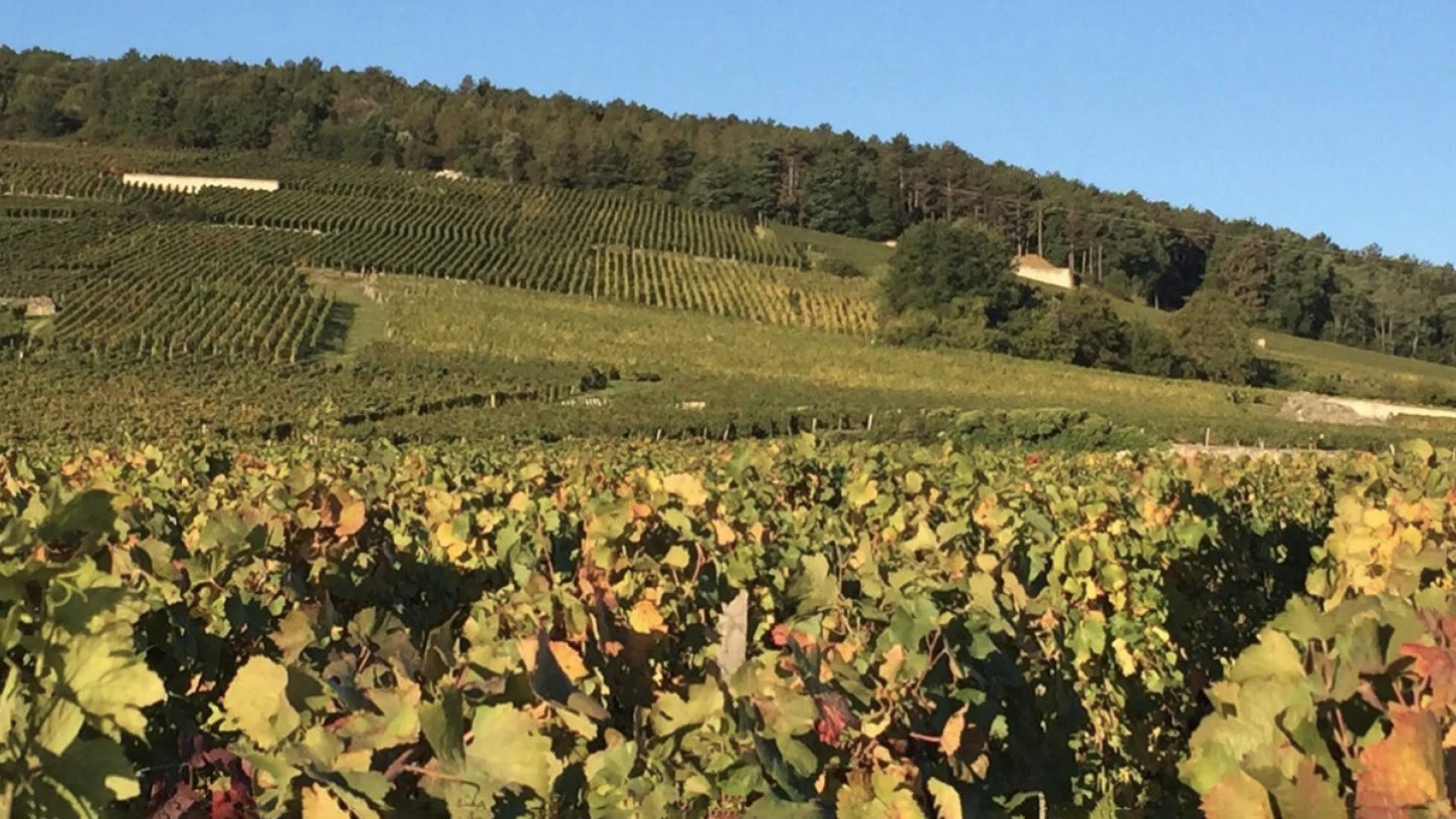
Approach the Vinho Verde idea through texture before romance: green vineyard views, a quiet rural tempo, and wines built for lift rather than weight. In northern Portugal, that usually means whites with snap, reds that stay agile, and a cultural expectation that wine belongs beside food, conversation, and weather rather than ceremony. Quinta do Homem fits that register: family-run, medium-scale, rooted in native grapes, and shaped by a production model that pairs older vineyard habits with a remodeled 650 m2 cellar from 2011.
Pico can confuse the reader at first glance because the name points many wine travelers toward the Azores, but this address belongs to Pico in Vila Verde, Braga, inside the Vinho Verde DOC. That distinction matters. Vinho Verde is not a single flavor so much as a regional grammar: Atlantic humidity, granitic soils across much of the broader zone, early-picked freshness, and varieties that reward precision over extraction. The useful lens here is not collectible scarcity. It is how a producer handles freshness without reducing the wines to simple aperitif duty.
Native grapes, clean lines, and the Vinho Verde brief
Vinho Verde’s modern premium conversation has moved beyond the old stereotype of light, faintly spritzy white wine. Loureiro and Alvarinho can carry perfume and structure; Arinto brings acidity; Fernão Pires adds aromatic breadth when handled carefully; Vinhão gives the region a red-wine identity that is darker, brisker, and more food-oriented than many visitors expect. Quinta do Homem’s listed grape range covers that practical spectrum, which makes the estate useful for understanding the DOC through more than a single white-wine shorthand.
The cellar renovation in 2011 is a relevant signal because Vinho Verde depends on control. Freshness is not accidental at this tier; it requires temperature discipline, clean handling, and enough technical precision to preserve aromatics without sanding away regional character. A 650 m2 modernized cellar places the winery in a category where family scale and contemporary equipment can coexist. That is often where the region is most instructive: not industrial volume, not museum-piece rusticity, but a working production culture trying to keep native varieties clear, bright, and commercially legible.
The house style is described around fresh, elegant Vinho Verde wines, a phrase that should be read in regional terms. In this DOC, elegance usually comes from restraint: moderate body, acidity as architecture, and fruit kept in proportion. The presence of both still white and still red styles also matters. Visitors who only associate the region with chilled white wine miss a broader drinking tradition, especially around Vinhão, where color and acidity sit closer to local table culture than international red-wine expectations.
A quiet winery format for learning the region
Experience is built around tasting rather than spectacle. That may sound modest, but in Vinho Verde it can be the correct format. The region rewards comparative drinking: Loureiro against Arinto, Alvarinho against broader aromatic blends, white freshness against the firmer personality of local red varieties. A 60- to 90-minute tasting gives enough time to register those differences without turning the visit into a staged performance.
Food pairing availability adds another layer because Vinho Verde is rarely at its strongest in isolation. The wines make more sense with salt, seafood, white meats, vegetable dishes, cured elements, and the acidic-fatty push and pull of northern Portuguese cooking. The point is not luxury theater; it is calibration. Acidity, alcohol, and texture show their purpose when food is on the table.
The quiet, rustic-classic atmosphere also positions the winery away from the high-volume tourism model now common in better-known European regions. That has advantages for groups, corporate tastings, and wine education, provided the visit is treated as a structured appointment rather than a drop-in detour. Portuguese is the listed tour language, so international visitors should plan accordingly if detailed technical explanation is central to the trip.
Sustainability is part of the stated production philosophy, and in Vinho Verde that term is most meaningful when tied to vineyard work, disease pressure, water, canopy management, and the realities of an Atlantic-influenced region. The more credible reading is practical rather than decorative: sustainable farming in this climate has to deal with humidity and freshness goals at the same time. That tension is part of what makes northern Portuguese wine culture technically demanding.
How to place it in a Portugal wine itinerary
Quinta do Homem belongs in an itinerary for travelers who want Vinho Verde as a regional study, not just a lunch wine. It is a stronger fit for drinkers interested in native grapes, cellar modernization, family-scale production, and the difference between fresh wine and simple wine. Those building a wider Portugal route can use Our full Pico wineries guide for local context, then compare northern Portugal’s lighter register with inland and southern producers such as Adega Cartuxa (Fundação Eugénio de Almeida) in Évora, Adega Cooperativa de Borba in Borba, Adega do Monte Branco in Estremoz, and Adega do Vadio in Poutena.
For a specifically northern track, the comparison becomes more useful across Vinho Verde addresses and nearby wine-country operators: Adega Cooperativa de Ponte de Lima in Ponte de Lima, Adega Cooperativa Regional de Moncao in Monção, Adega Cooperativa de Vale Cambra, CRL in Vale De Cambra, and 1912Winemakers LDA in Porto. Travelers extending the route beyond Portugal can also read cellar culture against Central European addresses such as »der Steiner« Hans Steiner in Podersdorf am See and & Handwein in Mannheim.
Wine should not carry the whole trip. Pico’s broader planning ecosystem can be mapped through Our full Pico restaurants guide, Our full Pico hotels guide, Our full Pico bars guide, and Our full Pico experiences guide. The editorial reason to include this winery is clear: it gives Vinho Verde a grounded, native-grape frame, with enough technical infrastructure to show how freshness is made rather than merely claimed.
Questions
Frequently asked
How expensive is Quinta do Homem?
Quinta do Homem is listed at a price level of $$.
The field
How it compares
| Place | Notes | Awards |
|---|---|---|
| Quinta do Homem | Pico, Vila Verde, Braga, $$ | · |
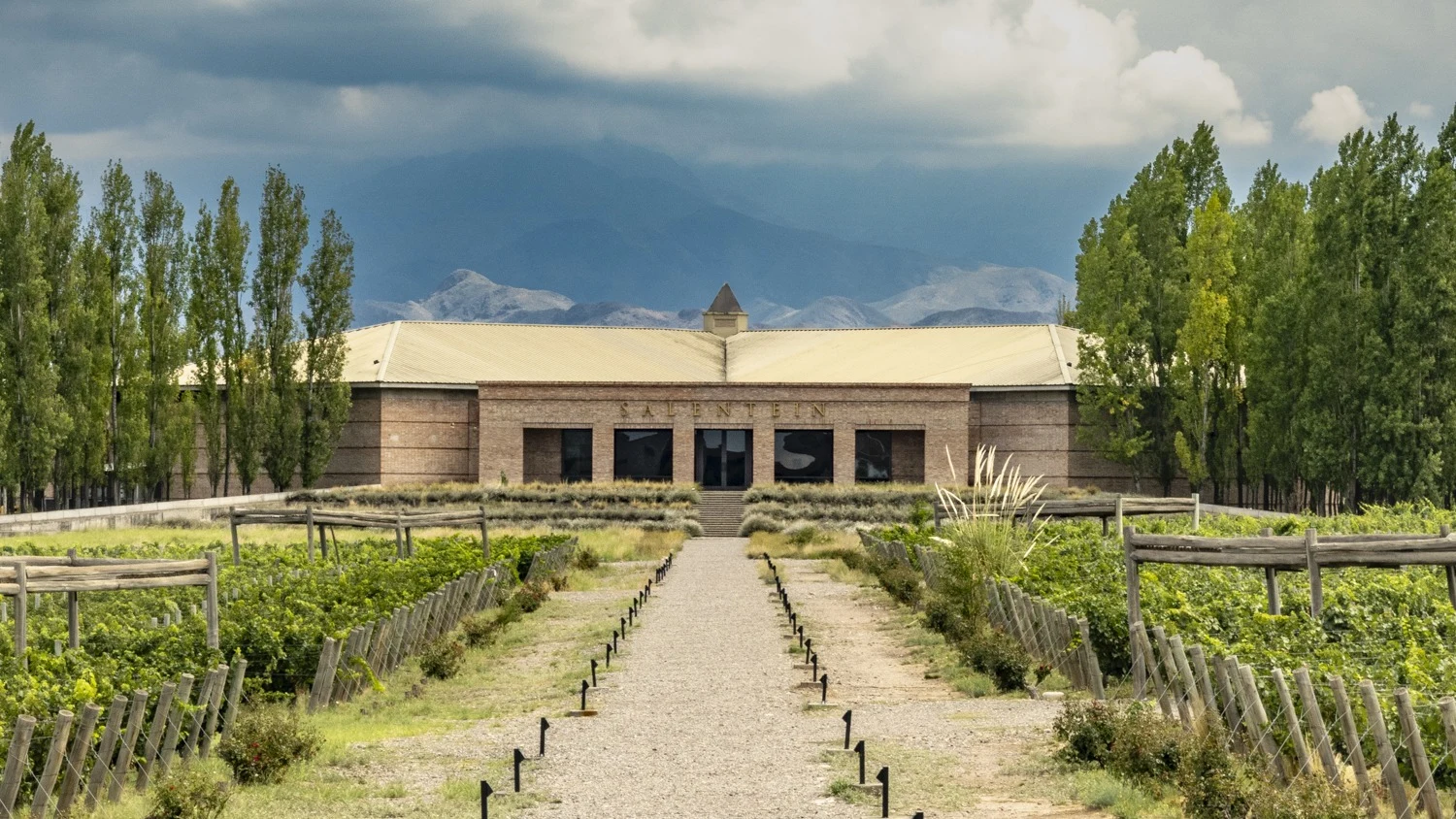
| Bodegas Salentein | Tunuyán | World's 50 Best |
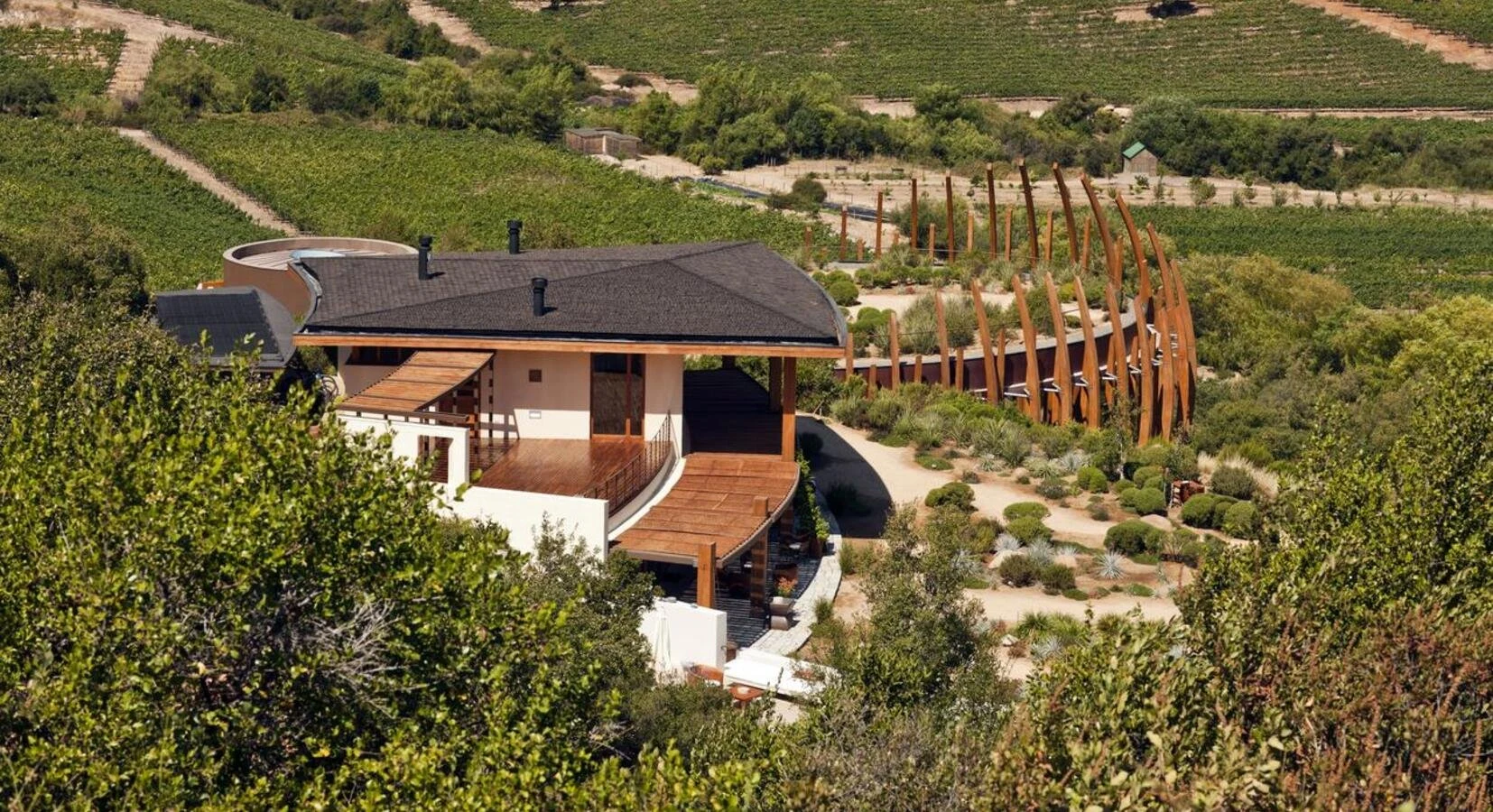
| Clos Apalta (Casa Lapostolle) | Santa Cruz | World's 50 Best |
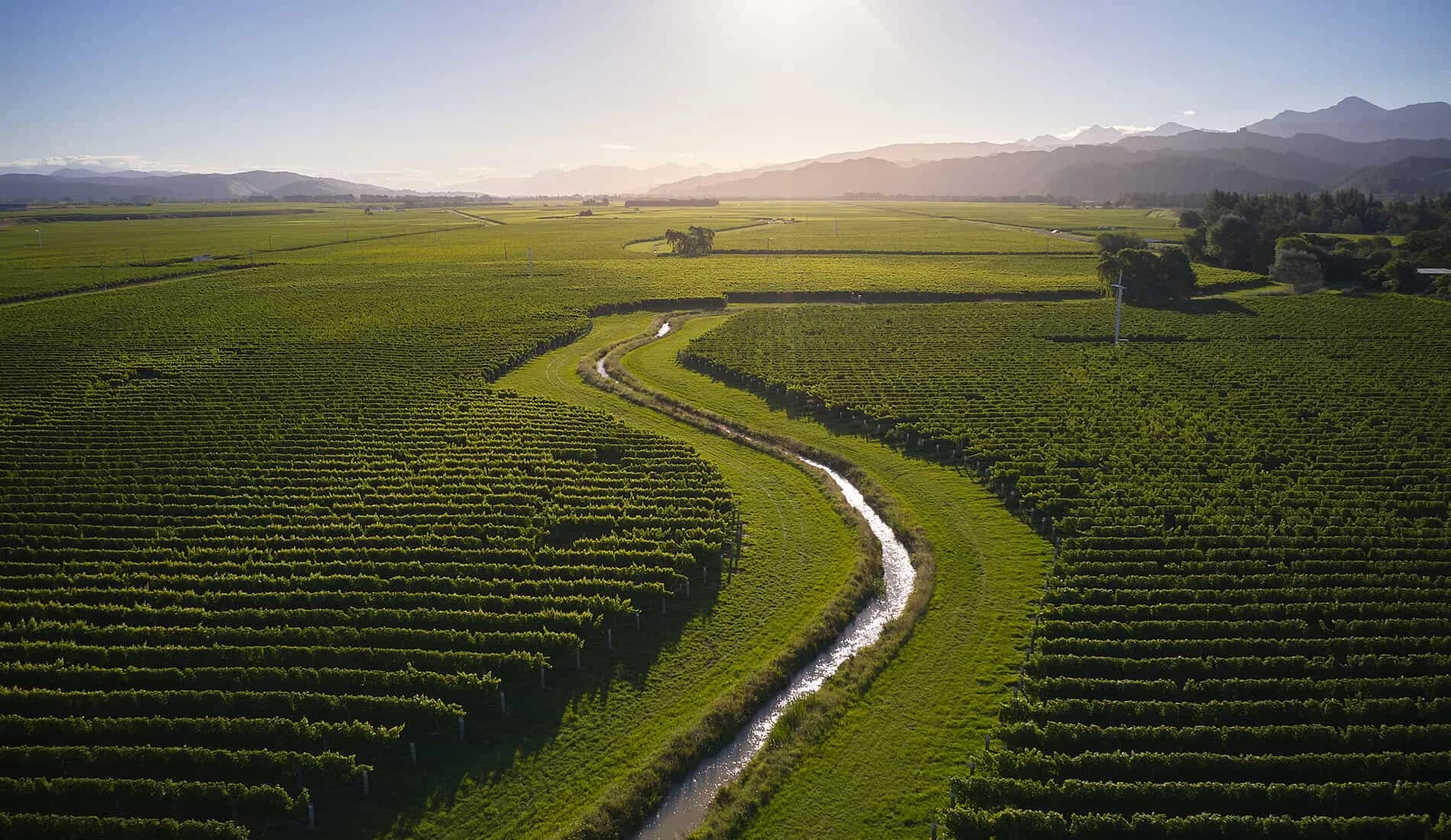
| Cloudy Bay Vineyards | Blenheim | World's 50 Best |
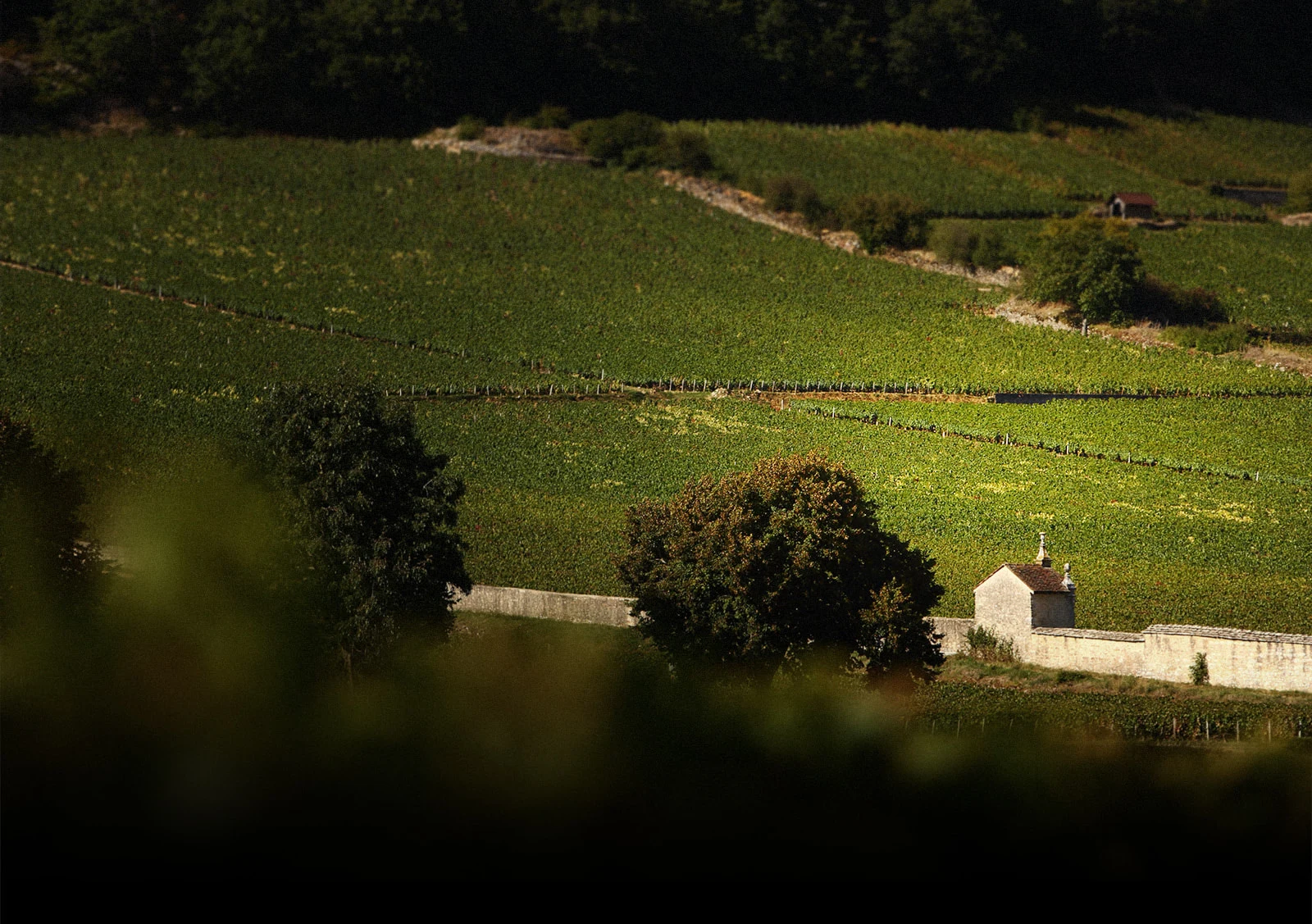
| Domaine Armand Rousseau | Gevrey-Chambertin | · |
| Domaine Emmanuel Rouget | Flagey-Echézeaux | · |
| Quinta do Crasto | Sabrosa | World's 50 Best |