Made ByRestaurant
RAU nature-based cuisine
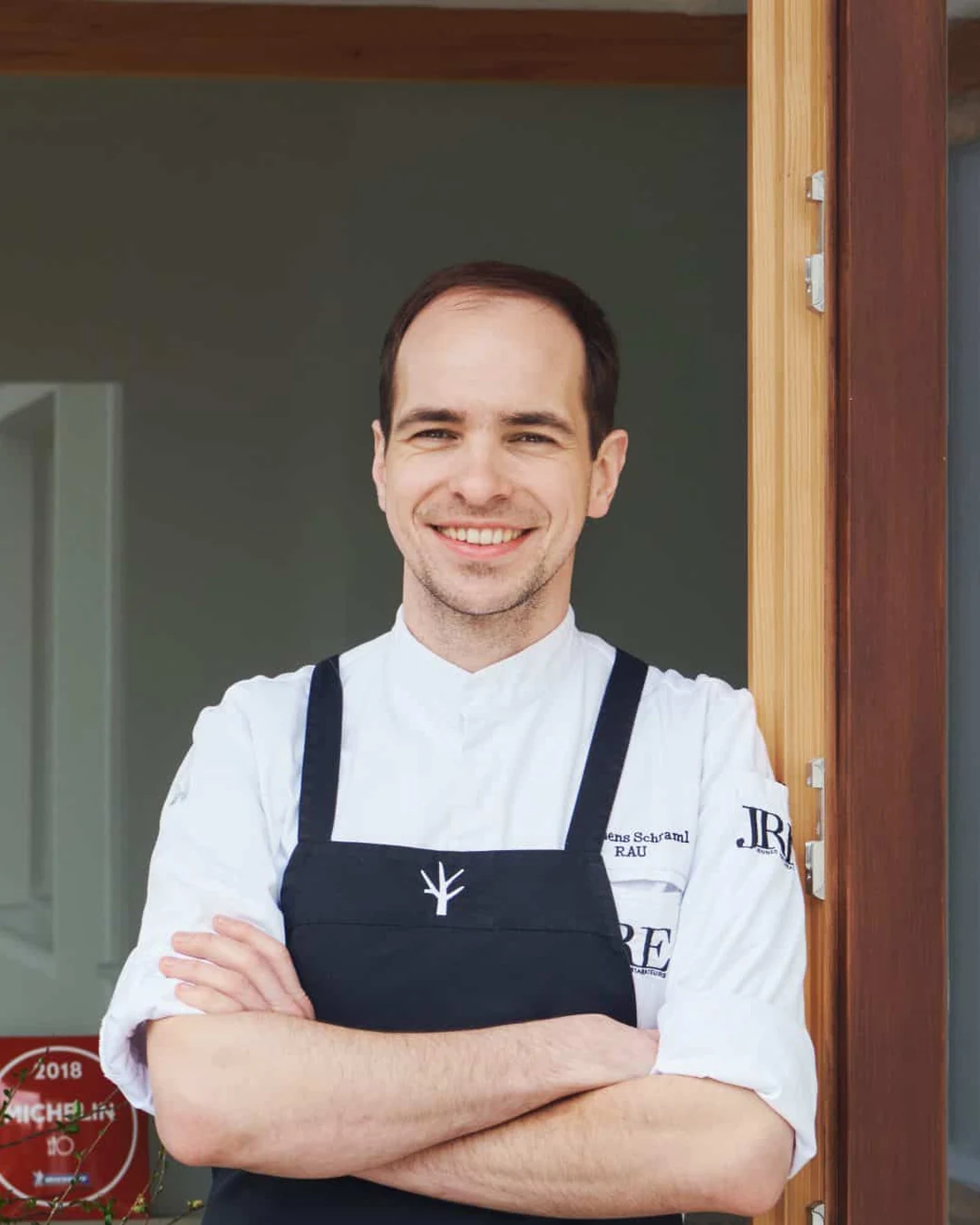
Chef in Residence
Klemens Gold
Chef
- 01CuisineNature-Based Cuisine
- 02CityGroßraming, Austria
- 03RecognitionOne Michelin Star
RAU nature-based cuisine sits in the Pechgraben valley outside Großraming, where chef-patron Klemens Gold runs a Michelin-starred set menu restaurant built around ten distinct seasonal menus per year. His sourcing spans foraged forest ingredients, a kitchen garden, and house-made ferments, placing RAU in a small peer group of Austrian restaurants where the supply chain is as considered as the cooking itself.
- 1 Michelin Star
At a glance
- Cuisine
- Nature-Based Cuisine
- Price
- $$$$
- Per person
- $100
- Hours
- Mon: Closed; Tue: Closed; Wed: 4–11 PM; Thu: 4–11 PM; Fri: 4–11 PM; Sat: 12 PM–12 AM; Sun: Closed
- Neighborhood
- Großraming
- Rating
- 4.8 (261)
<h2>Into the Pechgraben Valley</h2><p>The drive to RAU orients you before the first course arrives. Großraming sits in the Enns valley in Upper Austria, and the road into Pechgraben narrows as the forested slopes close in on either side. By the time you reach the address at number 23, the surrounding woodland has already framed the meal you are about to eat. This is not incidental. The physical remoteness is the premise: a restaurant whose sourcing logic begins with what grows within reach of the kitchen, in the garden out back, in the fermentation cellar below, and in the forest directly outside.</p><p>Austria's top-end restaurant tier has long included venues that speak the language of regional identity, from <a href="https://www.enprimeurclub.com/restaurants/steirereck-im-stadtpark-vienna-restaurant">Steirereck im Stadtpark in Vienna</a> to <a href="https://www.enprimeurclub.com/restaurants/obauer-werfen-restaurant">Obauer in Werfen</a>. RAU operates in that tradition but pushes it further into the literal: the sourcing is an operational constraint. What the forest and garden yield shapes what appears on the menu. That tension between self-imposed limitation and creative output is where the interest lies.</p><h2>Ten Seasons, Not Four</h2><p>The central structural idea at RAU is what Gold calls the '10 seasons' concept: ten distinct set menus across the year, each calibrated to a specific window of ingredient availability rather than the conventional four-season framework. The approach is less a marketing device than a practical response to how dramatically Austrian alpine and valley environments change through the year. The gap between late-winter and early-spring forage, or between midsummer garden abundance and early autumn preservation, is wide enough to justify menus that do not simply rotate on a quarterly clock.</p><p>This ten-menu framework places RAU in a specific subset of European destination restaurants where the booking calendar itself becomes a tool for repeat visits. A guest who ate here in March and returns in June is eating a categorically different menu, not a refreshed version of the same one. Among Austrian peers, that degree of seasonal granularity is relatively uncommon even at the Michelin level, where set menus at comparable addresses tend to shift two to four times annually. At <a href="https://www.enprimeurclub.com/restaurants/dollerer-golling-an-der-salzach-restaurant">Döllerer in Golling an der Salzach</a> or <a href="https://www.enprimeurclub.com/restaurants/ikarus-salzburg-restaurant">Ikarus in Salzburg</a>, the programming logic differs; RAU's ten-menu structure is an operational commitment with real kitchen implications.</p><h2>Where the Food Comes From</h2><p>The sourcing at RAU operates on several concurrent tracks. The kitchen garden produces vegetables and herbs directly tied to the menu. Foraging expeditions into the surrounding forest supply ingredients that no supplier relationship could replicate: wild plants, fungi, and bark at specific moments of their seasonal cycle. A fermentation and pickling program extends the availability of ingredients beyond their harvest window and introduces acidity, depth, and complexity that the kitchen uses as flavour infrastructure rather than garnish.</p><p>The documented dish that illustrates this approach most clearly involves Bavarian prawns, a sourcing choice that reaches outside the immediate region for a product Gold considers the leading available for that particular preparation. The prawns are marinated in home-grown ginger and rapeseed oil, then served with kroepoek made in-house from Austrian rice, alongside a broth built from roasted carcasses, house-made soy sauce, and ginger. The fermentation program shows up in that soy sauce: a long-process condiment made on-site rather than sourced commercially. The result positions RAU in dialogue with Japanese fermentation-led kitchens while remaining anchored to Austrian and Bavarian raw materials. That cross-reference is not decorative; it reflects how a kitchen working at this level of sourcing specificity naturally draws on whatever technique leading serves the ingredient in hand.</p><p>The drinks program follows the same sourcing philosophy. The documented recommendation is 'Combuchont' from RAU's own tea cellar, a fermented tea-based drink produced on the premises. At a price point of €€€€, guests should expect a drinks offering that extends beyond conventional wine service into the same house-fermented territory as the food program itself.</p><h2>The Room and What It Says</h2><p>Design at RAU uses natural materials and a restrained colour palette, with large windows facing the greenery directly outside. The architecture functions as an extension of the sourcing argument: the visual connection to the surrounding landscape keeps the origin of the food present throughout the meal. This is a deliberate spatial choice, not decoration, and it places RAU alongside a cohort of European restaurants, including some Scandinavian addresses, where the built environment is designed to close the distance between the diner and the source of the ingredients on the plate.</p><p>Google rating of 4.8 from 261 reviews is a notable signal for a restaurant this remote and this specialised. Destination dining at this price tier in rural Austria does not accumulate that volume of responses from casual visitors; the audience skewing toward committed diners who travelled specifically for the meal reinforces the rating's credibility.</p><h2>RAU in the Austrian Fine Dining Context</h2><p>RAU's Michelin star places it in the first tier of recognised Austrian restaurants outside the major urban centres. The comparison set is instructive: addresses like <a href="https://www.enprimeurclub.com/restaurants/krauterreich-by-vitus-winkler-sankt-veit-im-pongau-restaurant">Kräuterreich by Vitus Winkler in Sankt Veit im Pongau</a> and <a href="https://www.enprimeurclub.com/restaurants/ois-neufelden-restaurant">Ois in Neufelden</a> represent a pattern of Michelin recognition landing on rural or small-town Austrian restaurants where a single chef-patron has built a tightly controlled operation around a specific sourcing or culinary identity. RAU fits that pattern precisely.</p><p>Comparison with mountain resort restaurants in the Austrian tier is also worth noting. Addresses like <a href="https://www.enprimeurclub.com/restaurants/gourmetrestaurant-tannenhof-sankt-anton-am-arlberg-restaurant">Gourmetrestaurant Tannenhof in Sankt Anton am Arlberg</a>, <a href="https://www.enprimeurclub.com/restaurants/griggeler-stuba-lech-restaurant">Griggeler Stuba in Lech</a>, <a href="https://www.enprimeurclub.com/restaurants/stuva-ischgl-restaurant">Stüva in Ischgl</a>, and <a href="https://www.enprimeurclub.com/restaurants/schwarzer-adler-hall-in-tirol-restaurant">Schwarzer Adler in Hall in Tirol</a> operate within the infrastructure of ski tourism, with a built-in audience of affluent visitors. RAU operates without that support structure; its audience arrives with the restaurant as the explicit purpose of the journey. That distinction affects everything from pacing to the level of engagement a kitchen can expect from its guests.</p><p>Internationally, the nature-driven set menu format with deep fermentation integration has precedent at addresses like <a href="https://www.enprimeurclub.com/restaurants/frantzen-stockholm-restaurant">Frantzén in Stockholm</a> and its Dubai outpost <a href="https://www.enprimeurclub.com/restaurants/fzn-by-bjorn-frantzen-dubai-restaurant">FZN by Björn Frantzén</a>, though the scale and urban context differ substantially. RAU's rurality is not a limitation to be overcome but the operating condition that makes the sourcing program possible in the first place. <a href="https://www.enprimeurclub.com/restaurants/restaurant-141-by-joachim-jaud-mieming-restaurant">Restaurant 141 by Joachim Jaud in Mieming</a> offers another point of comparison within the Austrian alpine tier.</p><h2>Planning a Visit</h2><p>RAU is at 23 Pechgraben, 4463 Großraming. The restaurant operates at €€€€ pricing, consistent with a tasting menu format at the Michelin-starred level in Austria. Given the ten-menu-per-year structure, timing a visit around a specific seasonal window is worth the planning effort; the gap between menus is meaningful enough that two visits in the same calendar year could yield substantially different meals. Booking in advance is advisable for a restaurant of this scale and profile in a rural location.</p>
Know before you go
- Dress code
- smart_casual
- Reservations
- recommended
- Parking
- street
- Payment
- cash, credit_card
- Accessibility
- step_free_entrance
- Groups
- Welcomed
Frequently asked
Is RAU nature-based cuisine child-friendly?
RAU is a Michelin-starred (2024) tasting menu restaurant at €€€€ pricing in a secluded valley location in Großraming. The format, a composed multi-course set menu tied to a specific seasonal concept, is structured around an adult dining pace. Families with older children who are comfortable with long, quiet dinners may find it workable, but the experience is calibrated around the menu itself, not flexible ordering.
What should I expect atmosphere-wise at RAU nature-based cuisine?
The room uses natural materials and a restrained colour palette, with large windows that look directly onto the surrounding greenery of the Pechgraben valley. The design reinforces the kitchen's logic: nothing competes with what's outside. At €€€€ and a single Michelin star, the tone is considered and quiet rather than theatrical.
Is RAU nature-based cuisine award-winning?
RAU nature-based cuisine has received recognition including: Chef-patron Klemens Gold is forging his own path at this small restaurant in a delightfully secluded location. His inspiration comes from his natural surroundings, which makes for a unique and exciting set menu. For his ‘10 seasons’ concept….
What should I eat at RAU nature-based cuisine?
There is no à la carte choice at RAU. Chef Klemens Gold runs ten distinct set menus across the year under his '10 seasons' concept, each built around what the kitchen garden, local foraging, and the market are producing at that specific moment. The menu on any given visit is determined by when you go. If the tea cellar's 'Combuchont' fermented drink is available, the Michelin guide specifically flags it as worth ordering.
Is RAU nature-based cuisine more mid-range or high-end?
Pricing at RAU nature-based cuisine is listed as €€€€.
What are RAU nature-based cuisine's hours?
Hours at RAU nature-based cuisine: Location.
Address
23, Pechgraben, 4463 Großraming, Austria
Großraming
How it compares
RAU nature-based cuisine
- Cuisine
- Nature-Based Cuisine
- Price
- $$$$
- Awards
- Michelin 1 Star
- Notes
- Großraming
- Cuisine
- Modern Regional Austrian
- Price
- $$$$
- Awards
- Michelin 1 Star
- Notes
- Grafenstein
- Cuisine
- Creative Modern Fine Dining
- Price
- $$$$
- Awards
- Michelin 1 Star
- Notes
- Weissensee
- Cuisine
- Modern Alpine-Adriatic Fine Dining
- Price
- $$$$
- Awards
- Michelin 1 Star
- Notes
- Maria Wörth
- Cuisine
- Creative Seasonal Fine Dining
- Price
- $$$$
- Awards
- Michelin 1 Star
- Notes
- Sankt Kathrein am Offenegg
- Cuisine
- Modern Regional Austrian Fine Dining
- Price
- $$$$
- Awards
- Michelin 1 Star
- Notes
- Steyr center
In residence
Similar places
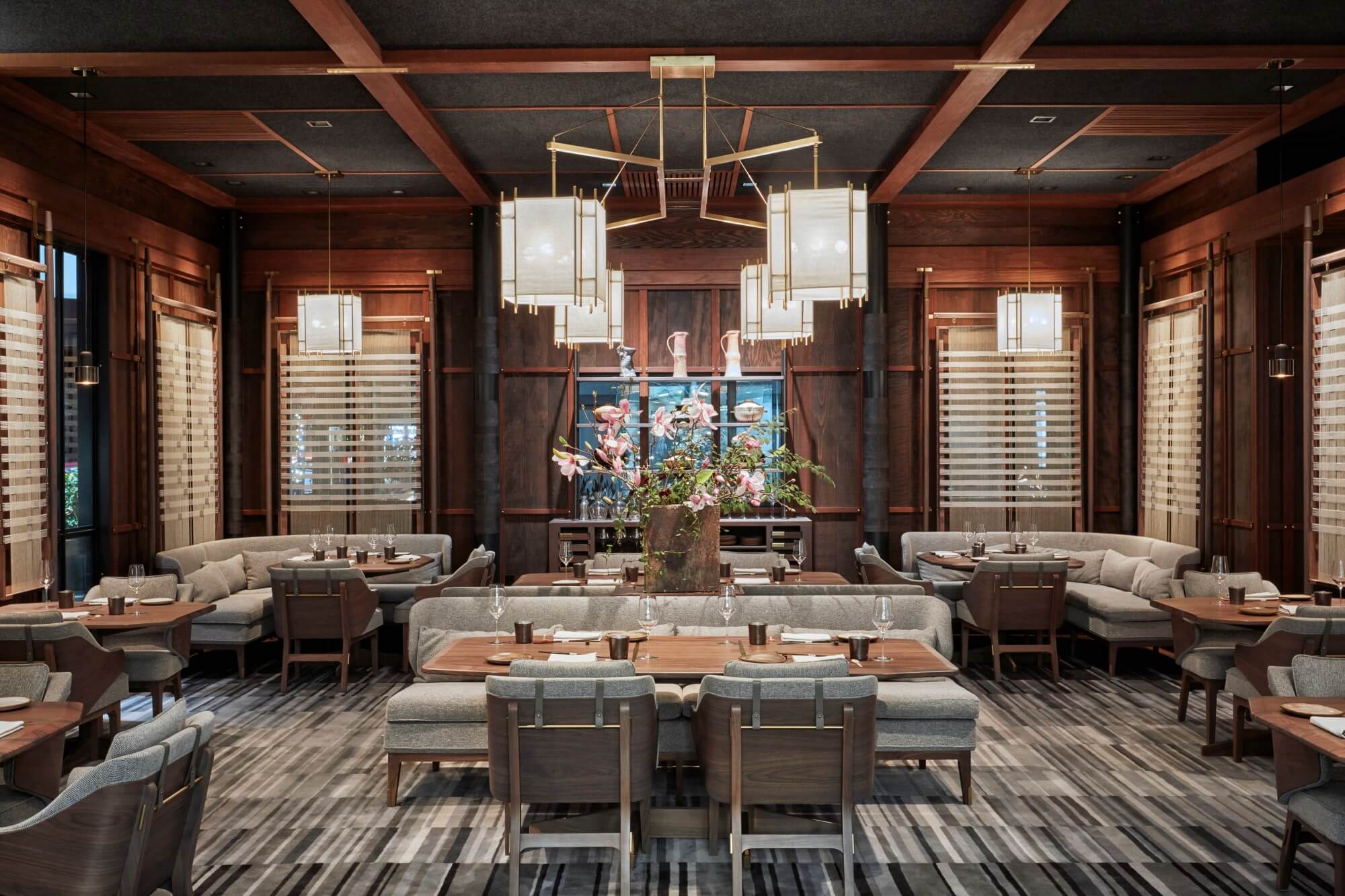
Japanese-influenced Californian Kaiseki
Single Thread Farm
Healdsburg, United States
★★★ · 50 Best
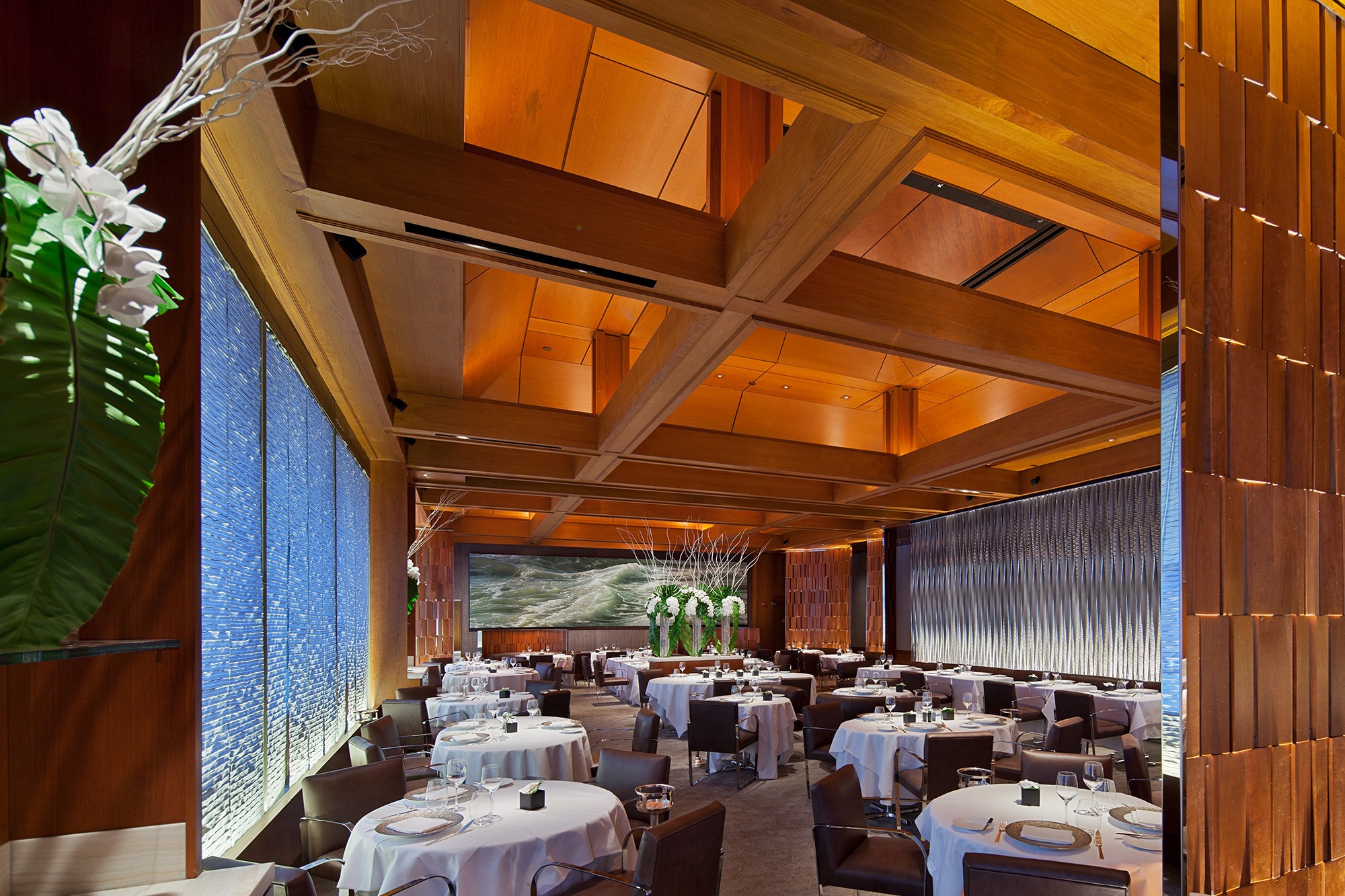
French Seafood Fine Dining
Le Bernardin
New York City, United States
★★★ · 50 Best
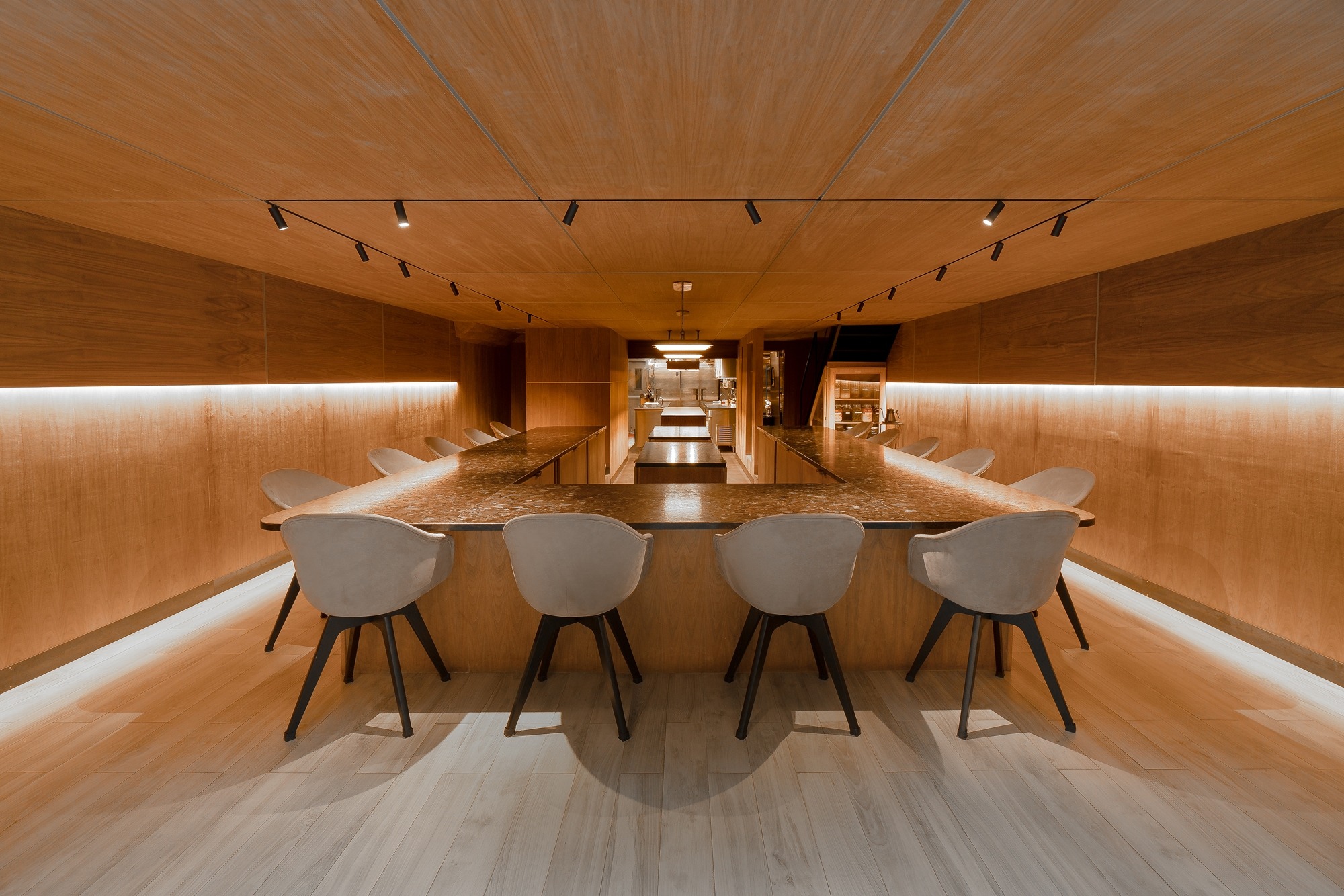
Modern Korean Tasting Menu
Atomix
New York City, United States
★★ · 50 Best
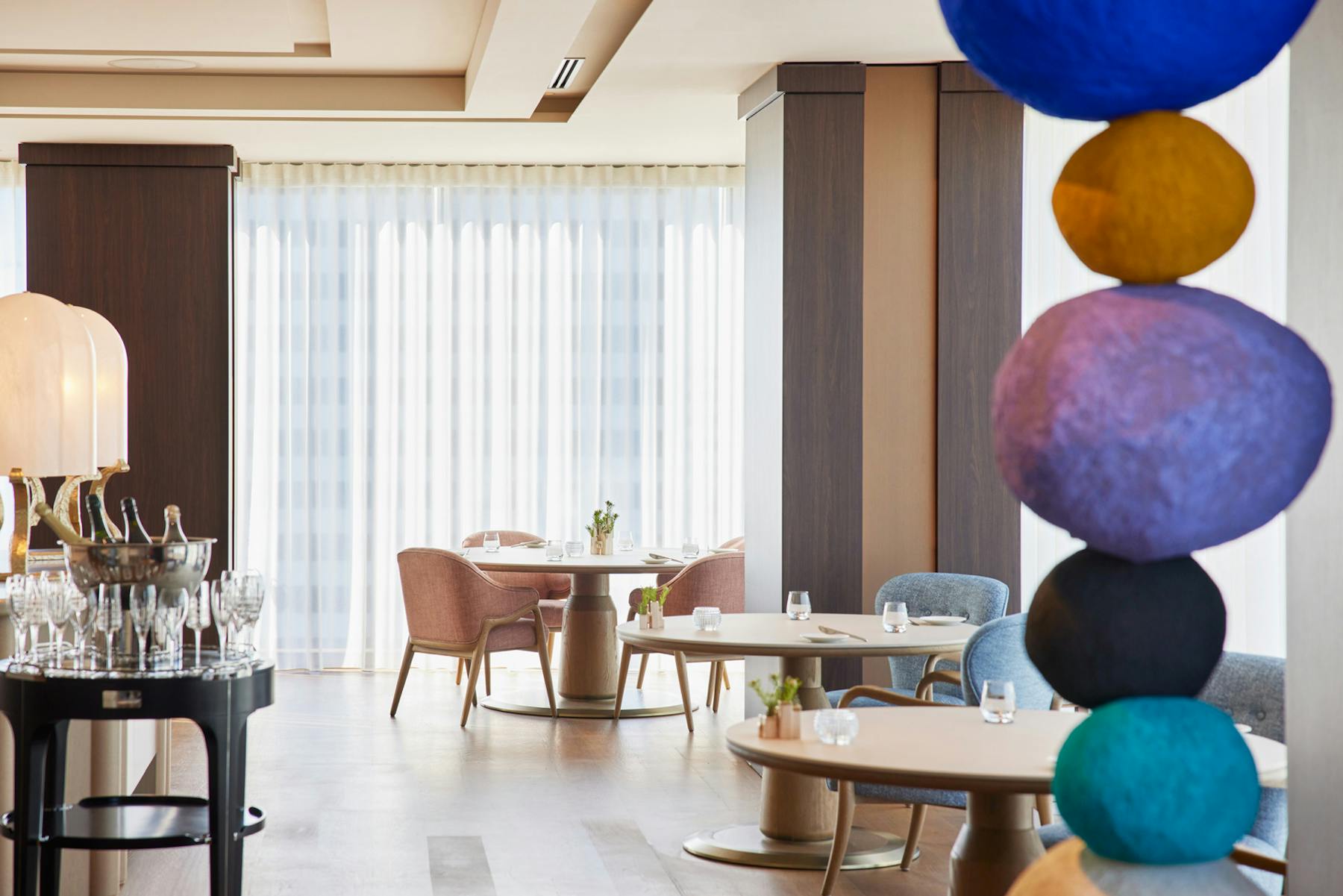
French
Sézanne
Tokyo, Japan
★★★ · 50 Best
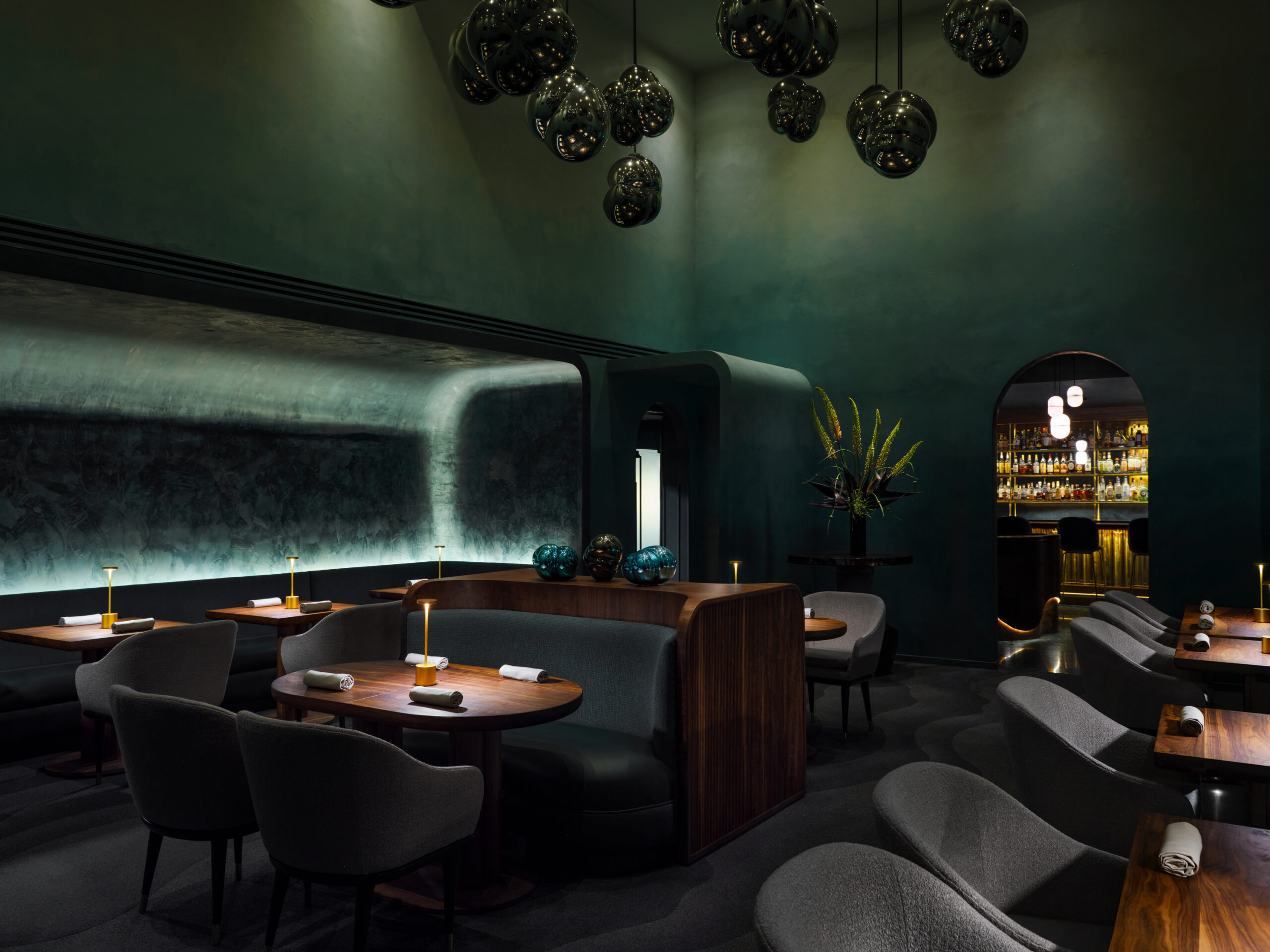
Modern Seafood Fine Dining
Providence
Los Angeles, United States
★★★ · 50 Best
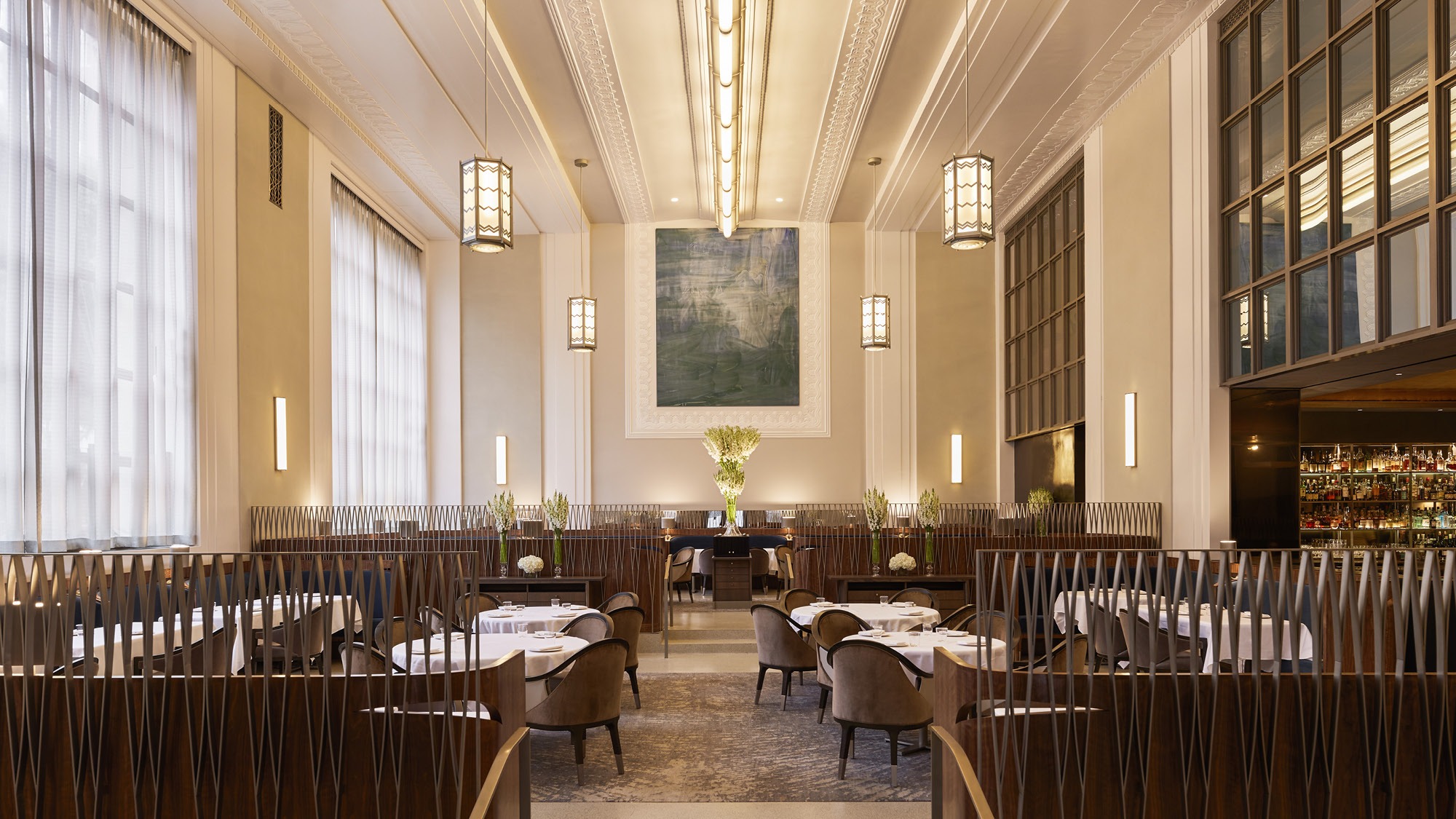
Contemporary Plant-Based Fine Dining
Eleven Madison Park
New York City, United States
★★★ · 50 Best