Refer
- 01CuisineModern Fusion Tasting Menu
- 02CityBeijing, China
Twenty plates in seasonal sequence
- Opinionated About Dining Top Restaurants in Asia Ranked #126 · 2024
French training at a Beijing pass
Talib Hudda sets the meal in motion as Chef at Refer in Chaoyang, Beijing, with the first plates arriving in close sequence before the pace opens out. Talib Hudda brought French cuisine training to the station, a base of structure, technique, and control that reads here through restraint rather than ornament. By 2020, Beijing had become the test of that foundation, and Refer placed him inside a dining room built around a tasting menu rather than a single signature plate. His work at the restaurant draws on the idea of reference: Chinese regional produce held in dialogue with international technique, without treating either side as decoration.
Twenty plates, season by season
The program at Refer moves through a seasonal tasting menu of around 20 small plates, with one account of a 17-course dinner indicating that the count can shift with the season and the service. The kitchen gives early courses momentum, then lets later plates slow the room down. Vegetable courses have been described through charcoal and slow-roast work; seafood arrives with clean texture as its measure; proteins rely on doneness and restrained sauces rather than weight. A winter slate drew its cue from nature, which suits the house method: the menu changes with supply, and the sequence matters as much as the individual plate. Hudda’s signature language elsewhere includes kitumbua and Kao lao lao buckwheat noodles, and that same interest in texture and balance sits comfortably with Refer’s structure, where each course needs to leave enough space for the next one to do its work.
Light held close to the plate
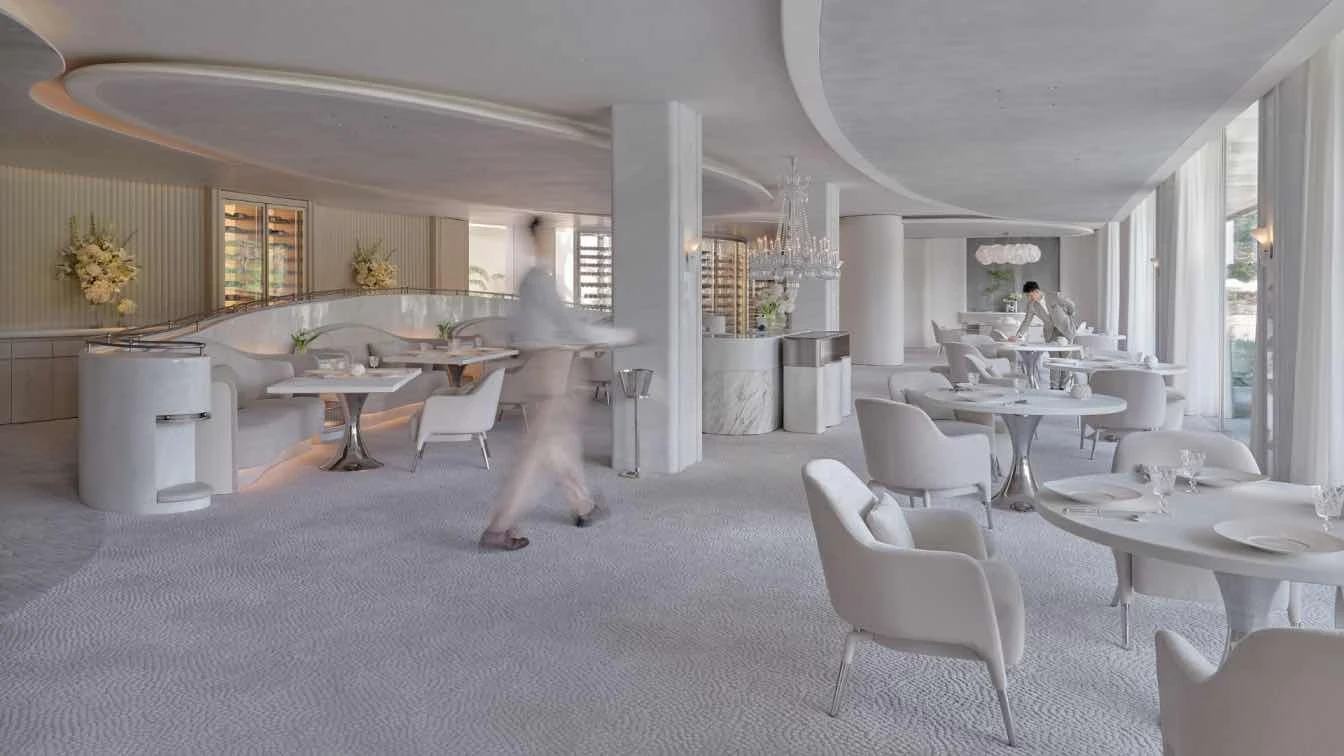
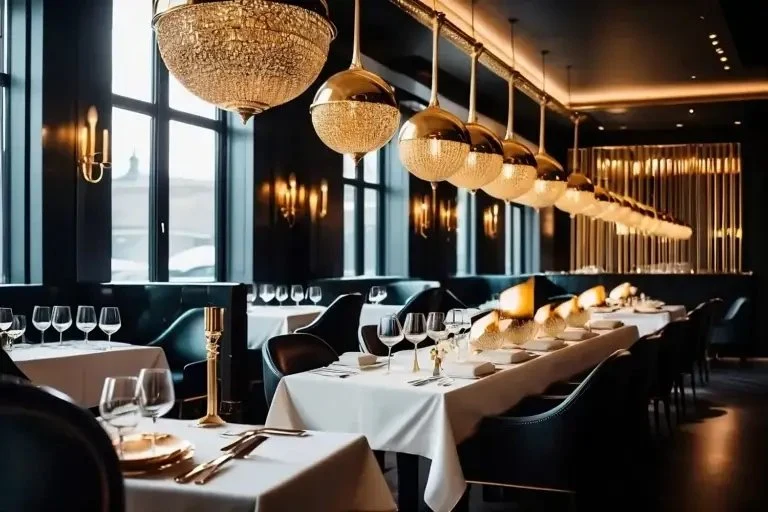
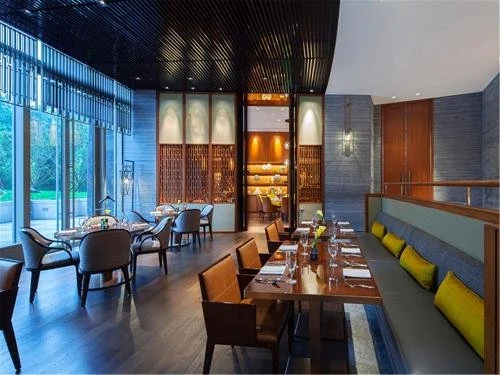
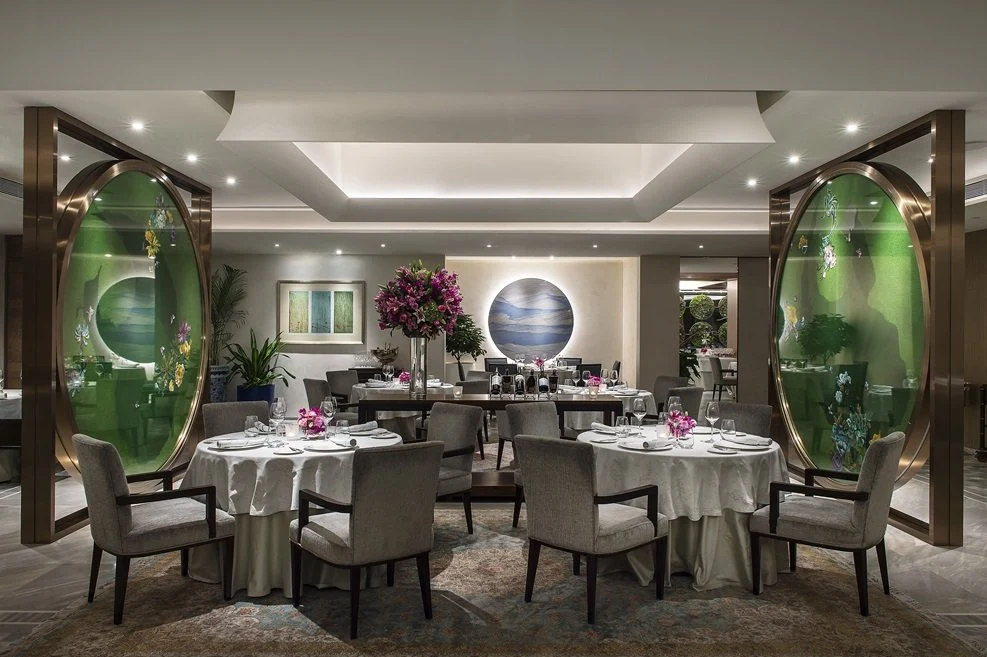
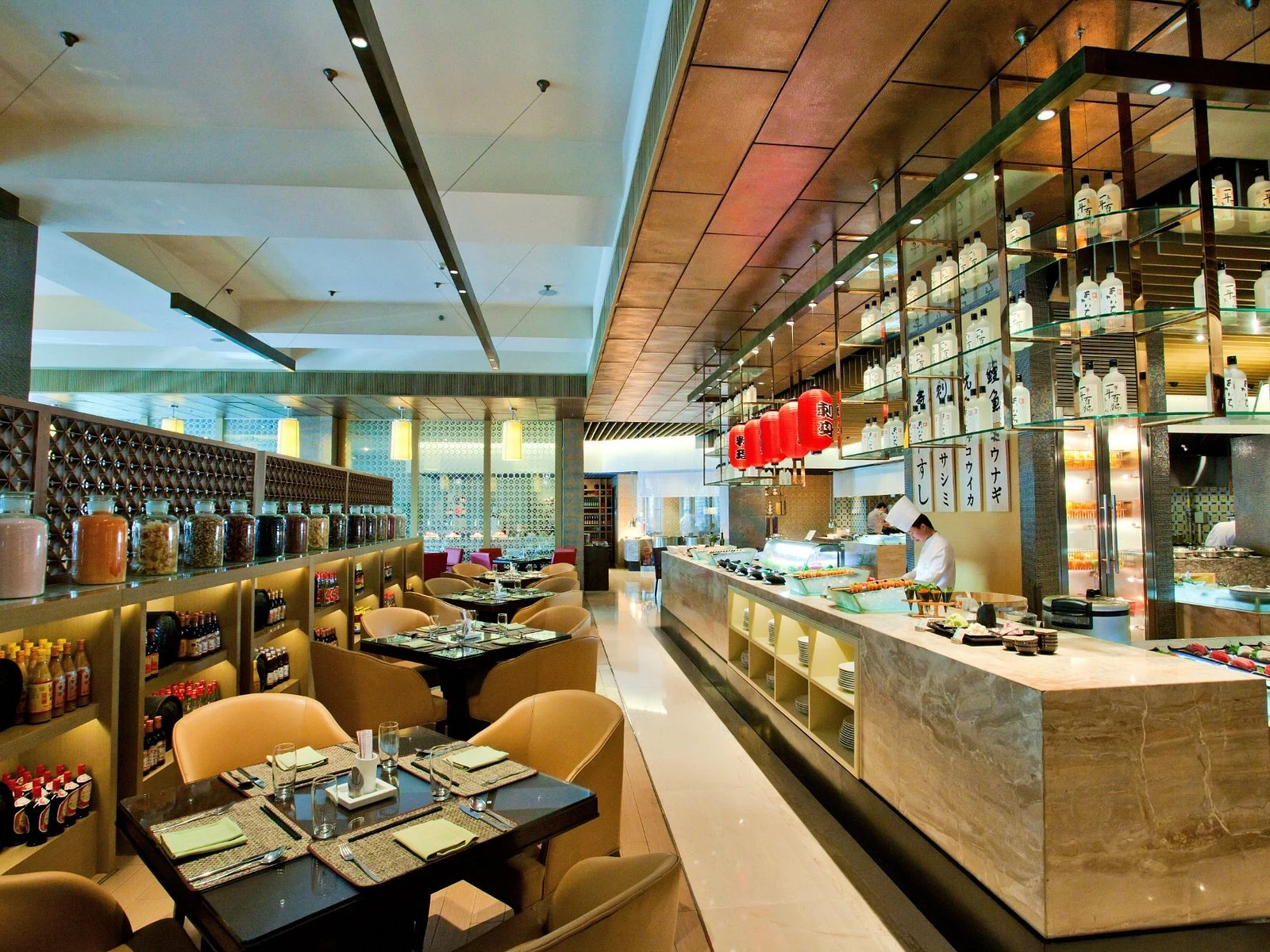
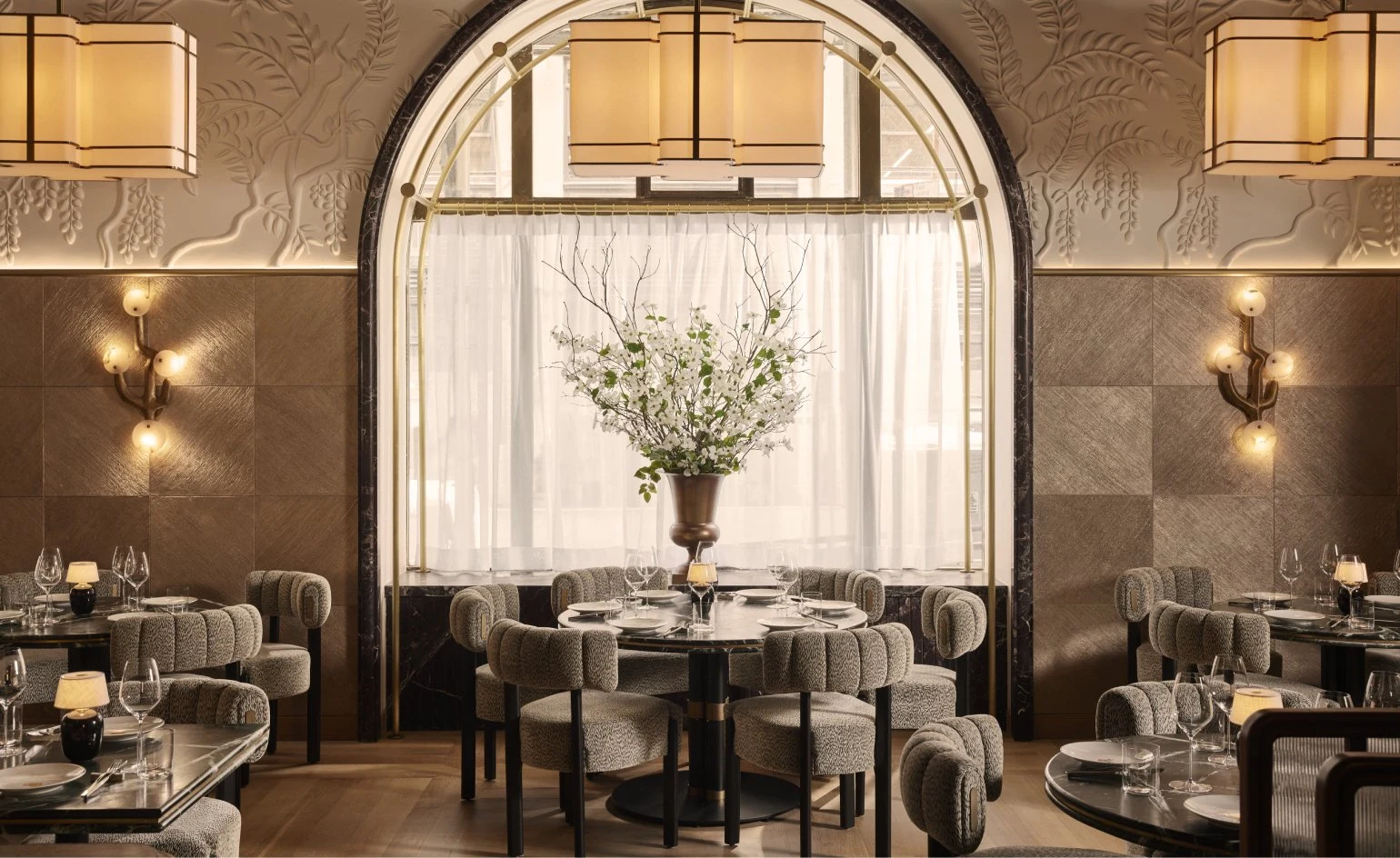
The room sits on the 5th floor of Building N8 in Taikooli North, Sanlitun, inside a modern retail quarter that could easily pull attention outward. Refer turns it back to the table. Restrained contemporary finishes, comfortable seating, and focused table lighting keep the pass and the plate in the foreground. The scale is compact enough for a tasting menu to feel attended rather than announced; conversation can stay at the table while the service rhythm does its work. In a neighborhood better known for movement, multiple cuisines, and late energy, this room asks for a different kind of attention. The luxury is in the control of tempo: quick hands at the start, more space near the end, a plate arriving under a tight pool of light.
A first top 50 place for Beijing
Refer entered Asia’s 50 Best Restaurants at 67th in 2022, then reached 50th in 2023, making it the first Beijing restaurant to enter the top 50 and the 4th highest from mainland China that year. Those numbers matter because they belong to this address, not to a borrowed reputation. For Hudda, the measure remains the nightly sequence: Chinese produce, French-trained discipline, and the changing count of plates at Refer.
Questions
Frequently asked
Who is the chef behind Refer?
Chef Talib Hudda leads Refer in Chaoyang, Beijing. His background includes French cuisine training, which shapes the restaurant’s measured approach to tasting menus and technique.
What kind of menu does Refer serve?
Refer serves a seasonal tasting menu of around 20 small plates, though the number can shift with the season and the service. The cooking draws on Chinese regional produce and international technique.
What is Refer known for?
The restaurant is known for tasting menus that move through a precise sequence, with early courses arriving in close succession before the pace opens out. The food has been described as restrained in style, with vegetable courses built around charcoal and slow-roast work, seafood treated for texture, and proteins handled with careful doneness and restrained sauces.
Has Refer received any recognition?
Refer entered Asia’s 50 Best Restaurants at 67th in 2022 and reached 50th in 2023. It was the first Beijing restaurant to enter the top 50 and the 4th highest from mainland China that year.
What should visitors know about booking and dress code?
Reservations are essential at Refer, and the dress code is smart casual. The restaurant is open daily from 10 AM to 12 AM.
The field
How it compares
| Place | Cuisine | Notes | Awards |
|---|---|---|---|
| Refer | Modern Fusion Tasting Menu | Dongzhimen, $$$ | · |
| Blackswan | Modern French Fine Dining | Beijing | Michelin 1 Star |
| Chao Shang Chao (Chaoyang) | Modern Teochew (Chaoshan) Fine Dining | Beijing | Michelin 3 Stars |
| Chef 1996 | Refined Sichuan Fine Dining | Beijing | World's 50 Best |
| Jing | Modern French with Asian Influences | Beijing | Michelin 1 Star |
| King's Joy | Modern Vegetarian Chinese Fine Dining | Beijing | Michelin 2 Stars |
| Lamdre | Modern Plant-Based Chinese Vegetarian | Beijing | Michelin 1 Star, World's 50 Best |
Similar places
Modern French Fine Dining
Blackswan
Beijing, China
★
Modern Teochew (Chaoshan) Fine Dining
Chao Shang Chao (Chaoyang)
Beijing, China
★★★
Refined Sichuan Fine Dining
Chef 1996
Beijing, China
50 Best
Modern French with Asian Influences
Jing
Beijing, China
★
Modern Vegetarian Chinese Fine Dining
King's Joy
Beijing, China
★★
Modern Plant-Based Chinese Vegetarian
Lamdre
Beijing, China
★ · 50 Best