José María Ruiz, chef at Restaurante José María in Segovia, keeps cochinillo asado tied to the pass, the plate, and the cellar.
- Opinionated About Dining Casual in Europe Recommended · 2026
- Opinionated About Dining Newly Added European Restaurants · 2026
The plate cut at the pass
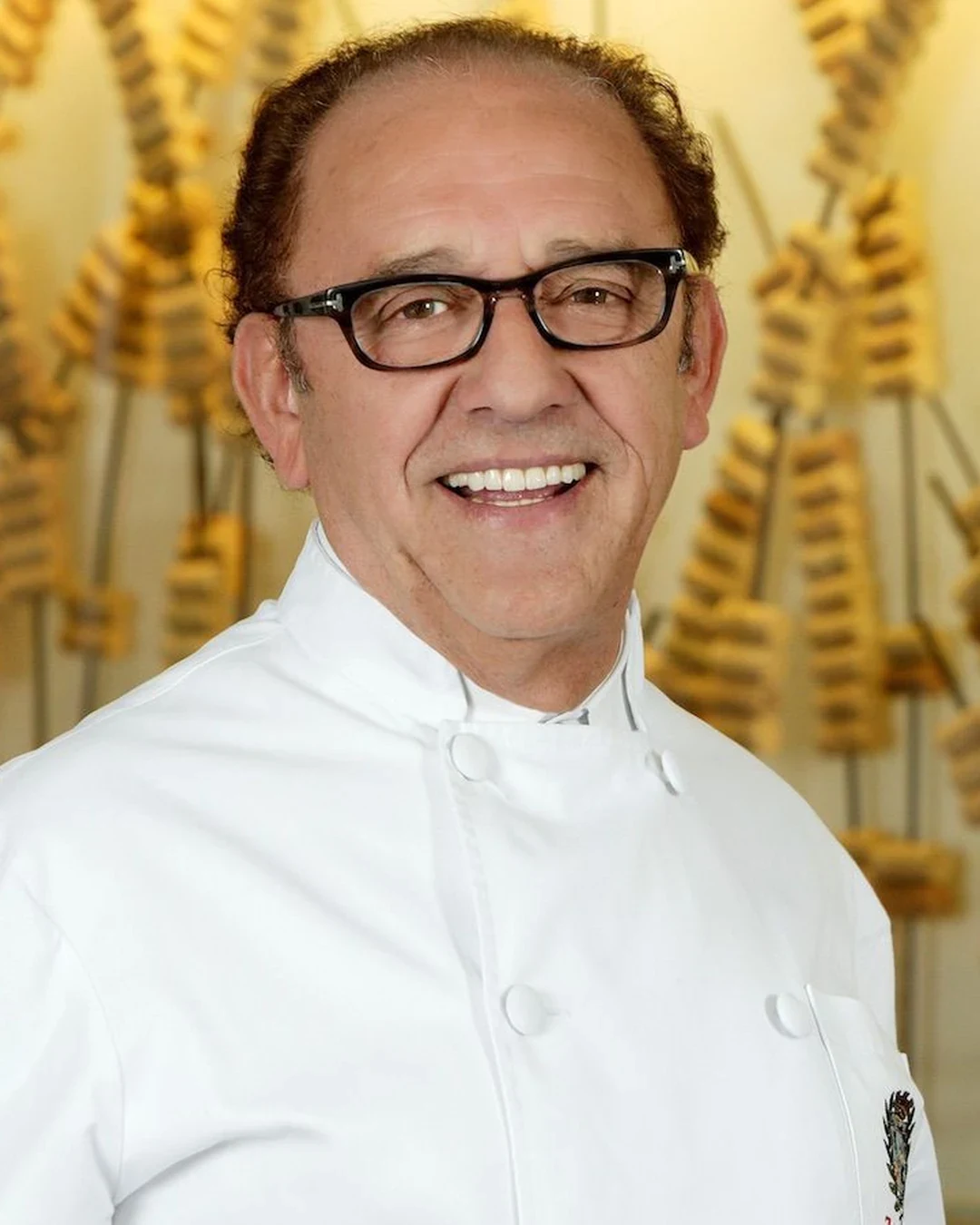
The suckling pig meets the side of a bread plate before it reaches the room. José María Ruiz, chef at Restaurante José María in Segovia, has made that cut part of the house grammar: not theatre added after the cooking, but the last test of texture. Since 1982, he has owned and headed the kitchen here, treating cochinillo asado as a precise ceremonial discipline rather than a house specialty. His earlier formation matters to the way the place works. Ruiz began in 1960 by moving through different restaurant departments, from kitchen to dining room, and that passage gave him service as well as production. Sommelier work followed, with its attention to sequence, temperature, arrival, and restraint. In 1971, he represented Spain in the World Sommelier Contest at the Office Internationale de la Vigne et du Vin in Milan, carrying the dining room's discipline into an international setting. At Restaurante José María, that range returns to the pass: the roast, the wine, the cadence of service, the plate brought forward at the right moment.
Cochinillo as a working method
The house is an asador, but the word here is not a general category. The kitchen's defining reference is Marca de Garantía, attached to the suckling pig and to the protected regional character that Ruiz has kept close to the restaurant's identity. The cochinillo comes from the family's Agrocorte Gourmet farm, a short chain that keeps the raw material within the house's own orbit before it enters the oven and the room. The test is simple and unforgiving: if the meat does not yield to the edge of a bread plate, the gesture has no point. That standard explains why the dish sits at the center of the program, and why Pago de Carraovejas wines from Ribera del Duero belong naturally on the list. Ruiz founded Pago de Carraovejas in 1987, and the pairing with roast suckling pig is not decorative. It is part of the same work of institution-building: a table in Segovia, a cellar in Ribera del Duero, one dish that asks the wine to meet fat, skin, heat, and ceremony.
Five rooms around the roast
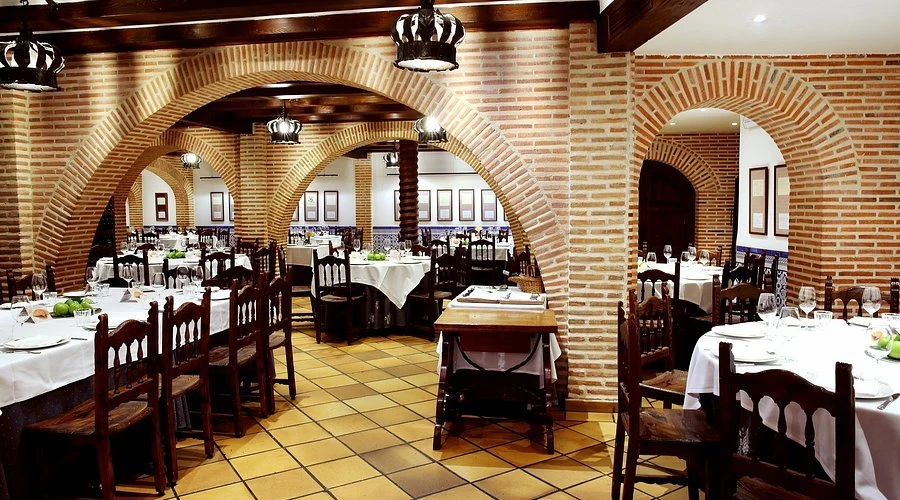
The room keeps the old Castilian register in wood beams, tiled floors, and broad tables, with enough scale to hold family meals, civic gatherings, and the steady attention of travelers who have come for the cochinillo. The restaurant has five dining rooms: Reina Isabel, El Buen Yantar, Arcipreste de Hita, El Altar del Vino, and la Biblioteca del Gourmet. Each one draws the work slightly differently. In El Altar del Vino, the cellar is not a backdrop; it sharpens the restaurant's sense of sequence. At the bar-mesón, El descanso de Juan Pacheco, wines, tapas, stews, and Segovian rations keep the house closer to daily appetite. The address, C. Cronista Lecea, 11, sits beside Plaza Mayor, so the city enters before the guest sits down: stone, bells, and the footfall of the historic center, then the pass, the plate, the roast.
A dish made to travel
Ruiz has also carried the house's signature outward through Cochinillo Viajero, the traveling suckling pig. The idea is practical, but the discipline is stricter than delivery suggests: a dish built around ritual service has to move without losing its name, its texture, or its relationship to Segovia. That is the next form of the work to follow from this kitchen, not a departure from it. Cochinillo Viajero still belongs to Cochinillo Viajero.
Questions
Frequently asked
Who is behind Restaurante José María?
José María Ruiz has owned and headed the kitchen at Restaurante José María since 1982. He began in 1960 by moving through different restaurant departments, later worked as a sommelier, and represented Spain in the World Sommelier Contest in Milan in 1971.
What is the restaurant known for?
The house is known for cochinillo asado, prepared as a precise part of the restaurant’s service rather than as a general specialty. The suckling pig is tested against the edge of a bread plate, and that gesture is central to the way the dish is served.
Where does the cochinillo come from?
The cochinillo comes from the family’s Agrocorte Gourmet farm. The page describes that as a short chain that keeps the raw material close to the restaurant before it enters the oven and the room.
What is the setting like inside?
The restaurant keeps an old Castilian register, with wood beams, tiled floors, and broad tables. It has five dining rooms: Reina Isabel, El Buen Yantar, Arcipreste de Hita, El Altar del Vino, and la Biblioteca del Gourmet.
Is there a wine programme linked to the food?
Pago de Carraovejas wines from Ribera del Duero sit naturally on the list, alongside the roast suckling pig. José María Ruiz founded Pago de Carraovejas in 1987, and the pairing is presented as part of the same work.
The field
How it compares
| Place | Cuisine | Awards | Notes |
|---|---|---|---|
| Restaurante José María | Asador | · | · |
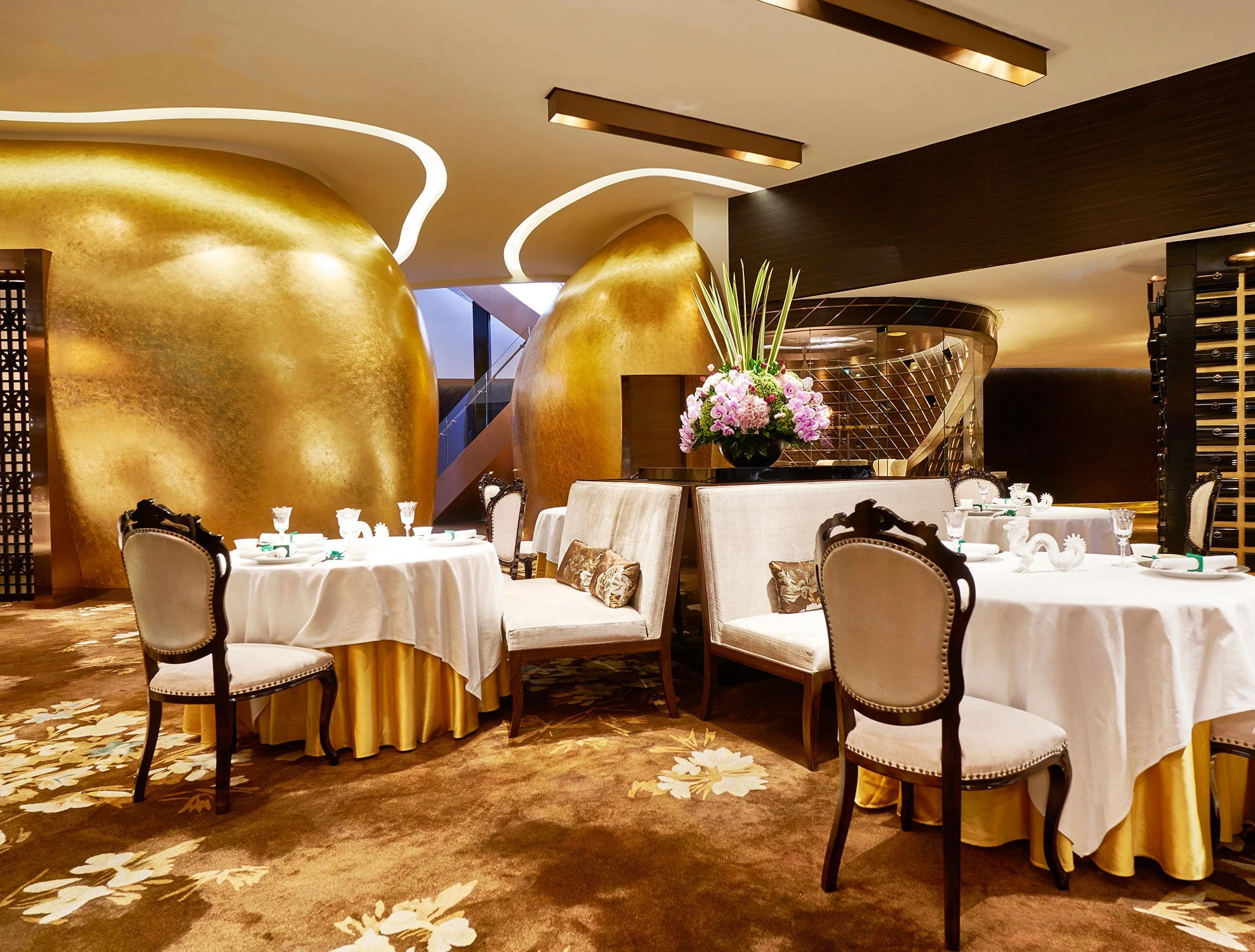
| Jade Dragon | Three Michelin-Star Cantonese Fine Dining | Michelin 3 Stars, World's 50 Best | Macau |
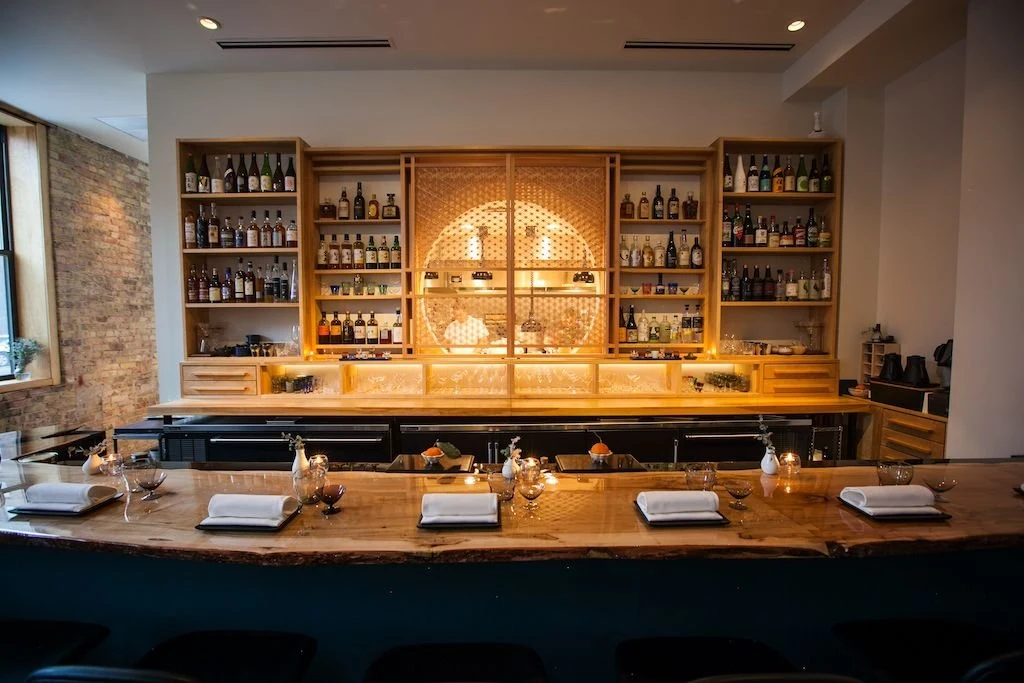
| Kumiko | Japanese Dining Bar | · | Chicago |
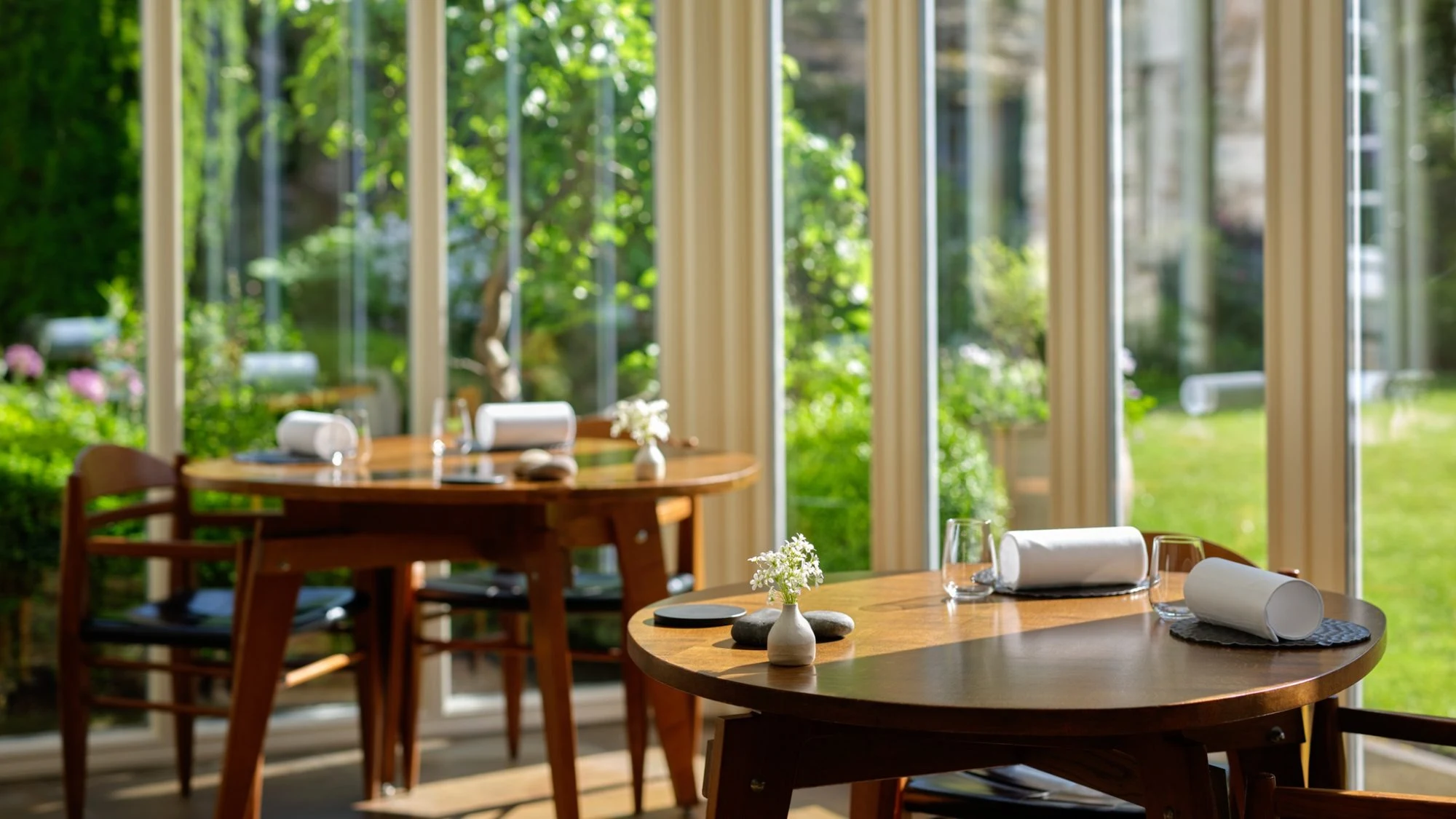
| L'Enclume | Modern British Farm-to-Table | Michelin 3 Stars | Cartmel |
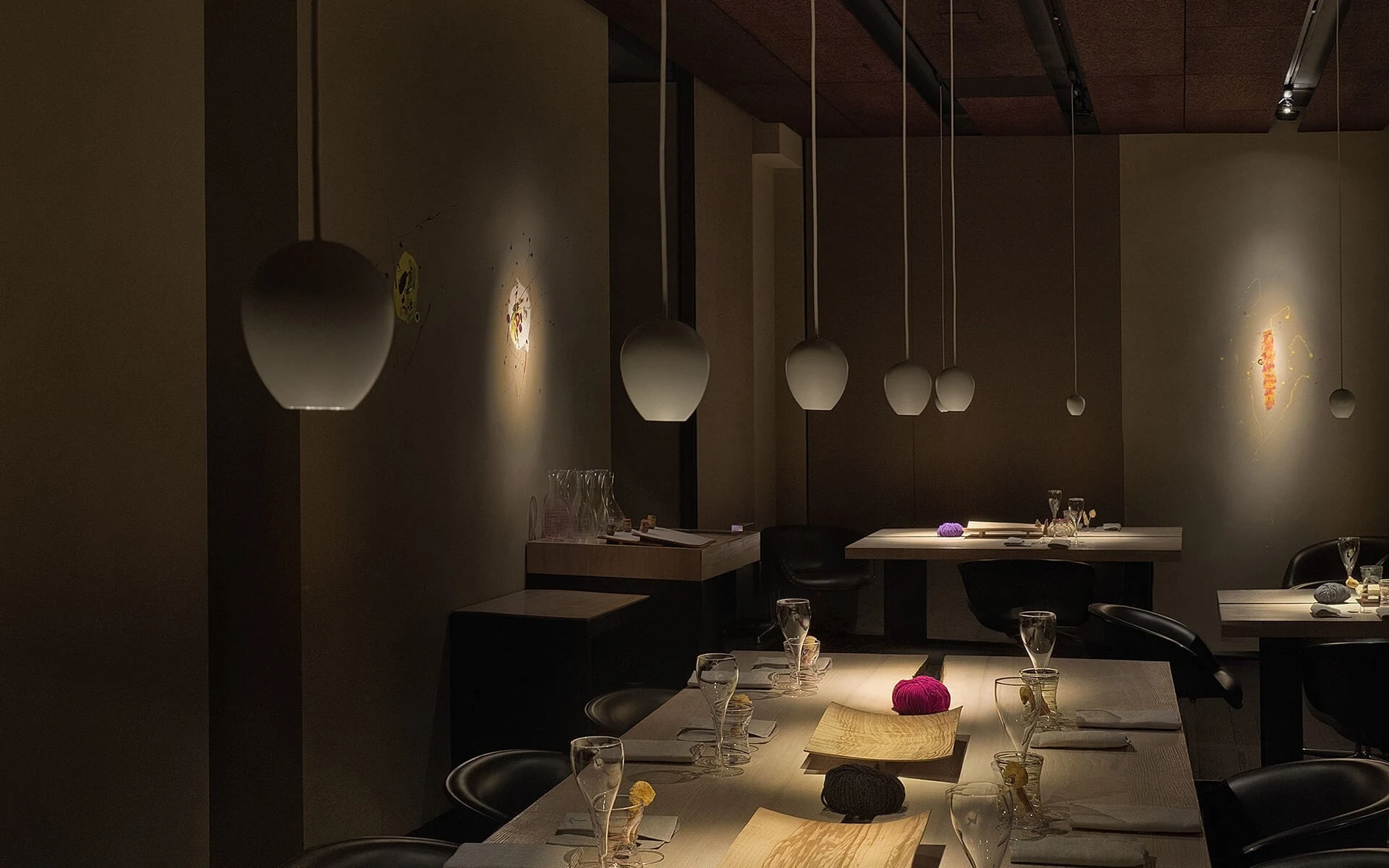
| Le Calandre | Modern Italian Fine Dining | Michelin 3 Stars, World's 50 Best | Rubano |
| Quince | Modern French Fine Dining | Michelin 3 Stars, World's 50 Best | San Francisco |
| The Ledbury | Modern British Fine Dining | Michelin 3 Stars, World's 50 Best | London |
In residence
Similar places
Three Michelin-Star Cantonese Fine Dining
Jade Dragon
Macau, Macau
★★★ · 50 Best
Japanese Dining Bar
Kumiko
Chicago, United States
Modern British Farm-to-Table
L'Enclume
Cartmel, United Kingdom
★★★
Modern Italian Fine Dining
Le Calandre
Rubano, Italy
★★★ · 50 Best
Modern French Fine Dining
Quince
San Francisco, United States
★★★ · 50 Best
Modern British Fine Dining
The Ledbury
London, United Kingdom
★★★ · 50 Best