Ronchi di Cialla
- 01CityPrepotto, Italy
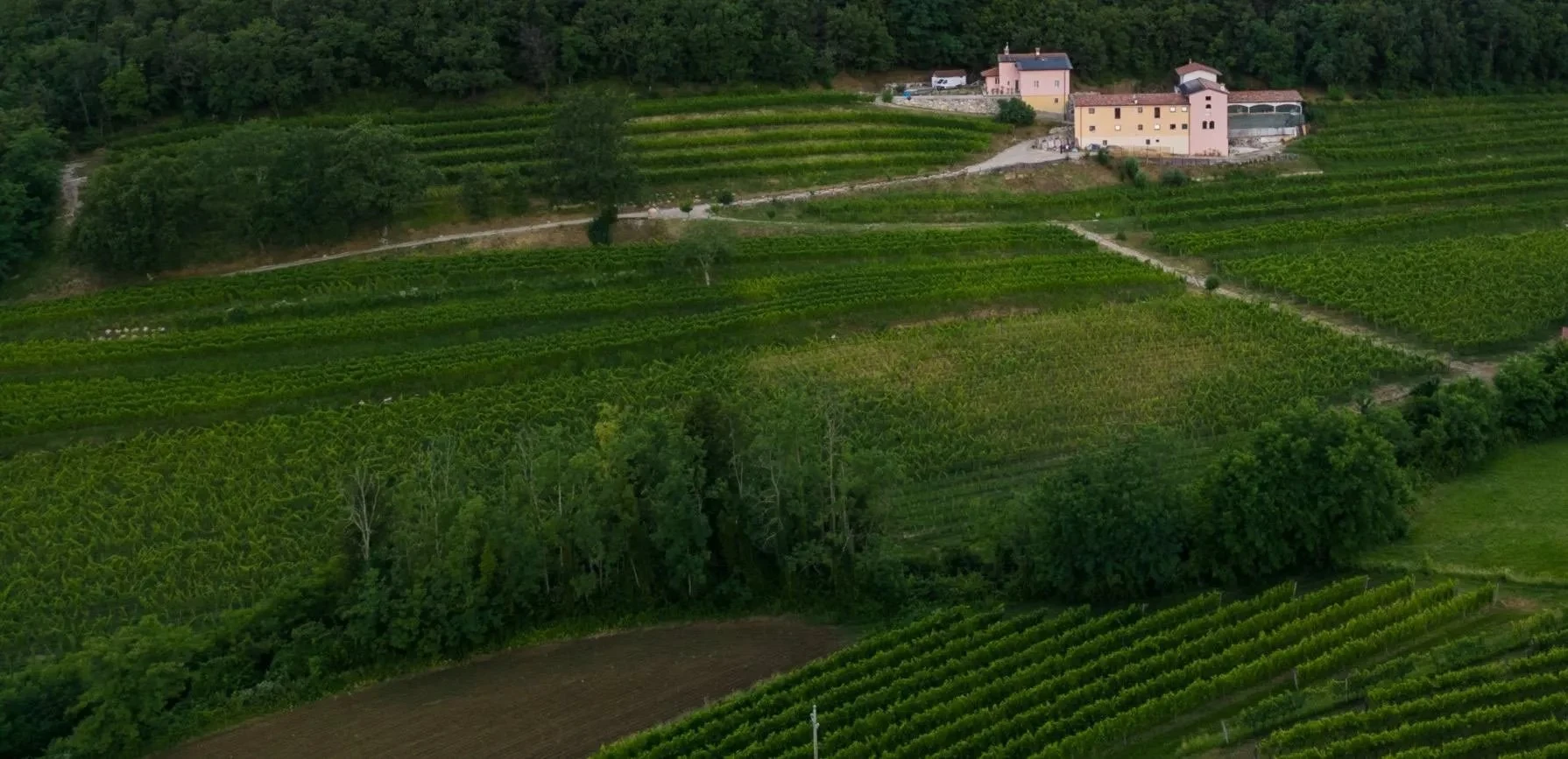
The approach to Ronchi di Cialla is not the grand-château version of estate travel. The frame is quieter and more Friulian: Prepotto, wooded edges, vineyard character, and a sense that the place is protected from more commercial rhythms. Here, identity is best understood through heritage, native Friulian grapes, and the patience required to appreciate a small, family-run estate. It is the kind of address where the setting does much of the explaining, and where the absence of overt spectacle becomes part of the tone rather than a shortcoming.
Ronchi di Cialla belongs to that quieter category: rustic, classic, scenic, and hidden away rather than showy. Its profile is narrow but clear: a family-run estate in a historic, wooded valley, with a strong sense of heritage and a focus on native Friulian grapes. That matters because the appeal is not built on spectacle or a broad hospitality claim; it is built on place, continuity, and local culture. The result is a venue that should be read carefully, through its restraint and its rootedness, rather than through the expectations attached to larger or more polished destinations.
A wooded Friulian estate built around native grapes
The defining fact here is the setting. Ronchi di Cialla is in Prepotto, in a historic, wooded valley, and the landscape is central to how the estate should be understood. Rather than presenting itself through urban polish or architectural drama, it reads as a small rural estate where the surrounding valley and the idea of Friulian heritage shape the visit. The wooded context matters because it gives the place a sheltered, local character, making the estate feel less like a generic stop and more like something closely tied to its immediate surroundings.
The grape story should be kept equally focused. The point is a commitment to native Friulian grapes, not a confirmed public checklist of individual varieties, technical classifications, or production claims. In a region where broader categories can dominate casual discussion, Ronchi di Cialla’s appeal is more specific: it is a heritage-minded estate whose identity is tied to local grapes and a quiet Prepotto setting. That focus gives the estate its clearest editorial shape, because the native-grape emphasis is not just a detail but part of how the place communicates its sense of origin.
That places it in a different lane from larger or more widely visible names such as Bastianich, Livio Felluga, and Jermann. Anticobroilo offers another point of comparison, while Domenis 1898 can sit in a broader itinerary. The useful comparison is not about claiming identical formats; it is about understanding Ronchi di Cialla as the quieter, more heritage-driven kind of stop. In that context, its scale and reserve become the point: this is not a venue that needs to compete on breadth, but one whose interest comes from a more concentrated expression of place.
The experience is about custodianship, not spectacle
The most grounded way to describe Ronchi di Cialla is as a small, family-run estate with a strong sense of custodianship. What it does support is a clear atmosphere: rustic, quiet, classic, scenic, and rooted in the wooded valley around Prepotto. Those qualities are important because they help define the appropriate rhythm of a visit. The estate is best approached without looking for a heavily produced hospitality narrative; its strength is the impression of continuity, locality, and care.
This is also where the family-run nature matters, but only as context. A small estate with a heritage identity has a different tempo from a large hospitality brand. The appeal lies in restraint and continuity: native Friulian grapes, a historic valley setting, and a sense that the place is more concerned with preserving a local identity than with creating a highly staged visitor experience. That sense of preservation is central to the way Ronchi di Cialla should be positioned, especially for travellers who value atmosphere, provenance, and a quieter relationship with wine country.
Visitors should therefore calibrate expectations around what is actually verified. Ronchi di Cialla is best framed as a quiet Prepotto estate rather than a restaurant, resort, or broad leisure complex. If you are comparing it with other names, keep the lens narrow: this is about a hidden-gem Friulian setting, native grapes, and a small family-run estate with a classic sense of place. The narrower lens is helpful, because it prevents the estate from being judged by categories it is not trying to occupy.
For a wider read, compare Ronchi di Cialla with Anticobroilo, or with Bastianich, Livio Felluga, Jermann, and Domenis 1898 as broader reference points. The contrast underlines how specific Ronchi di Cialla’s proposition is: a small Prepotto estate where heritage, native grapes, and a wooded valley set the terms. Seen this way, the venue’s discretion is not incidental; it is the quality that gives the estate its particular appeal within a broader Friulian itinerary.
Questions
Frequently asked
How expensive is Ronchi di Cialla?
Ronchi di Cialla is listed at a price level of $$.
The field
How it compares
| Place | Notes |
|---|---|
| Ronchi di Cialla | Cialla Valley, $$ |
| Ca' Lovisotto | Prepotto |
| Pitticco | Prepotto |
| Ronco dei Pini | Prepotto |
| Spolert Winery | Prepotto |
| Stanig | Prepotto |
| Vigna Traverso | Prepotto |