Root Down
In Residence
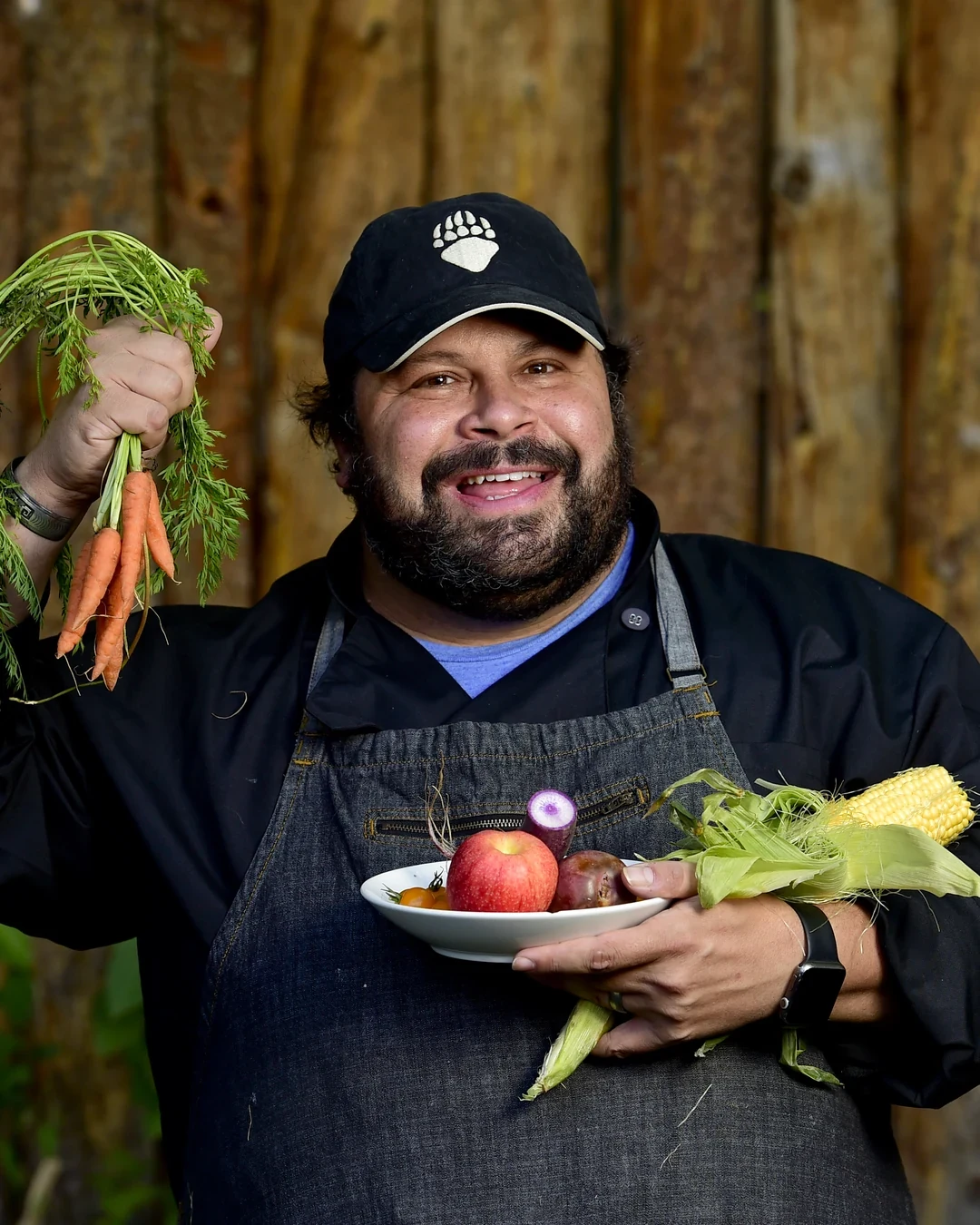
Daniel Asher
Chef
- 01CuisineGlobally-Inspired Farm-to-Table American
- 02CityDenver, United States
A Gas Station Turned Gathering Point in LoHi
Denver's Lower Highlands neighbourhood has been through several identities over the past two decades, and the buildings that survived each wave carry evidence of all of them. Root Down occupies a 1953 service station at 1600 W 33rd Ave, and the structure itself does much of the editorial work before a plate arrives. The high garage ceilings, original concrete floors, and large street-facing windows create the kind of spatial generosity that newer builds rarely achieve on the same budget. There is a clarity to repurposed industrial architecture that purpose-built restaurant interiors often approximate but seldom match: the proportions are honest because they were designed for function, not atmosphere, and atmosphere arrived anyway.
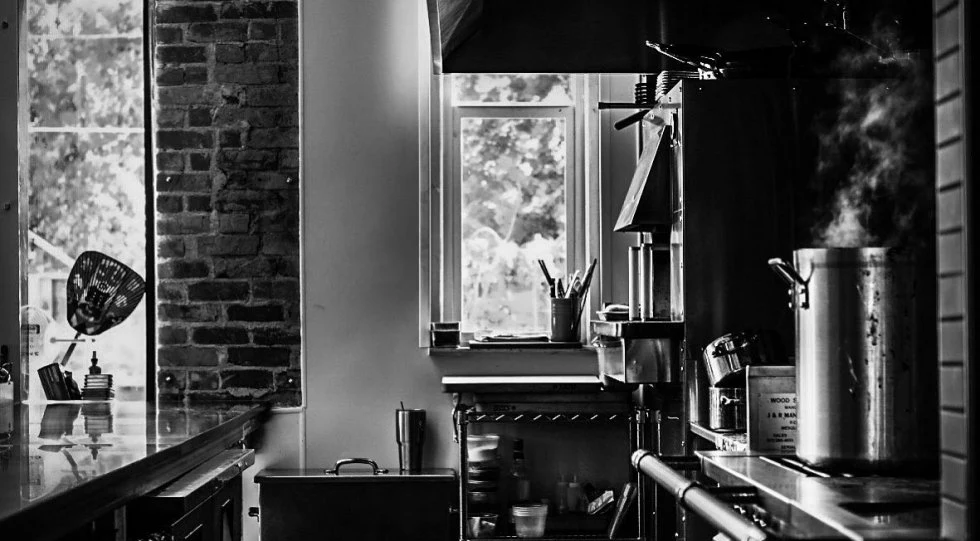
Across American cities, the conversion of mid-century service buildings into dining rooms has become a recognisable format. What separates successful examples from decorative ones is whether the original structure informs the operational logic of the room or merely provides a backdrop. At Root Down, the open kitchen, the communal rhythm of the space, and the relatively informal service register all follow from a building that was never designed to be precious. That casual authority is difficult to manufacture and easy to read when it is genuine.
Where Root Down Sits in Denver's Dining Order
Denver's restaurant scene now contains a reasonably clear tiering. At the leading, a cluster of ambitious tasting-menu formats: Beckon operates a strict seated counter with no à la carte option, and Brutø and The Wolf's Tailor occupy the $$$$ contemporary bracket with sourcing programs and format discipline that price them against national peers rather than local ones. Below that, a wide mid-tier covers global cuisines, neighbourhood bistros, and ingredient-led casual formats. Root Down occupies this middle ground, where the cooking is taken seriously but the room does not demand ceremony.
The relevant comparison for Root Down is less the tasting-menu tier and more the accessible-but-intentional category that has expanded across Denver over the past decade. Alma Fonda Fina operates in this same register on the Mexican side; Annette covers a similar price band with a baked-goods and rotisserie focus. Root Down's distinguishing characteristic within this peer group is its explicit plant-forward orientation and a menu built around global flavour references rather than a single regional cuisine. That combination positions it as something of a catch-all for mixed tables with varied dietary requirements, a practical reality of Denver's demographic that the format handles without condescension.
The Physical Logic of the Room
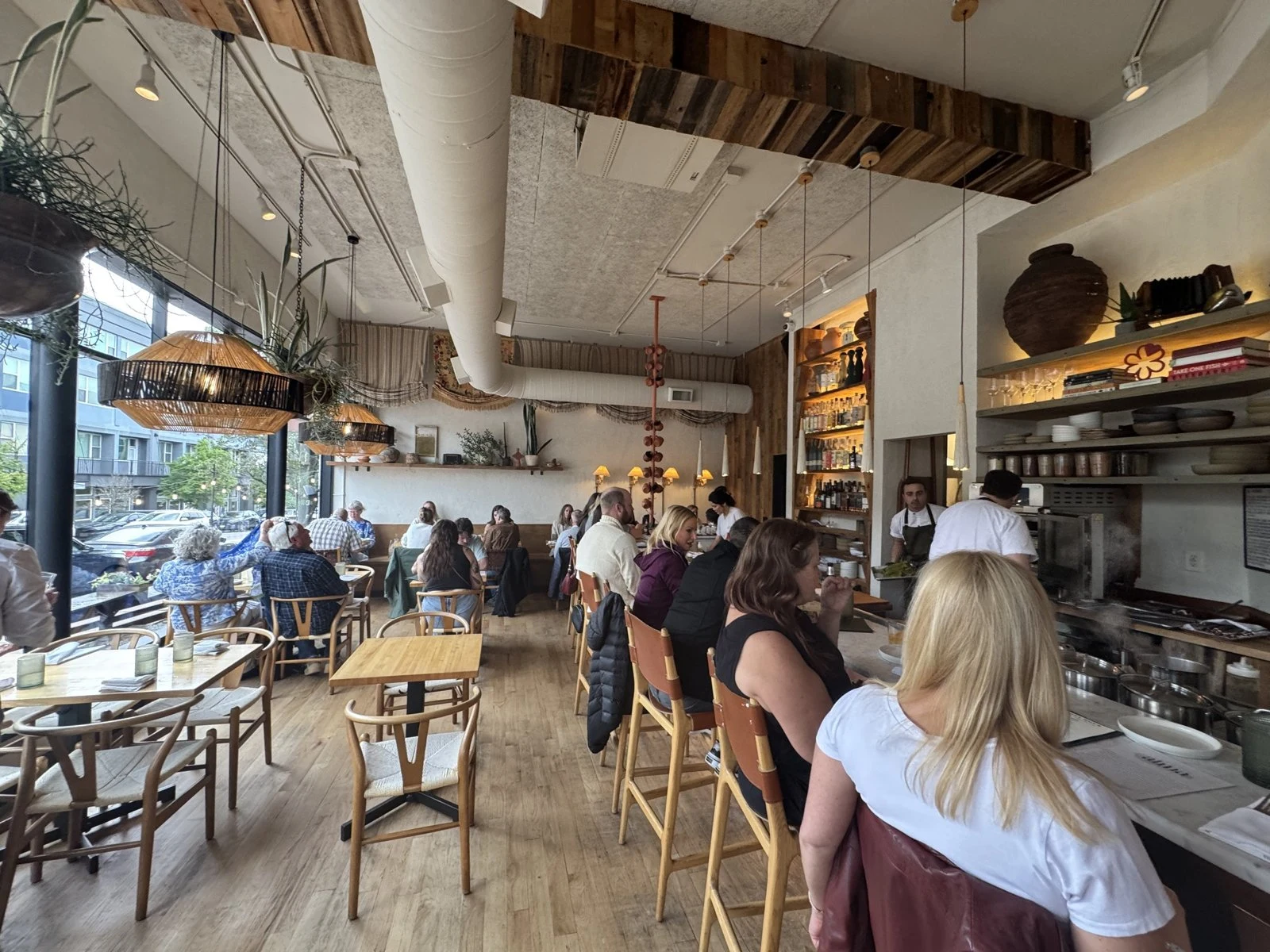
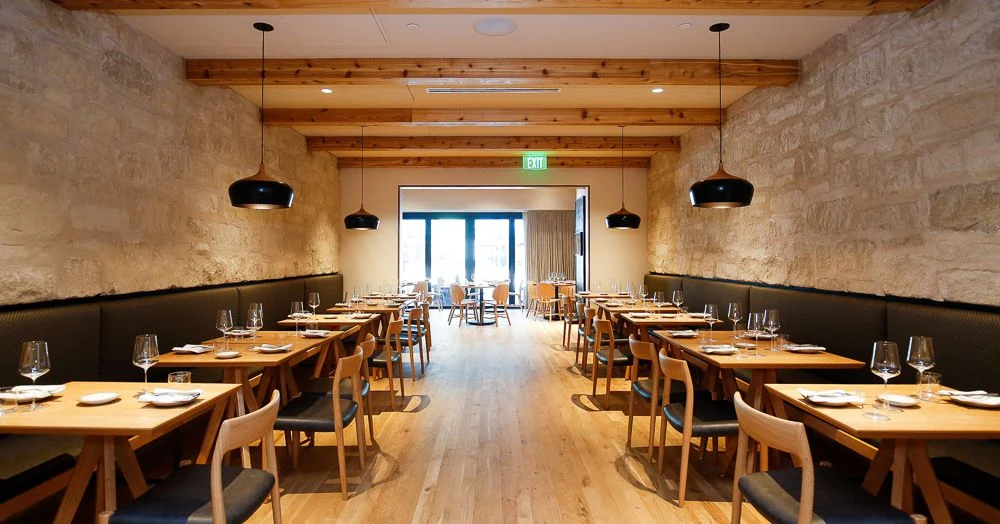
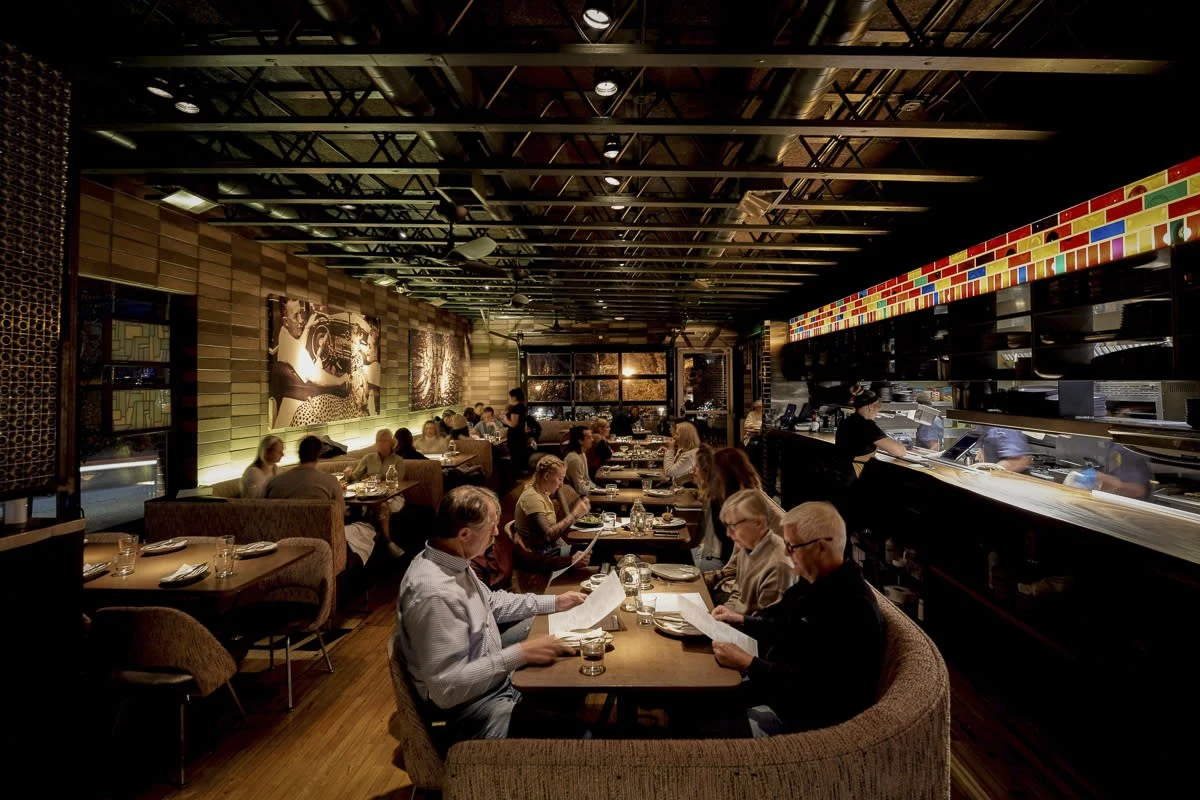
The design at Root Down rewards a moment of orientation when you walk in. The bar anchors one side, functioning as both a social hub and a visual separator between the more animated street-facing section and the quieter interior tables. Seating runs across a range of configurations: high bar stools, standard dining tables, and booth-adjacent arrangements that suggest the space was planned for varied group sizes rather than a single dining mode. A patio extends the footprint when Denver's weather cooperates, which, from late spring through early autumn, is frequently.
Material palette stays close to the building's original character: exposed brick, reclaimed wood elements, and lighting that skews warm without becoming dim. This is not a room that tries to signal luxury through surface finishes. Instead, the spatial intelligence lies in the ceiling height and the way natural light enters from the original bay openings, now glazed, that once served as the garage's working face. In a city where new restaurant design frequently defaults to dark-and-intimate or bright-and-sparse, Root Down's inherited proportions occupy a middle register that feels genuinely comfortable across lunch and dinner.
Menu Logic and Dietary Range
Menu at Root Down draws from a wide global pantry, referencing South Asian spicing, Middle Eastern ingredient combinations, and American comfort formats within the same sitting. This is a specific editorial choice with a practical consequence: a table of four with different dietary requirements can typically each find something without the resigned compromise that characterises menus where plant-based options are afterthoughts. Across American cities, the restaurants handling this most fluently tend to be those where the plant-forward commitment came early enough to shape the menu architecture rather than being retrofitted onto an existing format. Root Down's approach reflects the former condition.
For readers mapping this against national benchmarks, the format shares something with the accessible, ingredient-led mid-tier that has developed in cities like San Francisco and Chicago, though Denver's version operates at a price point that reflects the city's cost structure rather than that of coastal markets. The $$$$ tier in Denver, represented by venues like Brutø and The Wolf's Tailor, is pricing against a national audience increasingly willing to travel for food experiences. Root Down prices against a local one, which means the value proposition holds across a wider range of occasions.
Planning Your Visit
Root Down sits in LoHi, walkable from the 16th Street corridor but far enough from the convention-hotel cluster that it draws a neighbourhood crowd rather than a tourist overflow. The practical approach is to book ahead for weekend dinners: LoHi has enough foot traffic on Friday and Saturday evenings that walk-in availability at popular spots narrows quickly. Weekday lunches and early dinners offer more flexibility. The patio is worth requesting specifically if visiting between May and October. For those building a broader Denver itinerary, our full Denver restaurants guide maps the city's dining tiers across neighbourhoods.
For context on how Root Down's plant-forward mid-tier model compares to what ingredient-driven dining looks like at the top of the national market, the reference points worth knowing include Blue Hill at Stone Barns in Tarrytown, where the farm-to-table format operates at a tasting-menu price and formality, and Single Thread Farm in Healdsburg, which integrates agricultural sourcing into a multi-course Japanese-influenced format. Root Down operates without that level of ceremony or price, but the underlying logic of cooking around what the season and the pantry offer rather than forcing a fixed culinary identity shares common ground.
Readers with an interest in how other American cities have developed their mid-tier dining formats may also find it useful to cross-reference Smyth in Chicago and Lazy Bear in San Francisco, both of which represent their respective cities' attempts to formalise the boundary between casual and tasting-menu formats. Root Down operates well below that register, but the question of where the mid-tier sits relative to the top tier is worth understanding when calibrating expectations across American dining cities.
Questions
Frequently asked
Who works at Root Down?
Made By profiles Daniel Asher (Chef) at Root Down.
How expensive is Root Down?
Root Down is listed at a price level of $$.
Where is Root Down and what does it serve?
Root Down is in Highland, Denver, serving Globally-Inspired Farm-to-Table American.
The field
How it compares
| Place | Cuisine | Notes | Awards |
|---|---|---|---|
| Root Down | Globally-Inspired Farm-to-Table American | Highland, $$ | · |
| Alma Fonda Fina | Modern Mexican Fine Dining | Denver | Michelin 1 Star, World's 50 Best |
| Barolo Grill | Modern Piemontese | Denver | · |
| Beckon | Modern Seasonal Tasting Menu | Denver | Michelin 1 Star |
| La Diabla Pozole y Mezcal | Oaxacan Mexican Pozole and Tacos | Denver | · |
| Tavernetta | Contemporary Italian | Denver | · |
| The Wolf's Tailor | Modern Fusion Tasting Menu | Denver | Michelin 2 Stars |
In residence
Similar places
Modern Mexican Fine Dining
Alma Fonda Fina
Denver, United States
★ · 50 Best
Modern Piemontese
Barolo Grill
Denver, United States
Modern Seasonal Tasting Menu
Beckon
Denver, United States
★
Oaxacan Mexican Pozole and Tacos
La Diabla Pozole y Mezcal
Denver, United States
Contemporary Italian
Tavernetta
Denver, United States
Modern Fusion Tasting Menu
The Wolf's Tailor
Denver, United States
★★